Discover the Hidden Gem of Lower Saxony: Krater Spring in Rodenberg
Your ultimate guide to exploring one of Germany’s most tranquil natural water sources.
Introduction
Imagine stepping off the well‑trodden tourist trail and finding a crystal‑clear spring bubbling up from the earth, surrounded by the gentle rolling hills of Lower Saxony. That’s exactly what awaits you at Krater Spring (German: Krater (Bad Nenndorf)) in the charming municipality of Rodenberg. Nestled at the coordinates 52.326180 N, 9.361392 E, this modest yet mesmerizing water source offers a peaceful retreat for hikers, history buffs, and anyone craving a touch of nature’s purity. Whether you’re planning a day trip from Hannover or a weekend adventure through the Weserbergland, Krater Spring is a perfect stop‑off that blends natural beauty with a whisper of local heritage.
About Krater Spring
What Is It?
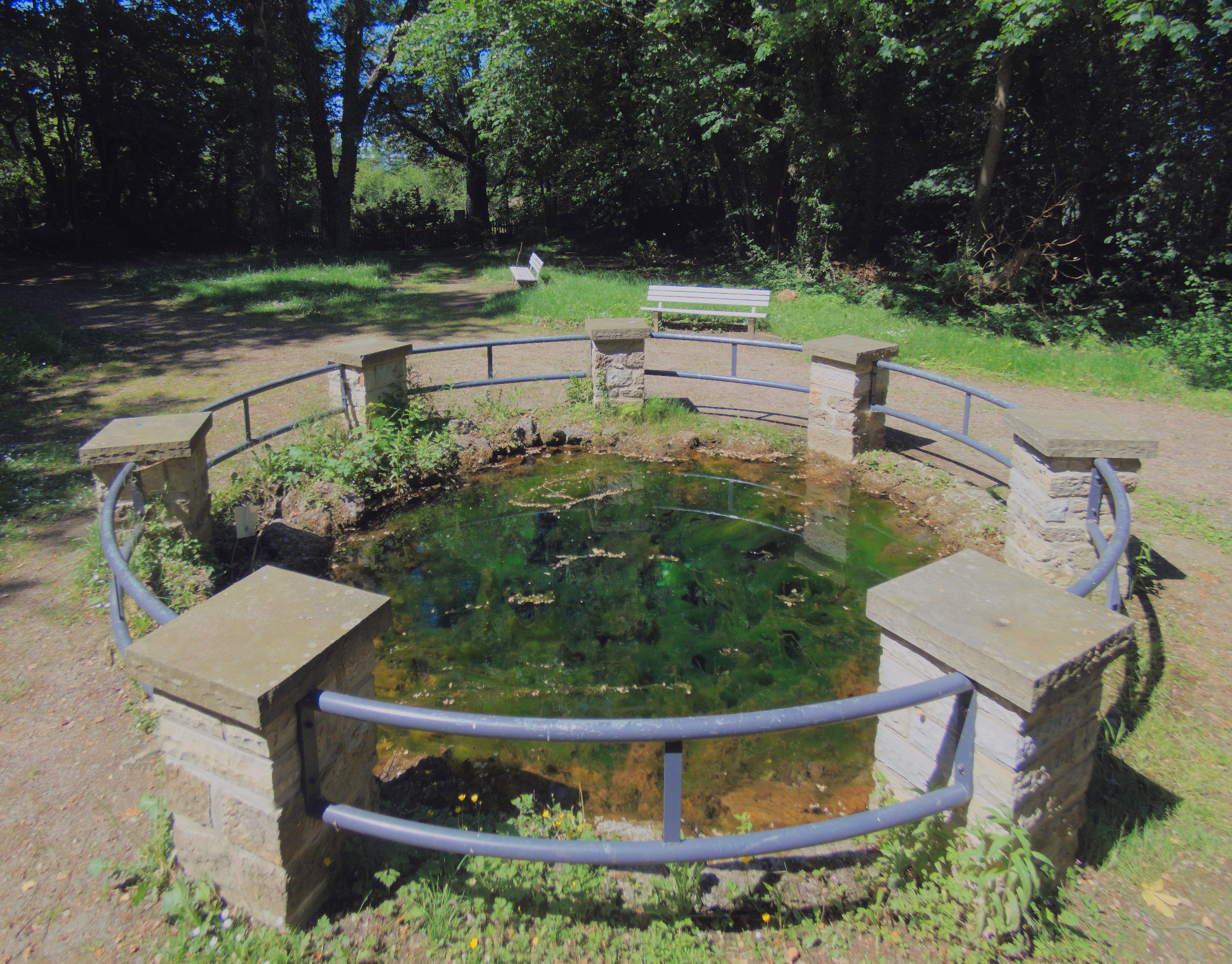
Krater Spring is a natural groundwater spring that emerges from the limestone‑rich substrata typical of the Schaumburg‑Land region. While the exact altitude and height of the spring are not documented, its presence is unmistakable: a modest pool of clear water framed by moss‑dotted stones and a few scattered birch trees. The spring’s name, Krater, alludes to the crater‑like depression that forms around the water’s outflow, giving the spot a subtle, almost volcanic appearance—hence the German term “Krater.”
A Brief History
The spring’s history is intertwined with the agricultural and therapeutic traditions of Bad Nenndorf and surrounding villages. In the 19th century, the broader Bad Nenndorf area became famous for its mineral‑rich waters, attracting visitors seeking the reputed health benefits of the region’s spas. While Krater Spring itself was never commercialized as a spa, locals have long used its fresh water for drinking, livestock, and occasional small‑scale irrigation. Its quiet existence has helped preserve the surrounding meadow ecosystem, making it a living snapshot of the area’s natural past.
Why It Matters
Krater Spring may not boast towering waterfalls or elaborate visitor centers, but its significance lies in its authenticity. For travelers yearning for an off‑the‑beaten‑path experience, the spring offers:
- Ecological value – a thriving micro‑habitat for amphibians, insects, and native plant species.
- Cultural resonance – a reminder of the region’s longstanding relationship with pure, natural water sources.
- Scenic serenity – an ideal spot for quiet contemplation, photography, or a brief picnic.
How to Get There
By Car
The most straightforward way to reach Krater Spring is by car. From Hannover, follow the A2 eastward toward Minden, then take the B65 exit for Rodenberg. After approximately 30 km, turn onto Kreisstraße 45 (signposted for “Bad Nenndorf”). The spring is located just off the road, marked by a modest wooden sign and a small parking area for a few vehicles. Expect a short, well‑maintained gravel path leading to the water’s edge.
By Public Transport
- Train: Take a regional train from Hannover Hauptbahnhof to Bad Nenndorf (approx. 45 min).
- Bus: From Bad Nenndorf station, board the Bus 530 toward Rodenberg; alight at the “Krater” stop (about a 10‑minute ride).
- Walking: From the bus stop, a gentle 10‑minute walk on a marked trail brings you directly to the spring.
Biking
The area is popular among cyclists. The Weser Cycle Route (Weser-Radweg) passes near Rodenberg, and a well‑signposted side‑track leads to the spring. Bring a lock for your bike and enjoy the ride through pastoral landscapes dotted with historic farmsteads.
Best Time to Visit
Krater Spring shines year‑round, but the experience varies with the seasons:
| Season | What to Expect | Why Visit |
|---|---|---|
| Spring (Mar‑May) | Fresh buds, vibrant wildflowers, and moderate temperatures (10‑18 °C). | Ideal for nature photography and spotting migratory birds. |
| Summer (Jun‑Aug) | Lush greenery, occasional butterflies, and warm days (20‑25 °C). | Perfect for a cool drink straight from the spring and a shaded picnic. |
| Autumn (Sep‑Nov) | Golden foliage, crisp air, and fewer crowds. | Great for tranquil walks and capturing the amber hues of the Weserbergland. |
| Winter (Dec‑Feb) | Snow‑kissed surroundings, quiet atmosphere. | A magical, almost mystical setting for early‑morning sunrise shots. |
Tip: The spring’s water temperature remains relatively constant (around 10 °C) throughout the year, making it refreshing on a hot summer day and invigorating during cooler months.
What to Expect
When you arrive, you’ll be greeted by a modest clearing where the spring’s clear water gently pools into a shallow basin. The surrounding meadow is dotted with wild thyme, clover, and occasional bluebells (especially in late spring). A faint, soothing sound of water bubbling over stones creates a natural soundtrack for your visit.
- Photography – Capture the contrast between the sparkling water and the surrounding greenery. Early morning light adds a golden glow, while late afternoon offers soft shadows.
- Picnicking – Bring a lightweight blanket and some local snacks (try a Bregenwurst or a slice of Roggenbrot). The spring’s clean water makes a refreshing drink, but remember to bring a reusable bottle for sustainability.
- Wildlife Watching – Keep an eye out for grass frogs, dragonflies, and occasionally a shy European hedgehog at dusk.
There are no formal facilities (toilets, cafés, or souvenir shops) on site, which is part of the charm. The nearest amenities are in Bad Nenndorf, just a short drive away.
Nearby Attractions
While Krater Spring is a highlight on its own, the surrounding area offers several other water‑related sights that enrich your itinerary:
| Attraction | Distance | Type | Quick Link |
|---|---|---|---|
| Die Badenden | 1.1 km | Fountain | Die Badenden |
| Fontänenfeld | 1.4 km | Fountain | Fontänenfeld |
| Großer Abwasch | 1.5 km | Fountain | Großer Abwasch |
| Unnamed Fountain 1 | 1.5 km | Fountain | Fountain 1 |
| Unnamed Fountain 2 | 1.5 km | Fountain | Fountain 2 |
All of these fountains are nestled within short walking distance, making them perfect for a mini‑water‑tour. Each spot offers its own unique stonework, local legends, and quiet corners for reflection.
Travel Tips
- Dress for the Terrain – Sturdy walking shoes or hiking boots are advisable, especially after rain when the trail can become slippery.
- Respect the Environment – The spring is a protected natural site. Avoid littering, and do not disturb the flora or fauna.
- Stay Hydrated – While the spring water is clean, bring a bottle for refills and keep a backup supply of water, especially in summer heat.
- Timing – Arrive early in the morning or late afternoon to avoid the occasional weekend crowd and to capture the best light for photos.
- Parking – The small on‑site lot fills quickly on sunny days. If it’s full, park along the roadside (respect local signage) and walk the short path.
- Combine with Bad Nenndorf – After exploring the spring, consider a quick detour to Bad Nenndorf’s historic spa district for a coffee or a spa treatment.
- Check Weather – The region can be breezy; a light windbreaker is handy year‑round.
- Mobile Connectivity – Signal can be patchy near the spring; download offline maps (Google Maps or MAPS.ME) before you set out.
Wrap‑Up
Krater Spring may be a modest dot on the map of Lower Saxony, but it embodies the quiet allure that draws travelers to Rodenberg and the surrounding Weserbergland. Its crystal‑clear waters, gentle ambiance, and proximity to other charming fountains make it a must‑visit for anyone seeking an authentic slice of German nature away from the crowds. Pack your sense of adventure, follow the coordinates, and let the spring’s tranquil flow refresh both body and soul.
Happy travels, and may your journey to Krater Spring be as pure and invigorating as the water itself!