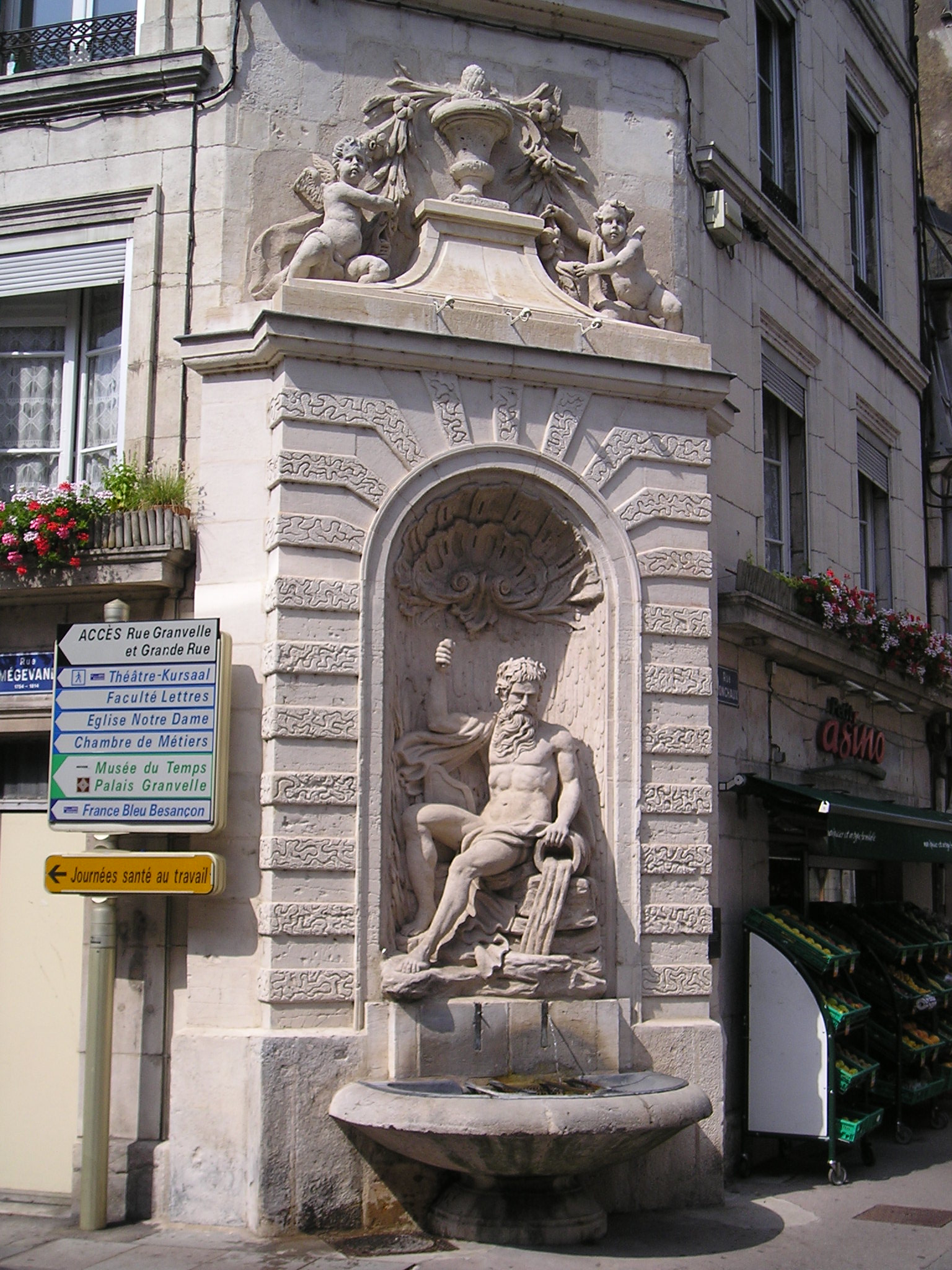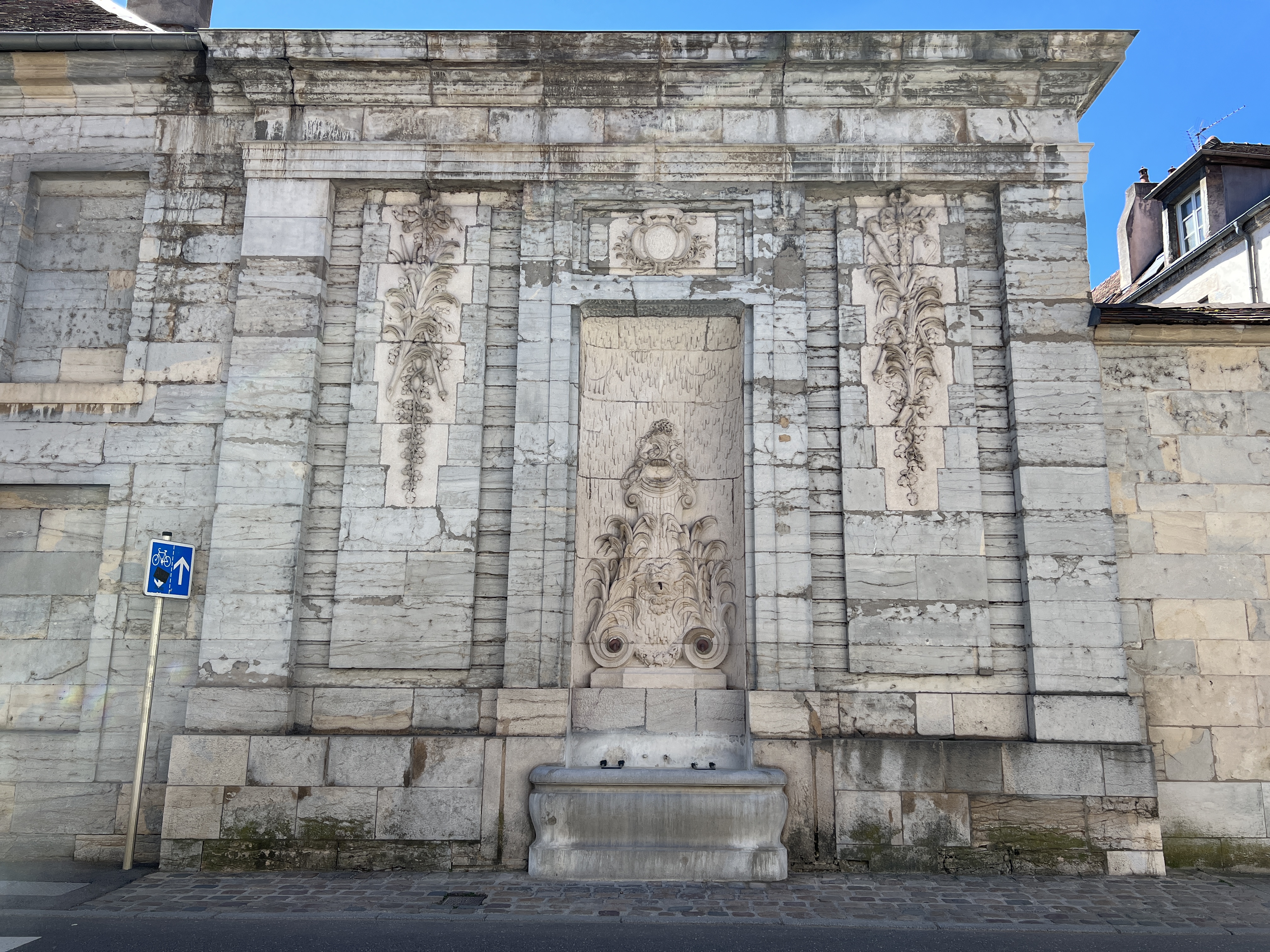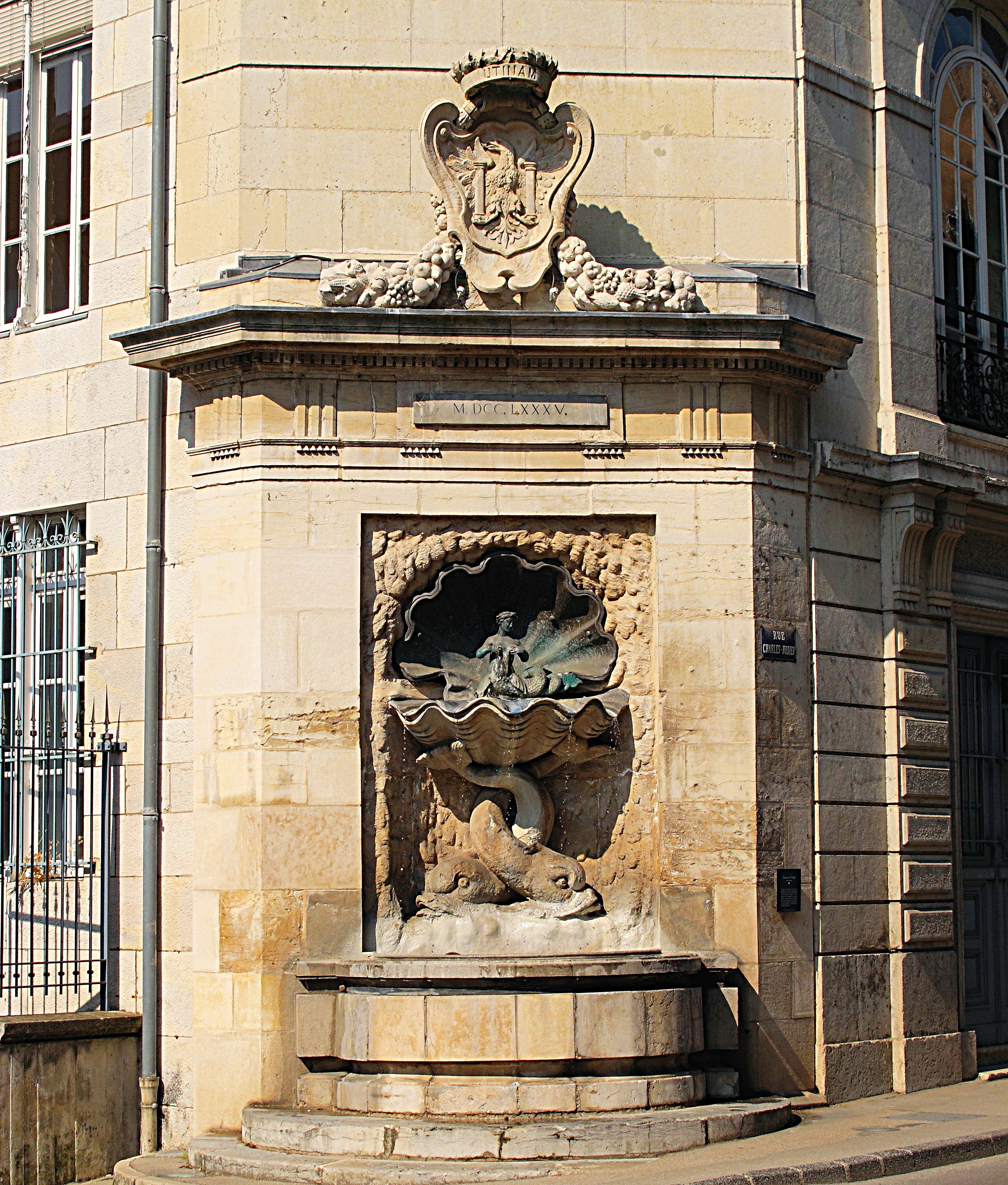
Fontaine des Dames – A Hidden Fountain Gem in Besançon, Franche‑Comté
Discover the charm of one of Besançon’s most understated landmarks, the Fontaine des Dames, and learn how to make the most of your visit to this historic fountain in the heart of Franche‑Comté.
1. Introduction
If you think the iconic attractions of Besançon are limited to the Citadel or the Vauban‑designed fortifications, think again. Tucked away near the banks of the Doubs River, the Fontaine des Dames offers travelers a quiet, photogenic spot that feels like stepping into a living postcard. With its graceful stone arches, gently cascading water, and a backdrop of classic French architecture, the fountain is the perfect place to pause, snap a few Instagram‑ready shots, and soak up the relaxed rhythm of everyday life in Franche‑Comté. Whether you’re a history buff, a photography enthusiast, or simply wandering the streets of Besançon, this hidden fountain deserves a spot on your itinerary.
2. About Fontaine des Dames
Description
The Fontaine des Dames (literally “Ladies’ Fountain”) is a modest yet elegant stone fountain situated at 47.232912 N, 6.023406 E in the historic centre of Besançon. While the exact height of the structure is not recorded, its design reflects the classic 19th‑century French municipal fountains that combined utility with ornamental flair. The water flows from a central basin into a series of sculpted stone basins, creating a soothing soundscape that blends seamlessly with the surrounding cobblestones and nearby cafés.
History & Significance
Although detailed archival records are scarce, the fountain’s name hints at a connection to the women who once gathered there for water and conversation. In many French towns, fountains named after “dames” served as communal meeting points for local women, offering a safe space to exchange news while drawing water for household chores. Over time, the Fontaine des Dames evolved from a purely functional structure into a cultural landmark, embodying the everyday life of Besançon’s past residents.
The fountain also forms part of Besançon’s broader urban water network, which historically relied on the Doubs River and a series of weirs and smaller fountains to supply the city. Its proximity to historic weirs (see the “Nearby Attractions” section) underscores its role within this historic hydraulic system.
3. How to Get There
By Air
The nearest international gateway is EuroAirport Basel‑Mulhouse‑Freiburg (BSL/MLH), located about 150 km from Besançon. From the airport, you can rent a car or take a direct train (via Basel) to Besançon‑Viotte station.
By Train
Besançon‑Viotte is a major SNCF hub with high‑speed TGV connections from Paris (≈2 h 30 min) and Lyon (≈1 h 15 min). From the station, the city centre is a pleasant 15‑minute walk or a short 5‑minute tram ride (Line 1, direction “Mouillère”).
By Car
If you’re driving, the fountain is easily reachable via the A36 (Autoroute du Soleil) and A39 motorways. Take the N83 toward Besançon, follow signs for the historic centre, and look for the pedestrian zone around Place de la Fontaine des Dames.
On Foot / Public Transport
- Tram: Line 1 (Mouillère ↔ Moulin à Sel) stops at “Place de la Fontaine des Dames”.
- Bus: Several city buses (e.g., routes 6, 12) have stops within a 200‑meter radius.
- Walking: The fountain sits in a compact, walkable historic district, making it ideal for a leisurely stroll after exploring nearby sites such as the Citadel of Besançon or the Old Town (Vieille Ville).
4. Best Time to Visit
| Season | Why Visit | Tips |
|---|---|---|
| Spring (April‑June) | Blossoming trees line the nearby streets, and the water flow is at its freshest after winter melt. | Dress in layers; a light raincoat is handy for occasional showers. |
| Summer (July‑August) | Long daylight hours let you linger at the fountain well into the evening, when the stone glows in the golden light. | Arrive early to avoid the midday tourist rush in the city centre. |
| Autumn (September‑October) | The golden foliage provides a stunning backdrop for photography, and the temperature is comfortably cool. | Bring a warm scarf for cooler evenings; the fountain’s mist adds a romantic touch. |
| Winter (November‑March) | Fewer visitors mean a tranquil experience; the fountain’s stone takes on a crisp, elegant look against a light dusting of snow. | Check opening hours of nearby cafés; daylight is limited, so plan a late‑afternoon visit. |
Overall, late spring and early autumn strike the perfect balance of pleasant weather, vibrant scenery, and manageable crowds.
5. What to Expect
When you step onto the cobblestones surrounding the Fontaine des Dames, you’ll immediately feel the gentle rhythm of water echoing off the stone. The fountain’s central basin reflects the sky, creating a miniature mirror that captures the historic façades above. Locals often pause here for a quick coffee, and you’ll hear the soft murmur of conversation in French, adding an authentic ambience.
The surrounding area is a blend of small boutiques, patisseries, and historic buildings dating back to the 17th and 18th centuries. Expect to see:
- Artisan stalls selling regional specialties like Comté cheese and Morteau sausages.
- Street musicians performing classical or folk tunes, especially during summer evenings.
- Photographers capturing the interplay of light and water—feel free to join in!
Because the fountain is part of a public space, it remains open year‑round, free of charge. However, note that the water flow may be reduced during extreme droughts or maintenance periods; local signage will indicate any temporary changes.
6. Nearby Attractions
Your visit to the Fontaine des Dames can easily be combined with several other points of interest that lie within a short walk (0.2‑0.4 km). Below are the highlights, each linked to a brief description or official page for further planning:
- [Unnamed Weir – 0.2 km] – A historic water control structure that helped regulate the Doubs River flow. Great for a quick photo of engineering heritage.
- [Unnamed Fountain – 0.2 km] – Another charming municipal fountain offering a different architectural style.
- [Fontaine du Doubs – 0.3 km] – A larger, more elaborate fountain located directly on the Doubs River banks. Ideal for riverside picnics.
- [Grotte de Granvelle – 0.3 km] – Not a literal grotto but a small, vaulted space historically used for water storage. Its stone arches provide a cool, shaded spot on hot days.
- [Unnamed Weir – 0.4 km] – A second weir that illustrates the sophisticated hydraulic network of Besançon’s historic centre.
Tip: All these sites are within a 5‑minute walk, so you can create a “Fountain & Waterworks Trail” that showcases Besançon’s relationship with the Doubs River.
7. Travel Tips
| Tip | Details |
|---|---|
| Wear comfortable shoes | The historic centre’s cobblestones can be uneven. Good walking shoes will keep you comfortable for the entire day. |
| Bring a reusable water bottle | While the fountain is decorative, you can refill at nearby cafés. Staying hydrated is key, especially in summer. |
| Check local events | Besançon hosts seasonal festivals (e.g., Festival International de Musique). The fountain area often becomes a gathering point for live performances. |
| Respect the space | As a public heritage site, avoid climbing on the stone basins and keep litter to a minimum. |
| Photography etiquette | If you’re using a tripod, be mindful of other visitors. A handheld camera or smartphone works perfectly for most shots. |
| Currency | France uses the Euro (€). Many small vendors accept cards, but having a few cash notes is handy for market stalls. |
| Language | French is the primary language. A few polite phrases (“Bonjour”, “Merci”) go a long way with locals. |
| Safety | The area is safe day and night, but keep an eye on personal belongings, especially in crowded markets. |
| Connectivity | Free Wi‑Fi is available in many cafés around the fountain. For navigation, offline maps of Besançon are recommended in case of spotty mobile coverage. |
Final Thoughts
The Fontaine des Dames may not appear on every “top‑10” list of French attractions, but that’s precisely what makes it a treasure for the curious traveler. Its quiet elegance, historic charm, and central location within Besançon’s vibrant old town provide a perfect micro‑experience of Franche‑Comté’s cultural heritage. Pair it with a leisurely stroll to the nearby weirs, the Fontaine du Doubs, and the Grotte de Granvelle, and you’ll have a full day of authentic, off‑the‑beaten‑path exploration.
So next time you find yourself wandering the streets of Besançon, pause at the Fontaine des Dames, let the cool mist kiss your cheeks, and imagine the centuries of conversation that have unfolded around this modest yet magical fountain. Happy travels!