Fontaine du Doubs – Besançon’s Hidden Jewel of Water and History
If you’re wandering the historic streets of Besançon, a quick glance at the river Doubs will draw you to one of the city’s most charming secrets – the Fontaine du Doubs. Nestled beside the river’s gentle curve, this elegant fountain is more than a decorative water feature; it’s a living piece of Franche‑Comté heritage that captures the spirit of the region’s past and present.
1. Introduction
Imagine strolling along the banks of the Doubs at sunrise, the mist rising off the water, and stumbling upon a graceful stone fountain that seems to have been waiting for you for centuries. The Fontaine du Doubs (coordinates 47.233793, 6.026817) offers exactly that moment of discovery. Though modest in size, the fountain’s timeless design, central location, and quiet ambiance make it a perfect stop for photographers, history buffs, and anyone craving an authentic slice of French life.
Whether you’re planning a weekend getaway to Besançon, a day trip through Franche‑Comté, or a broader tour of French fountains, the Fontaine du Doubs deserves a spot on your itinerary.
2. About Fontaine du Doubs
Description
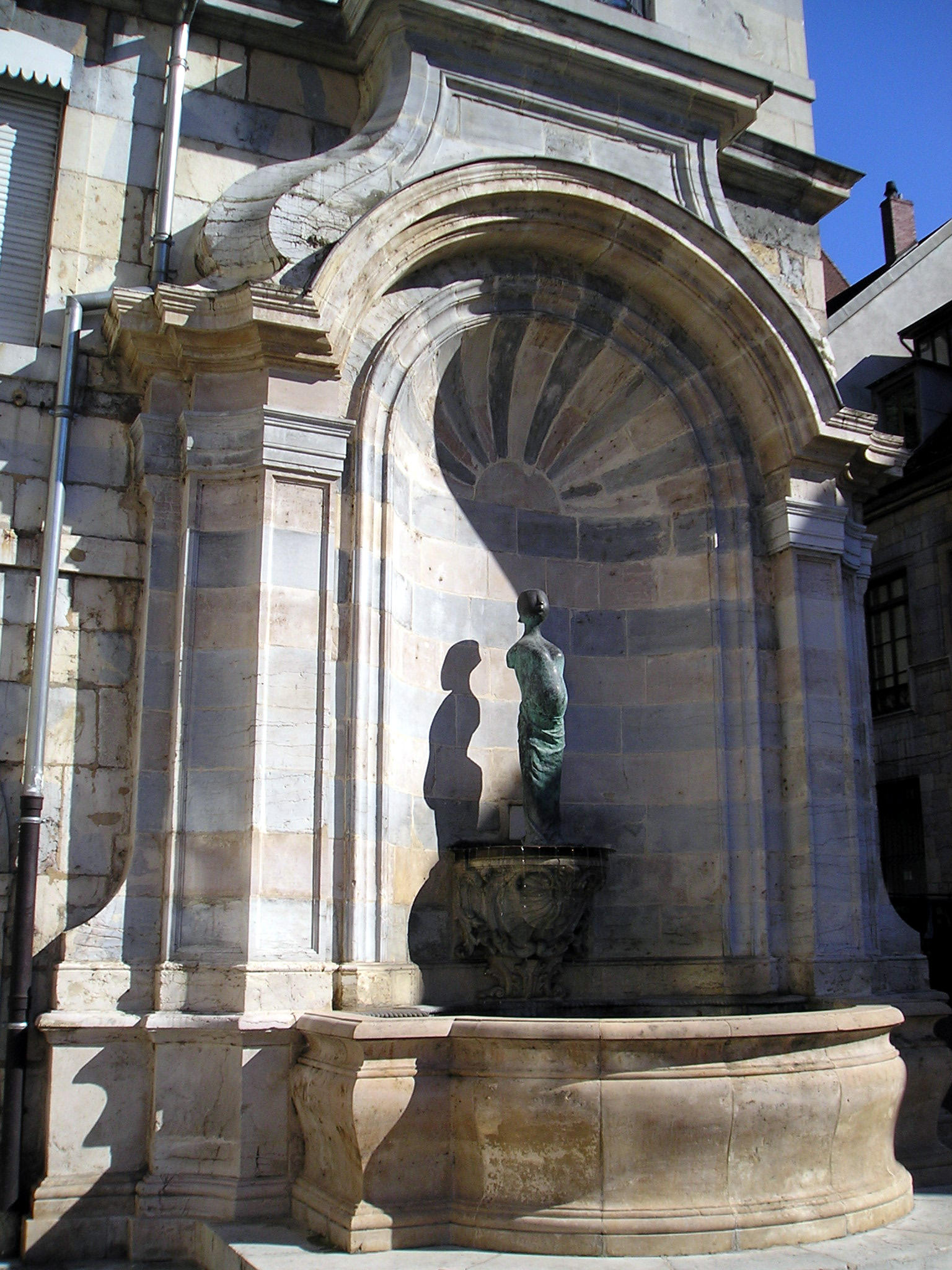
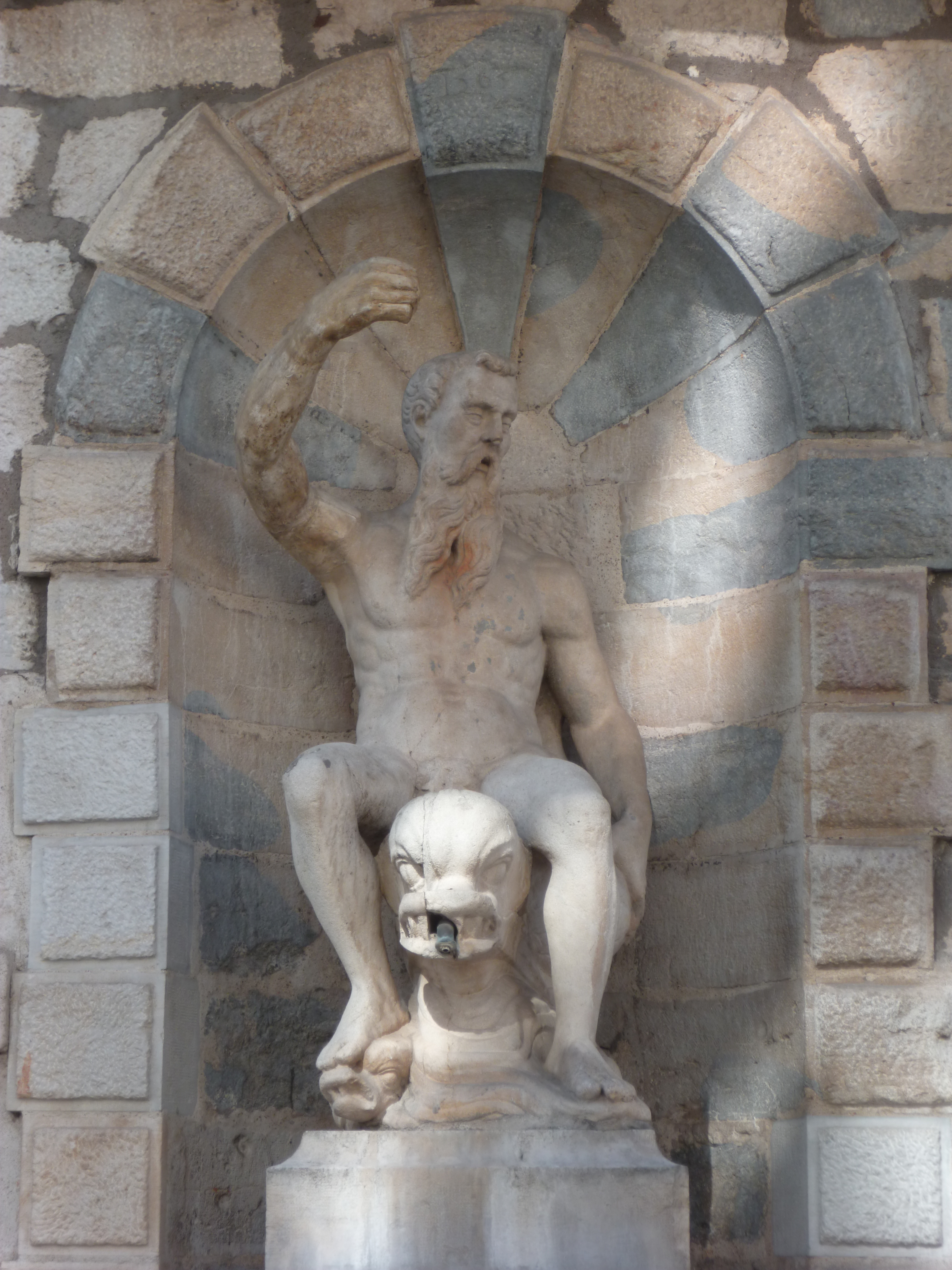
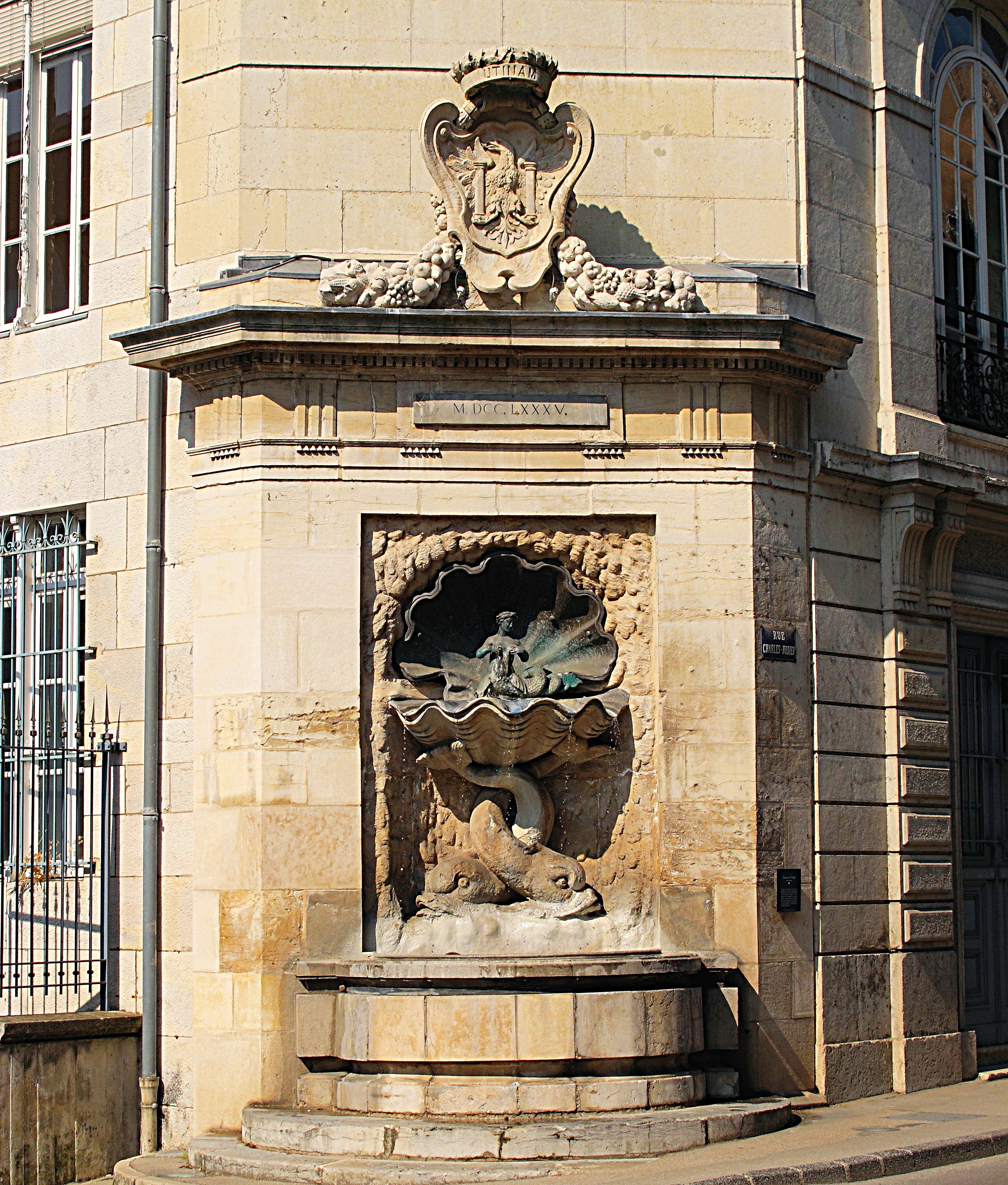
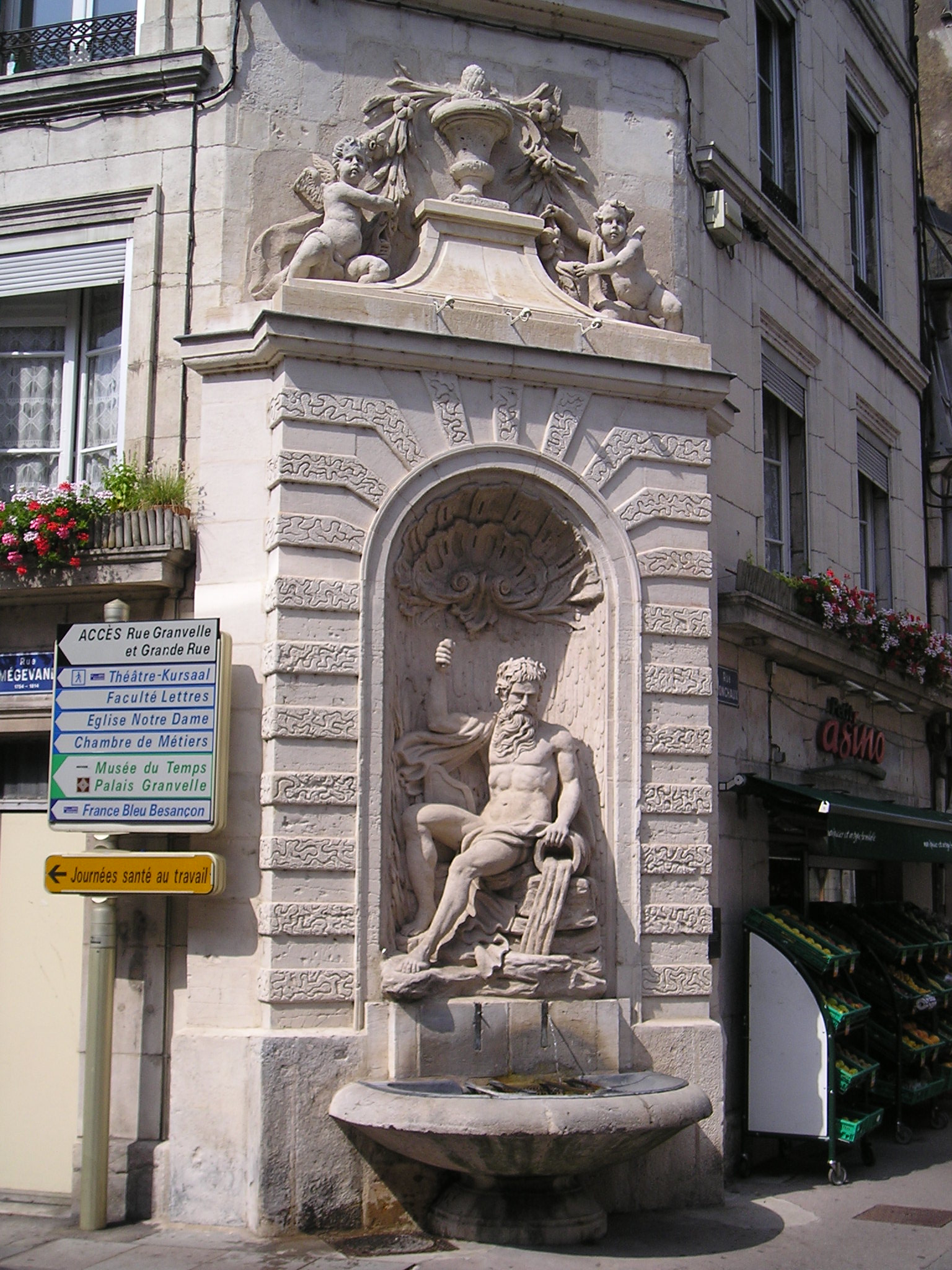
The Fontaine du Doubs is a stone fountain set directly on the river’s edge, allowing the Doubs itself to feed its basin. While the exact height and altitude of the structure are not documented, the fountain’s clean lines and subtle ornamentation reflect the classic 19th‑century French municipal style. Water flows from a modest spout into a shallow basin, creating a soothing sound that blends with the river’s own current.
History & Significance
The fountain’s origins trace back to the era when Besançon’s city planners sought to beautify public spaces while providing clean drinking water to residents. Like many French fountains built during the Second Empire, it served both practical and aesthetic purposes, reinforcing the city’s civic pride. Over the years, the Fontaine du Doubs has become a beloved landmark for locals, often serving as a meeting point for market vendors, street musicians, and families enjoying an afternoon by the water.
While the exact construction date remains undocumented, the fountain’s design aligns with the broader trend of municipal fountains that proliferated across France in the 1800s, symbolizing progress, public health, and urban elegance.
3. How to Get There
By Air
- Closest airport: EuroAirport Basel‑Mulhouse‑Freiburg (BSL/MLH). From the airport, take a direct train (TER) to Besançon Viotte (≈1 h 30 min).
By Train
- Besançon Viotte is the main railway hub, served by high‑speed TGV, Intercités, and regional TER services from Paris, Lyon, and Dijon. From the station, the fountain is a pleasant 15‑minute walk (≈1.2 km).
By Car
- From the A36 motorway, exit at Besançon Ouest. Follow signs for the city centre (Place de la Révolution) and continue toward the Quai de la Douane. Parking is available at the underground lot Parking du Quai (P+R).
Public Transport & Walking
- Bus: Line C4 (stop “Quai de la Douane”) drops you within a 2‑minute walk of the fountain.
- Bike: Besançon’s Vélo’v bike‑share stations are scattered near the riverfront; the nearest is Vélo’v – Quai de la Douane.
GPS
Enter 47.233793, 6.026817 into any navigation app to be guided straight to the fountain’s doorstep.
4. Best Time to Visit
| Season | Why Visit | Tips |
|---|---|---|
| Spring (Mar‑May) | Blossoming trees along the river create a postcard backdrop; temperatures are mild (10‑18 °C). | Arrive early to avoid the weekend market crowds. |
| Summer (Jun‑Aug) | Long daylight hours let you linger for sunset photos; cafés spill onto the promenade. | Bring sunscreen and a refillable water bottle – the fountain’s water is not potable. |
| Autumn (Sep‑Nov) | Golden foliage reflects beautifully in the water; fewer tourists. | Pack a light jacket; evenings can be chilly (8‑12 °C). |
| Winter (Dec‑Feb) | The fountain takes on a quiet, almost mystical vibe when dusted with frost. | Check opening hours of nearby attractions; some may close early. |
Peak visitor times are typically late morning (10 am–12 pm) and early evening (5 pm–7 pm) during summer weekends. For a tranquil experience, aim for early weekday mornings.
5. What to Expect
When you arrive at the Fontaine du Doubs, you’ll be greeted by a serene riverside setting. The fountain’s stone basin mirrors the sky, while the gentle flow of water creates a soft, rhythmic soundtrack.
- Photographic moments: Capture the fountain framed by the historic Pont Battant bridge, or shoot the reflection of autumn leaves on the water’s surface.
- Local atmosphere: Expect a mix of locals sipping coffee at nearby cafés, street performers playing accordion tunes, and families picnicking on the grass.
- Accessibility: The promenade around the fountain is wheelchair‑friendly, with smooth cobblestones and ramped access from the riverbank.
- Nearby amenities: Public restrooms are located at the Place du Musée (5‑minute walk). Free Wi‑Fi is offered by the city’s “Besançon Connect” hotspot at the Maison de la Ville.
6. Nearby Attractions
While you’re in the vicinity, make the most of the cluster of historic fountains and sites that lie within a short stroll. Each offers a unique glimpse into Besançon’s cultural tapestry.
- Grotte de Granvelle (fountain) – Just 0.1 km away, this whimsical grotto‑style fountain is tucked behind a narrow alley, perfect for a quick photo stop.
- Fontaine Saint‑Jean (fountain) – 0.2 km from the Doubs fountain, this 18th‑century masterpiece features intricate carvings of saints and a historic plaque.
- Fontaine Wallace (fountain) – Also 0.2 km away, it’s one of the iconic Wallace fountains designed by Sir Charles Wallace, recognizable by its distinctive blue‑green glaze.
- Fontaine Saint‑Quentin (fountain) – Another 0.2 km walk brings you to this elegant fountain surrounded by a small garden, ideal for a quiet pause.
- Fontaine des Carmes (fountain) – At 0.3 km, this baroque‑style fountain stands near the historic Carmes convent, offering a glimpse into religious architecture.
All these attractions are easily reachable on foot, allowing you to create a “Fountain Trail” that showcases Besançon’s dedication to public art and water heritage.
7. Travel Tips
| Tip | Details |
|---|---|
| Dress for the weather | Layered clothing works best; bring a rain jacket in spring and a warm scarf in winter. |
| Footwear | Cobblestones can be uneven. Wear comfortable walking shoes with good grip. |
| Photography | Early morning light (golden hour) offers the softest shadows. A polarizing filter can reduce glare on the water. |
| Safety | The riverbank can be slippery when wet. Keep an eye on children near the water’s edge. |
| Local cuisine | After visiting the fountain, stop at Café de la Douane for a classic comté cheese tartine and a glass of Vin Jaune. |
| Language | French is the official language; a few polite phrases (“Bonjour”, “Merci”) go a long way. |
| Currency | France uses the Euro (€). Most establishments accept card payments, but carry some cash for small vendors. |
| Connectivity | Free Wi‑Fi zones are available at the Tour de la Musique and Maison de la Ville. |
| Sustainability | Use refillable water bottles. The city encourages visitors to respect the historic fountains and keep the area litter‑free. |
| Timing | If you plan to combine the fountain visit with a river cruise, check the Bains de Doubs schedule; the boat departs from Port de la Douane (5‑minute walk). |
Wrap‑Up
The Fontaine du Doubs may not boast the grandeur of Parisian monuments, but its quiet charm, historical roots, and prime riverside location make it a must‑see for anyone exploring Besançon or the wider Franche‑Comté region. Pair it with the nearby fountains, enjoy a leisurely stroll along the Doubs, and you’ll experience a slice of French life that’s both timeless and refreshingly intimate.
Pack your camera, lace up those walking shoes, and let the gentle flow of the Fontaine du Doubs guide you into the heart of Besançon’s heritage. Safe travels!