Saltos del Nilahue – The Hidden Waterfall Gem of Los Lagos, Chile
If you’re chasing the wild, untamed heart of southern Chile, the mist‑kissed cascade of Saltos del Nilahue should be at the top of your list. Nestled in the verdant reaches of Puyehue, this waterfall offers a quiet, immersive experience far from the crowded tourist trails of Patagonia.
1. About Saltos del Nilahue
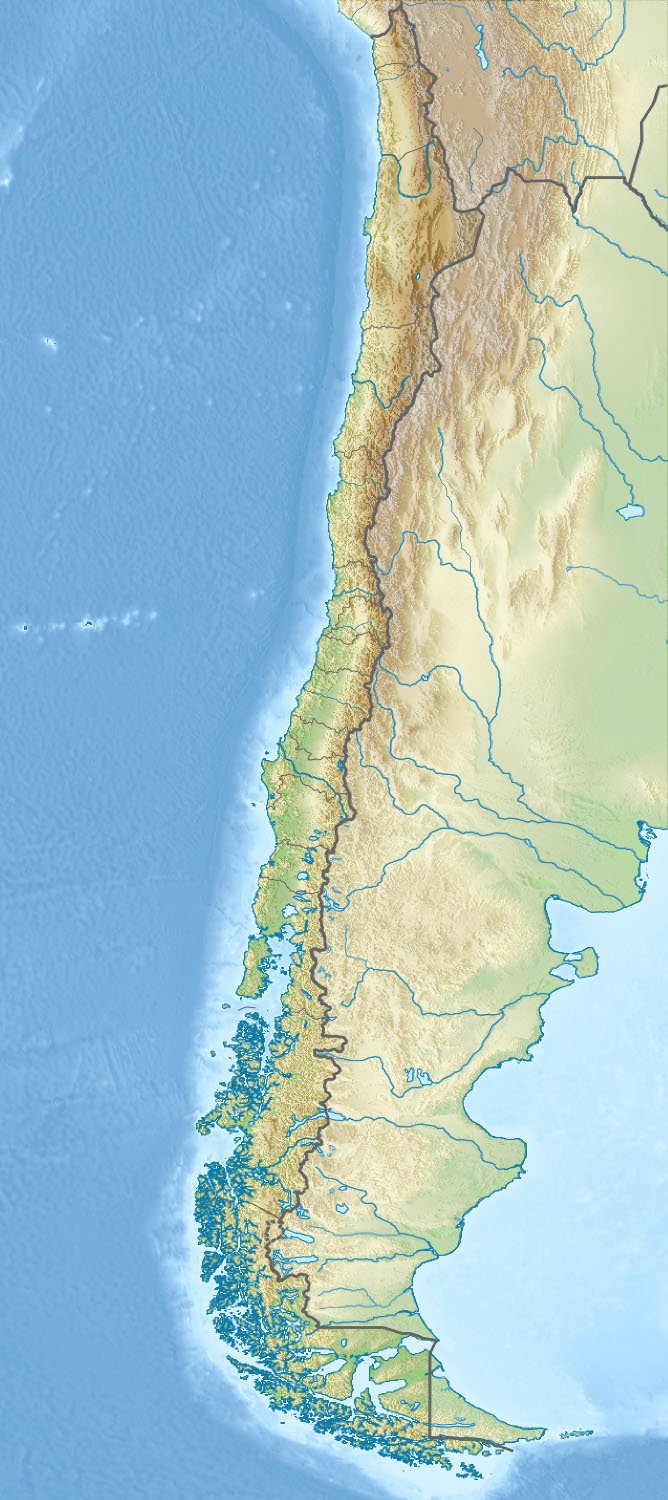
Located at ‑40.284690, ‑72.172424 in the Los Lagos Region, Saltos del Nilahue (Spanish for “Nilahue Falls”) is a natural waterfall that tumbles through the dense temperate rainforest of the Nilahue River. While the exact height and altitude remain undocumented, the sheer power of the water and the surrounding moss‑laden forest make a striking impression.
The name “Nilahue” comes from the Mapudungun language—nila meaning “water” and hue meaning “place”. Historically, the river and its falls have been part of the traditional lands of the Mapuche people, who regarded the roaring cascade as a source of fresh water and a spiritual landmark. Today, the waterfall is a modest yet beloved spot for locals and adventurous travelers who appreciate the raw, untouched beauty of Chile’s southern wilderness.
Because it is tucked away in a protected area, Saltos del Nilahue has escaped mass tourism, preserving its pristine condition. The waterfall is also the centerpiece of the Saltos del Nilahue Park, a small conservation zone that safeguards the surrounding flora and fauna, including native ferns, towering alerce trees, and occasional sightings of the elusive pudú (the world’s smallest deer).
2. How to Get There
By Car
- Start in Puyehue – The nearest town is Puyehue, a quiet community known for its hot springs and volcanic scenery.
- Follow Route CH‑7 (Carretera Austral) – Head east on the Carretera Austral toward the Nilahue River. The road is paved for the first few kilometres and then becomes a well‑maintained gravel stretch.
- Turn onto the local road to “Saltos del Nilahue” – Look for a modest sign indicating the waterfall and park entrance. The turn‑off is roughly 5 km from the center of Puyehue.
- Park and walk – A short, unpaved trail (about 200 m) leads from the parking area to the viewing platform. The path is flat and suitable for most fitness levels.
By Public Transport
- Bus: From the city of Osorno (the regional hub), take a regional bus to Puyehue. Buses run several times a day and the journey takes about 1 hour 30 minutes.
- Local taxi or shuttle: Once in Puyehue, you can hire a taxi or a shared shuttle that will drop you off at the waterfall’s trailhead for a modest fee.
By Air
The closest major airports are Cañal Bajo Carlos Hott Siebert Airport (PUQ) in Puerto Montt and Cerro Castro Airport (ZCO) in Osorno. From either airport, rent a car or catch a bus to Puyehue and follow the directions above.
Pro tip: The road can be slick after rain, so a vehicle with good ground clearance is recommended, especially during the wetter months (May–October).
3. Best Time to Visit
| Season | Weather | Visitor Experience |
|---|---|---|
| Summer (Dec–Feb) | Warm, relatively dry (15‑22 °C) | Ideal for hiking, swimming in the river’s pools, and photography with clear skies. |
| Autumn (Mar–May) | Mild, colorful foliage | Fewer crowds; the forest takes on golden tones, perfect for tranquil walks. |
| Winter (Jun–Aug) | Cool, frequent rain, occasional snow at higher elevations | The waterfall is at its most dramatic, but trails can be muddy; bring waterproof boots. |
| Spring (Sep–Nov) | Increasing daylight, blooming flora | Excellent for birdwatching and witnessing the river’s swelling after the melt. |
Overall recommendation: Late summer (January–February) and early autumn (March) provide the best balance of pleasant weather, accessible trails, and vibrant scenery.
4. What to Expect
Arriving at Saltos del Nilahue feels like stepping into a living postcard. The cascade plunges over a series of rocky ledges, creating a constant roar that drowns out distant traffic. A fine mist hangs in the air, coating nearby leaves with a delicate sheen of water droplets.
- Sights: The waterfall’s main drop is surrounded by moss‑covered basalt, while smaller side streams carve their own mini‑cascades. Sunlight filtering through the canopy creates fleeting rainbows—an Instagram‑worthy moment.
- Sounds: The thundering water, combined with the chorus of native birds (such as the Magellanic woodpecker) and the occasional rustle of a pudú, offers an immersive natural soundtrack.
- Smells: The forest exudes a fresh, earthy aroma of damp soil, fern, and eucalyptus.
- Activities:
- Short hike – The loop trail around the falls is about 1 km, taking 20‑30 minutes at a leisurely pace.
- Photography – The misty backdrop works well for long‑exposure shots; a tripod is handy.
- Picnic – Designated spots near the park entrance allow for a quiet meal amidst the trees.
Because the waterfall is not heavily commercialized, there are no souvenir stalls or loud music—just the pure, unfiltered sounds of nature.
5. Nearby Attractions
While you’re in the area, consider adding these short‑distance gems to your itinerary. All are within a 7‑km radius, making them perfect for a day of exploration.
- Saltos del Nilahue Park – The protected area that frames the waterfall, offering additional walking paths and interpretive signage. (0.6 km)
- Nilahue River – Follow the river upstream for tranquil spots ideal for fishing or quiet contemplation. (5.3 km)
- Parque Futangue – A small forest park featuring native flora and gentle streams. (6.6 km)
- Salto Riñinahue – Another impressive cascade set in a lush valley, perfect for waterfall enthusiasts. (6.9 km)
These attractions can be reached by the same gravel road that leads to Saltos del Nilahue, so you can easily hop from one site to another without backtracking.
6. Travel Tips
| Tip | Details |
|---|---|
| Pack waterproof gear | Even on sunny days, the mist can soak clothing quickly. A lightweight rain jacket and waterproof shoes are essential. |
| Bring a reusable water bottle | There are no drinking water stations near the falls, but you can refill at the park’s tap before you start the hike. |
| Respect the environment | Stick to marked trails, avoid picking plants, and carry out all trash. The area is a protected habitat for several endangered species. |
| Check road conditions | During winter, sections of the gravel road may be closed due to landslides or heavy rain. Local tourism offices in Puyehue provide up‑to‑date information. |
| Timing | Arrive early (before 10 am) to beat any small crowds and capture the best light for photos. |
| Safety | The rocks near the cascade are slippery. Keep a safe distance from the water’s edge, especially after heavy rain when the flow is stronger. |
| Currency | Chilean pesos (CLP) are the official currency. Small cash amounts are useful for local taxis or park entry fees. |
| Language | Spanish is the primary language; a few basic phrases (e.g., “¿Dónde está el camino al Salto?”) go a long way. |
Final Thoughts
Saltos del Nilahue may not have the fame of Chile’s towering Patagonian glaciers, but its understated charm makes it a must‑visit for travelers seeking authentic, off‑the‑beaten‑path nature experiences. Whether you’re a seasoned hiker, a photography buff, or simply someone who loves listening to water’s endless song, this hidden waterfall offers a slice of Chilean wilderness that feels both intimate and awe‑inspiring.
Pack your sense of adventure, follow the mist, and let the rhythm of the Nilahue River guide you to one of Los Lagos’ best‑kept secrets. 🌊✨