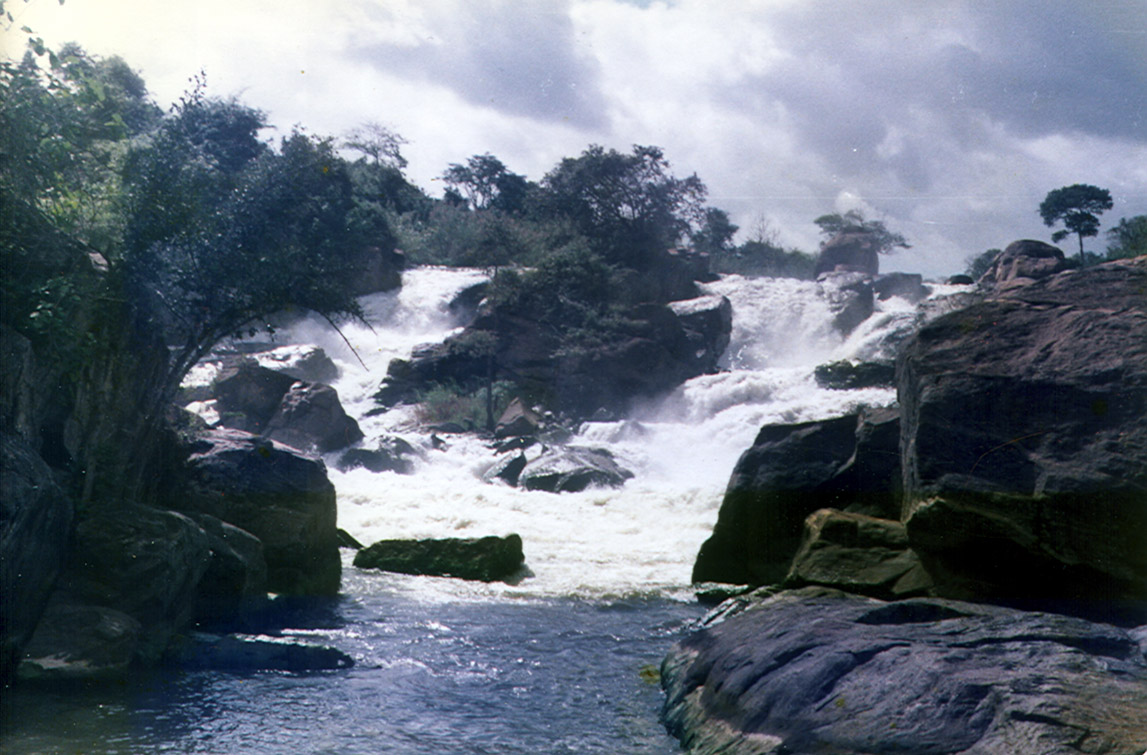
Kapichira Falls – A Hidden Waterfall Gem in Southern Malawi
Discover the thundering beauty of Kapichira Falls, the perfect off‑the‑beaten‑path destination for nature lovers traveling through the Southern Region of Malawi.
Introduction
If you think you’ve seen every waterfall Africa has to offer, think again. Tucked away near the town of Chikwawa in Malawi’s sun‑kissed Southern Region, Kapichira Falls bursts from the landscape with a raw, untamed energy that feels like a secret shared only with those willing to venture a little farther. The roar of water against rock, the mist that kisses your skin, and the surrounding savanna scenery create a sensory experience that’s both exhilarating and deeply calming. Whether you’re a seasoned backpacker, a family on a road‑trip, or a photographer hunting that perfect splash, Kapichira Falls deserves a spot on your Malawi itinerary.
About Kapichira Falls
What makes Kapichira Falls special?
- Location: The falls sit at latitude ‑15.897150 and longitude 34.751814, just a stone’s throw from the Kapichira Dam.
- Type: A classic waterfall that cascades over a series of rocky ledges, feeding the Shire River’s tributaries.
- Cultural significance: Local communities have long regarded the falls as a natural landmark, a place of both utility and reverence. The nearby dam, built in the 1990s, harnesses the river’s power for irrigation and electricity, underscoring the falls’ role in regional development.
A brief history
Kapichira Falls have existed long before modern maps recorded them. The name “Kapichira” is derived from the local Chewa language, hinting at the waterfall’s deep roots in indigenous folklore. In the late 20th century, the construction of the Kapichira Dam (just 0.2 km away) transformed the surrounding area, providing hydro‑electric power that fuels nearby towns while preserving the natural flow that creates the falls. Today, the site balances its historic charm with a modest touch of modern infrastructure, making it both accessible and authentic.
Why it matters
- Ecotourism: The falls attract birdwatchers, hikers, and adventure seekers, contributing to the local economy without compromising the environment.
- Hydrology: As part of the Shire River basin, Kapichira Falls play a role in the water cycle that sustains agriculture across the Southern Region.
- Photography: The mist‑filled backdrop, especially at sunrise or sunset, offers dramatic lighting for landscape photography.
How to Get There
From Lilongwe (the capital)
- Fly or drive to Blantyre – The nearest major city is about 300 km southeast of Kapichira Falls.
- Take the M1 highway southbound toward Chikwawa. The drive from Blantyre to Chikwawa takes roughly 2 hours on a well‑maintained road.
- Turn onto the Kapichira Dam access road – Signage for the dam is clear; follow it for about 2 km, and you’ll see the falls on the right-hand side of the river.
From Blantyre
- By car: Follow the A-1 south to Machinga, then continue on the M1 to Chikwawa. The total distance is ~150 km, about a 2‑hour drive.
- Public transport: Minibuses (known locally as “dala‑dala”) run regularly between Blantyre and Chikwawa. Ask the driver to drop you off at the Kapichira Dam gate; from there, a short walk (≈10 minutes) leads to the falls.
By bike or on foot
For the adventurous, the route from Chikwawa town to the falls is a scenic 5 km trek through savanna grassland and riverine forest. Bring plenty of water and a sturdy pair of shoes—there are occasional river crossings during the rainy season.
Practical tips
- GPS coordinates: Enter ‑15.897150, 34.751814 into any navigation app for pinpoint accuracy.
- Entry fees: There is a modest nominal fee for parking and maintenance, payable at the small kiosk near the dam.
- Facilities: Basic restrooms and a shaded picnic area are available at the dam site.
Best Time to Visit
| Season | Weather | Water Flow | Visitor Experience |
|---|---|---|---|
| Dry (May – October) | Warm, clear skies, low humidity | Moderate – the falls remain impressive but less thunderous | Ideal for hiking, photography, and picnics. Roads are in top condition. |
| Wet (November – April) | Frequent showers, higher humidity | High – the waterfall swells dramatically, creating a spectacular cascade | Perfect for waterfall enthusiasts who love the roar and mist. Some access roads may be muddy; bring waterproof gear. |
Overall recommendation: Late June to early September offers a balanced mix of vibrant flow and comfortable trekking conditions, making it the most popular window for tourists.
What to Expect
The sensory experience
- Sound: The constant rush of water creates a natural white‑noise soundtrack that drowns out city clamor.
- Sight: Depending on the season, the falls range from a graceful ribbon of water to a powerful torrent that crashes into a deep plunge pool.
- Touch: On a windy day, the spray can coat your skin in a refreshing mist—great for a quick cool‑down after a hike.
Activities
- Photography: Capture long‑exposure shots of the flowing water or snap close‑ups of the surrounding flora.
- Picnicking: The shaded area near the dam is perfect for a relaxed lunch with a view.
- Birdwatching: Keep an eye out for kingfishers, bee‑eaters, and the occasional African fish eagle that patrols the river.
- Light trekking: Short trails wind along the riverbank, offering different perspectives of the falls and the surrounding landscape.
Safety
- The rocks can be slippery, especially after rain. Wear sturdy shoes and watch your footing.
- Swimming is not recommended in the plunge pool due to strong currents and hidden rocks.
Nearby Attractions
While Kapichira Falls is the star of the show, the surrounding area offers several complementary sites worth exploring:
- Kapichira Dam – Just 0.2 km away, this hydro‑electric dam provides insight into Malawi’s renewable energy efforts.
- Mudi Dam – Approximately 33.3 km away, another modest dam that offers a quiet spot for fishing and birdwatching.
- Other regional dams – Within a 30‑35 km radius, there are several smaller dams and a natural spring (both roughly 32‑33 km distant). These sites are ideal for a day‑trip road‑trip loop, giving you a taste of the Southern Region’s water management landscape.
Tip: Combine a visit to Kapichira Falls with a drive through the surrounding countryside to experience the agricultural heartland of Malawi, where tea, tobacco, and sugarcane fields stretch to the horizon.
Travel Tips
| Tip | Details |
|---|---|
| Timing | Arrive early (around 8 am) to beat the midday heat and capture the best light for photos. |
| Gear | Bring a waterproof bag for electronics, a hat, sunscreen, and a reusable water bottle. |
| Currency | Malawian Kwacha (MWK) is the local currency. Small cash amounts are useful for entry fees and snacks. |
| Language | English is widely spoken, but learning a few Chewa greetings (“Moni” for hello) goes a long way. |
| Respect the environment | Stick to marked paths, avoid littering, and refrain from feeding wildlife. |
| Health | Carry basic first‑aid supplies; malaria prophylaxis is recommended for the Southern Region. |
| Connectivity | Mobile coverage is decent in Chikwawa, but signal may drop near the falls. Download offline maps beforehand. |
| Local cuisine | Try “nsima” with “chambo” (a local fish) at a nearby eatery for an authentic Malawian meal. |
| Accommodations | Options range from modest guesthouses in Chikwawa to eco‑lodges a short drive away. Book in advance during the high season (June‑September). |
Final Thoughts
Kapichira Falls may not appear on every global travel list, but that’s exactly why it feels like a hidden treasure. Its powerful cascade, easy accessibility from major towns, and proximity to other water‑related attractions make it a versatile stop for any traveler exploring Malawi’s Southern Region. Pack your sense of adventure, respect the natural surroundings, and let the mist of Kapichira Falls refresh both body and spirit.
Ready to add this waterfall to your bucket list? Share your photos with #KapichiraFalls and inspire fellow explorers to discover Malawi’s untamed beauty!