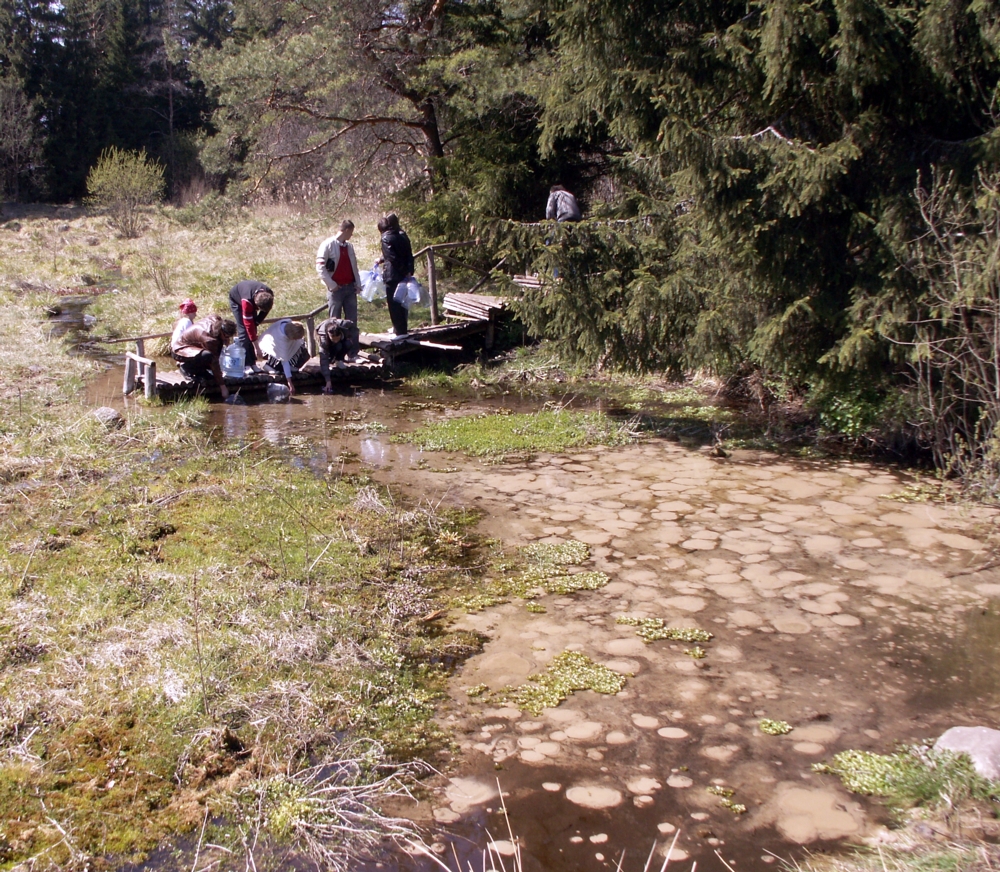
Svilės šaltiniai – Lithuania’s Hidden Spring Oasis
Discover the crystal‑clear waters of Svilės šaltiniai, a pristine spring tucked away in the quiet countryside of Kursenai, Lithuania. Whether you’re a nature lover, a photography enthusiast, or a traveler hunting off‑the‑beaten‑path gems, this 2‑hectare spring will leave you refreshed and inspired.
1. Introduction
Imagine stepping into a natural water‑theatre where more than 100 bubbling vents release cool, mineral‑rich water into a tranquil pond. The sound of gentle gurgles, the scent of fresh earth, and the sight of crystal droplets dancing in the sunlight – this is Svilės šaltiniai, one of Lithuania’s most captivating springs. Hidden in the heart of Kursenai, the spring’s modest size belies its impressive flow: roughly 41 liters per second of underground water surge through a network of “versmės” (small spring vents). For travelers seeking an authentic Lithuanian nature experience away from the crowds, Svilės šaltiniai is a must‑visit.
2. About Svilės šaltiniai
What Is It?
- Type: Natural spring (spūdinis požeminis vanduo)
- Location: Kursenai, Lithuania – coordinates 55.840332, 22.941772
- Area: Approximately 2 ha (about the size of three football fields)
- Flow: Over 100 vents of varying sizes, delivering a combined 41 L/s
The spring’s water emerges from deep underground aquifers, creating a series of small pools and streams that interlace across the meadow. The term versmė refers to each individual vent or “spout” where water surfaces, and at Svilės šaltiniai they appear like tiny fountains, some barely a few centimeters wide, others broad enough to form mini‑waterfalls.
A Brief History
While detailed historical records are scarce, local folklore ties the spring to ancient Lithuanian traditions of water reverence. In the past, villagers used the spring’s pure water for drinking, livestock, and even ritual cleansing. Its name, Svilės, is thought to stem from the Lithuanian word svilti (“to shine”), reflecting the sparkling appearance of the water as it catches the sun.
Why It Matters
Svilės šaltiniai is more than a picturesque spot; it’s an ecological hotspot. The constant flow sustains a unique micro‑habitat for amphibians, insects, and plant species that thrive in moist conditions. Moreover, the spring contributes to the local groundwater balance, supporting agriculture and nearby ecosystems. For conservationists, the site serves as a living laboratory for studying subterranean water dynamics in the Baltic region.
3. How to Get There
By Car
- From Vilnius: Take the A2 highway toward Kaunas, then follow signs for Kursenai (approximately 140 km, ~2 h 15 min). Once you reach the village, turn right onto the local road leading to the spring—look for a small wooden sign with “Svilės šaltiniai”.
- From Kaunas: Drive north on the A1, then switch to the E85 toward Šiauliai. After about 120 km, exit toward Kursenai. Parking is available in a designated lot near the spring’s entrance.
By Public Transport
- Bus: Regional bus line #212 runs from Kaunas to Kursenai twice daily. Get off at the Kursenai Central Stop, then walk 1.5 km north along the country road (signposted). The walk takes roughly 20 minutes and offers a pleasant countryside stroll.
- Train: The nearest railway station is Kursenai Station on the Kaunas–Šiauliai line. From the station, a short taxi ride (≈5 km) will drop you off at the spring’s parking area.
By Bike or Foot
If you enjoy active travel, the Kursenai Nature Trail (marked in green on local maps) passes within 500 m of Svilės šaltiniai. The trail is relatively flat and suitable for mountain bikes or hiking shoes.
Practical Details
| Item | Detail |
|---|---|
| Coordinates | 55.840332 N, 22.941772 E |
| Entrance fee | Free (donations welcome) |
| Opening hours | Open year‑round, sunrise to sunset |
| Facilities | Portable toilets, a small picnic table, and a information board (Lithuanian & English) |
| Wi‑Fi | No public Wi‑Fi; mobile signal is generally good |
4. Best Time to Visit
| Season | Highlights |
|---|---|
| Spring (April‑June) | Snowmelt boosts water flow; wildflowers carpet the meadow, making photo opportunities spectacular. |
| Summer (July‑August) | Warm days are perfect for picnics; the water stays cool, offering a refreshing respite from the heat. |
| Autumn (September‑October) | Golden foliage frames the spring; water flow steadies, creating mirror‑like reflections. |
| Winter (November‑March) | A quiet, almost mystical scene with ice‑capped vents; only accessible with proper footwear and caution. |
Peak recommendation: Late May to early September for the most vibrant scenery and comfortable weather. Early spring is also ideal for bird‑watchers as migratory species pass through the area.
5. What to Expect
Sensory Experience
- Sight: Over a hundred sparkling vents, each releasing a thin ribbon of water. The surrounding meadow is a patchwork of green grasses, occasional birch trees, and colorful wildflowers.
- Sound: A soothing chorus of gentle burbles, reminiscent of a distant brook. The soundscape is especially calming during early morning or dusk.
- Touch: The water is crystal‑clear and naturally chilled (≈10‑12 °C). You can dip your fingers into a vent or sit on a smooth stone to feel the cool flow.
- Smell: Fresh, earthy aromas dominate, with a hint of pine from nearby trees.
Activities
- Photography: The interplay of light on water droplets creates stunning macro shots. Use a polarizing filter to reduce glare and capture the vivid blues.
- Picnicking: Bring a blanket and local Lithuanian snacks (e.g., kibinai or šakotis). The designated picnic table offers a perfect spot to enjoy the view.
- Birdwatching: Early mornings attract species such as the Eurasian reed warbler and the common kingfisher.
- Educational Visits: The on‑site information board explains the spring’s geology and its role in the local ecosystem—great for families and school groups.
Safety
The terrain around the vents can be slippery, especially after rain. Wear sturdy shoes with good grip, and keep children supervised near the water. In winter, ice may form on the vent edges; avoid stepping on frozen surfaces.
6. Nearby Attractions
While Svilės šaltiniai is the star, the surrounding countryside offers several points of interest within a short drive. These spots are perfect for extending your day trip or creating a nature‑filled itinerary.
| Attraction | Distance from Svilės šaltiniai | Description |
|---|---|---|
| Dam 1 | 2.0 km | A modest earthen dam that creates a tranquil reservoir—ideal for a quick walk or bird spotting. |
| Dam 2 | 2.8 km | Surrounded by pine groves, this dam offers a scenic viewpoint over the water’s surface. |
| Dam 3 | 3.0 km | Features a small wooden footbridge; a favorite spot for local anglers. |
| Dam 4 | 4.4 km | A historic water‑management structure dating back to the early 20th century. |
| Dam 5 | 4.5 km | Nestled in a meadow, this dam provides a quiet place for meditation and photography. |
Note: Detailed information and maps for each dam can be found on the regional tourism website.
7. Travel Tips
- Arrive Early – The spring is popular among locals on weekends; arriving before 10 am ensures a peaceful experience and better parking.
- Pack Light, Pack Smart – Bring a reusable water bottle (the spring water is safe to drink after a quick filter), a lightweight rain jacket, and a small first‑aid kit.
- Respect the Environment – Stay on marked paths, avoid stepping into the vents, and take any litter with you. The area is a protected natural site.
- Photography Gear – A macro lens (or a clip‑on macro attachment) captures the delicate water droplets. A tripod is useful for low‑light shots at sunrise or sunset.
- Local Cuisine – After your visit, stop at the nearby village café for traditional Lithuanian dishes such as cepelinai (potato dumplings) or fresh kefyras.
- Currency & Payments – Lithuania uses the Euro (€). Most small establishments accept card payments, but carrying a few cash notes is handy for rural vendors.
- Language – Lithuanian is the official language; however, many locals understand basic English, especially in tourist areas. A few polite phrases in Lithuanian (“Labas!” – Hello, “Ačiū” – Thank you) go a long way.
Wrap‑Up
Svilės šaltiniai may be a modest spring on the map, but its natural charm, soothing ambiance, and authentic Lithuanian atmosphere make it a hidden treasure worth seeking out. Whether you’re planning a day trip from Vilnius, a weekend nature escape, or a photography adventure, this spring offers a refreshing slice of Baltic serenity. Pack your camera, lace up your boots, and let the gentle flow of Svilės šaltiniai revitalize your travel spirit.
Happy exploring!