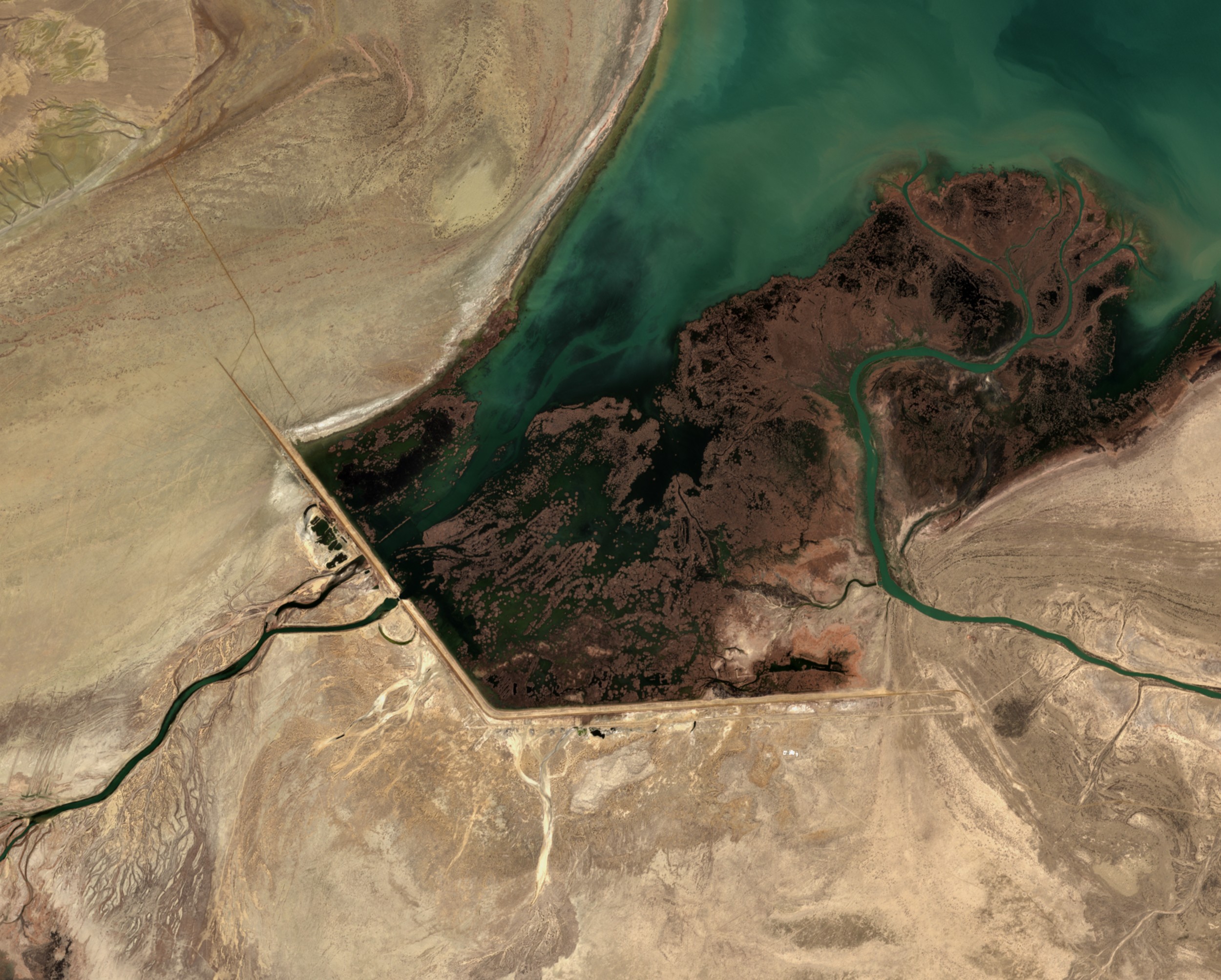
Dike Kokaral – The Hidden Engineering Marvel of Qyzylorda, Kazakhstan
Discover the story, scenery, and travel tips for one of Central Asia’s most intriguing dams.
Introduction
If you picture Kazakhstan as endless steppes, towering mountains, and glittering cities, you might overlook the quiet, purposeful structures that shape the country’s water landscape. Nestled near the town of Sekseuil in the Qyzylorda Region, Dike Kokaral (also known as the Kokaral Dam) is a modest‑sized dam that plays a pivotal role in the Aral Sea basin. While it doesn’t boast the height of the world’s famous hydro‑engineering feats, its strategic location at 46.108827 N, 60.802728 E makes it a must‑see for travelers who crave off‑the‑beaten‑path experiences and a deeper understanding of Kazakhstan’s environmental challenges and triumphs.
In this guide, we’ll take you through everything you need to know before you set foot on the banks of Dike Kokaral—from its historical background to practical travel logistics, the best seasons to visit, what you’ll see on site, nearby attractions, and insider tips to make your journey smooth and memorable.
About Dike Kokaral
A Brief Description
Dike Kokaral is a dam situated in the small settlement of Sekseuil, just a short drive from the regional capital of Qyzylorda. Though the exact height and altitude of the structure are not publicly documented, the dam’s primary purpose is to regulate water flow between the North Aral Sea and the surrounding desert plains. Its construction is part of a broader effort to restore the Aral Sea—once the world’s fourth‑largest inland lake, now famously diminished due to Soviet‑era water diversion.
Historical Context
The dam’s origins trace back to the early 2000s when Kazakhstan, together with international partners, launched a series of water‑management projects aimed at reviving the North Aral Sea. By building a barrier across the Kokaral Peninsula, engineers were able to trap freshwater inflows from the Syr Darya River, allowing the sea’s water level to rise gradually. Dike Kokaral became a linchpin in this ecological rehabilitation, turning a once‑deserted shoreline into a burgeoning habitat for fish, birds, and even limited tourism.
Why It Matters
- Environmental Impact: The dam has helped raise the North Aral Sea’s water level by several meters, supporting fisheries and improving local micro‑climates.
- Economic Benefits: Revitalized fishing communities now generate income, and the dam’s presence has spurred modest tourism—especially among eco‑travelers and engineering enthusiasts.
- Cultural Significance: For residents of Qyzylorda, Dike Kokaral symbolizes resilience and the country’s commitment to restoring one of its most iconic natural landmarks.
For a concise encyclopedia overview, see the Wikipedia entry on Dike Kokaral.
How to Get There
By Air
The nearest major airport is Qyzylorda International Airport (KZO), located about 30 km north of the dam. Several domestic flights connect Qyzylorda with Almaty, Nur‑Sultan (Astana), and other regional hubs. Once you land, you have a few options to reach Sekseuil:
- Taxi – A reliable, metered taxi from the airport to the dam will cost roughly 2,500–3,000 KZT (≈ $6–$7 USD) and takes about 40 minutes.
- Ride‑Sharing Apps – Services like Yandex.Taxi operate in Qyzylorda and often provide slightly cheaper rates.
By Train
Kazakhstan’s extensive rail network includes a line that stops at Qyzylorda Railway Station. From the station, you can catch a local minibus (marshrutka) or arrange a private transfer to Sekseuil. The train ride from Almaty to Qyzylorda lasts around 12 hours, offering scenic views of the steppe.
By Car
Renting a car gives you the most flexibility, especially if you plan to explore nearby attractions. The route from Qyzylorda city center to Dike Kokaral is straightforward:
- Head east on A2 (M32) highway toward the Aral Sea.
- After about 20 km, look for the sign pointing to Sekseuil and turn left onto the local road.
- Follow the road for another 5 km; the dam is visible from the main roadway, marked by a small parking area and informational signage.
Road conditions are generally good, but be prepared for occasional dust and sand, especially during dry months.
Best Time to Visit
Kazakhstan experiences a continental climate, meaning hot summers and cold winters. For Dike Kokaral, the most pleasant visiting windows are:
| Season | Typical Weather | Why It’s Ideal | Activities |
|---|---|---|---|
| Spring (April‑May) | Mild temperatures (10‑20 °C), occasional rain | Water levels are rising, bird migrations begin | Birdwatching, photography |
| Autumn (September‑October) | Cool, dry (15‑22 °C) | Clear skies, comfortable walking conditions | Sunset walks, local cultural tours |
| Summer (June‑August) | Warm to hot (25‑35 °C) | Longer daylight hours, vibrant local festivals | Picnic by the water, guided eco‑tours |
| Winter (November‑March) | Cold (−5 to −20 °C), occasional snow | Very low visitor numbers, stark landscapes | Ice‑formation photography (for the adventurous) |
Tip: The spring and autumn periods offer the best combination of comfortable weather and active wildlife, making them the top recommendations for most travelers.
What to Expect
The Landscape
Approaching Dike Kokaral, you’ll first notice the vast, flat steppe stretching toward the horizon, punctuated by low, scrubby vegetation. The dam itself is a low‑lying earth‑filled barrier, reinforced with concrete spillways. From the modest observation platform, you can gaze across the North Aral Sea, whose turquoise‑green waters contrast sharply with the surrounding desert tones.
On‑Site Experience
- Educational Signage – Panels explain the dam’s role in water management, the history of the Aral Sea’s decline, and ongoing restoration efforts.
- Birdwatching Opportunities – The area attracts pelicans, terns, and various waders during migration seasons. Bring binoculars for a rewarding experience.
- Photography – The dam’s geometric lines against the open sky make for striking compositions, especially at sunrise or sunset when the light paints the water in golden hues.
- Local Interaction – Small fishing villages dot the shoreline. Friendly locals often share stories about how the dam changed their livelihoods, offering a human perspective on the engineering project.
Facilities
Facilities are modest: a small parking lot, restrooms, and a shaded bench area. There are no cafes or souvenir shops directly at the dam, so consider packing a light snack and water—especially during the hotter months.
Nearby Attractions
While Dike Kokaral is the star of the day, the surrounding region offers additional points of interest that can round out a full‑day itinerary.
| Attraction | Distance from Dike Kokaral | Description |
|---|---|---|
| Unnamed Dam (2.7 km away) | 2.7 km | A smaller water‑control structure that provides insight into the network of dams supporting the Aral Sea’s recovery. |
| Unnamed Dam (21.2 km away) | 21.2 km | Another engineering site further east, showcasing varied dam designs used across the region. |
| Фонтан (Fountain) (100.6 km away) | 100.6 km | A decorative public fountain located in a nearby town, offering a pleasant stop for a break and photo opportunity. |
Because the exact names of the nearby dams are not listed in public sources, we refer to them by their distance and type. Travelers can ask locals for directions or use GPS coordinates to locate them.
Travel Tips
- Carry Cash – Small towns around Qyzylorda often accept cash only. The local currency is the Kazakhstani Tenge (KZT).
- Dress in Layers – Even in summer, evenings can become cool. Light jackets are advisable.
- Sun Protection – The steppe sun is strong; bring sunscreen, a hat, and sunglasses.
- Stay Hydrated – Bring plenty of water, especially if you plan to hike or walk for extended periods.
- Respect the Environment – The area is part of an ongoing ecological restoration. Avoid littering and stay on marked paths.
- Language – Kazakh and Russian are the primary languages. Learning a few basic phrases (e.g., “Сәлеметсіз бе?” – “Hello”) can go a long way.
- Connectivity – Mobile coverage is generally good in Qyzylorda, but signal may drop near the dam. Download offline maps beforehand.
- Guided Tours – Several local operators in Qyzylorda offer short eco‑tours that include Dike Kokaral, bird‑watching, and visits to nearby fishing villages. Booking a guide can enrich your understanding of the dam’s impact.
Wrap‑Up
Dike Kokaral may not be a towering monument, but its quiet significance in Kazakhstan’s environmental story makes it a compelling stop for curious travelers. Whether you’re an engineering enthusiast, a bird lover, or simply a wanderer seeking authentic experiences off the usual tourist trail, the dam offers a blend of history, nature, and local culture that is hard to find elsewhere.
Plan your journey, respect the delicate landscape, and you’ll leave with not only stunning photos but also a deeper appreciation for the resilience of the Kazakh steppe and its people. Safe travels!