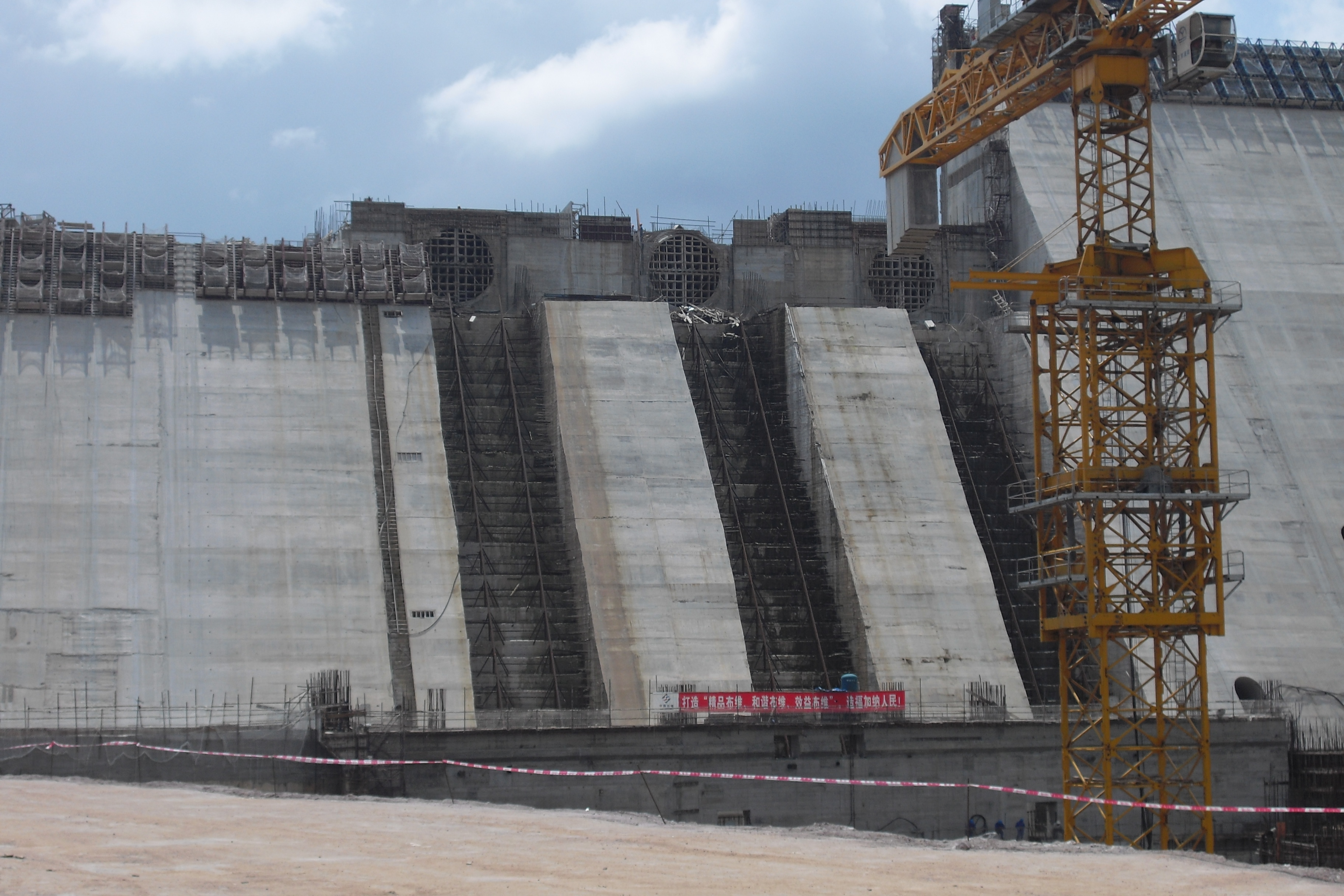
Bui Dam, Brong‑Ahafo, Ghana – A Hidden Gem for Adventure‑Seekers
Explore the spectacular reservoir, lush surroundings, and nearby waterfalls that make Bui Dam a must‑visit destination in Ghana.
1. Introduction
If you think Ghana’s attractions are limited to bustling Accra streets or the historic Cape Coast Castle, think again. Nestled in the rolling hills of Kintampo, Bui Dam offers a serene escape where turquoise waters meet verdant forest, and the hum of turbines blends with the calls of tropical birds. Whether you’re a nature lover, a photography enthusiast, or simply craving a road‑trip off the beaten path, Bui Dam delivers a refreshing slice of Ghanaian wilderness that’s still under the radar of most tourists.
2. About Bui Dam
Bui Dam is a large hydro‑electric dam located in the Kintampo area of the Brong‑Ahafo region (coordinates 8.279146, ‑2.236292). Constructed to harness the flow of the Black Volta River, the dam plays a crucial role in Ghana’s power grid, supplying clean energy to millions of homes and businesses.
History & Significance
- Construction: The dam project began in the early 2000s as part of Ghana’s strategy to diversify its energy sources and reduce reliance on fossil fuels.
- Economic Impact: Beyond electricity generation, the reservoir created by Bui Dam has boosted local fisheries, agriculture, and tourism, providing new livelihoods for nearby communities.
- Environmental Value: The expansive lake, surrounded by forested hills, has become a haven for wildlife, including waterbirds, monkeys, and a variety of fish species.
While the exact height and altitude of the structure are not publicly disclosed, the sheer scale of the reservoir—spanning several kilometers—makes it one of the most impressive engineering feats in West Africa.
3. How to Get There
By Air
The nearest major airport is Kumasi International Airport (KMS), about 150 km (≈ 2‑hour drive) from Bui Dam. From Accra’s Kotoka International Airport, you can catch a domestic flight to Kumasi, then continue by road.
By Road
- From Kumasi: Take the N6 highway north toward Kintampo. After passing the town of Kintampo, follow the signposts for “Bui Dam” – the turnoff is well marked, and the final 15 km are a scenic, paved stretch.
- From Accra: The journey is longer (≈ 5‑6 hours). Drive north on the N1 to Tema, then continue on the N6 through Kumasi and onward to Kintampo.
Public Transport
Regional “trotros” (minibuses) run regularly between Kumasi, Kintampo, and smaller towns like Bui. Ask the driver for a drop‑off at the Bui Dam gate; most drivers are familiar with the route and will gladly accommodate tourists.
Getting Around the Site
Parking is available at the main visitor area. From there, a short walk (or a short drive in a rented 4×4) takes you to the lake’s edge, the viewing platform, and the picnic spots.
4. Best Time to Visit
Ghana’s climate is tropical, with two main seasons: wet (April–October) and dry (November–March).
- Dry Season (Nov–Mar) – Ideal for clear skies, calm waters, and comfortable hiking conditions. The temperature hovers around 28‑32 °C, perfect for boat rides and photography.
- Early Wet Season (April–June) – The reservoir swells, creating dramatic reflections and lush green surroundings. Expect occasional showers, but they rarely last long.
- Peak Wet Season (July–Oct) – Heavy rains can make some access roads muddy and limit visibility. If you love the sound of rain on the water and don’t mind a few puddles, this period offers a mystical atmosphere.
Recommendation: For the best blend of weather, water level, and wildlife activity, aim for late November to early March.
5. What to Expect
Scenic Views
The reservoir stretches over a broad, mirror‑like surface, framed by gentle hills cloaked in tropical forest. Sunrise paints the water gold, while sunset casts a violet hue across the sky—perfect moments for landscape photographers.
Activities
- Boat Tours – Small motorboats are available for hire at the visitor center. Glide across the lake, spot waterbirds, and enjoy the gentle sway of the water.
- Fishing – The dam supports a thriving fish population. Local anglers often welcome visitors to try their hand at catching tilapia or catfish.
- Picnicking & Barbecue – Designated picnic tables and shaded areas make for a relaxed lunch with a view.
- Birdwatching – Look out for kingfishers, herons, and the occasional African fish eagle.
Facilities
- Visitor Center – Offers basic information, restroom facilities, and a small souvenir shop selling locally made crafts.
- Safety – Lifeguard stations are present near the main swimming zones. Follow posted signs and respect the dam’s operational areas.
6. Nearby Attractions
While Bui Dam is the star of the show, the surrounding Brong‑Ahafo region hides several other natural wonders within a short drive.
| Attraction | Type | Distance from Bui Dam | Quick Link |
|---|---|---|---|
| Unnamed Dam #1 | Dam | 2.5 km | Explore |
| Unnamed Dam #2 | Dam | 4.6 km | Explore |
| Unnamed Dam #3 | Dam | 5.0 km | Explore |
| Nchiraa Waterfalls | Waterfall | 50.3 km | Visit Nchiraa |
| Fuller Waterfalls | Waterfall | 53.0 km | Visit Fuller |
Tip: Combine a day at Bui Dam with a trip to Nchiraa Waterfalls or Fuller Waterfalls for a full‑day adventure of water, forest, and photography. The drives are scenic, winding through cocoa farms and small villages where you can stop for a quick snack of local palm wine or roasted plantain.
7. Travel Tips
| Tip | Why It Matters |
|---|---|
| Carry Cash | Small vendors, boat rentals, and entrance fees often accept only cash (GHS). |
| Dress Light, Bring a Hat | The sun can be intense, especially during the dry season. |
| Stay Hydrated | Bring at least 2 liters of water per person; refill stations are limited. |
| Use Insect Repellent | Mosquitoes are present near the water, especially after rains. |
| Respect Local Communities | Ask permission before photographing residents; many villages are nearby. |
| Check Road Conditions | During the rainy season, some access roads may be slick—consider a 4×4. |
| Plan for Power Outages | While the dam supplies electricity to the grid, the visitor center may experience occasional outages. Bring a portable charger. |
| Leave No Trace | Pack out all trash; the area is a protected watershed. |
Conclusion
Bui Dam may not yet have the fame of Ghana’s coastal attractions, but its tranquil waters, striking scenery, and proximity to hidden waterfalls make it a standout destination for travelers seeking authentic, nature‑focused experiences. From sunrise boat rides to afternoon picnics and day‑trips to nearby waterfalls, the Brong‑Ahafo region offers a refreshing escape that blends engineering marvels with natural beauty.
Pack your camera, hit the road, and let Bui Dam reveal a side of Ghana that few tourists get to see.
Keywords: Bui Dam, Brong‑Ahafo travel, Kintampo dam, Ghana tourism, waterfall near Bui Dam, Nchiraa Waterfalls, Fuller Waterfalls, Ghana road trip, hydro‑electric dam Ghana, things to do in Brong‑Ahafo.

