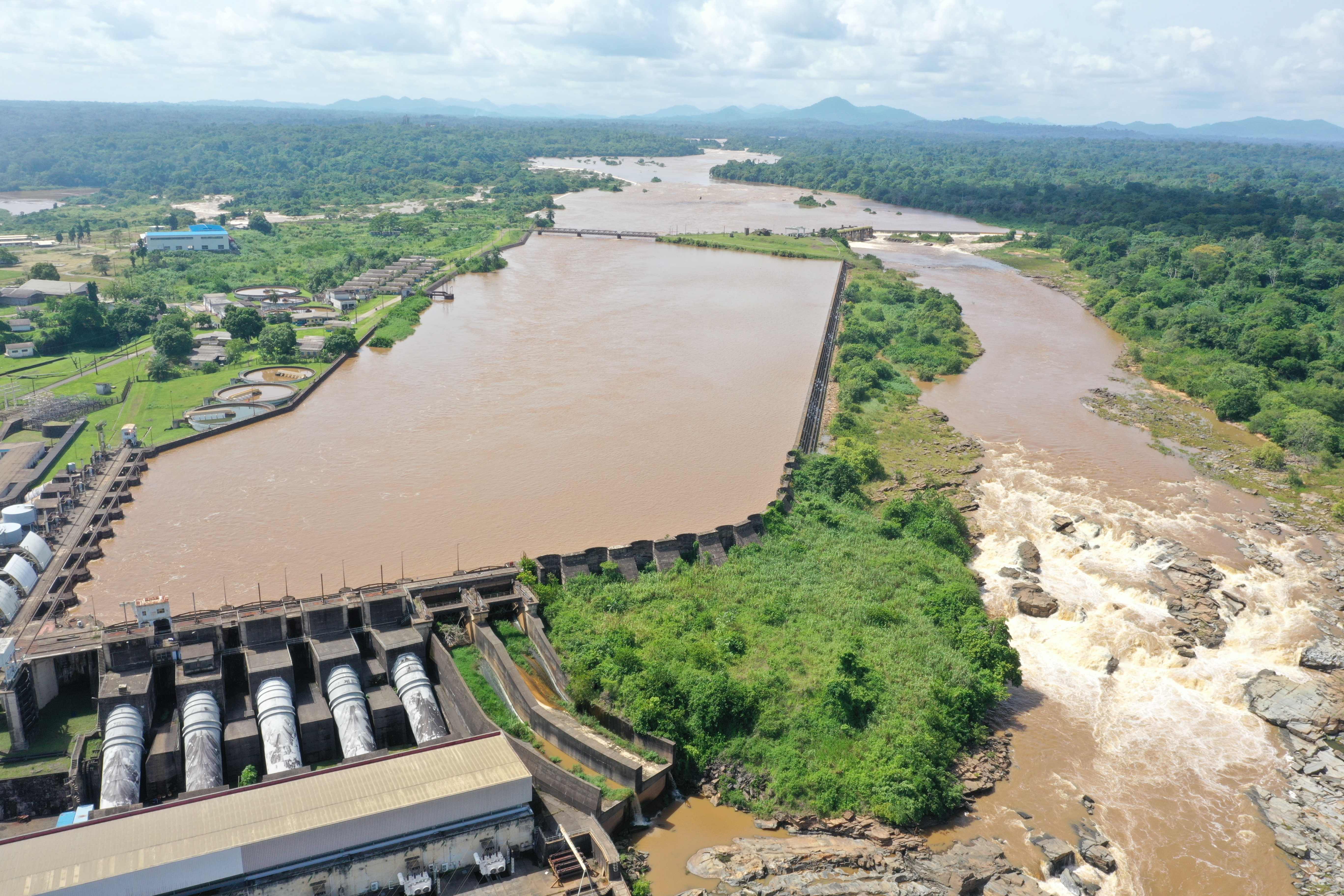
Discover the Hidden Power of Barrage hydroélectrique d'Édéa – A Must‑Visit Dam in Cameroon’s Littoral Region
If you think Cameroon’s attractions are limited to bustling markets and pristine beaches, think again. Nestled on the banks of the Sanaga River, the Barrage hydroélectrique d'Édéa offers a unique blend of engineering marvel, natural beauty, and local culture that every adventurous traveler should experience.
1. Introduction
Imagine standing beside a massive concrete wall that not only tames a mighty river but also powers an entire region. The Barrage hydroélectrique d'Édéa—often simply called the Edea Dam—does exactly that. While many visitors flock to Cameroon’s famous national parks and volcanic peaks, this impressive hydroelectric dam in the Littoral region remains an under‑the‑radar gem. Whether you’re a photography enthusiast, a curious traveler, or a sustainability aficionado, the dam’s dramatic scenery and its role in Cameroon’s energy landscape make it a compelling stop on any Central African itinerary.
2. About Barrage hydroélectrique d'Édéa
A Brief Overview
- Location: Edea, Littoral, Cameroon
- Coordinates: 3.813338 N, 10.128057 E
- Type: Hydroelectric dam (🏗️)
- Primary Function: Generates renewable electricity for the Littoral region and beyond
The Barrage hydroélectrique d'Édéa was built to harness the flow of the Sanaga River, the longest river entirely within Cameroon. Though the exact height and altitude of the structure are not publicly disclosed, its sheer scale is evident when you approach the site. The dam is a crucial component of the country’s push toward sustainable energy, feeding power into the national grid and supporting industrial activities in the nearby port city of Douala.
Historical Significance
Construction of the dam began in the latter half of the 20th century as part of Cameroon’s broader strategy to diversify its energy sources. Since its commissioning, the Edea Dam has become a symbol of progress for the Littoral region, helping to reduce reliance on fossil fuels and providing a stable electricity supply for homes, businesses, and the growing manufacturing sector in the area.
Why It Matters
- Renewable Energy: The dam contributes significantly to Cameroon’s renewable energy portfolio.
- Economic Boost: Reliable power has attracted investment in the region, especially in agro‑industry and logistics.
- Tourism Potential: Its striking engineering design and surrounding riverine landscape offer photo‑ops and educational opportunities.
3. How to Get There
By Air
The nearest international gateway is Douala International Airport (DLA), just 45 km north of Edea. From the airport, you can rent a car, arrange a private transfer, or hop on a shared taxi heading toward the town of Edea.
By Road
- From Douala: The most straightforward route is the N3 highway, a well‑maintained road that runs south‑west toward Edea. The drive takes roughly 45 minutes, depending on traffic.
- From Yaoundé: The capital lies about 200 km east of Edea. Take the N1 to Douala, then follow the N3 to the dam. Expect a 3‑hour journey.
Public Transport
- Buses & “Marshrutkas”: Several regional bus lines connect Douala and Edea daily. Ask the driver to drop you off at the Edea market; from there, a short tuk‑tuk ride (≈ 10 minutes) will bring you to the dam’s visitor area.
- Taxi‑brousse: Shared minibusses are a budget‑friendly option. They usually stop near the Sanaga River bridge, a convenient landmark for navigating to the dam.
By Boat
For the adventurous, river trips from Douala up the Sanaga River are occasionally organized by local tour operators. This scenic approach lets you see the dam from the water—a perspective few tourists experience.
4. Best Time to Visit
Cameroon’s climate varies, but the Littoral region enjoys a tropical monsoon pattern:
| Season | Months | What to Expect | Travel Tips |
|---|---|---|---|
| Dry Season | November – February | Clear skies, lower humidity, excellent visibility for photography. | Pack light clothing, sunscreen, and a hat. |
| Short Dry Spell | June – August | Slightly cooler, occasional showers. | Bring a light rain jacket; waterfalls are more vibrant. |
| Rainy Season | March – May & September – October | Heavy rains, higher river flow, lush green surroundings. | Ideal for waterfall enthusiasts; be prepared for muddy roads. |
Optimal visit window: Late November to early February offers the most comfortable weather and the best conditions for exploring the dam and nearby attractions.
5. What to Expect
The Dam Experience
Arriving at the Barrage hydroélectrique d'Édéa, you’ll first notice the massive concrete wall stretching across the river, punctuated by spillways that roar during high flow. A modest visitor platform provides safe viewing distances, while informational panels (mostly in French) explain the dam’s operation and its impact on Cameroon’s power grid.
- Photography: Capture the contrast between the industrial structure and the surrounding tropical foliage. Sunrise and sunset cast golden hues on the water, creating spectacular reflections.
- Educational Value: Guides occasionally lead short tours, describing turbine mechanics, water management, and local environmental initiatives.
Surrounding Environment
The Sanaga River’s banks are lined with dense mangroves and low‑lying savanna, offering bird‑watching opportunities. Keep an eye out for kingfishers, herons, and the occasional African fish eagle. The gentle river breeze makes the area pleasant for a leisurely walk or a picnic.
Facilities
- Restrooms: Basic facilities are available near the visitor area.
- Refreshments: Small kiosks sell bottled water, local snacks (like plantain chips), and cold drinks.
- Safety: Swimming is prohibited near the dam for obvious safety reasons; however, designated viewing points are well‑marked.
6. Nearby Attractions
While the Barrage hydroélectrique d'Édéa is the star of the day, the surrounding Littoral region offers several other points of interest within a short drive:
| Attraction | Distance from Dam | Type | Quick Link |
|---|---|---|---|
| Unnamed Dam | 0.8 km | Dam | View on Map |
| Unnamed Weir | 0.9 km | Weir | View on Map |
| Second Unnamed Weir | 1.5 km | Weir | View on Map |
| Third Unnamed Dam | 30.9 km | Dam | View on Map |
| Chutes de Dehanè | 35.6 km | Waterfall | Chutes de Dehanè – Wikipedia |
Tip: The Chutes de Dehanè waterfall is a perfect half‑day excursion after visiting the dam. The drive takes you through scenic villages and lush countryside, culminating in a spectacular cascade that’s especially powerful during the rainy season.
7. Travel Tips
- Language: French is the official language in Cameroon’s Littoral region. Knowing a few basic phrases (e.g., Bonjour, Merci, Où est…?) will smooth interactions.
- Currency: The Central African CFA franc (XAF) is used nationwide. Carry cash for small purchases; ATMs are available in Douala and Edea.
- Safety: The dam area is generally safe, but always stay within designated zones and follow any posted instructions.
- Health: Mosquitoes thrive near riverbanks. Apply insect repellent and consider prophylactic anti‑malaria medication if you’re traveling from a non‑endemic area.
- Dress Code: Light, breathable clothing is ideal. However, bring a modest layer for cooler evenings and for visiting nearby villages where conservative dress is appreciated.
- Photography Etiquette: Ask permission before photographing locals, especially in rural communities.
- Timing: Arrive early (around 8 am) to avoid crowds and enjoy the soft morning light on the dam’s façade.
- Guided Tours: While not mandatory, hiring a local guide can enrich your visit with stories about the dam’s construction, its role in Cameroon's energy policy, and insider tips on hidden viewpoints.
Final Thoughts
The Barrage hydroélectrique d'Édéa may not appear on every travel brochure, but it embodies the spirit of modern Cameroon—where natural resources meet innovative engineering. From the roar of turbines to the tranquil riverbanks, the dam offers a multifaceted experience that appeals to eco‑travelers, history buffs, and photographers alike. Pair it with a visit to the nearby Chutes de Dehanè and you’ve got a full day of unforgettable sights in the heart of the Littoral region.
Pack your camera, bring an open mind, and let the power of the Sanaga River inspire your next African adventure!
Keywords: Barrage hydroélectrique d'Édéa, Edea dam, hydroelectric dam Cameroon, Littoral region attractions, travel to Edea, Cameroon travel guide, Sanaga River dam, Chutes de Dehanè waterfall, eco‑tourism Cameroon.