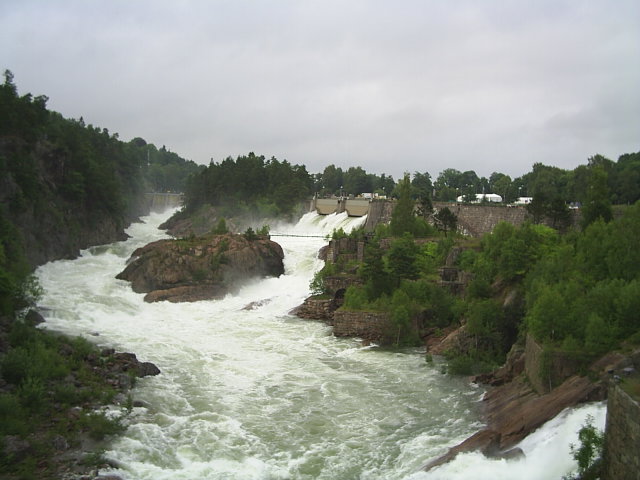
Trollhättefallen – Sweden’s Mighty Waterfall in the Heart of Västra Götaland
If you’ve ever dreamed of standing where the roar of water meets the pulse of a historic town, Trollhättefallen in Trollhättan, Västra Götaland, is the place to make that dream a reality.
1. Introduction
Nestled on the banks of the Göta River, Trollhättefallen is more than just a waterfall – it’s a living piece of Swedish engineering heritage, a natural spectacle, and a photographer’s playground all rolled into one. Whether you’re a seasoned traveler chasing Scandinavia’s hidden gems or a first‑time visitor to Sweden’s west coast, the thundering cascade of Trollhättefallen promises an unforgettable encounter with raw water power and a backdrop of charming town life.
2. About Trollhättefallen
A Brief Description
- Location: Trollhättan, Västra Götaland, Sweden
- Coordinates: 58.281748 N, 12.277977 E
- Type: Waterfall (part of the Göta River’s historic rapids)
Trollhättefallen is the collective name for the series of rapids that tumble over a rocky sill in the Göta River. While the exact height of the falls isn’t officially recorded, the sheer volume of water that rushes through the gorge creates a dramatic, mist‑filled spectacle that can be felt from the riverbanks.
Historical Significance
For centuries, the falls acted as a natural barrier to navigation, prompting Swedish engineers to carve out the Trollhättan Canal and construct a series of locks in the 19th century. The nearby Trollhättan Dam (just 100 m downstream) harnesses the falls’ power, feeding hydro‑electric plants that have fueled the region’s industry for over a century. This blend of natural force and human ingenuity makes Trollhättefallen a symbol of Sweden’s industrial evolution and a beloved landmark for locals.
Why It Matters
- Scenic Beauty: The constant roar and spray create rainbows on sunny days, perfect for landscape photography.
- Cultural Hub: The falls sit adjacent to the town’s vibrant waterfront, where cafés, museums, and art installations celebrate the region’s heritage.
- Eco‑Adventure: The surrounding riverbanks are ideal for walking, bird‑watching, and exploring nearby water‑related attractions.
3. How to Get There
| Mode of Transport | Details |
|---|---|
| By Train | Trollhättan Central Station (Trollhättan C) is on the Västra Götaland rail line. From Stockholm or Gothenburg, direct SJ or Öresundståg services arrive in ~2–3 hours. The station is a 15‑minute walk to the falls. |
| By Car | Take the E45 north from Gothenburg and exit at Trollhättan. Follow signs for “Trollhättefallen” or “Göta River”. Parking is available at the Rådhusparken lot (free, limited spaces). |
| By Bus | Västtrafik buses 30, 31, and 32 stop at “Trollhättefallen” near the riverfront. Check the latest timetable on the Västtrafik app. |
| By Bike | Sweden’s national bike route EuroVelo 1 passes through Trollhättan. The flat riverside path makes for a leisurely ride to the falls. |
| By Foot | If you’re staying in the town centre, the falls are a 10‑minute walk along the well‑marked Göta River promenade. |
Pro tip: Grab a ticket for the Göta Canal boat tour at the nearby dock – you’ll get a close‑up view of the falls from the water and learn more about the canal’s history.
4. Best Time to Visit
| Season | What to Expect | Why It’s Ideal |
|---|---|---|
| Late Spring (May–June) | Water flow begins to swell from snowmelt; temperatures are mild (10‑15 °C). | Lush greenery and vibrant wildflowers frame the falls, making for colorful photos. |
| Summer (July–August) | Peak water volume, longest daylight (up to 18 h). | Ideal for boat tours, picnics on the riverbank, and evening festivals. |
| Early Autumn (September–October) | Water levels remain strong; foliage turns golden. | Cooler crowds, spectacular autumn colors, and comfortable hiking weather. |
| Winter (December–February) | Flow may reduce, occasional ice formations; the falls take on a mystical, misty look. | For the adventurous traveler who enjoys quiet, atmospheric landscapes and possible northern lights sightings on clear nights. |
Insider tip: The mid‑summer months (late July) often host the “Trollhättan Water Festival,” featuring live music, local food stalls, and fireworks over the falls. Check the town’s event calendar before you travel.
5. What to Expect
When you arrive at Trollhättefallen, the first thing you’ll notice is the continuous roar of water crashing against the rocky ledge. The sound alone is enough to make you feel the power of the Göta River. Here’s a quick sensory guide:
- Visuals: A curtain of white water, constantly shifting with the river’s flow. On sunny days, mist creates shimmering rainbows; at night, the illuminated dam lights up the cascade in electric blues and greens.
- Smell: Fresh, crisp river air tinged with the earthy scent of wet stone and surrounding pine forests.
- Touch: If you brave the riverbank’s stone steps, a fine spray will kiss your skin—perfect for a quick, invigorating splash on a warm day.
- Sounds: Beyond the waterfall’s thunder, you’ll hear distant chatter from cafés, the occasional boat horn, and birdsong from the river’s edge.
The surrounding area is well‑maintained, with viewing platforms, informational boards (in Swedish and English), and wheelchair‑accessible paths. For those who love a little adventure, a short hike upstream leads to Tjuvfallet, another charming waterfall just steps away.
6. Nearby Attractions
While Trollhättefallen is the star, the surrounding Västra Götaland landscape offers several complementary sights within walking distance:
- Tjuvfallet (Waterfall) – A petite cascade only a few minutes from the main falls, perfect for a quiet pause.
- Trollhättan Dam – Located 0.1 km away, the dam showcases Sweden’s hydro‑electric legacy and offers guided tours.
- Stampeströmsfallet (Waterfall) – A short 0.2 km stroll brings you to this lesser‑known but equally picturesque waterfall.
- The Kings Cave (Waterfall) – Another 0.2 km away, this natural grotto hides a delicate cascade that’s especially magical in the early morning light.
- Materia Et Motus (Fountain) – A contemporary art fountain 0.6 km from the falls, featuring kinetic water sculptures that dance to ambient music.
All these attractions are linked via the well‑marked Göta River promenade, allowing you to create a relaxed walking tour that blends nature, history, and modern art.
7. Travel Tips
- Dress in Layers – Even in summer, the mist from the falls can make the air feel cooler. A light waterproof jacket is a smart addition.
- Footwear Matters – Slip‑resistant shoes are essential, especially on the wet stone steps near the viewing platforms.
- Timing for Photos – Early morning (sunrise) or late afternoon (golden hour) provides soft lighting and fewer crowds. The mist can act as a natural diffuser for stunning shots.
- Stay Hydrated & Pack Snacks – There are cafés along the riverfront, but having a water bottle and a light snack (Swedish “kanelbulle” is a great pick‑me‑up) keeps you energized for exploring the nearby waterfalls.
- Public Transport Pass – If you plan to hop between Trollhättan and Gothenburg, consider a Västtrafik Västkort for unlimited bus and train rides within the region.
- Respect the Environment – Stick to marked paths, dispose of waste properly, and avoid climbing on the dam or any restricted structures.
- Check Event Calendars – Seasonal festivals, boat tours, and guided dam visits may require advance booking, especially during peak summer months.
Final Thoughts
Trollhättefallen isn’t just a waterfall; it’s a gateway to Sweden’s natural power, industrial ingenuity, and vibrant local culture. From the thunderous cascade that has shaped the town’s history to the tranquil nearby streams and modern art installations, there’s a story waiting at every turn. Pack your camera, lace up your walking shoes, and let the mist of Trollhättefallen inspire your next Swedish adventure.
Ready to feel the roar? Your journey to Trollhättan’s iconic waterfall starts now.
