Forsakar Vattenfall – Sweden’s Hidden Waterfall Gem in Skåne
If you’ve ever dreamed of standing beneath a roaring cascade surrounded by lush Nordic forest, Forsakar Vattenfall in Degeberga is the place to make that dream a reality. Nestled in the rolling hills of Skåne, this spectacular waterfall offers a perfect blend of natural drama, tranquil walking trails, and authentic Swedish countryside charm. Whether you’re a seasoned hiker, a family on a weekend getaway, or a photographer hunting that perfect mist‑kissed shot, Forsakar Vattenfall should be at the top of your Skåne itinerary.
About Forsakar Vattenfall
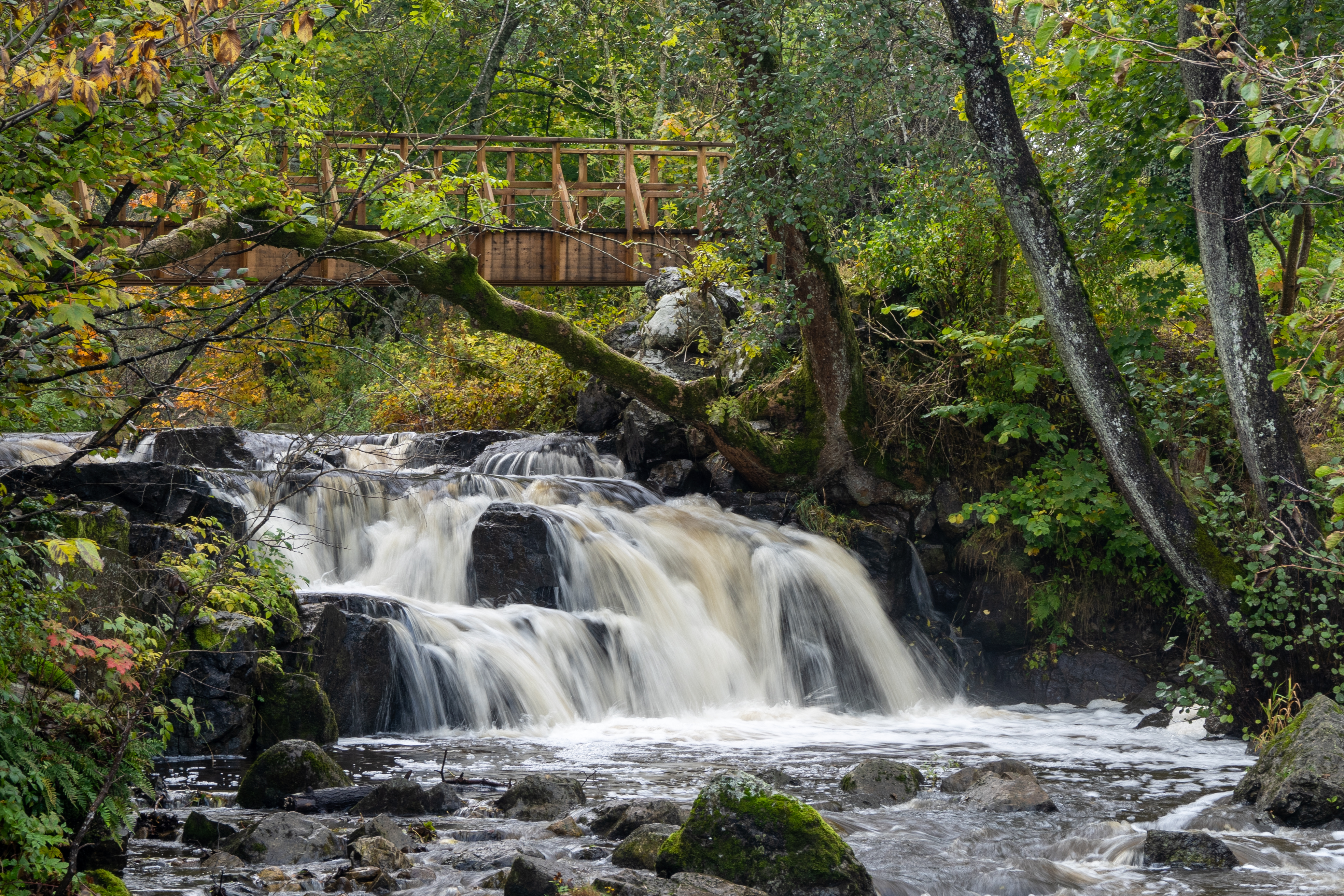
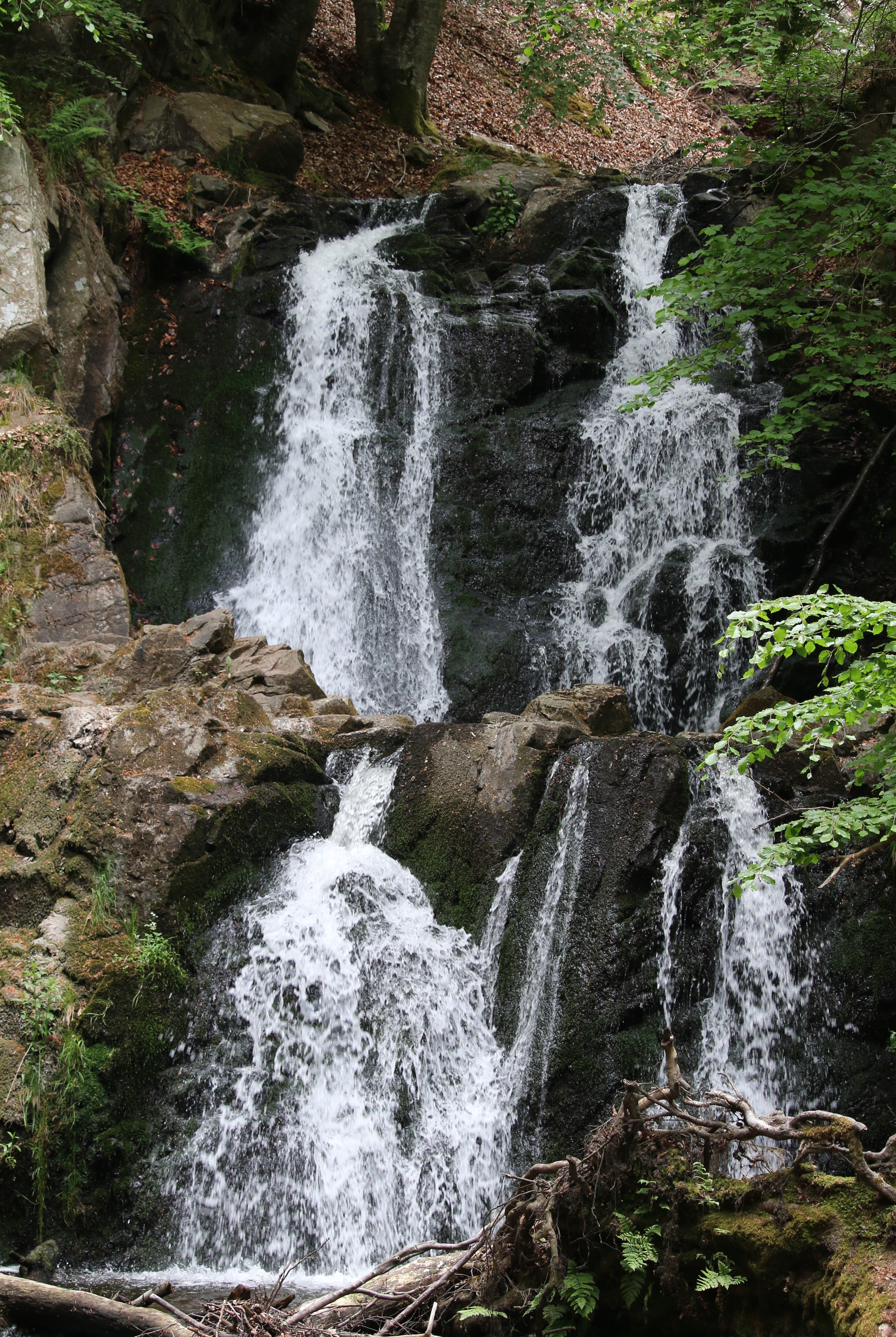
Forsakar Vattenfall (Swedish for “Forsakar Waterfall”) is located in the small village of Degeberga, part of the Kristianstad Municipality in the southernmost province of Skåne, Sweden. The waterfall drops dramatically into a deep, moss‑lined gorge, creating a thunderous roar that can be heard from the surrounding forest trails.
History & Significance
The name “Forsakar” stems from the old Swedish word fors (meaning “rapids” or “waterfall”) combined with akar (meaning “river”). Historically, the waterfall powered a local sawmill in the 19th century, providing timber for the growing towns of Skåne. Today, the site is protected as a nature reserve, preserving its unique flora and fauna while offering visitors a pristine outdoor experience.
Forsakar Vattenfall is more than just a scenic spot; it’s a cultural touchstone for locals who gather here for picnics, summer concerts, and even traditional Swedish kräftskiva (crayfish parties). Its presence on the Swedish Waterfall Trail (Vattenfallsleden) makes it a must‑see for anyone exploring the natural wonders of southern Sweden.
How to Get There
By Car
- From Malmö: Take the E22 east toward Kristianstad, then exit onto Riksväg 27 toward Degeberga. Follow the signs for “Forsakar” – the parking lot is just a short walk from the main trailhead.
- From Copenhagen (via Øresund Bridge): Drive north on the E20, cross the bridge, and continue on the E47/E55 toward Helsingborg. Switch to the E22 toward Kristianstad, then follow the same directions as above.
The drive from Malmö to Forsakar Vattenfall is roughly 1 hour 20 minutes (≈120 km), with scenic countryside views along the way.
By Public Transport
- Train: Take the Öresundståg to Kristianstad C. From the station, board the Skånetrafiken bus line 150 toward Degeberga (approx. 30 min).
- Bus: Direct regional buses (e.g., Skånetrafiken 150 or 151) stop at the “Forsakar” stop, a few minutes’ walk from the waterfall. Check the latest schedules on the Skånetrafiken website.
Walking & Cycling
The area is part of the Skåneleden long‑distance trail network. Cyclists can follow the well‑marked Riksväg 27 bike lane to the trailhead, then enjoy a short, easy walk (≈15 min) to the waterfall’s viewing platforms.
Parking: A free, modest-sized car park is available near the visitor centre. During peak summer weekends, arrive early to secure a spot.
Best Time to Visit
| Season | What to Expect | Why It’s Ideal |
|---|---|---|
| Spring (April‑May) | Snowmelt swells the river, creating a powerful flow and vibrant green surroundings. | Photographers love the fresh mist and blooming wildflowers. |
| Summer (June‑August) | Warm temperatures (15‑25 °C) and long daylight (up to 18 h). | Perfect for picnics, swimming in the plunge pool, and evening concerts. |
| Autumn (September‑October) | Golden foliage, cooler air, and a slightly reduced water volume for a calmer atmosphere. | Ideal for tranquil hikes and bird‑watching. |
| Winter (November‑March) | The waterfall may partially freeze, creating icy sculptures and a dramatic, quiet landscape. | A magical, less‑crowded experience for adventurous souls. |
Top recommendation: Late May to early September offers the most reliable water flow, comfortable weather, and a full schedule of local events.
What to Expect
When you arrive at Forsakar Vattenfall, you’ll be greeted by a well‑maintained network of wooden boardwalks and viewing platforms that let you safely approach the roaring cascade from multiple angles. The sound of rushing water is immediate, and the mist creates a refreshing coolness even on hot summer days.
- The Gorge: The waterfall plunges into a deep, moss‑covered gorge that measures several meters in width. The sheer rock faces are ideal for geology enthusiasts.
- Flora & Fauna: Expect to see blueberries, lingonberries, and wild roses along the trail. Birdwatchers often spot European kingfishers, great tits, and the occasional peregrine falcon soaring above.
- Recreational Activities: In summer, a designated swimming area at the base of the falls invites visitors to dip their toes (or take a full plunge). The surrounding meadow is perfect for a family picnic or a sunset yoga session.
- Facilities: A small visitor centre provides maps, information about the nature reserve, and a modest café serving traditional Swedish pastries and hot coffee. Restrooms are available near the parking lot.
Overall, Forsakar Vattenfall delivers a balanced experience—thrilling enough for adventure seekers, yet calm enough for those who simply wish to unwind amid nature.
Nearby Attractions
While Forsakar Vattenfall is the star attraction, the surrounding Skåne countryside offers several other natural gems within a short drive:
| Attraction | Distance | Type | Link |
|---|---|---|---|
| Dunderbäcken | 5.5 km | Waterfall | Dunderbäcken (Wikipedia) |
| Local Fountain | 9.2 km | Fountain | Fountain (Google Maps) |
| Spring #1 | 10.3 km | Spring | Spring (Google Maps) |
| Spring #2 | 10.6 km | Spring | Spring (Google Maps) |
| Spring #3 | 11.5 km | Spring | Spring (Google Maps) |
Tip: Pair your waterfall visit with a short hike to Dunderbäcken, another picturesque cascade that complements Forsakar’s dramatic flow. The nearby springs are perfect for a quiet stop to enjoy the sound of bubbling water and perhaps a quick dip if the weather permits.
Travel Tips
- Wear Appropriate Footwear – The boardwalks are sturdy, but the paths near the water can be slippery, especially after rain. Waterproof hiking boots or sturdy sneakers are ideal.
- Bring a Waterproof Bag – If you plan to photograph the falls up close, protect your camera gear from spray. A simple dry‑bag or zip‑lock works wonders.
- Pack a Picnic – The designated picnic area near the visitor centre offers tables and benches. Local specialties like smörgåsbord sandwiches and kanelbullar (cinnamon buns) make for a tasty lunch.
- Check the Weather Forecast – While the waterfall is beautiful year‑round, heavy rain can make the gorge slippery and the paths muddy. Summer thunderstorms are rare but possible.
- Respect the Nature Reserve – Stay on marked trails, avoid picking plants, and dispose of waste in provided bins. The area is protected to preserve its unique ecosystem.
- Timing for Photography – Early morning (sunrise) and late afternoon (golden hour) provide the best natural lighting for capturing the mist and surrounding forest.
- Local Events – During July and August, the municipality often hosts open‑air concerts and cultural festivals near the waterfall. Check the Kristianstad tourism website for the latest schedule.
Final Thoughts
Forsakar Vattenfall may not be as internationally famous as Sweden’s northern waterfalls, but its accessibility, natural beauty, and authentic local vibe make it a standout destination for anyone traveling through Skåne. From the thundering cascade to the serene forest trails, this hidden gem offers a slice of Swedish nature that’s both invigorating and restorative.
So lace up your boots, grab your camera, and set your GPS to 55.828030, 14.069234—the heart of Degeberga’s most captivating waterfall. Your next unforgettable Swedish adventure awaits!