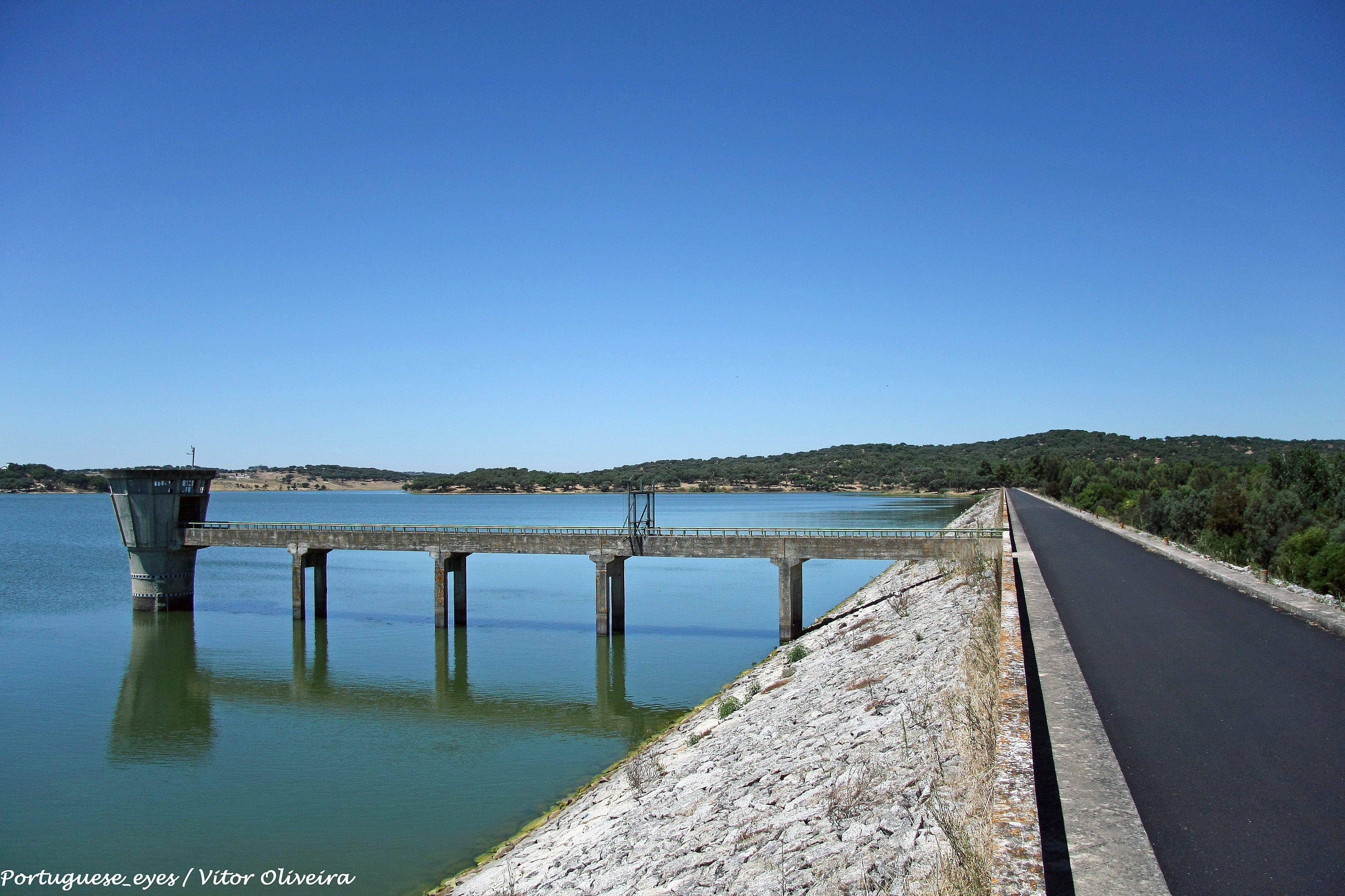
Discover the Tranquil Charm of Barragem do Divor – A Hidden Gem in Alentejo, Portugal
If you think Portugal is only about sun‑kissed beaches and historic cities, think again. Nestled amid the rolling hills of Alentejo, the Barragem do Divor offers a peaceful retreat for nature lovers, photographers, and off‑the‑beaten‑path travelers.
1. Introduction
Imagine standing on the edge of a modest yet striking concrete wall, the water below shimmering like liquid glass, while the distant Alentejo countryside stretches out in gentle, golden tones. This is the experience awaiting you at Barragem do Divor, a 21‑metre‑high dam perched at 263.6 m above sea level in the municipality of Arraiolos, Evora.
Unlike the bustling reservoirs of the Algarve, Divor’s calm waters reflect the sky and the ancient stone farms that dot the landscape, making it an ideal spot for sunrise photography, quiet contemplation, or a gentle walk along its banks. In this guide, we’ll explore everything you need to know to add this underrated dam to your Portugal itinerary.
2. About Barragem do Divor
A Brief Description
- Type: Concrete dam 🏗️
- Location: Arraiolos, Evora, Portugal
- Coordinates: 38.700472 N, -7.925305 W
- Height: 21 m
- Altitude: 263.6 m above sea level
Built to regulate water flow for agricultural use in the arid Alentejo region, Barragem do Divor (Portuguese for “Divor Dam”) is modest in size but significant for the local community. Its reservoir captures rainwater from the surrounding limestone hills, providing a reliable source for irrigation and helping sustain the traditional olive groves and vineyards that define the area.
Historical Context
The dam’s construction dates back to the mid‑20th century, a period when Portugal invested heavily in rural water infrastructure to combat drought and boost agricultural productivity. While the exact year of completion is not widely documented, the structure has become an integral part of the local landscape for decades, symbolising the blend of engineering and nature that characterises much of Alentejo’s countryside.
Why It Matters
- Ecological Value: The reservoir supports a modest ecosystem of aquatic plants, amphibians, and migratory birds, offering a quiet haven for wildlife.
- Cultural Significance: For the residents of Arraiolos and nearby villages, the dam is a lifeline that enables traditional farming practices to thrive.
- Scenic Appeal: The dam’s unobtrusive design allows the surrounding hills to dominate the view, creating postcard‑perfect panoramas that are perfect for Instagram‑savvy travelers.
For a deeper dive into its background, you can consult the Portuguese Wikipedia entry: Barragem do Divor (pt).
3. How to Get There
By Car
The most flexible way to reach Barragem do Divor is by rental car. From Évora, the capital of the district, follow these steps:
- Head north on N260 toward Arraiolos (≈ 30 km, 35 min).
- Turn right onto EN2‑1 after the town sign for Arraiolos.
- Continue for 6 km; look for a small, unmarked turnoff on the left that leads to a gravel road heading toward the dam.
The final stretch is a quiet country lane; a GPS coordinate (38.700472, -7.925305) will guide you straight to the parking area near the dam’s edge.
By Public Transport
Public buses from Évora to Arraiolos run a few times daily (operated by Rede Nacional de Transportes). Once in Arraiolos, you’ll need a taxi or a local rideshare to cover the remaining 12 km to the dam.
By Bike or Hiking
For the adventurous, the region’s gentle gradients make for pleasant cycling. The route from Arraiolos to the dam is roughly 12 km and can be completed in 45–60 minutes on a mountain bike.
4. Best Time to Visit
| Season | Weather | Why Visit | Photography Tips |
|---|---|---|---|
| Spring (Mar‑May) | Mild temperatures (15‑22 °C), occasional rain | Wildflowers bloom on the hills, water levels rise. | Capture the vibrant greens and pastel skies during golden hour. |
| Summer (Jun‑Aug) | Warm to hot (25‑35 °C), low rainfall | Long daylight hours, perfect for sunrise walks. | Use a polarizing filter to reduce glare on the water. |
| Autumn (Sep‑Nov) | Pleasant (18‑26 °C), occasional fog | Harvest season adds rustic charm; fewer tourists. | Early morning mist creates dramatic, moody shots. |
| Winter (Dec‑Feb) | Cool (8‑14 °C), occasional rain | Tranquil atmosphere, water levels may be lower, exposing more shoreline. | Embrace the muted palette; consider black‑and‑white for mood. |
Overall, late spring to early autumn offers the most comfortable climate and vibrant scenery, but the dam’s serenity shines year‑round.
5. What to Expect
The Landscape
Approaching the dam, you’ll first notice the gentle curve of the concrete wall, topped by a modest spillway that releases a soft, rhythmic sound. The reservoir itself is relatively shallow, allowing the sun to illuminate the lakebed and create sparkling reflections.
Beyond the water, the terrain rolls into classic Alentejo limestone ridges, dotted with olive groves, cork oak forests, and traditional whitewashed farmhouses (known locally as solares). The horizon is uninterrupted, offering a sense of openness that is rare in more crowded tourist spots.
Activities
- Photography: The dam’s simple geometry combined with the surrounding countryside makes for striking compositions. Sunrise and sunset are especially rewarding.
- Birdwatching: Keep an eye out for European goldfinch, black kite, and occasional herons wading in the shallows.
- Leisure Walks: A short, informal trail circles the reservoir, ideal for a relaxed stroll or a family picnic.
- Local Interaction: Farmers often gather near the water to discuss irrigation; a friendly greeting can lead to an impromptu story about the region’s agricultural heritage.
Facilities
The site is undeveloped, preserving its natural feel. You’ll find a modest parking area, a few benches, and basic signage. There are no cafés or restrooms directly at the dam, so plan accordingly—bring water, snacks, and sun protection.
6. Nearby Attractions
While Barragem do Divor can easily fill a half‑day, the surrounding area offers several charming stops that enrich your Alentejo adventure. All distances are measured from the dam.
| Attraction | Distance | What to See | Link |
|---|---|---|---|
| Fonte da Pedra (Fountain) | 6.7 km | A historic stone fountain set amidst olive trees. | Fonte da Pedra |
| Fonte de Santa Justa (Spring) | 8.5 km | A natural spring with crystal‑clear water, popular with locals for its reputed health benefits. | Fonte de Santa Justa |
| Fonte da Água Férrea (Spring) | 10.3 km | A picturesque spring surrounded by limestone formations. | Fonte da Água Férrea |
| Fonte da Quinta do Arcediago (Fountain) | 11.3 km | An elegant manor‑house fountain, showcasing classic Alentejo stonework. | Fonte da Quinta do Arcediago |
| [Unnamed Dam] | 11.7 km | Another small dam offering a different perspective on the region’s water management. | — |
These sites are easily reachable by car or bike, and they provide a pleasant blend of natural beauty and cultural heritage.
7. Travel Tips
| Tip | Details |
|---|---|
| Bring a Picnic | There are no food services on site, so pack a light lunch—think local cheese, olives, and a bottle of Alentejo wine. |
| Dress in Layers | Even in summer, mornings can be cool at 263 m altitude; a light jacket is advisable. |
| Sun Protection | The Alentejo sun is strong; sunscreen, hat, and sunglasses are essential. |
| Parking | The lot fills quickly on weekends; arrive early (before 10 am) for a guaranteed spot. |
| Respect the Environment | Keep the area clean, stay on marked paths, and avoid swimming—water levels can change rapidly. |
| Language | Portuguese is the primary language; a few basic phrases (“Bom dia”, “Por favor”) go a long way. |
| Connectivity | Mobile signal may be spotty; consider downloading offline maps (Google Maps or Maps.me). |
| Safety | The dam’s edge can be slippery when wet; wear sturdy shoes and watch children closely. |
| Timing | For the best light, aim to visit during the “golden hour” (≈ 1 hour after sunrise or before sunset). |
| Combine with Évora | Pair your visit with a day trip to Évora’s Roman Temple, Cathedral, and the famous Capela dos Ossos for a full Alentejo experience. |
Final Thought
Barragem do Divor may not appear on the typical Portugal travel brochures, but its serene waters, sweeping vistas, and authentic rural atmosphere make it a rewarding destination for travelers seeking authenticity. Whether you’re a photographer chasing soft light, a history buff interested in mid‑century water engineering, or simply someone who loves wandering off the tourist trail, this modest dam offers a slice of Alentejo that feels both timeless and refreshingly undiscovered.
Pack your camera, hit the road, and let the quiet beauty of Barragem do Divor become a memorable chapter in your Portuguese adventure. Safe travels!