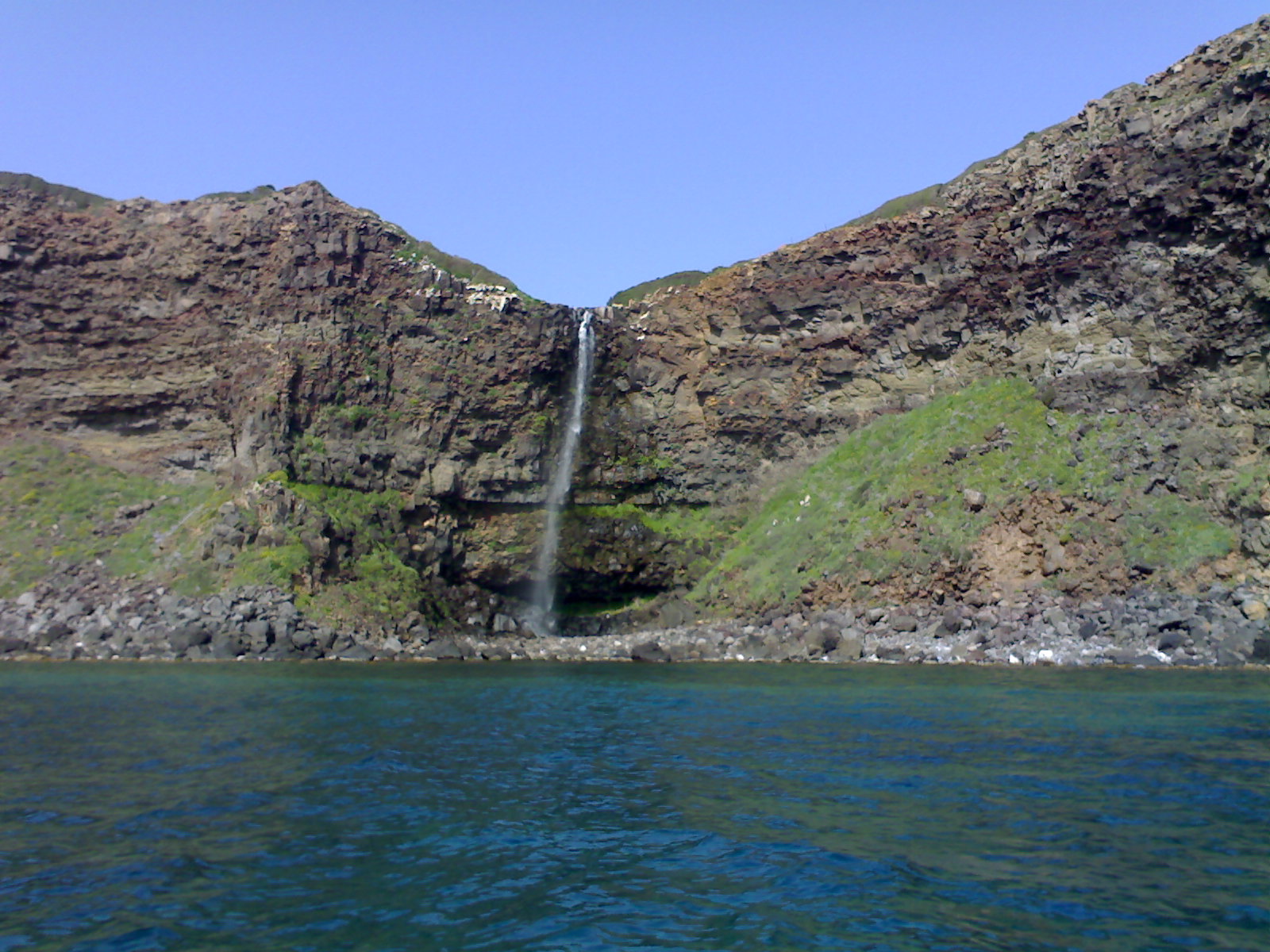
Istrampu de Capu Nieddu – Sardinia’s Hidden 40‑Metre Waterfall
If you’re chasing the wild side of Sardinia beyond its sun‑kissed beaches, the thundering cascade of Istrampu de Capu Nieddu in Cuglieri is the perfect secret‑spot to add to your itinerary.
1. Introduction
Sardinia is famous for turquoise seas, ancient nuraghes, and mouth‑watering cuisine. Yet the island’s interior hides a network of pristine waterfalls that feel worlds away from the bustling tourist hubs. Among them, Istrampu de Capu Nieddu stands out: a 40‑metre drop of crystal‑clear water that tumbles down rugged limestone cliffs, creating a misty oasis that looks straight out of a postcard. Whether you’re a seasoned hiker, a nature photographer, or simply someone who loves the sound of water echoing through pine‑filled valleys, this waterfall delivers an unforgettable Sardinian adventure.
2. About Istrampu de Capu Nieddu
- Location: Cuglieri, Sardinia, Italy
- Coordinates: 40.146833 N, 8.463643 E
- Height: 40 m (≈ 131 ft)
The name “Istrampu” is the Sardinian word for “waterfall,” while “Capu Nieddu” translates to “low head” or “low summit,” referencing the modest hill that crowns the cascade’s source. The waterfall is part of a small, seasonal river that swells after the autumn rains and during the spring snow‑melt in the surrounding hills.
Historically, the area around Cuglieri has been a crossroads for shepherds and farmers who relied on the fresh mountain water for livestock and irrigation. Though there is no grand myth attached to Istrampu de Capu Nieddu, locals regard it as a natural landmark—a place to pause, enjoy the cool spray, and listen to the ancient whisper of Sardinia’s interior. The waterfall is also featured on the Italian Wikipedia page for Cascata a mare di Cabu Nieddu, confirming its cultural relevance within the region.
3. How to Get There
By Air
The closest major airport is Cagliari Elmas International Airport (CAG), roughly 80 km (≈ 50 mi) south of Cuglieri. From the airport, rent a car – a compact or SUV works well for the narrow, winding mountain roads.
By Car
- From Cagliari: Take the SS131 north toward Oristano, then exit onto SS131‑SS133 toward Cuglieri.
- From Alghero: Follow the SS131 south, then turn onto SS133 at Bosa, continuing to Cuglieri.
The drive offers scenic vistas of the Sardinian countryside, olive groves, and distant sea views.
Parking & Trailhead
Once you reach the outskirts of Cuglieri, look for the small “Parcheggio Cascata a Mare” sign (a modest gravel lot). From the parking area, a marked footpath leads to the waterfall. The trail is approximately 1 km (0.6 mi) long, with a gentle ascent and occasional rocky sections. Comfortable walking shoes and a light backpack are recommended.
Public Transport (Limited)
Buses run between Cagliari and Cuglieri, but they stop a few kilometres from the waterfall. If you prefer public transport, plan to take a taxi or arrange a local shuttle from the town center to the trailhead.
4. Best Time to Visit
| Season | Water Flow | Visitor Crowd | Tips |
|---|---|---|---|
| Spring (Mar–May) | Highest – snow‑melt and rain feed the cascade | Moderate | Ideal for photography; bring a waterproof jacket. |
| Early Summer (Jun–Jul) | Still robust, but temperatures rise | Light | Arrive early to avoid midday heat. |
| Late Summer (Aug–Sep) | Flow may reduce, especially during dry spells | Light | Great for a relaxed hike; bring plenty of water. |
| Autumn (Oct–Nov) | Renewed flow after rains | Light‑to‑moderate | Expect cooler air and vibrant foliage. |
| Winter (Dec–Feb) | Variable – occasional heavy rain can make the trail slippery | Very light | If visiting, wear sturdy boots and watch for flash floods. |
Overall recommendation: Late spring to early autumn offers the most reliable water volume while keeping the trail safe and accessible.
5. What to Expect
The Sights & Sounds
As you approach the waterfall, the gentle murmur of the river grows into a roaring cascade that fills the valley with mist. The 40‑metre drop plunges over limestone, creating a rainbow‑tinted spray on sunny days. The surrounding vegetation—holm oaks, Aleppo pines, and wild rosemary—adds a Mediterranean scent to the fresh, cool air.
Photography Opportunities
- Long exposure: Capture silky water threads against the rugged rock face.
- Rainbow shots: Position yourself at the base during midday sun for vivid arcs.
- Panoramic views: The trail offers a sweeping vista of the surrounding hills, perfect for wide‑angle lenses.
Wildlife
You may spot Sardinian newts, small lizards, and a variety of songbirds that nest in the cliffs. Keep an eye out for the endemic Sardinian warbler, whose melodic calls echo through the gorge.
Facilities
There are no built‑in restrooms or cafés at the site, preserving its natural charm. However, a small picnic table near the parking lot lets you enjoy a snack while soaking in the scenery.
6. Nearby Attractions
Exploring the area around Istrampu de Capu Nieddu gives you a full day of waterfall‑hopping and cultural discovery. All distances are as the crow flies from the main cascade.
| Attraction | Distance | What to See |
|---|---|---|
| S'Iscala ’e Cherbos (waterfall) | 0.6 km | A smaller cascade nestled in a shaded gorge—perfect for a quick side‑trip. |
| Istrampu de S'Iscala de S'Atentu (waterfall) | 0.6 km | Another pristine drop, offering a different angle of the same river system. |
| Capo Nieddu (waterfall) | 1.2 km | A striking vertical fall that complements the main cascade’s grandeur. |
| Istrampu de Predas Rujas (waterfall) | 9.9 km | A more remote waterfall surrounded by rugged terrain—ideal for seasoned hikers. |
| [Unnamed Fountain] | 10.0 km | A historic stone fountain used by locals for centuries; a glimpse into rural Sardinian life. |
Tip: Pack a light lunch and make a waterfall circuit—start at Istrampu de Capu Nieddu, then walk the short connecting paths to S'Iscala ’e Cherbos and Capo Nieddu. The loop takes about 2‑3 hours and rewards you with varied scenery and photo ops.
7. Travel Tips
| Tip | Why It Matters |
|---|---|
| Wear sturdy hiking shoes | The trail includes uneven limestone and occasional slick rocks, especially after rain. |
| Bring a reusable water bottle | No drinking water is available on the site; staying hydrated is essential in Sardinia’s warm climate. |
| Carry a light rain jacket | Even in summer, the waterfall’s mist can make the air chilly. |
| Start early | Arriving before 10 am helps you avoid the midday sun and gives you more daylight for the nearby hikes. |
| Respect nature | Keep the area clean, stay on marked paths, and avoid disturbing wildlife. |
| Check weather forecasts | Heavy rain can cause sudden water surges; if the forecast predicts thunderstorms, postpone the hike. |
| Use a map or GPS | Cellular coverage can be spotty in the hills; a downloaded offline map ensures you stay on track. |
| Cash for small purchases | Local vendors in Cuglieri may only accept cash for snacks or souvenirs. |
| Consider a guided tour | Several local agriturismi offer guided waterfall tours that include transport, a guide, and a traditional Sardinian lunch. |
Final Thoughts
Istrampu de Capu Nieddu may not appear on every mainstream travel guide, but that’s precisely why it feels like a Sardinian secret waiting to be discovered. Its 40‑metre plunge, tranquil forest setting, and proximity to other hidden waterfalls make it a must‑visit for anyone craving authentic nature experiences on the island. Pack your boots, charge your camera, and let the mist of Capu Nieddu refresh your Sardinian adventure.
Happy travels, and may the sound of the waterfall guide you to new horizons!
