Discover the Hidden Gem of Waldleiningen: Hungerbrunnen Spring
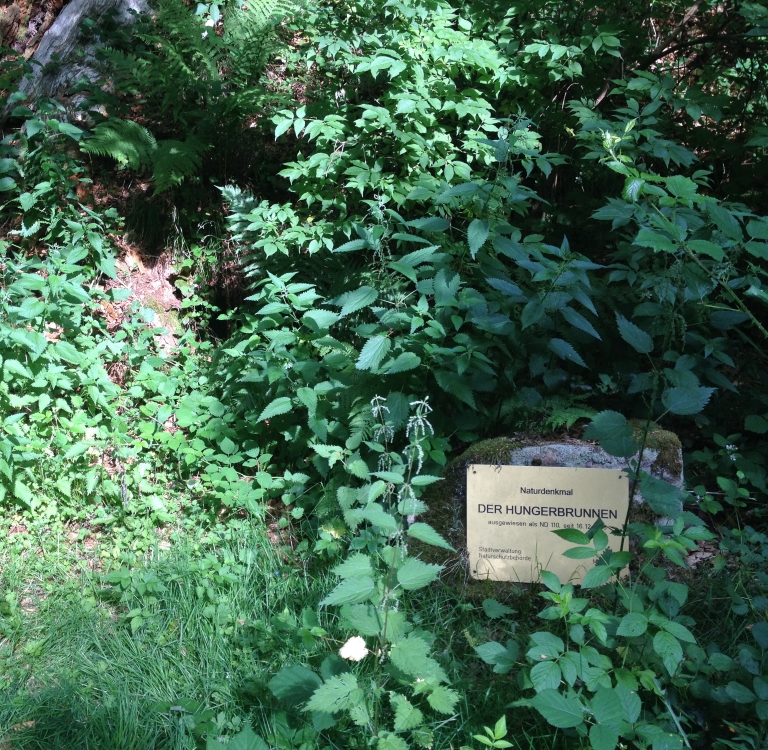
If you’re chasing crystal‑clear water, tranquil forest paths, and a slice of German folklore, the Hungerbrunnen in Waldleiningen, Rheinland‑Pfalz, should be at the top of your itinerary.
1. Introduction
Imagine stepping off a quiet country road into a shaded glade where the sound of trickling water seems to echo centuries of stories. That’s the magic of Hungerbrunnen, a modest yet captivating spring tucked away in the rolling hills of the Palatinate Forest. While it may not appear on every tourist map, this natural water source has been a local landmark for generations, offering hikers, history buffs, and photographers a perfect spot to pause, refresh, and soak in the serene atmosphere of western Germany.
2. About Hungerbrunnen
A Brief Description
- Name: Hungerbrunnen
- Type: Spring 💧
- Location: Waldleiningen, Rheinland‑Pfalz, Germany
- Coordinates: 49.412959 N, 7.830330 E
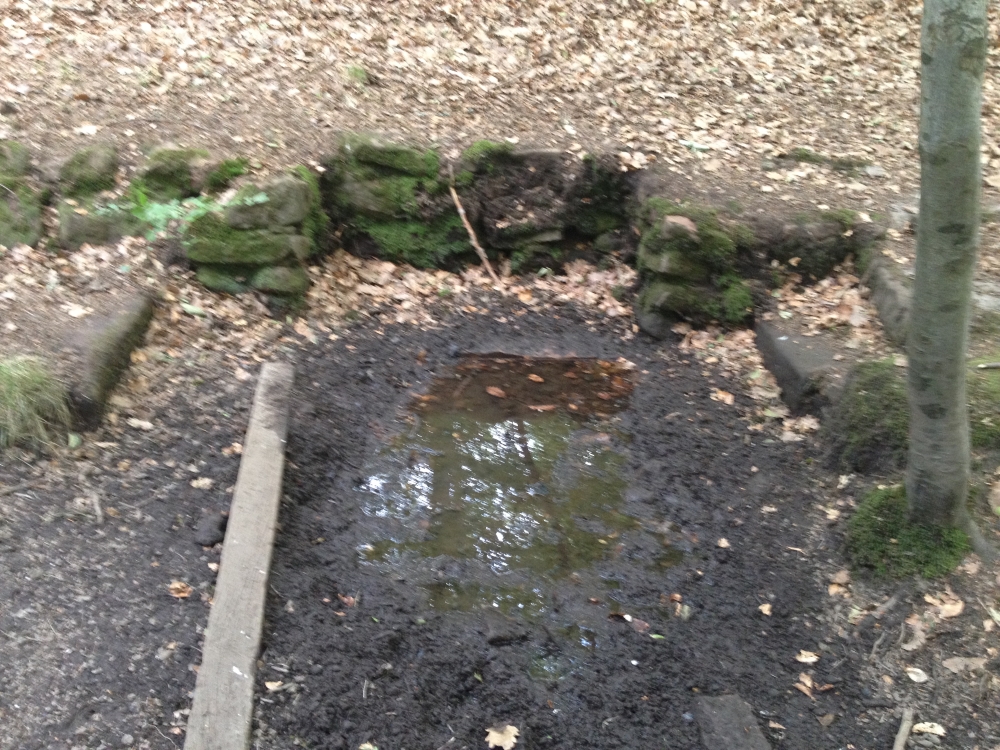
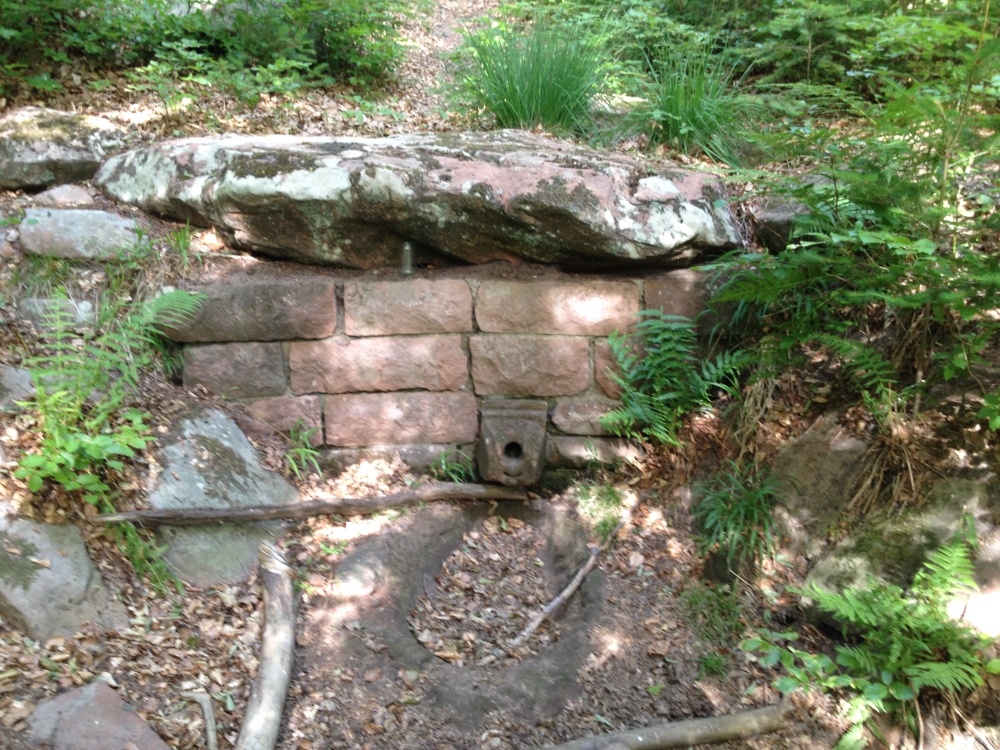
The spring emerges from a small stone basin surrounded by moss‑laden rocks and towering beech trees. Its water is clear, cool, and continuously flowing—an ideal natural drinking source for hikers traversing the Palatinate Forest (Pfälzerwald).
Historical Roots
Although the exact origins of the name “Hungerbrunnen” are lost to time, local legend suggests the spring once provided sustenance during periods of famine, giving weary travelers a place to quench both thirst and hope. The spring’s presence is documented in regional archives and appears on historic maps of the Kaiserslautern district.
Cultural Significance
In Waldleiningen, the spring is more than a water source; it is a cultural touchstone. Villagers have traditionally gathered here for communal events, and the spring is occasionally featured in local folklore festivals that celebrate the forest’s natural bounty. Its modest size belies a deep connection to the surrounding community, making it a quiet emblem of the region’s relationship with nature.
3. How to Get There
By Car
-
From Kaiserslautern (≈ 15 km):
- Take the B40 east toward Waldleiningen.
- Follow signs for Waldleiningen/Steinbach and turn left onto L 530.
- After about 5 km, look for a small parking area marked “Hungerbrunnen” on the right side of the road. -
From Mannheim (≈ 80 km):
- Drive north on the A6, exit at Kaiserslautern.
- Follow the same B40 route described above.
Parking is limited, so arrive early during peak season (summer weekends) to secure a spot.
By Public Transport
- Train: Take a regional train (RheinNeckar S-Bahn) to Kaiserslautern Hauptbahnhof.
- Bus: From Kaiserslautern, catch the Busline 724 toward Waldleiningen. Get off at the “Waldleiningen, Zentrum” stop (≈ 12 min ride).
- Walking: From the bus stop, it’s a 15‑minute walk along well‑marked forest trails to the spring.
By Bike
The Palatinate Forest is a cyclist’s paradise. The Pfälzer Wald Cycle Route (R1) passes near Waldleiningen, offering a scenic, low‑traffic ride to Hungerbrunnen. Bring a bike lock for the small bike rack near the parking area.
4. Best Time to Visit
| Season | What to Expect | Why It’s Ideal |
|---|---|---|
| Spring (April‑June) | Fresh green foliage, blooming wildflowers, mild temperatures (12‑20 °C). | Water flow is strong after winter melt, perfect for photography. |
| Summer (July‑August) | Warm days (20‑28 °C), longer daylight hours. | Ideal for picnics and a refreshing drink from the spring. |
| Autumn (September‑October) | Golden leaf colors, crisp air (10‑18 °C). | Fewer crowds, spectacular forest hues. |
| Winter (November‑March) | Quiet, occasional snow, temperatures often below 5 °C. | A peaceful, meditative experience; the spring may partially freeze, creating icy textures. |
Tip: Mid‑week visits in spring or autumn usually guarantee the quietest experience.
5. What to Expect
When you arrive at Hungerbrunnen, you’ll be greeted by a small clearing framed by towering beech and oak trees. The spring’s stone basin sits on a gentle slope, allowing water to cascade into a shallow pool that reflects the surrounding canopy. The sound of water is subtle yet constant—a natural white‑noise that instantly soothes.
- Water Quality: The spring water is clean and safe to drink directly from the basin, a refreshing perk after a forest hike.
- Facilities: There are no formal amenities (no café or restroom), so plan accordingly. A portable water bottle, a light snack, and a biodegradable bag for trash are all you need.
- Photography: Early morning light filters through the leaves, creating soft, dappled patterns on the water—perfect for macro shots of droplets or wide‑angle forest vistas.
- Wildlife: Keep an eye out for local birds such as the European robin and the black‑cap, as well as occasional deer that visit the water source at dawn and dusk.
6. Nearby Attractions
The Hungerbrunnen area is a hub for spring‑loving hikers. Each nearby spring offers its own charm and a short trail loop, making it easy to create a “spring‑hopping” day trip.
| Attraction | Distance from Hungerbrunnen | Highlights | Link |
|---|---|---|---|
| Dammbrunnen | 1.2 km | A narrow, stone‑lined spring with a historic wooden trough. | Dammbrunnen (spring) |
| Bockenbrunnen | 1.5 km | Known for its moss‑covered rocks and a small wooden footbridge. | Bockenbrunnen (spring) |
| Felsbrunnen | 1.9 km | A dramatic cliff‑side spring that creates a mini‑waterfall. | Felsbrunnen (spring) |
| Wolfsbrunnen | 2.4 km | Surrounded by a legend of wolves; ideal for a quiet forest walk. | Wolfsbrunnen (spring) |
| Balkenbrunnen | 2.4 km | Features an old wooden beam that once supported a water‑carrying system. | Balkenbrunnen (spring) |
Suggested Loop: Start at Hungerbrunnen, head east to Dammbrunnen, then follow the forest trail to Bockenbrunnen, continue to Felsbrunnen, and finish with a gentle descent back to Hungerbrunnen via Wolfsbrunnen. The entire loop is roughly 8 km and can be completed in 3–4 hours at a relaxed pace.
7. Travel Tips
| Tip | Details |
|---|---|
| Pack Light | There are no shops nearby. Bring water, snacks, a map, and a fully charged phone. |
| Footwear | Sturdy hiking boots or trail shoes with good grip are essential; the forest floor can be slippery after rain. |
| Leave No Trace | Carry a small trash bag and take all litter with you. The area is a protected natural site. |
| Check Weather | The Palatinate Forest can experience sudden showers. A lightweight rain jacket is advisable. |
| Seasonal Gear | In winter, wear insulated layers and waterproof boots; the spring may be icy. |
| Local Etiquette | Respect private property—some forest paths cross farmland. Stick to marked trails and follow any posted signs. |
| Photography | Bring a polarizing filter to reduce glare on the water surface, and a small tripod for low‑light shots in autumn. |
| Language | While most locals speak German, many in the tourism sector understand basic English. A few German phrases (“Danke”, “Bitte”) go a long way. |
| Safety | Mobile reception can be spotty in deep forest sections. Let someone know your route and expected return time. |
| Nearby Food | After your spring‑hopping adventure, stop in Waldleiningen’s village center for a hearty “Sausage with Sauerkraut” or a slice of “Pfälzer Saumagen”. |
Final Thought
Hungerbrunnen may be a modest spring, but its quiet charm, pristine water, and surrounding forest make it a perfect micro‑adventure for anyone traveling through Rheinland‑Pfalz. Whether you’re a seasoned hiker, a photography enthusiast, or simply looking for a peaceful spot to reconnect with nature, this hidden gem invites you to pause, sip, and listen to the timeless whisper of water flowing through the Palatinate Forest.
Ready to explore? Pack your boots, follow the coordinates (49.412959 N, 7.830330 E), and let Hungerbrunnen refresh your spirit.
Keywords: Hungerbrunnen, spring in Rheinland‑Pfalz, Waldleiningen travel, Palatinate Forest hiking, things to do near Hungerbrunnen, German nature springs, travel to Hungerbrunnen, spring hopping Waldleiningen.