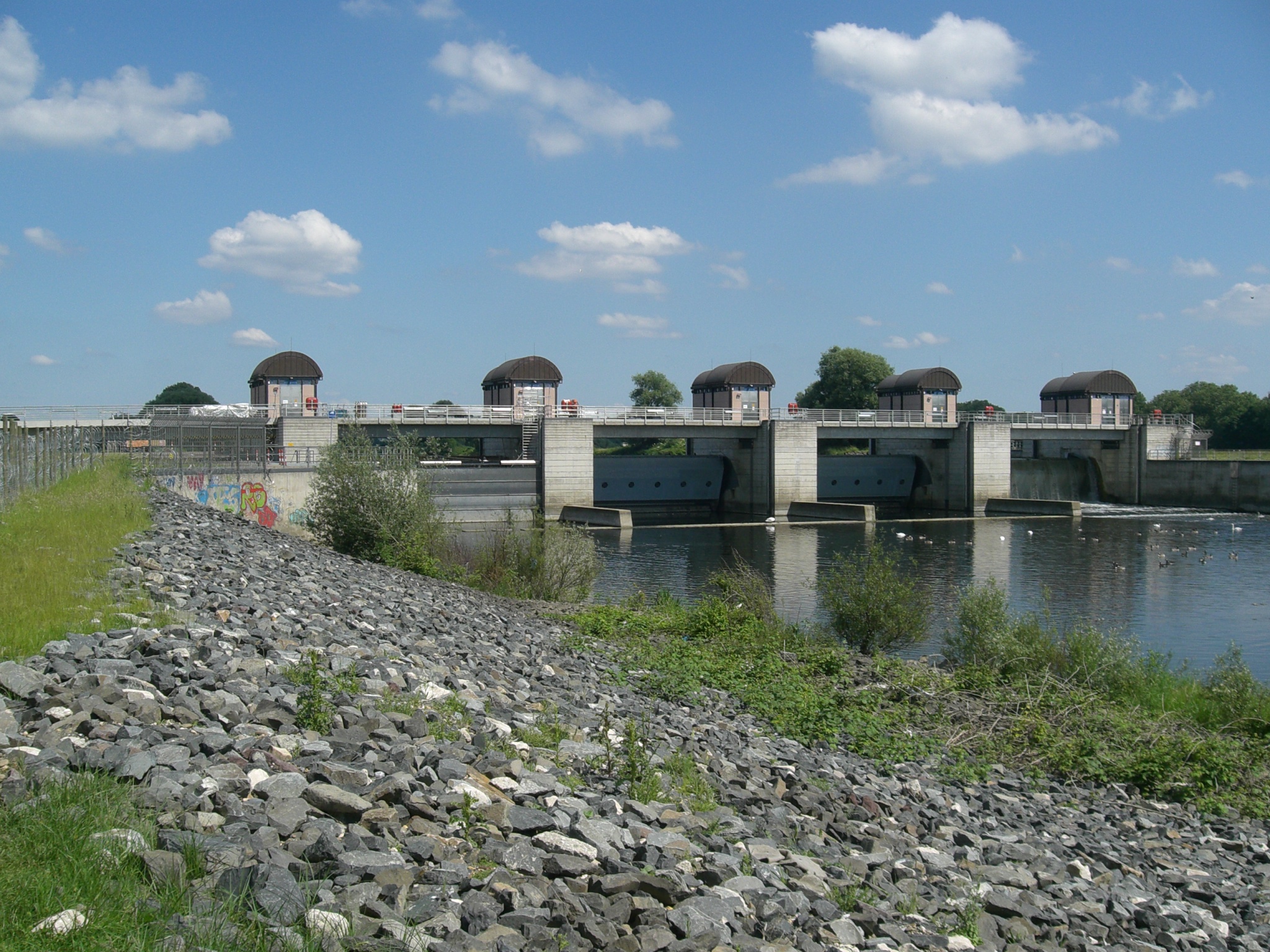
Discover the Hidden Charm of Wehr Raffelberg – A Quaint Weir in Mülheim (Ruhr), North Rhine‑Westphalia
If you think Germany’s travel gems are limited to castles, cathedrals, and bustling cities, think again. Tucked away in the industrial heart of the Ruhr lies a modest yet captivating water structure that invites curiosity, calm, and a touch of local history. Welcome to Wehr Raffelberg, the unassuming weir that quietly shapes the landscape of Mülheim (Ruhr).
About Wehr Raffelberg
A Brief Description
Wehr Raffelberg is a small weir (German: Wehr) situated on the banks of the Ruhr River in the district of Mülheim (Ruhr), North Rhine‑Westphalia, Germany. Its exact height and altitude remain undocumented, adding a hint of mystery to its modest profile. The structure functions primarily to regulate water flow, protect surrounding floodplains, and maintain a stable river level for both ecological and recreational purposes.
Historical Roots
While detailed archival records are scarce, the weir’s name—Raffelberg—hints at a connection to the nearby Raffelberg hill, a historic landmark that once served as a strategic lookout point during the medieval period. Over the centuries, the Ruhr region transformed from a network of small agrarian settlements into an industrial powerhouse. In this evolution, water management became crucial, and structures like Wehr Raffelberg were erected to support mining, steel production, and later, modern urban development.
Why It Matters
- Environmental stewardship – By moderating the river’s flow, the weir helps preserve habitats for fish, birds, and aquatic plants native to the Ruhr.
- Cultural landscape – The weir is a subtle reminder of the region’s engineering heritage, sitting alongside old factories, modern promenades, and historic bridges.
- Recreational value – Its calm waters create ideal conditions for casual fishing, kayaking, and riverside picnics, especially for locals seeking a quiet escape from city life.
For a deeper dive into the weir’s background, see the German‑language entry on Wikipedia: Wehr Raffelberg.
How to Get There
By Public Transport
| Mode | Details | Approx. Time |
|---|---|---|
| Train | Take a regional RE or RB train to Mülheim (Ruhr) Hauptbahnhof. From the station, hop on bus line 140 (direction Raffelberg). | 15 min from the station |
| Tram | Tram line 102 stops at Raffelberg. The weir is a short 5‑minute walk from the tram stop. | 10 min total from city centre |
| Bus | Bus routes 140 and 147 both pass near the weir, with stops labeled Raffelberg and Wehr Raffelberg. | 12 min from Mülheim city centre |
By Car
- From Düsseldorf Airport (DUS): Follow the A3 northbound, exit at Mülheim‑Raffelberg (Exit 33). Follow local signs to Wehr Raffelberg. Parking is available at the nearby Raffelberg Park (free, limited spaces).
- From Cologne: Take the A3 south, exit at Mülheim‑Raffelberg, then follow the B224 to the weir.
Walking & Cycling
The Ruhr Valley is criss‑crossed by well‑maintained bike paths. The Ruhr‑Radrouten network leads directly to the weir, making it an ideal stop for a day‑long cycling tour. If you enjoy walking, the Raffelberg Trail (≈2 km loop) offers scenic views of the river, forested slopes, and the weir itself.
Best Time to Visit
| Season | What to Expect | Why It’s Ideal |
|---|---|---|
| Spring (April‑June) | Fresh green foliage, migratory birds, mild river flow. | Perfect for photography and bird‑watching. |
| Summer (July‑August) | Warm weather, families picnicking, occasional river activities (kayak rentals). | Ideal for a relaxed riverside lunch. |
| Autumn (September‑October) | Golden leaves, crisp air, lower water levels that reveal the weir’s stonework. | Great for tranquil walks and sunset shots. |
| Winter (November‑March) | Quiet, occasional frost on the water, fewer crowds. | Offers a contemplative atmosphere for solo travelers. |
Tip: The weir’s surroundings are especially photogenic during sunrise (around 07:30 CET) when the Ruhr’s mist lifts off the water, casting a soft glow over the stone structure.
What to Expect
The Sights
- Stonework & Engineering – Though modest, the weir’s masonry showcases 19th‑century engineering techniques. Look closely for the original iron gates, many of which have been restored.
- River Landscape – The Ruhr’s calm stretch here reflects the sky, creating mirror‑like vistas that change dramatically with weather.
- Wildlife – Expect to see kingfishers darting above the water, ducks nesting near the banks, and occasional otters for the lucky observer.
The Sounds
- Gentle Water Flow – The controlled spillway produces a soothing, rhythmic murmur—perfect for meditation or a quiet read.
- Ambient City Buzz – While the weir feels secluded, you’ll still hear faint hints of urban life—trains crossing nearby bridges, distant conversations from park benches.
Activities
- Photography – Capture the contrast between industrial heritage and natural serenity.
- Fishing – Local anglers often gather here; a fishing license (required in Germany) can be obtained online.
- Picnicking – Small grassy patches near the weir are ideal for a packed lunch.
- Guided Walks – Seasonal guided tours occasionally run, focusing on the Ruhr’s water management history.
Nearby Attractions
While Wehr Raffelberg is the star of the show, the surrounding area offers several charming spots within a short stroll:
| Distance | Attraction | Type | Quick Link |
|---|---|---|---|
| 0.6 km | Fountain A | Fountain | View on Map |
| 0.8 km | Fountain B | Fountain | View on Map |
| 1.0 km | Fountain C | Fountain | View on Map |
| 1.1 km | Natural Spring | Spring | View on Map |
| 1.1 km | Fountain D | Fountain | View on Map |
These water‑centric sites create a mini‑tour of the region’s historic emphasis on water as both a resource and a decorative element. They’re perfect for a leisurely walk after visiting the weir, offering photo‑ops and a chance to stretch your legs.
Travel Tips
- Dress for the Weather – Even on sunny days, the river’s micro‑climate can be cooler. Pack a light jacket and waterproof shoes.
- Respect the Environment – The Ruhr’s ecosystem is delicate. Stick to marked paths, avoid littering, and keep a safe distance from wildlife.
- Timing is Everything – Arrive early (before 09:00 CET) on weekends to avoid the small crowd that gathers for picnics.
- Bring a Binocular – Birdwatchers will appreciate a pair of compact binoculars for spotting kingfishers and migratory species.
- Stay Connected – Free Wi‑Fi is available at the nearby Raffelberg Park visitor centre, but signal can be spotty at the weir itself—download offline maps beforehand.
- Cashless Payments – Most cafés and kiosks in Mülheim accept contactless cards and mobile payments; however, a few small stalls may still prefer cash.
- Local Cuisine – After exploring, treat yourself to a traditional Ruhrpott dish such as Currywurst or Grugapark fish at the riverside restaurant Zum Wehr (5‑minute walk).
Wrap‑Up
Whether you’re a history buff, a nature lover, or simply a traveler craving off‑the‑beaten‑path experiences, Wehr Raffelberg offers a quiet slice of the Ruhr’s industrial past blended with serene river scenery. Its modest stature belies a rich story of water management, community life, and the ever‑changing landscape of North Rhine‑Westphalia.
So next time you’re planning a trip to Germany, carve out a few hours for this hidden weir. Bring a camera, a notebook, and an open mind—you’ll leave with a fresh perspective on how even the smallest structures can shape a region’s identity.
Happy travels, and may the gentle flow of the Ruhr inspire your next adventure!