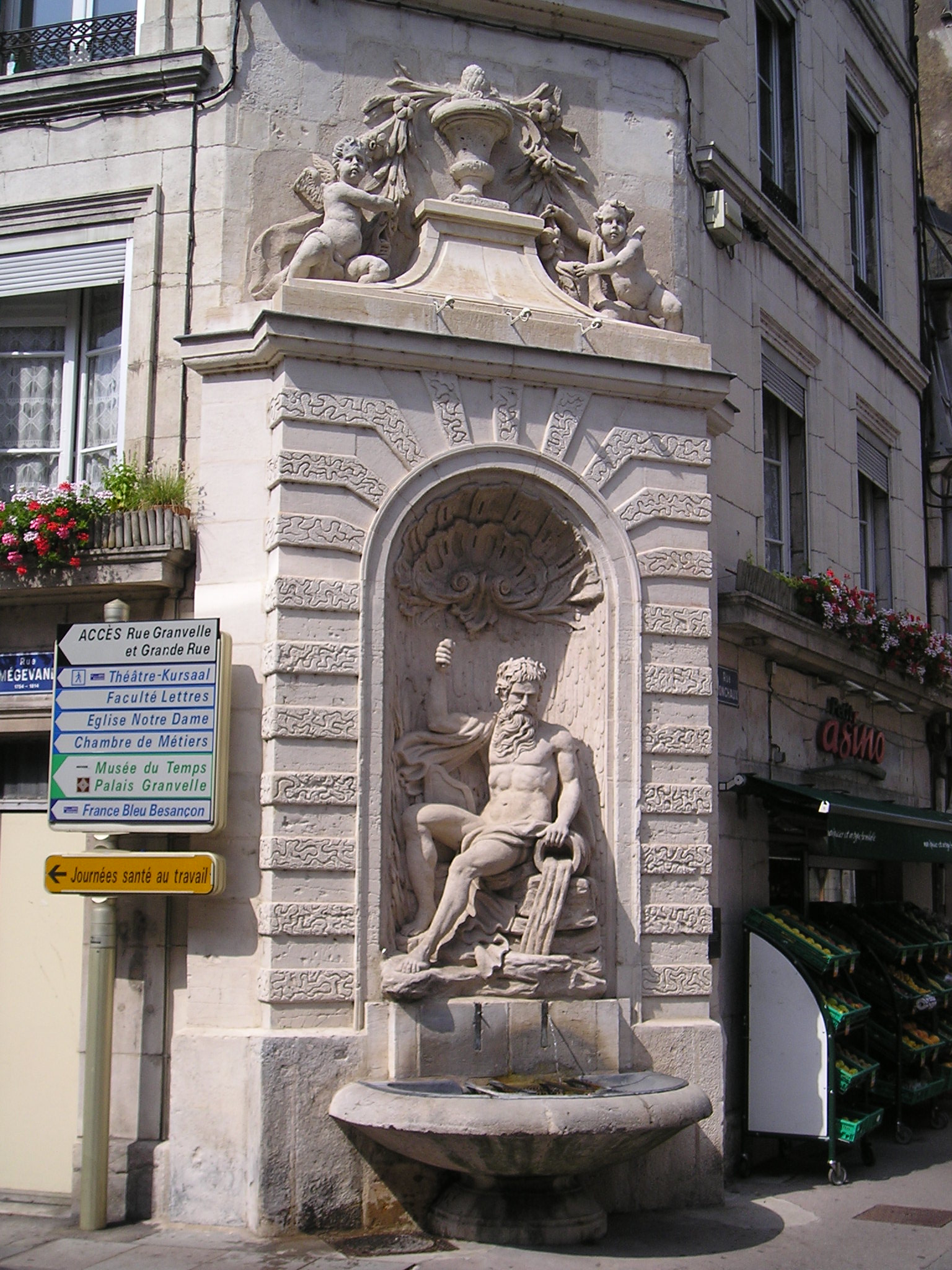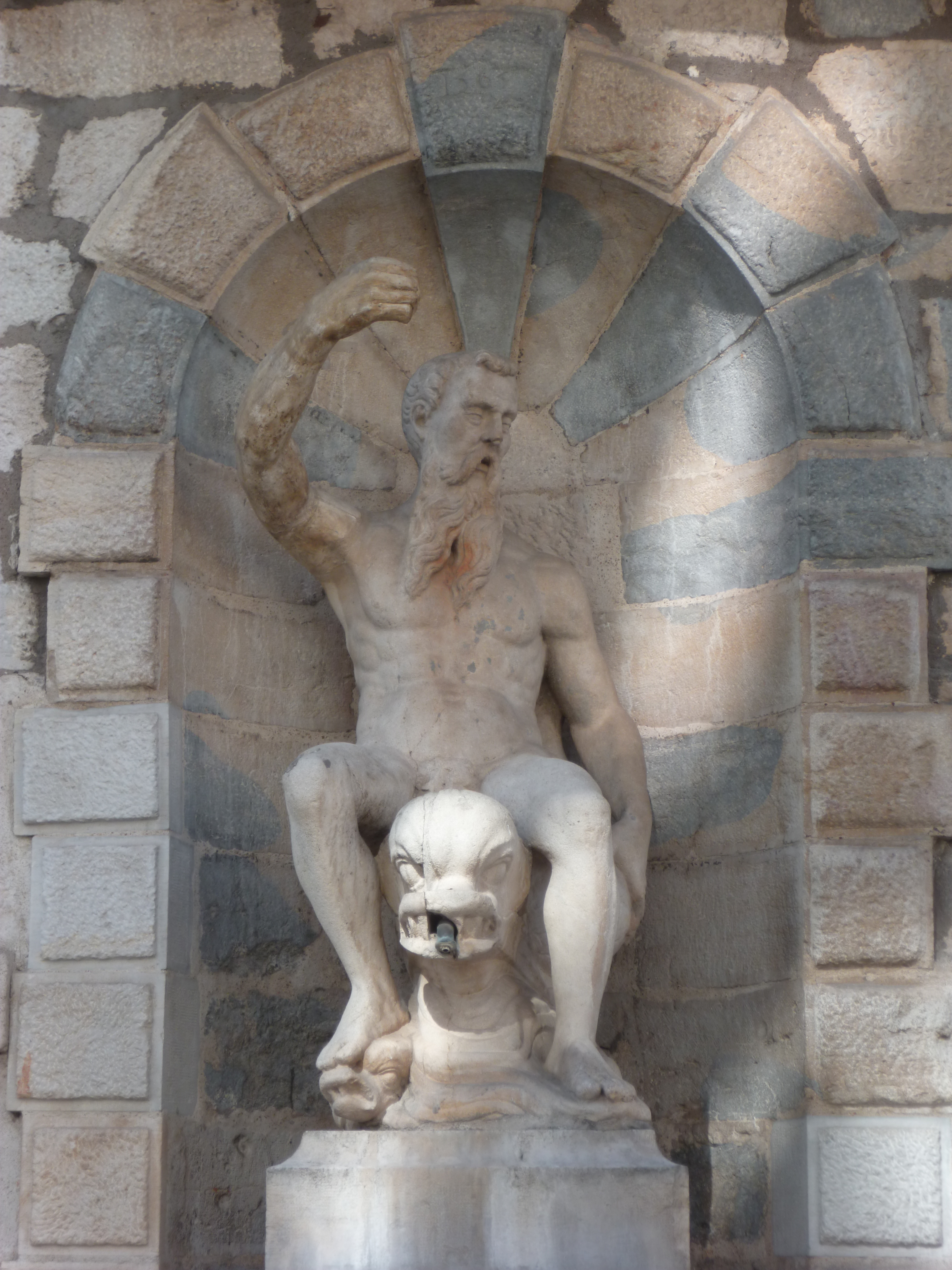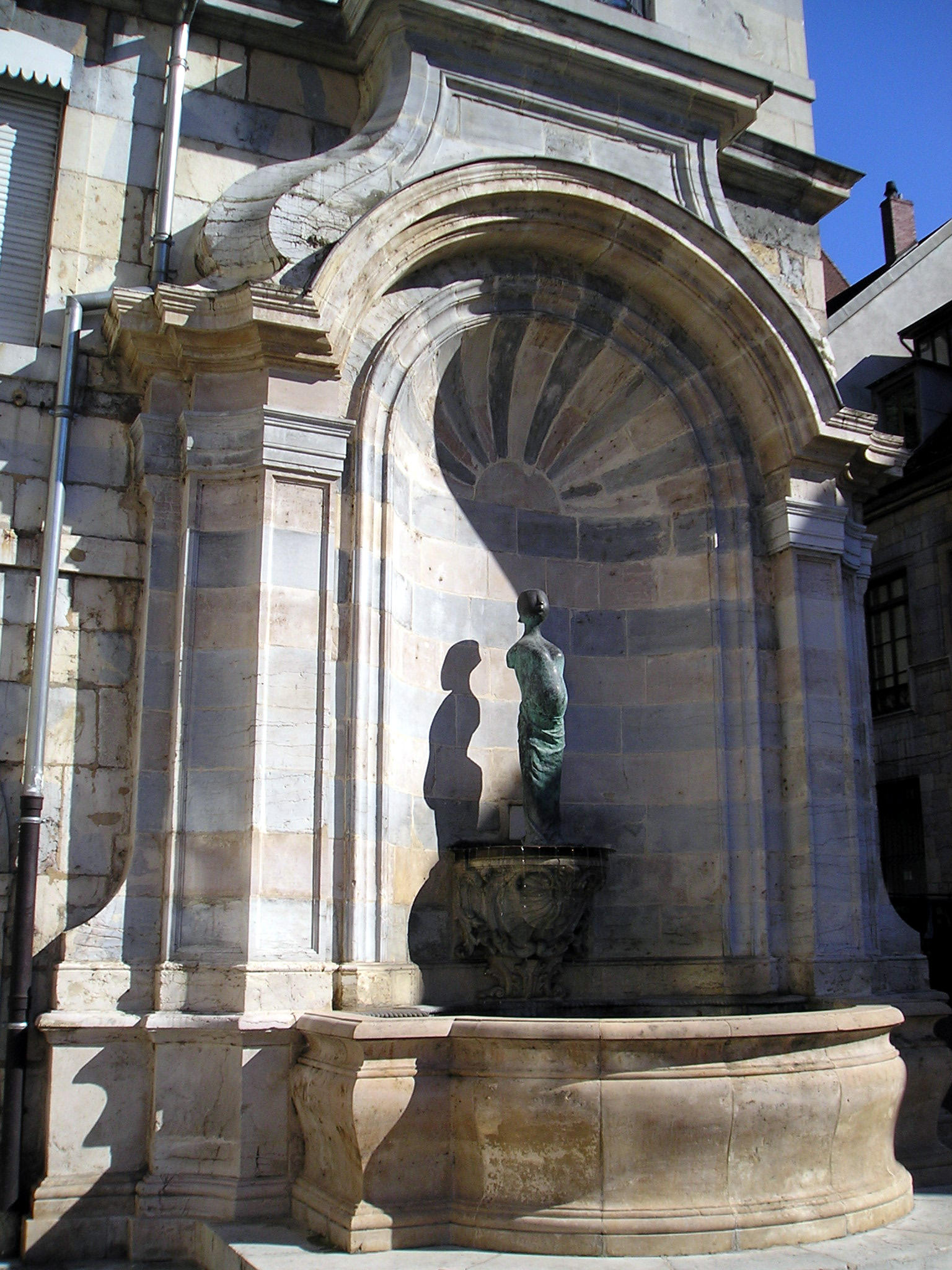
Fontaine Saint‑Quentin – A Hidden Jewel in the Heart of Besançon
Discover the charm of one of Franche‑Comté’s most understated fountains and learn how to make the most of your visit to Besançon, France.
Introduction
If you picture Besançon, the capital of Franche‑Comté, you might first think of the majestic Citadel, the winding Doubs River, or the bustling market squares. Yet tucked away among the historic streets lies a quieter, sparkling secret: Fontaine Saint‑Quentin. This elegant fountain, perched at the crossroads of daily life and centuries‑old heritage, offers travelers a perfect snapshot of French urban design, a splash of cool water on a summer stroll, and a peaceful spot for a quick photo‑op. Whether you’re a history buff, a photography enthusiast, or simply wandering the city’s cobblestones, the fountain is a small‑scale highlight that adds depth to any Besançon itinerary.
About Fontaine Saint‑Quentin
- Location: Place Saint‑Quentin, 25000 Besançon, Franche‑Comté, France
- Coordinates: 47.234657 N, 6.029636 E
- Type: Public fountain (stone basin with water jets)
The Fontaine Saint‑Quentin dates back to the 19th century, a period when French municipalities invested heavily in public waterworks and decorative street furniture. While the exact year of construction remains undocumented, the fountain’s classic stonework and modest yet graceful design echo the neoclassical aesthetics that were popular during the reign of Louis‑Philippe and the early Third Republic.
Historically, fountains like Saint‑Quentin served both practical and symbolic roles. They supplied clean drinking water to residents before indoor plumbing became universal, and they acted as focal points for community gatherings. In Besançon, the fountain is named after the nearby Saint‑Quentin church, reinforcing the link between civic and religious life in the old town.
Today, the fountain continues to be a beloved landmark for locals and visitors alike. Its steady flow of water creates a soothing soundscape that contrasts with the city’s lively markets, while the surrounding benches invite passers‑by to pause, sip a coffee, and soak up the atmosphere of a quintessential French square.
How to Get There
By Air
The nearest major airport is EuroAirport Basel‑Mulhouse‑Freiburg (BSL/MLH/EAP), located about 150 km from Besançon. From the airport, you can rent a car or take a direct train (via Basel or Mulhouse) to the city.
By Train
Besançon Ville station is a hub on the SNCF network, with high‑speed TGV connections to Paris (≈2 h 30 min) and regional TER services from Lyon, Dijon, and Strasbourg. From the station, the fountain is a short 15‑minute walk.
By Car
If you’re driving, follow the A36/E60 motorway toward Besançon. Take exit 14 for Besançon Centre and follow signs for Place Saint‑Quentin. Street parking can be scarce in the historic center, so look for nearby P+R (Park‑and‑Ride) facilities such as Parking du Quai or Parking de la Gare and continue on foot.
Walking & Public Transport
- Bus: Lines 1, 3, and 7 stop at “Saint‑Quentin” (stop code A‑23).
- Tram: The Besançon tram network (line T1) has a stop at “Saint‑Quentin” just a few meters from the fountain.
The fountain sits at the intersection of Rue de la Chaussée and Rue du 1er Novembre, making it easily reachable from most city‑center hotels and attractions.
Best Time to Visit
| Season | Why Visit? | Tips |
|---|---|---|
| Spring (Mar‑May) | Blossoming trees line the nearby streets, and the water temperature is pleasant. | Wear comfortable shoes for cobblestone walking. |
| Summer (Jun‑Aug) | Long daylight hours let you enjoy the fountain’s cool mist during hot afternoons. | Arrive early morning or late evening to avoid crowds. |
| Autumn (Sep‑Nov) | Golden foliage adds a warm backdrop; the fountain’s reflections look especially photogenic. | Bring a light jacket; the evenings can be chilly. |
| Winter (Dec‑Feb) | The fountain is quieter, and festive lights often decorate the square for the holidays. | Some water flow may be reduced; still worth a quick stop for atmosphere. |
Overall, late spring and early autumn provide the perfect balance of pleasant weather, fewer tourists, and vibrant city life.
What to Expect
When you step onto Place Saint‑Quentin, you’ll be greeted by a modest stone basin crowned with a simple, elegant water jet. The fountain’s design is deliberately understated, allowing the surrounding architecture—classic 19th‑century façades, wrought‑iron balconies, and the shadow of the nearby Saint‑Quentin church—to take center stage.
- Atmosphere: A gentle murmur of flowing water, occasional chatter from nearby cafés, and the occasional street musician.
- Photo Opportunities: Capture the fountain framed by historic arches, or shoot long‑exposure shots of the water at dusk when the square lights up.
- Accessibility: The square is level and wheelchair‑friendly; the fountain’s basin is low enough for children to see the water clearly.
- Nearby Amenities: A handful of cafés line the perimeter, offering espresso, croissants, and regional specialties like comté cheese and coq au vin. Public restrooms are available at the Bureau de Tourisme (10 minutes’ walk).
Because the fountain is a functional piece of urban infrastructure, it remains clean and well‑maintained by the city of Besançon. You’ll often see locals refilling water bottles—a reminder that historic fountains still serve a practical purpose today.
Nearby Attractions
While you’re in the area, make the most of the short walk to several other charming fountains and sites. All are within a 0.3 km radius, perfect for a leisurely afternoon itinerary.
- Fontaine Saint‑Jean – 0.1 km away. A slightly larger fountain with ornate bronze details, located near the historic Saint‑Jean church.
- Fontaine Pasche (also known as Fontaine Pasche) – 0.2 km away. Known for its decorative ironwork and a popular meeting point for locals.
- Fontaine du Doubs – 0.2 km away. Situated close to the riverbank, offering picturesque views of the Doubs River and the Citadel.
- Fontaine Wallace – 0.3 km away. One of the iconic Wallace fountains designed by Sir Charles Wallace, featuring a distinctive white stone column and a brass spout.
Beyond the fountains, you can easily reach the Citadel of Besançon, a UNESCO World Heritage site, or wander through the Old Town (Vieille Ville) with its medieval alleys, boutique shops, and vibrant market squares.
Travel Tips
- Carry a Reusable Water Bottle – The fountain’s water is potable, so you can stay hydrated while reducing plastic waste.
- Timing for Photography – Early morning (sunrise) or late evening (golden hour) provides soft lighting that enhances the stone textures.
- Combine with a Café Stop – Grab a coffee at Café de la Chaussée (just across the street) and enjoy people‑watching from the fountain’s bench.
- Check Local Events – The square occasionally hosts pop‑up markets, live music, or seasonal festivals. A quick glance at the Besançon Tourist Office website will tell you what’s on.
- Dress Comfortably – Cobblestone streets can be uneven; sturdy shoes are advisable.
- Safety – The area is safe day and night, but as with any tourist spot, keep an eye on personal belongings.
- Language – While French is the primary language, most shopkeepers and café staff speak basic English. A friendly “Bonjour” goes a long way!
Wrap‑Up
Fontaine Saint‑Quentin may not be the most famous landmark in Besançon, but its quiet elegance captures the spirit of French municipal art—functional, beautiful, and deeply rooted in community life. By placing this modest fountain into the broader context of Besançon’s historic streets, nearby fountains, and vibrant cultural scene, you’ll experience a slice of everyday French charm that many travelers overlook.
So, next time you find yourself wandering the picturesque lanes of Franche‑Comté, let the gentle splash of Saint‑Quentin guide you to a moment of calm, a perfect photo, and a deeper appreciation of Besançon’s timeless allure. Happy travels!