Introduction
Tucked away in the volcanic heart of Auvergne, the Cascade du Déroc is one of those hidden gems that makes every traveler’s heart skip a beat. Imagine a pristine ribbon of water tumbling down rugged limestone cliffs, surrounded by the emerald hues of the Chaudes‑Aigues countryside. Whether you’re a seasoned hiker, a nature‑photographer, or simply someone chasing the quiet magic of France’s lesser‑known waterfalls, the Cascade du Déroc promises an unforgettable encounter with raw, untouched beauty.
About Cascade du Déroc
A brief description
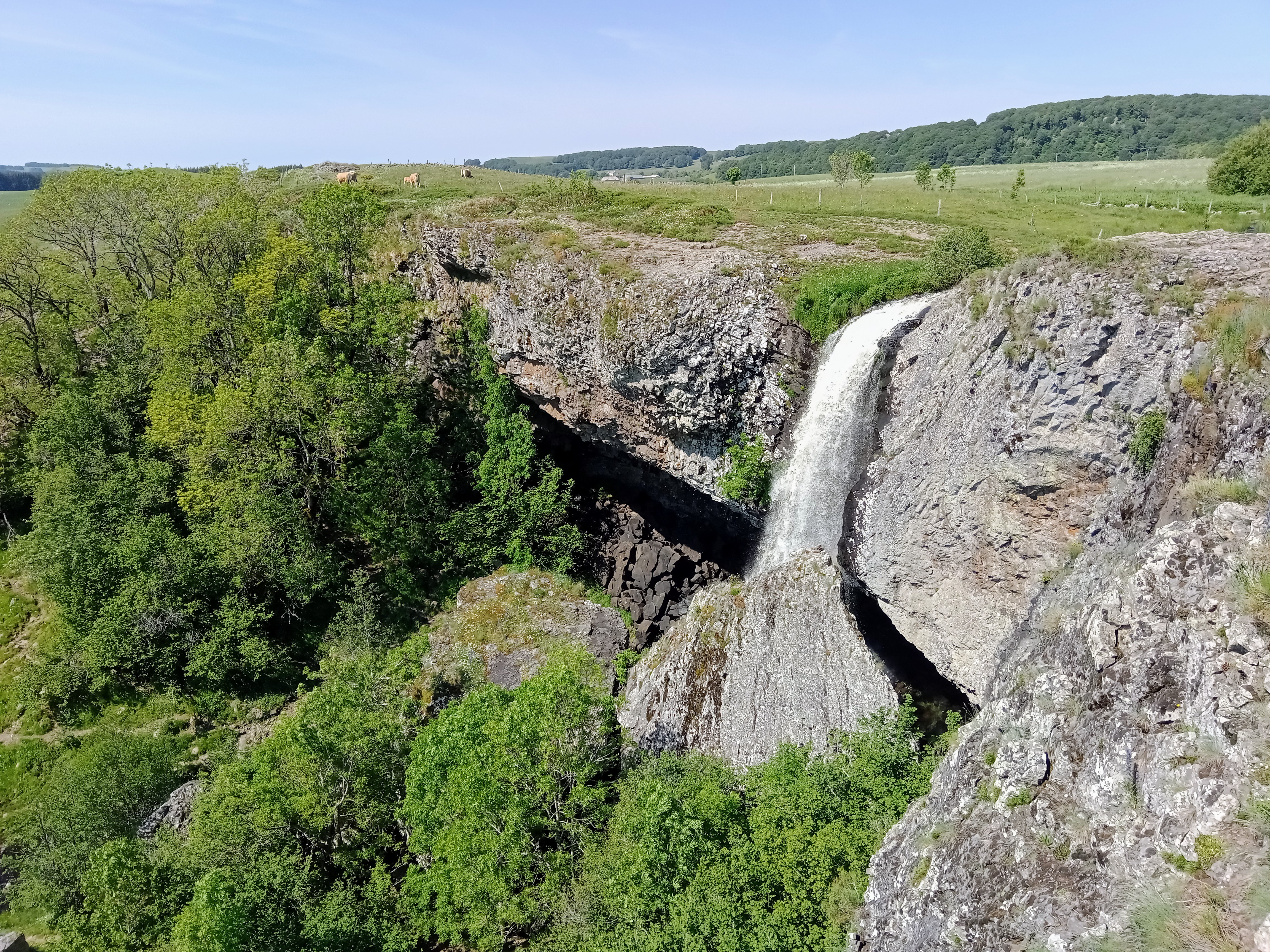
The Cascade du Déroc (pronounced “day‑rock”) is a natural waterfall located at the coordinates 44.645990, 3.070436 in the commune of Chaudes‑Aigues, a town famed for its thermal springs and medieval stone houses. While the exact height and altitude of the cascade remain undocumented, the waterfall’s charm lies in its secluded setting rather than its size. The water descends over a series of limestone ledges, creating a series of small pools that reflect the surrounding pine‑clad hills.
Historical and cultural significance
Although there is limited recorded history specific to the Cascade du Déroc, the broader region of Auvergne is steeped in volcanic heritage and ancient trade routes. Water sources like the Déroc have traditionally been vital for local agriculture, livestock, and the famous Chaudes‑Aigues thermal baths. The waterfall is part of the natural landscape that has inspired local folklore and continues to attract hikers who follow the old GR (Grande Randonnée) trails that criss‑cross the Massif Central.
Why it matters
For travelers seeking an authentic Auvergne waterfall experience, the Cascade du Déroc offers a peaceful retreat away from the crowds that flock to more commercial sites such as Puy de Dôme or Lac Pavin. Its remote location encourages mindfulness, allowing visitors to listen to the soothing roar of water, spot native wildlife, and immerse themselves in the region’s unspoiled geology.
How to Get There
By car
The most convenient way to reach the Cascade du Déroc is by car. From Clermont‑Ferrand, take the A75 motorway toward Le Puy‑en‑Velay, then exit onto D122 toward Chaudes‑Aigues. Follow the signs for Chaudes‑Aigues town centre; the waterfall lies just a short distance south of the village, near the local road that leads to the Canton de Saint‑Alban-sur-Limagnole. Parking is available in a small public lot on the edge of the village—just be sure to respect any posted restrictions.
By public transport
If you prefer public transport, take a TER train from Clermont‑Ferrand to Saint‑Alban-sur‑Limagnole (approximately 1 hour 45 minutes). From the station, local bus 27 runs a limited service to Chaudes‑Aigues on weekdays. Once in town, a short 15‑minute walk or a local taxi will bring you to the trailhead that leads to the cascade.
On foot
For the adventurous, the GR 4 long‑distance trail passes near Chaudes‑Aigues. Hikers can join the trail at the Chaudes‑Aigues stop and follow the marked forest path (signs for “Cascade du Déroc”) for about 1.2 km. The route is moderate, with a gentle ascent and a well‑maintained dirt track that leads directly to the waterfall’s base.
Best Time to Visit
| Season | What to Expect | Why It’s Ideal |
|---|---|---|
| Spring (March‑May) | Water flow is at its strongest after the winter melt; wildflowers begin to bloom. | Perfect for photographers chasing vibrant colors and powerful cascades. |
| Summer (June‑August) | Warm, sunny days; longer daylight hours for extended hikes. | Ideal for families and casual walkers, though water volume may be lower. |
| Autumn (September‑November) | Golden foliage frames the waterfall; cooler temperatures. | Great for tranquil walks and spotting migrating birds. |
| Winter (December‑February) | The cascade may be partially frozen, creating a dramatic icy tableau. | For the intrepid, a unique, almost mystical landscape—be prepared for icy paths. |
Overall, late spring to early autumn offers the most reliable combination of water flow, weather, and accessibility.
What to Expect
Arriving at the Cascade du Déroc, you’ll first notice the crisp, mineral‑rich scent of the surrounding forest. The trail opens onto a small clearing where the water thunders over a series of stepped rocks, creating a natural amphitheater of sound. Sunlight filters through the canopy, casting dancing reflections on the pool below—an inviting spot for a quick dip on a warm day (always check local regulations).
Wildlife is abundant: you may spot European otters playing near the water’s edge, kingfishers darting above the surface, and a chorus of tree frogs that add a melodic backdrop at dusk. The geology is equally fascinating; the limestone cliffs reveal layers of volcanic ash, a reminder of Auvergne’s fiery past.
The hike to the cascade is relatively short but offers several viewpoints. Along the way, interpretive panels explain the local ecosystem, and you’ll find benches where you can pause to soak in the serenity. The site is uncommercialized, meaning no souvenir stalls or loud music—just the pure, unfiltered sounds of nature.
Nearby Attractions
While the Cascade du Déroc can easily fill a half‑day itinerary, the surrounding Auvergne region boasts several additional natural wonders within a short drive:
| Attraction | Type | Distance from Déroc | Region |
|---|---|---|---|
| Unnamed Waterfall | Waterfall | 2.5 km | Midi‑Pyrénées |
| Unnamed Spring | Spring | 2.7 km | Midi‑Pyrénées |
| Unnamed Spring | Spring | 2.9 km | Midi‑Pyrénées |
| Unnamed Waterfall | Waterfall | 3.4 km | Midi‑Pyrénées |
| Fontaine du Cuisinier | Spring | 3.6 km | Auvergne |
While these spots lack formal names on major maps, they are marked on local hiking guides and can be reached via the same forest tracks that lead to the Déroc. For more detailed routes, consult the Chaudes‑Aigues tourist office or the regional Auvergne hiking portal.
Travel Tips
- Footwear matters – Wear sturdy, waterproof hiking boots with good ankle support. The trail can be slippery, especially after rain.
- Pack light, pack smart – Bring a small daypack with water, snacks, a rain jacket, and a compact camera or smartphone for quick photo stops.
- Respect the environment – The area is a protected natural site. Stick to marked paths, avoid picking flora, and carry out any litter.
- Check water levels – During dry summer months, the cascade’s flow may be reduced. If you’re hoping for a dramatic waterfall, aim for late spring or early autumn.
- Timing is everything – Arrive early in the morning (especially in summer) to beat any occasional crowds and capture the soft golden light.
- Local cuisine – After your hike, treat yourself to a hearty Auvergne cheese fondue or truffade at a nearby bistro in Chaudes‑Aigues.
- Safety first – The pool at the base can be deep and cold. If you’re not a strong swimmer, stay on the rocks and admire from a safe distance.
- Connectivity – Mobile signal can be patchy in the forest; download offline maps (e.g., Maps.me or AllTrails) before you set out.
- Seasonal closures – Occasionally, the trail may be closed for maintenance or due to extreme weather. Verify the status with the Chaudes‑Aigues mairie (town hall) before you travel.
Final Thought
The Cascade du Déroc may not appear on every travel brochure, but that’s precisely why it feels like a secret waiting to be discovered. Its tranquil waters, rugged limestone backdrop, and the surrounding Auvergne wilderness combine to offer a genuine slice of French nature that many tourists miss. Pack your boots, follow the forest path, and let the gentle roar of the Déroc guide you into a moment of pure, unfiltered serenity.
Ready to explore? Book your trip to Chaudes‑Aigues today, and let the Cascade du Déroc become the highlight of your Auvergne adventure.
For more information, see the French Wikipedia entry: Cascade du Déroc.