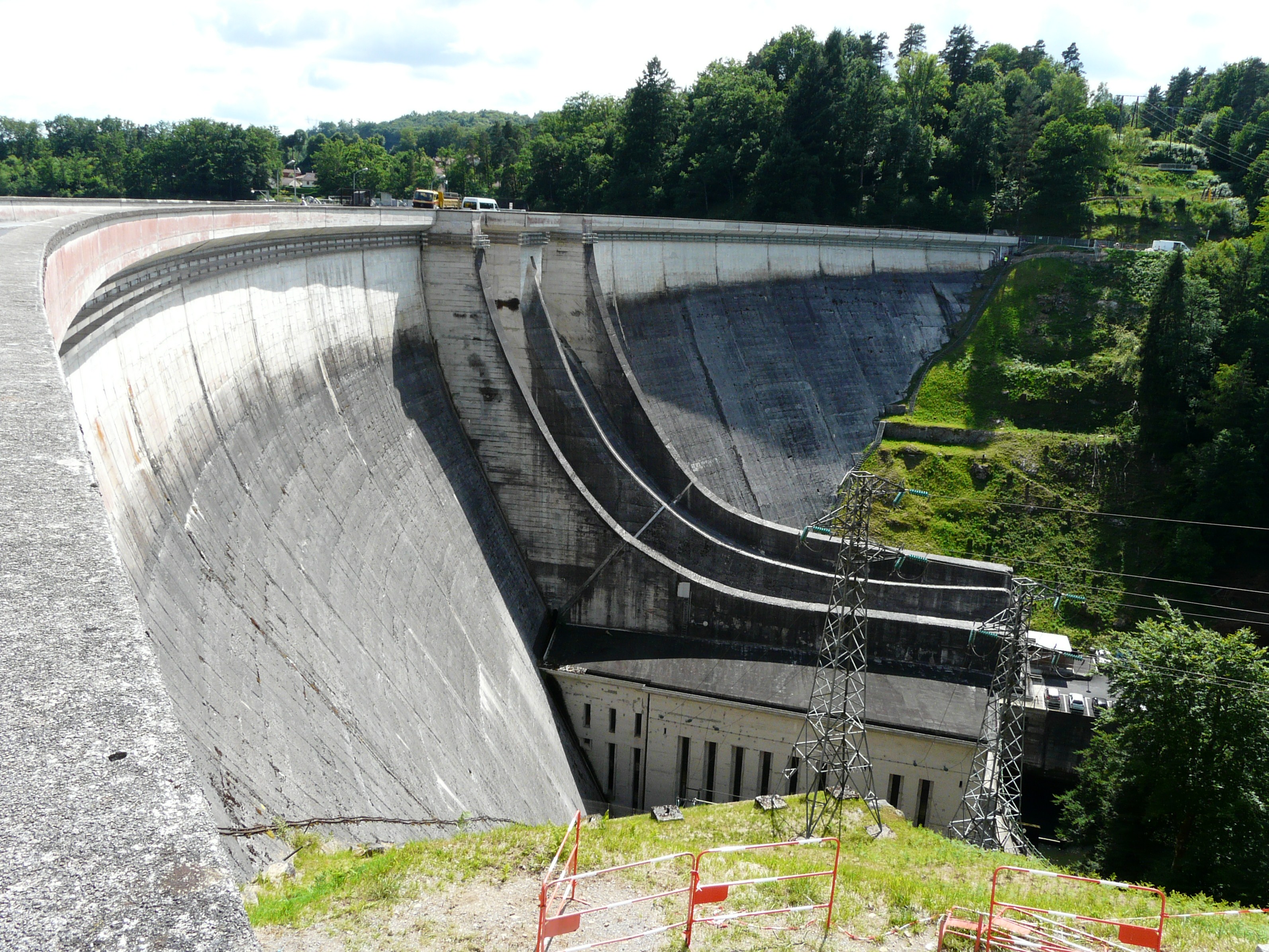
Barrage de Saint‑Étienne‑Cantalès – A Hidden Gem in the Heart of Auvergne
Discover the striking concrete marvel that spans the Cantalès valley, the serene lake it creates, and the charming Auvergnat countryside that surrounds it.
Introduction
If you think France is only about vineyards, cathedrals, and the Riviera, think again. Deep in the volcanic plateau of Auvergne lies a piece of modern engineering that feels more like a natural landmark than a utility structure: the Barrage de Saint‑Étienne‑Cantalès. Rising 69 metres above the river, this dam forms a crystal‑clear reservoir that mirrors the rolling hills and sky‑blue horizons of the Massif Central. Whether you’re a photography enthusiast, a lover of industrial heritage, or simply seeking a tranquil spot off the beaten path, the dam offers a surprisingly rich experience for any traveler.
About Barrage de Saint‑Étienne‑Cantalès
A Brief History
Constructed in the 20th century to regulate water flow and generate hydro‑electric power, the Barrage de Saint‑Étienne‑Cantalès (French for “Saint‑Étienne‑Cantalès Dam”) is part of a network of reservoirs that support the agricultural and energy needs of the Cantal and Aveyron departments. While the exact inauguration date is not widely publicised, the dam’s concrete gravity design reflects the engineering trends of the post‑war era, when France invested heavily in renewable energy infrastructure.
Technical Highlights
- Type: Concrete gravity dam 🏗️
- Height: 69 m (approximately 226 ft)
- Location: Laroquebrou, Auvergne, France (44.945334 N, 2.218382 E)
- Primary Functions: Water regulation, hydro‑electric power generation, flood control
The dam creates a sizable lake that stretches across the valley, offering a calm surface for boating, fishing, and picnicking. Its robust structure blends seamlessly with the rugged limestone cliffs, making it a striking visual focal point for anyone traveling through the region.
Why It Matters
Beyond its practical role, the Barrage de Saint‑Étienne‑Cantalès symbolizes the balance between human ingenuity and the pristine Auvergnat landscape. It is a reminder of how sustainable energy projects can coexist with natural beauty, a narrative that resonates with today’s eco‑conscious travelers.
How to Get There
By Air
The nearest international gateway is Clermont‑Ferrand Auvergne Airport (CFE), located about 90 km north‑east of the dam. From the airport, rent a car and follow the A75 motorway toward Saint‑Étienne‑Cantalès. The drive takes roughly 1 hour 30 minutes, winding through scenic countryside and volcanic peaks.
By Train
Clermont‑Ferrand is also a major rail hub. Take a TER (regional) train to Laroquebrou or the nearby Aurillac station. From there, a short taxi ride or a local bus (if available) will drop you near the dam’s parking area.
By Car
If you’re exploring Auvergne by road, the dam is conveniently accessed via the D922 (formerly N122) that runs alongside the Cantalès reservoir. Follow the signs for Laroquebrou and look for the “Barrage de Saint‑Étienne‑Cantalès” marker – a large concrete wall visible from the road.
Parking & Access
A modest parking lot sits at the dam’s foot, offering free daytime parking for cars and bicycles. The site is open year‑round, but be aware that winter weather can affect road conditions, especially after heavy snowfall.
Best Time to Visit
| Season | Highlights | Why Visit |
|---|---|---|
| Spring (April‑June) | Wildflowers bloom along the reservoir’s banks; water levels rise with meltwater. | Ideal for photography and gentle walks. |
| Summer (July‑August) | Warm, sunny days perfect for picnics, kayaking, and swimming. | Longer daylight hours for extended exploration. |
| Autumn (September‑October) | Golden foliage reflects on the lake; cooler temperatures. | Tranquil atmosphere and fewer crowds. |
| Winter (November‑March) | Snow‑capped hills create dramatic contrasts; the dam’s silhouette is striking. | Great for dramatic landscape shots, but check road conditions. |
Overall, late spring to early autumn offers the most comfortable weather for outdoor activities, while early autumn provides a perfect blend of color and calm.
What to Expect
Scenic Views
Approach the dam and you’ll be greeted by a broad expanse of water that mirrors the sky and surrounding peaks. The concrete wall itself, with its clean lines, offers a striking contrast to the verdant hills and the occasional patch of pine forest.
Walking & Photography
A well‑maintained footpath runs parallel to the reservoir, allowing you to stroll at your own pace while stopping at designated viewpoints. Photographers love the golden hour when the sun casts a warm glow over the water, highlighting the dam’s geometric form.
Outdoor Activities
- Kayaking & Canoeing: Small rental points are occasionally set up by local clubs during summer.
- Fishing: The lake is stocked with trout and pike; a regional fishing permit is required.
- Picnicking: Picnic tables are scattered near the parking area, offering a perfect spot for a lunch break with a view.
Educational Elements
Interpretive panels near the entrance explain the dam’s construction, its role in hydro‑electric generation, and its impact on the local ecosystem. It’s a subtle yet informative way to appreciate the engineering behind the scenery.
Nearby Attractions
While the Barrage de Saint‑Étienne‑Cantalès is the star of the show, the surrounding area boasts several charming sites worth a short detour:
- Local Fountain (0.6 km) – A quaint stone fountain nestled in a small village square. Perfect for a quick photo stop.
- Barrage de Nèpes (1.8 km) – Another impressive dam in the region. Learn how multiple reservoirs work together to manage water flow. Read more on Wikipedia
- Fountain of Saint‑Pierre (3.2 km) – A historic fountain with traditional Auvergnat stonework.
- Fountain of La Riviere (3.3 km) – A serene spot where locals gather for water and conversation.
- Fountain of Le Moulin (3.3 km) – Overlooking a small waterfall, this fountain offers a peaceful setting for contemplation.
All of these attractions are within a short drive or even a leisurely bike ride from the dam, allowing you to craft a full‑day itinerary that blends engineering marvels with cultural charm.
Travel Tips
| Tip | Details |
|---|---|
| Check Weather Forecast | Auvergne’s climate can shift quickly, especially in the mountains. Pack layers and waterproof gear. |
| Bring a Picnic | While there are small cafés in Laroquebrou, the lakeside offers the best backdrop for a meal. |
| Respect the Environment | The reservoir supplies drinking water; avoid littering and follow local signage. |
| Safety First | The dam’s edge can be slippery when wet. Keep children supervised and stay on marked paths. |
| Photography Gear | A wide‑angle lens captures the dam’s scale; a polarizing filter reduces glare on the water. |
| Local Cuisine | Try the regional aligot (a cheese‑potato mash) or a glass of Côtes d'Auvergne wine at a nearby bistro. |
| Timing | Arrive early in the morning (especially in summer) to avoid the occasional weekend crowd and enjoy softer light for photos. |
| Parking | The lot fills up quickly on sunny days; consider using the bicycle path if you’re staying nearby. |
| Language | Basic French phrases go a long way; most locals appreciate the effort. |
| Connectivity | Mobile signal can be spotty near the reservoir; download offline maps beforehand. |
Final Thoughts
The Barrage de Saint‑Étienne‑Cantalès may not appear on every tourist brochure, but that’s exactly what makes it a rewarding destination for the curious traveler. It offers a unique blend of engineering grandeur, natural beauty, and authentic Auvergnat atmosphere—all within a short drive from the historic towns of Laroquebrou and Aurillac. Pack your camera, bring a sense of adventure, and let this hidden dam become a memorable highlight of your French road‑trip itinerary.
Ready to explore? Start planning your visit to the dam today and discover why Auvergne’s waterways are a treasure worth seeking.