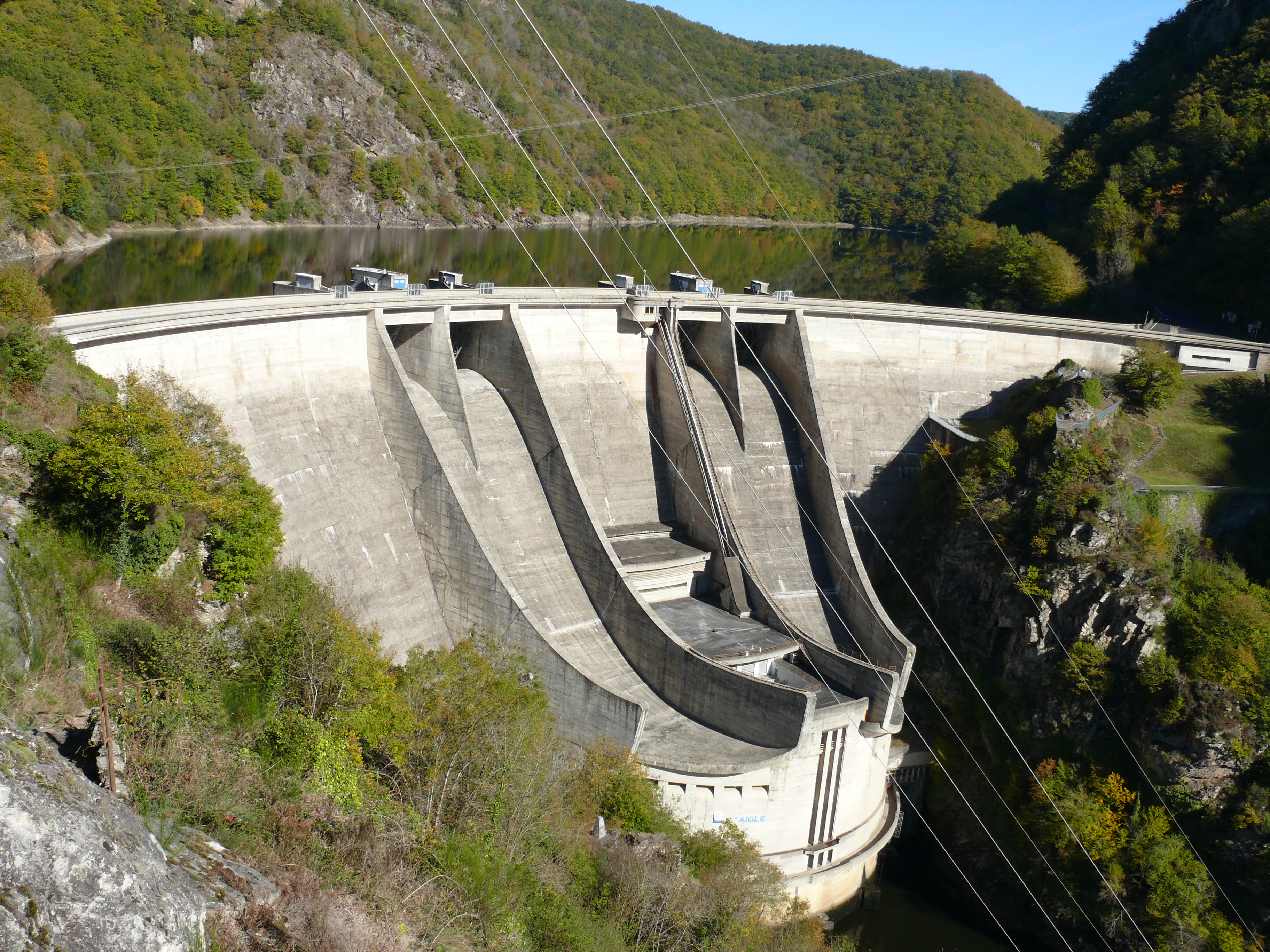
Barrage de l'Aigle – A Hidden Gem in the Heart of Auvergne, France
Discover the quiet majesty of this 84‑metre dam, the surrounding waterfalls, and the authentic charm of Pleaux.
1. Introduction
If you think the French countryside is only about vineyards and medieval towns, think again. Nestled in the rolling hills of Auvergne lies Barrage de l'Aigle, a sleek concrete dam that quietly commands the landscape at 45.243443 N, 2.224721 E. While it may not have the fame of the Eiffel Tower, this 84‑metre‑high structure offers a perfect blend of engineering intrigue, breathtaking water vistas, and easy access to pristine nature spots—making it an off‑the‑beaten‑path destination for travelers who love water, photography, and French rural life.
In this guide, we’ll dive into the dam’s story, how to reach it, the best time to visit, what you’ll experience on site, and the nearby attractions that can turn a quick stop into a full‑day adventure.
2. About Barrage de l'Aigle
A Brief History
Built in the mid‑20th century, Barrage de l'Aigle (literally “Eagle Dam”) was part of a wave of hydro‑electric projects that helped modernize the Auvergne region. The dam’s primary purpose is to regulate the flow of the Vézère River, providing water for downstream irrigation and generating clean electricity for the surrounding communes.
While the exact year of construction is not listed in the public sources, the dam’s design reflects the functional, concrete style typical of French post‑war infrastructure—solid, efficient, and built to last. Its 84‑metre height makes it a noticeable landmark from the surrounding valleys, yet it blends harmoniously with the limestone cliffs and forested slopes that characterize the Massif Central.
Why It Matters
- Renewable Energy – The dam contributes to France’s commitment to renewable power, supplying clean electricity to local towns.
- Water Management – By controlling the Vézère’s flow, it helps prevent floods during heavy rains and ensures a steady water supply during dry periods.
- Scenic Value – The reservoir created by the dam offers a mirror‑like surface that reflects the surrounding hills, making it a favorite spot for photographers and nature lovers.
If you want to learn more about the technical details, the French Wikipedia page provides a concise overview: Barrage de l'Aigle (fr).
3. How to Get There
By Air
The nearest commercial airport is Brive–Souillac Airport (BVE), located about 45 km (≈ 30 mi) north‑west of Pleaux. From the airport, you can rent a car or take a regional bus to Brive‑la‑Gaillarde, then continue by road to the dam.
By Train
Brive‑la‑Gaillarde train station is a major stop on the SNCF network, with connections from Paris, Toulouse, and Limoges. From Brive, you can catch a local bus (line 6) toward Pleaux or simply drive the 30‑minute 30 km route.
By Car
Driving is the most flexible option. Here’s a simple route from Brive‑la‑Gaillarde:
- Take the D940 heading south toward Saint‑Privat.
- Turn left onto D921 (signs for Pleaux).
- Follow the D921 for about 12 km; you’ll pass the small village of Le Bourg.
- Look for the sign “Barrage de l'Aigle – Parking” on the right side of the road.
The dam’s parking area is modest but sufficient for a few cars and a couple of bicycles. If you’re coming from Limoges, the journey is about 1.5 hours via the A20 and D921.
Public Transport
Regional bus line C5 (operated by SIVOM de la Haute Vézère) runs a few times daily between Brive‑la‑Gaillarde and Pleaux. Check the latest timetable on the SIVOM website before you travel, as service can be limited on weekends.
4. Best Time to Visit
| Season | Weather | Why Visit | Tips |
|---|---|---|---|
| Spring (Mar–May) | Mild temperatures (12‑18 °C), blooming wildflowers | Water levels are rising, making the reservoir sparkle; fewer tourists. | Bring a light rain jacket; early mornings are great for sunrise shots. |
| Summer (Jun–Aug) | Warm (20‑28 °C), occasional thunderstorms | Ideal for picnics and hiking; longer daylight hours. | Pack sunscreen, stay hydrated, and watch for sudden rain showers. |
| Autumn (Sep–Nov) | Cool (10‑16 °C), colorful foliage | The forest around the dam turns gold and crimson—perfect for landscape photography. | Weekdays are quieter; bring a warm layer for evenings. |
| Winter (Dec–Feb) | Cold (0‑6 °C), occasional snow | Quietest period; the dam’s icy silhouette is striking. | Check road conditions; some paths may be slippery. |
Overall, late spring to early autumn offers the most comfortable weather for outdoor activities, while mid‑week visits help you avoid the occasional weekend crowd from nearby towns.
5. What to Expect
The Visual Experience
Approaching Barrage de l'Aigle, the first thing you’ll notice is the clean, white concrete face of the dam set against the deep green of the surrounding forest. The reservoir stretches out like a glassy lake, reflecting the sky and the gentle hills beyond. From the designated viewpoint near the parking lot, you can walk a short, well‑maintained trail to a wooden railing that offers an unobstructed view of the spillway—especially impressive when water is released.
Activities
- Photography – Capture the dam’s geometric lines, the mist from the spillway, and the sunrise over the reservoir.
- Walking & Hiking – A network of forest paths (marked with white blazes) circles the dam, leading to small lookouts and picnic spots.
- Birdwatching – The area is a quiet stopover for raptors, including the occasional golden eagle—an apt namesake!
- Picnicking – Picnic tables are available near the main viewpoint. Bring local Auvergne cheese and a baguette for an authentic French outdoor meal.
Facilities
- Restrooms – Basic toilets are available near the parking area.
- Information Board – A bilingual (French/English) board explains the dam’s purpose and offers safety guidelines.
- Accessibility – The main viewpoint is wheelchair‑friendly; however, some forest trails are uneven and better suited for sturdy shoes.
6. Nearby Attractions
A short drive (or a leisurely hike) from Barrage de l'Aigle opens up a handful of natural wonders that enrich the day’s itinerary.
| Attraction | Distance | Type | Why Go? | Link |
|---|---|---|---|---|
| Cascade du Saut Sali | 1.6 km | Waterfall | A picturesque cascade tucked in a mossy gorge—perfect for a quick splash or photo stop. | Cascade du Saut Sali (fr) |
| Unnamed Waterfall | 1.7 km | Waterfall | A lesser‑known fall that offers a tranquil setting for meditation or a quiet picnic. | — |
| Dam in Limousin | 4.3 km | Dam | Another example of French hydro‑engineering, showing the regional network of water management. | — |
| Barrage des Esprats | 4.4 km | Dam | Slightly larger than l’Aigle, this dam provides a contrasting view of concrete architecture against the Auvergne landscape. | Barrage des Esprats (fr) |
| Unnamed Spring | 5.0 km | Spring | Crystal‑clear spring water emerging from limestone—ideal for a short nature walk. | — |
Suggested Day Loop: Start at Barrage de l'Aigle, walk to Cascade du Saut Sali, continue to the nearby unnamed waterfall, then drive or hike to Barrage des Esprats. Finish with a relaxing stop at the spring before heading back.
7. Travel Tips
- Check Water Release Schedules – The dam occasionally opens its spillway for maintenance or flood control. Visiting during a release creates a spectacular water plume, but it can also be noisy. Look for posted schedules at the information board or ask locals.
- Bring Cash – While most nearby towns accept cards, small rural cafés and the occasional vending machine near the dam may be cash‑only.
- Dress in Layers – The temperature near the water can be cooler than the surrounding hills, especially in spring and autumn.
- Respect the Environment – Stay on marked trails, carry out all litter, and avoid disturbing nesting birds. The area is part of a protected watershed.
- Local Cuisine – After your dam visit, stop in Pleaux for a hearty Aligot (a cheese‑potato dish) or a glass of Cantal cheese wine. It’s the perfect way to refuel.
- Connectivity – Mobile signal can be spotty near the reservoir. Download maps offline (e.g., using Maps.me) before you set out.
- Parking Fees – Parking is free for up to 2 hours; longer stays may require a small fee (usually €1‑2). Keep change handy.
Final Thought
Barrage de l'Aigle may not be on every tourist brochure, but that’s exactly why it feels like a secret worth sharing. Whether you’re an engineering enthusiast, a nature photographer, or simply a traveler craving authentic French countryside experiences, this dam and its surrounding waterfalls provide a serene, photogenic backdrop that’s both educational and soul‑soothing. Pack your camera, your curiosity, and a sense of adventure—Auvergne’s hidden reservoir awaits.
Keywords: Barrage de l'Aigle, dam in Auvergne, Pleaux travel, Vézère River, Cascade du Saut Sali, Barrage des Esprats, Auvergne waterfalls, French hydro‑electric dam, things to do in Auvergne, outdoor activities in France.