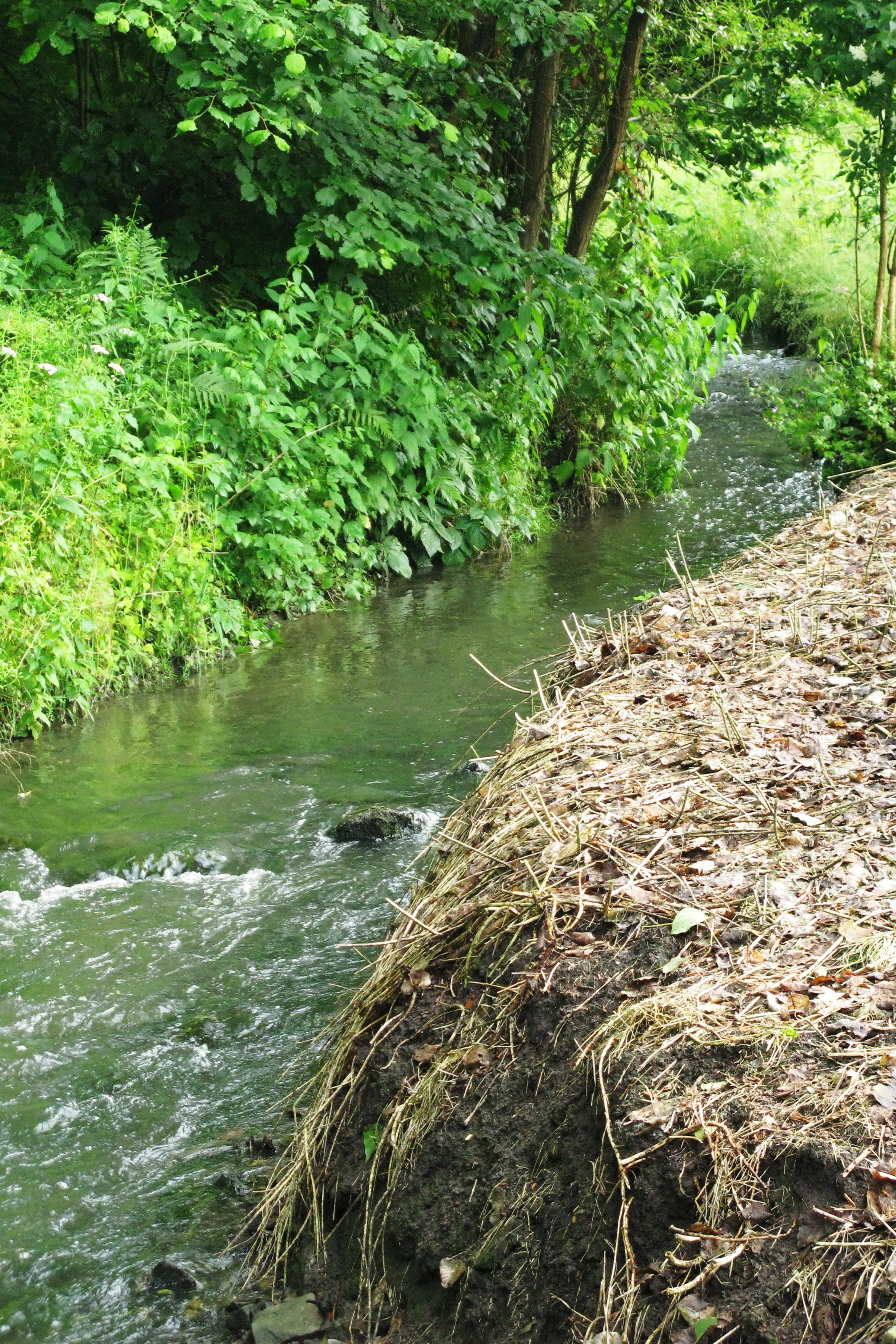
Discover the Hidden Gem of Wallonia: Source de la Julienne 1
If you’re chasing crystal‑clear water, tranquil forest paths, and a slice of authentic Belgian countryside, look no further than Source de la Julienne 1. Nestled in the rolling hills of Fleron, this modest spring packs a punch of natural beauty that will leave any nature lover refreshed and inspired.
1. Introduction
Imagine stepping off a quiet country lane, the scent of pine and damp earth filling the air, and stumbling upon a pristine spring bubbling up from the ground. That’s the moment you’ll experience at Source de la Julienne 1, a hidden water source in the heart of Wallonia, Belgium. Though it doesn’t boast towering waterfalls or dramatic cliffs, its subtle charm lies in the purity of its water, the serenity of its surroundings, and the sense of discovery that comes with finding a secret spot off the beaten path.
For hikers, photographers, and anyone craving a peaceful retreat, this spring offers a perfect micro‑adventure that can be combined with nearby attractions such as Source de la Julienne 2 and the historic Fontaine de Tignée. Read on to learn everything you need to know to make the most of your visit.
2. About Source de la Julienne 1
What Is It?
- Type: Natural spring (💧)
- Location: Fleron, Wallonia, Belgium
- Coordinates: 50.630555 N, 5.694513 E
The spring is part of the Julienne watercourse, which is documented on the French‑language Wikipedia page for Julienne (ruisseau). While the exact altitude and height of the spring remain unrecorded, its location within the lush, forested terrain of the Fleron region hints at a modest elevation that contributes to its clear, cool flow.
A Brief Historical Glimpse
Historically, small springs like Source de la Julienne 1 have served local communities for centuries, providing drinking water, irrigation, and a gathering place for villagers. Although specific archival records for this particular spring are scarce, the broader Julienne stream has been referenced in regional maps dating back to the 19th century, underscoring its long‑standing role in the natural landscape of Wallonia.
Why It Matters
- Ecological value: Springs are vital habitats for amphibians, insects, and plant species that thrive in moist micro‑environments.
- Cultural heritage: In many Walloon villages, springs were considered sacred or communal resources, weaving them into local folklore.
- Tourism appeal: For travelers seeking off‑the‑radar destinations, Source de la Julienne 1 offers an authentic, low‑impact nature experience.
3. How to Get There
By Car
- From Namur: Take the E411 highway north toward Jambes and exit at Namur‑Centre. Follow the N4 road toward Fleron.
- Turn onto the local road Chemin de la Julienne (signage may be limited; a GPS device set to the coordinates 50.630555, 5.694513 is the most reliable guide).
- Parking: A small gravel parking area sits just off the road, providing space for 2–3 cars. The site is unstaffed, so arrive early during peak weekend months.
By Public Transport
- Train: The nearest train station is Namur, served by SNCB Intercity trains from Brussels, Liège, and Luxembourg.
- Bus: From Namur station, take TEC bus line 140 toward Fleron; alight at the “Julienne” stop (approximately a 15‑minute ride).
- Walking: From the bus stop, it’s a pleasant 10‑minute walk along a forest trail to the spring. The path is well‑marked but may be uneven in places, so wear sturdy shoes.
By Bike
The region’s quiet country roads and dedicated cycling lanes make a bike ride an enjoyable option. Expect a moderate climb of 150‑200 m over a 12‑km round‑trip from Namur.
4. Best Time to Visit
| Season | What to Expect | Why It’s Ideal |
|---|---|---|
| Spring (April‑June) | Fresh foliage, blooming wildflowers, higher water flow | The spring’s water is at its clearest, and the surrounding forest is vibrant. |
| Summer (July‑August) | Warm temperatures, longer daylight | Perfect for picnics, though the water may be slightly warmer. |
| Autumn (September‑October) | Golden leaves, cooler air, quieter trails | Photographers love the soft light and rich colors. |
| Winter (November‑March) | Frosty mornings, occasional snow | The spring can look magical under a thin veil of ice, but access may be limited after heavy snowfall. |
Tip: The best overall experience is during late spring (mid‑May to early June) when the forest is alive, the water is brisk, and visitor numbers are still low.
5. What to Expect
The Sensory Experience
- Sight: A modest, clear pool surrounded by moss‑covered stones and low‑lying ferns. The water gently bubbles from the earth, creating a subtle, ever‑moving surface.
- Sound: The soft murmur of the spring blends with birdsong and the rustle of leaves—a natural white‑noise soundtrack.
- Touch: If you feel adventurous, dip your hand in the cool water; it’s often described as “mountain‑fresh,” despite the modest elevation.
- Smell: Earthy pine and damp soil dominate, with occasional hints of wild mint growing nearby.
Activities
- Photography: Capture macro shots of water droplets on stones or wide‑angle views of the forest canopy.
- Short Hikes: The spring serves as a waypoint on several local trails that loop back to Source de la Julienne 2 (0.3 km away).
- Picnicking: Bring a blanket and a light snack; the area offers a peaceful spot for a quiet lunch.
- Birdwatching: The surrounding woods attract species such as the European robin, blackcap, and occasionally the elusive woodpecker.
Facilities
There are no built‑in amenities (toilets, cafés, or visitor centers) at the spring, preserving its natural state. However, the nearby parking area includes a simple information board that points out local flora and the spring’s ecological importance.
6. Nearby Attractions
While Source de la Julienne 1 can easily fill a half‑day itinerary, the surrounding region boasts several complementary sights:
| Attraction | Distance | What to See | Link |
|---|---|---|---|
| Source de la Julienne 2 | 0.3 km | A sister spring with similar crystal‑clear water; great for a quick side‑trip. | Julienne (ruisseau) – Wikipedia (FR) |
| Fontaine de Tignée | 2.1 km | Historic fountain built in the 19th century, featuring ornate stonework. | No dedicated page – search “Fontaine de Tignée Wallonia” |
| Unnamed Fountain (2.9 km) | 2.9 km | Small rural fountain often used by locals; perfect for a quick photo stop. | No dedicated page – search “fountain Wallonia near Fleron” |
| Unnamed Fountain (3.4 km) | 3.4 km | Another charming water feature tucked away in a meadow. | No dedicated page – search “fountain Wallonia near Fleron” |
| Unnamed Spring (3.9 km) | 3.9 km | A secluded spring surrounded by a birch grove; ideal for quiet contemplation. | No dedicated page – search “spring Wallonia near Fleron” |
Pro tip: Combine these spots into a “Water‑Way” walking loop that starts at Source de la Julienne 1, visits the nearby spring, and ends at Fontaine de Tignée. The total distance is roughly 5 km, suitable for a leisurely afternoon.
7. Travel Tips
| Tip | Details |
|---|---|
| Bring a map or GPS | Mobile signal can be spotty in the forest; offline maps ensure you stay on track. |
| Wear waterproof shoes | The terrain around the spring can be slippery, especially after rain. |
| Respect the environment | No littering; keep the water pristine by avoiding soaps or detergents. |
| Pack a reusable water bottle | While the spring water looks tempting, it’s best to treat it before drinking if you’re unsure about its safety. |
| Check weather forecasts | Heavy rain can swell the spring’s flow, making the banks muddy. |
| Visit early on weekends | The site is popular with local families; arriving before 10 am guarantees a quieter experience. |
| Photography etiquette | If you’re using a tripod, be mindful of other visitors and avoid blocking the path. |
| Local cuisine | After your visit, stop in the nearby village of Fleron for a traditional Walloon dish like boulets à la liégeoise (meatballs in a sweet‑sour sauce). |
Conclusion
Source de la Julienne 1 may not be a headline attraction, but its understated beauty and tranquil atmosphere embody the spirit of Wallonia’s hidden natural treasures. Whether you’re a seasoned hiker, a curious photographer, or simply someone looking to escape the hustle of city life, this spring offers a refreshing pause in the heart of Belgium’s green countryside.
Plan your trip, pack your sense of adventure, and let the gentle murmur of the water guide you into a moment of pure, unfiltered serenity.
Happy travels, and may the spring’s crystal‑clear waters refresh both your body and your soul!