Fontaine Saint‑Jean‑Baptiste – Liège’s Hidden Water Jewel
Discover the charm of one of Wallonia’s most understated fountains, right in the heart of Liège.
Introduction
If you think of Liège, the first images that come to mind are probably its bustling Place Saint‑Lambert, the towering Montagne de Bueren, or the vibrant Côteaux de la Citadelle. Yet tucked away among the city’s historic streets is a quieter treasure that often slips past the typical tourist radar: the Fontaine Saint‑Jean‑Baptiste. This modest yet elegant fountain invites travelers to pause, sip the atmosphere, and soak up a slice of authentic Belgian urban life. Whether you’re a seasoned “fountain‑hopping” enthusiast or simply looking for a photogenic spot to break up a day of sightseeing, this water feature is a must‑see on any Liège itinerary.
About Fontaine Saint‑Jean‑Baptiste
Description
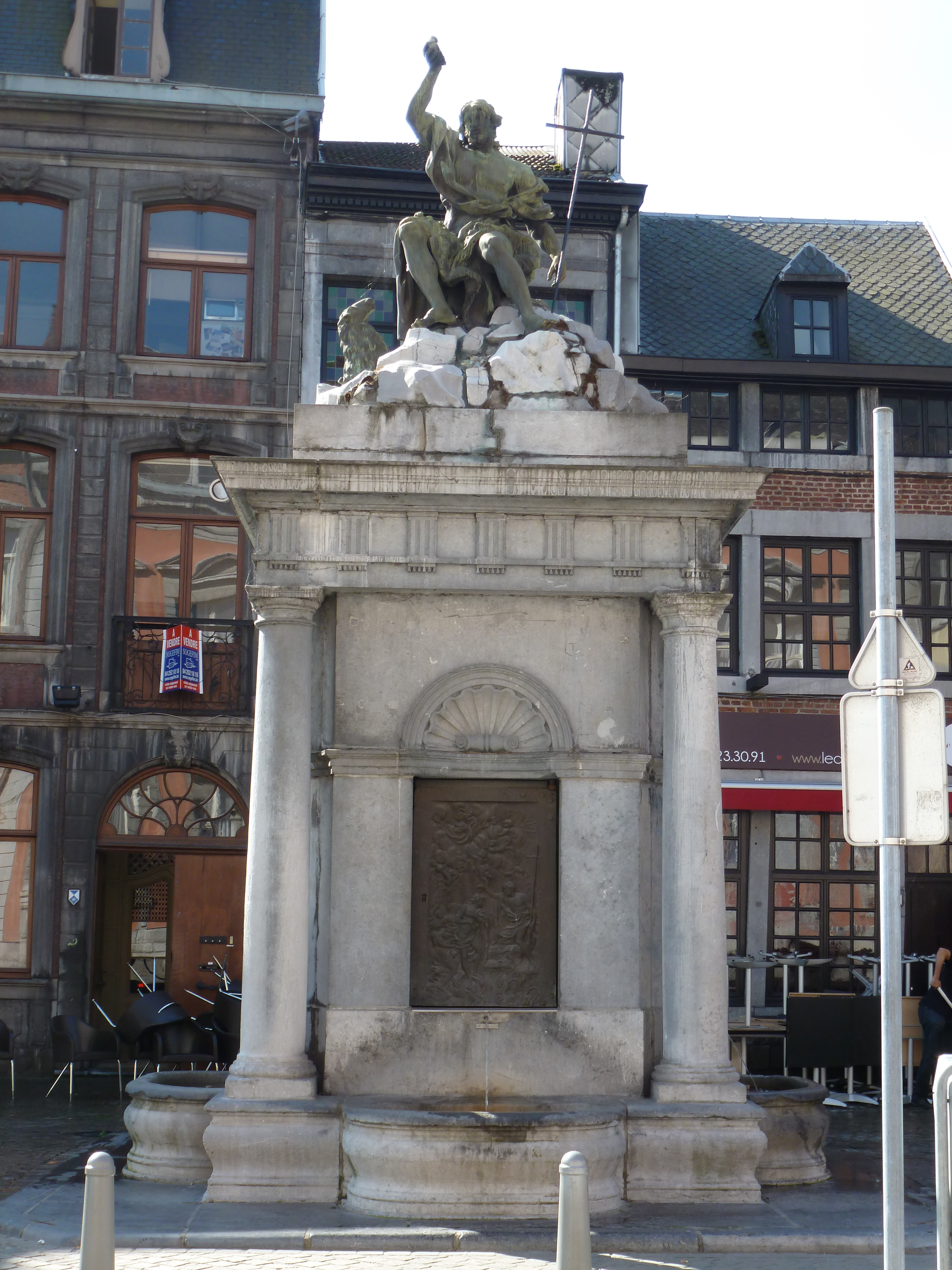
Located at 50.646961 N, 5.578117 E in the historic centre of Liège, the Fontaine Saint‑Jean‑Baptiste is a stone‑crafted fountain that blends seamlessly with the city’s medieval architecture. While its exact height and altitude remain undocumented, the fountain’s clean lines and subtle ornamentation give it a timeless quality that feels both historic and contemporary. The water gently cascades into a shallow basin, creating a soothing soundscape that contrasts beautifully with the surrounding cobblestones and bustling cafés.
History & Significance
The fountain takes its name from Saint Jean‑Baptiste, a figure deeply rooted in the religious and cultural heritage of Wallonia. Although detailed archival records are scarce, the naming suggests a connection to the city’s historic parish churches and the tradition of dedicating public water sources to saints for protection and blessing. In many European towns, fountains served not only as sources of clean water but also as communal gathering points—a role that the Fontaine Saint‑Jean‑Baptiste continues to play today.
Its placement in the heart of Liège underscores the city’s commitment to preserving public art and functional monuments that enrich everyday life. The fountain stands as a reminder of Liège’s centuries‑old relationship with water, trade, and community.
How to Get There
By Public Transport
- Train: Arrive at Liège‑Guillemins or Liège‑Centre stations. From either station, hop on a TEC (Transport En Commun) bus line 1, 2, or 3 heading toward the city centre.
- Tram: The Liège tram line 1 (direction Bressoux) stops at Place Saint‑Lambert, a 5‑minute walk to the fountain.
By Car
- Parking: The nearest public parking options are Parking de la Bourse (under the Bourse building) and Parking du Quai. Both are within a 5‑minute walk.
- Navigation: Input the coordinates 50.646961, 5.578117 into your GPS or Google Maps for direct routing.
On Foot or Bike
Liège’s compact historic centre makes the fountain easily reachable on foot or via the city’s Velo’v bike‑share system. Dock a bike at any nearby station (e.g., Velo’v Place Saint‑Lambert) and stroll along the pedestrian‑friendly streets.
Best Time to Visit
- Spring (April–June): The city’s gardens burst into colour, and the fountain’s water glistens under gentle sunshine—perfect for photography.
- Early Autumn (September–October): Cooler temperatures make a relaxed sit‑by‑the‑water especially pleasant, and the surrounding streets are less crowded.
- Evenings in Summer: During July and August, the fountain area often becomes a subtle gathering spot for locals enjoying a cool breeze after a day of sightseeing.
Avoid heavy rainstorms, as the water flow can become noisy, and the surrounding cobblestones may get slippery.
What to Expect
Arriving at Fontaine Saint‑Jean‑Baptiste, you’ll be greeted by a tranquil pocket of calm amidst Liège’s lively streets. The fountain’s stone basin reflects the sky, creating a miniature mirror that captures passing clouds and the occasional flutter of a pigeon.
- Photographic Appeal: The fountain’s simple design offers a clean backdrop for portrait shots, street‑style photos, and macro shots of the water droplets. Early morning light casts soft shadows, while golden hour adds a warm glow.
- Local Vibe: Expect to see locals pausing for a coffee, reading a newspaper, or simply watching the water. The ambience is relaxed, making it an ideal spot for a brief break between museum visits or shopping trips.
- Accessibility: The surrounding area is flat and wheelchair‑friendly, with smooth pathways leading directly to the fountain.
Nearby Attractions
While you’re in the vicinity, make the most of the fountain’s central location by exploring these nearby gems (all within a 0.3 km radius):
| Attraction | Distance | Quick Note |
|---|---|---|
| Fontaine de la Tradition | 0.2 km | A charming tribute to Liège’s cultural heritage. |
| Fontaine Montefiore – Foulon | 0.2 km | Features intricate stonework and historic plaques. |
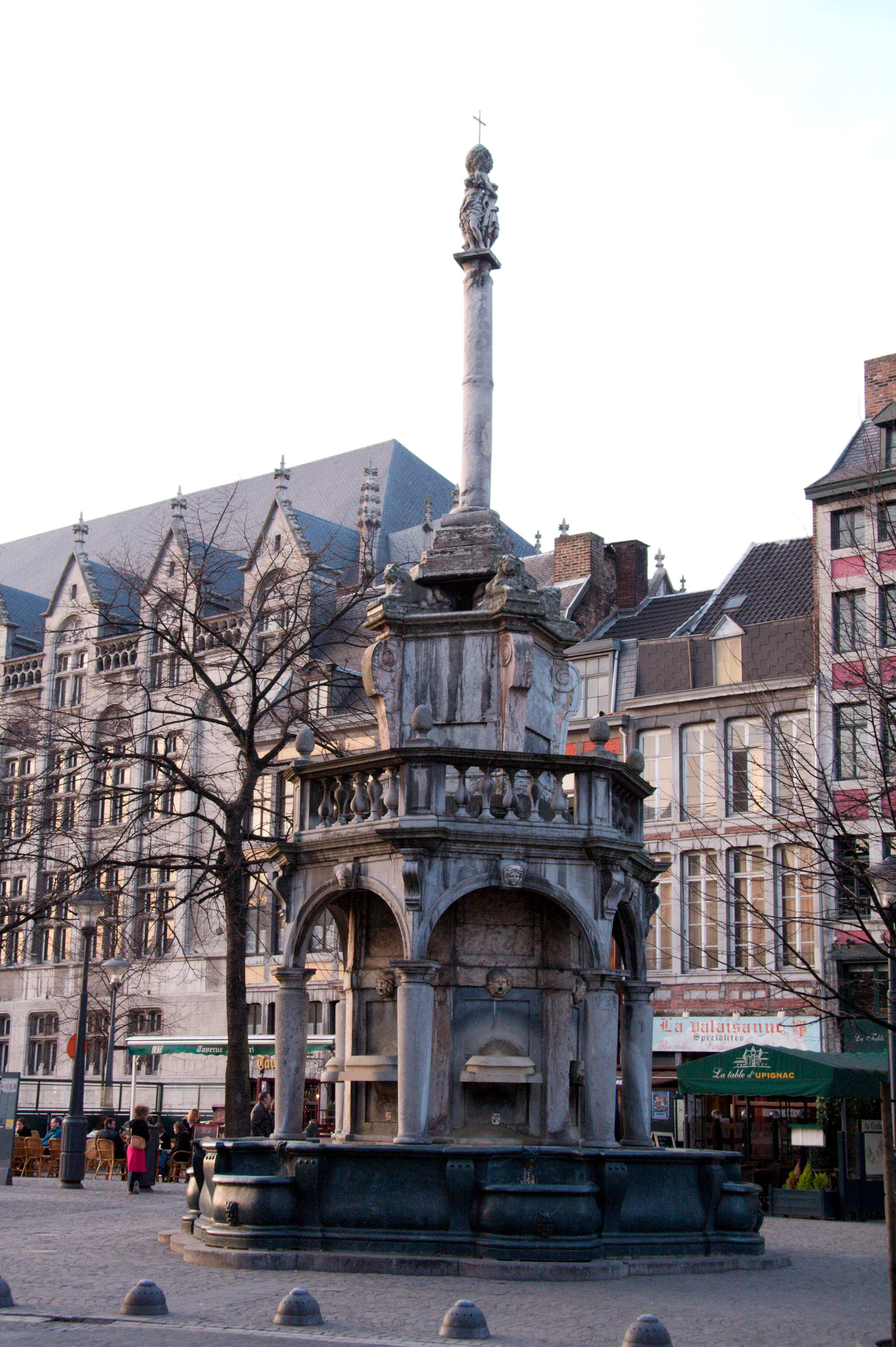
| Le Perron | 0.2 km | A historic fountain that once marked the city’s medieval entrance. |
| Fontaine de la Samaritaine | 0.2 km | Known for its graceful arches and serene water flow. |
| Fontaine Montefiore – Neuvice | 0.3 km | A lesser‑known spot perfect for quiet contemplation. |
Tip: Most of these fountains are clustered around the Place Saint‑Lambert and Rue de la Cathédrale area, allowing you to enjoy a “fountain trail” in a single walking loop.
Travel Tips
- Bring a Compact Umbrella: Even on clear days, sudden showers are common in Wallonia. An umbrella protects you while you admire the fountain’s water.
- Carry a Reusable Water Bottle: The fountain’s water is not for drinking, but staying hydrated while walking the historic centre is essential.
- Mind the Cobblestones: The surrounding streets are paved with historic cobbles, which can be slippery when wet. Wear sturdy shoes.
- Respect Local Etiquette: While it’s fine to sit nearby and take photos, avoid climbing onto the fountain or splashing water.
- Combine with Culinary Stops: The area boasts several cafés serving Belgian waffles, spécialité Liégeoise (like boulets à la Liégeoise), and excellent coffee—perfect for a post‑visit treat.
- Check Event Calendars: Liège often hosts street performances and small markets near the fountain, especially during summer festivals. A quick glance at the city’s official tourism site can reveal pop‑up events that add extra sparkle to your visit.
Final Thoughts
The Fontaine Saint‑Jean‑Baptiste may not dominate travel guide headlines, but it embodies the quiet elegance that makes Liège such a rewarding destination. Its stone silhouette, gentle water, and central location invite you to slow down, breathe in the historic air, and appreciate the everyday artistry that Belgian cities cherish. Pair it with a stroll through nearby fountains, a coffee at a local café, and you’ve crafted a quintessential Liège experience—one that feels both authentic and unforgettable.
Ready to add this hidden gem to your Belgium itinerary? Pack your camera, slip on comfortable shoes, and let the water’s whisper guide you through the heart of Wallonia.