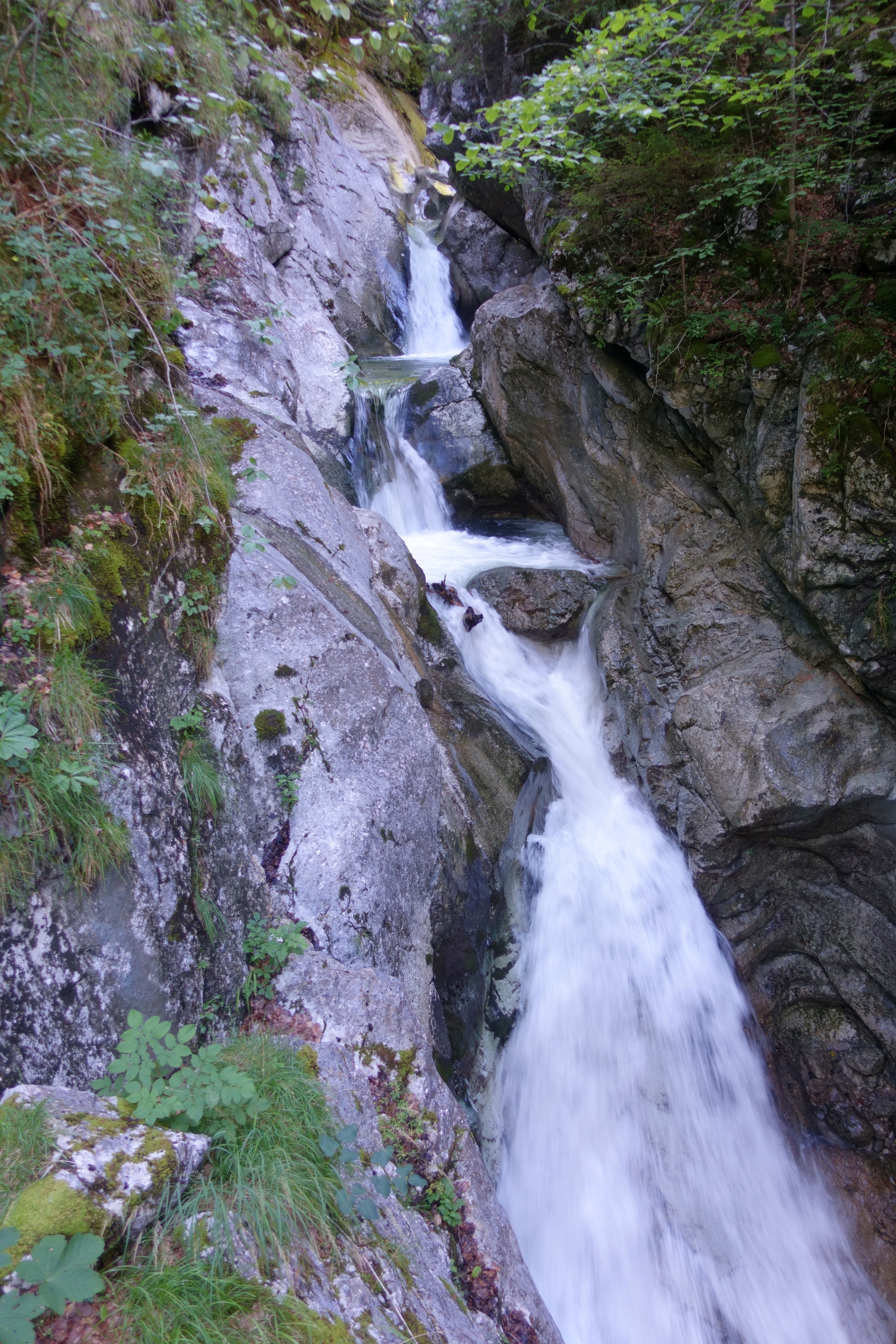
Rindbach‑Wasserfall – A Hidden Waterfall Gem in Upper Austria
Discover the tranquil charm of Rindbach‑Wasserfall, a secluded cascade nestled in the rolling hills of Ebensburg, Upper Austria. Whether you’re a seasoned hiker, a nature photographer, or simply looking for a peaceful day‑trip, this waterfall offers a refreshing escape into Austria’s pristine wilderness.
1. Introduction
Imagine stepping off a quiet forest path and hearing the gentle roar of water tumbling over stone, surrounded by emerald moss and the scent of alpine air. That’s the moment you experience at Rindbach‑Wasserfall, one of Upper Austria’s best‑kept secrets. Located just outside the lakeside town of Ebensee, the waterfall is a perfect spot for a spontaneous adventure or a planned day out in nature. Its modest size belies the serene atmosphere that makes it a favorite among locals and the occasional intrepid traveler.
2. About Rindbach‑Wasserfall
A Brief Description
Rindbach‑Wasserfall (German: Rindbachfälle) is a small but picturesque waterfall on the Rindbach stream. The cascade sits at an altitude of 480 m above sea level and is positioned at the coordinates 47.803662, 13.814606. While the exact height of the fall isn’t officially recorded, the surrounding landscape—dense mixed forests, gentle limestone cliffs, and crystal‑clear water—creates a postcard‑worthy setting.
Historical and Cultural Significance
The waterfall has long been part of the local landscape, serving as a natural landmark for the communities around Ebensee. Historically, the Rindbach stream powered small mills and weirs that supported agriculture and early industry in the region. Today, the remnants of these weirs—still visible a few hundred meters upstream—offer a glimpse into the area’s rural heritage.
Why It Matters
For nature lovers, Rindbach‑Wasserfall represents the quiet side of Upper Austria’s tourism: unspoiled, low‑traffic, and deeply connected to the land. Its proximity to other natural features—springs, weirs, and the famed Quelle Aloisbrünndl—makes it an ideal hub for exploring the hidden waterways that criss‑cross this part of the Austrian Alps.
Learn more on the German Wikipedia page: Rindbachfälle.
3. How to Get There
By Car
The most straightforward way to reach Rindbach‑Wasserfall is by car. From Salzburg (≈ 80 km) or Linz (≈ 55 km), follow the A1 motorway to the B147 exit for Ebensee. Once in Ebensee, follow local signs toward the Rindbach trailhead—look for the small parking area near the riverbank. The drive is scenic, winding through rolling hills and past the crystal‑blue Lake Traunsee.
By Public Transport
- Train: Take an ÖBB regional train to Ebensee station (connections from Salzburg, Linz, and Attnang‑Puchheim).
- Bus: From Ebensee’s bus stop, catch a local bus heading toward the Rindbach area (often labeled “Rindbach/Wasserfall”). Buses run roughly every hour during peak tourist season (May–September).
Tip: Purchase a Klimaticket (regional travel pass) for unlimited travel on trains and buses within Upper Austria.
On Foot
If you’re staying in Ebensee, the waterfall is a pleasant 2–3 km hike from the town centre. The trail follows well‑marked forest paths, offering occasional viewpoints over the lake and surrounding valleys. Wear sturdy hiking shoes and bring a water bottle—there are no facilities directly at the waterfall.
4. Best Time to Visit
| Season | What to Expect | Why It’s Ideal |
|---|---|---|
| Spring (April–June) | Snowmelt swells the Rindbach, creating a livelier cascade. Wildflowers bloom along the trail. | Perfect for photography and the freshest water. |
| Summer (July–August) | Warm weather makes the surrounding forest a cool retreat. Longer daylight hours allow for extended hikes. | Ideal for families and picnickers. |
| Autumn (September–October) | The foliage turns golden‑red, adding vibrant colors to the waterfall backdrop. | Great for peaceful walks and fewer crowds. |
| Winter (November–March) | The waterfall may be partially frozen; the area can be icy. | For adventurous souls equipped for winter trekking. |
Overall recommendation: Late spring to early autumn (May–October) offers the most reliable water flow and comfortable hiking conditions.
5. What to Expect
The Walk
The trail to Rindbach‑Wasserfall is a moderately easy forest path. You’ll walk through mixed beech and spruce woods, cross a few small footbridges, and follow gentle elevation changes. Signage is minimal but clear—look for wooden markers bearing the “Rindbach” name.
The Waterfall Experience
Upon arrival, you’ll find a modest cascade spilling over smooth limestone, forming a shallow pool at its base. The sound of water against rock creates a natural soundscape that drowns out city noise. Sunlight filters through the canopy, producing shimmering reflections on the water—ideal for a quick meditation or a photo session.
Wildlife & Flora
The area is home to typical Alpine wildlife: chamois, red deer, and a variety of birds such as the golden‑eagle and alpine chough. In spring and summer, you’ll see bluebells, wild thyme, and ferns lining the trail. Keep an eye out for butterflies flitting among the blossoms.
Amenities
There are no built‑in facilities at the waterfall itself—no restrooms, cafés, or souvenir shops. However, the nearby town of Ebensee offers restaurants, guesthouses, and a small tourist information center where you can pick up maps or local produce.
6. Nearby Attractions
While Rindbach‑Wasserfall is the star of the show, the surrounding area offers several complementary natural sites that can easily be added to your itinerary:
| Attraction | Distance | What to See | Link |
|---|---|---|---|
| Rindbach Wasserfall (the same cascade) | 0 km | The waterfall itself | — |
| Unnamed Spring | 0.1 km | A clear mountain spring feeding the Rindbach | — |
| Weir #1 | 0.4 km | Historic weir used for local water management | — |
| Weir #2 | 0.6 km | Another small weir offering insight into traditional Alpine engineering | — |
| Quelle Aloisbrünndl (spring) | 0.9 km | A picturesque spring with crystal‑clear water, perfect for a short rest | — |
Tip: Pack a small snack and enjoy a quick picnic near Quelle Aloisbrünndl—the spring’s cool water makes for a refreshing break.
7. Travel Tips
| Tip | Details |
|---|---|
| Start Early | Arriving before 10 am helps you avoid the occasional weekend crowd and gives you more daylight for exploring. |
| Footwear | Wear waterproof hiking boots with good ankle support; the trail can be slippery near the water. |
| Weather Check | Alpine weather changes quickly. Check the forecast on ZAMG (Austrian Weather Service) before heading out. |
| Leave No Trace | Bring a small trash bag and carry out any litter. The area is a protected natural site. |
| Photography | The best light is early morning or late afternoon when the sun is low. A polarizing filter can reduce glare on the water. |
| Safety | The pool at the base of the waterfall is shallow but can be slippery. Keep children supervised and avoid jumping. |
| Local Cuisine | After your hike, try a traditional Upper Austrian dish in Ebensee—Käsespätzle or Backhendl with a glass of locally brewed beer. |
| Accommodation | For an overnight stay, consider the Hotel Seehof or a cozy B&B in Ebensee; both are within a short drive of the waterfall. |
| Seasonal Events | If you visit in summer, check for the Traunsee Lake Festival in nearby Gmunden—great for extending your trip. |
Final Thoughts
Rindbach‑Wasserfall may not boast the towering height of the Krimml Waterfalls or the fame of St. Wolfgang’s cascades, but its quiet charm, easy accessibility, and surrounding natural beauty make it a must‑see for anyone traveling through Upper Austria. Pack your hiking boots, bring a camera, and let the gentle roar of the Rindbach guide you into a peaceful Alpine oasis you’ll remember long after you leave.
Happy travels, and may the sound of the water stay with you wherever you roam!
