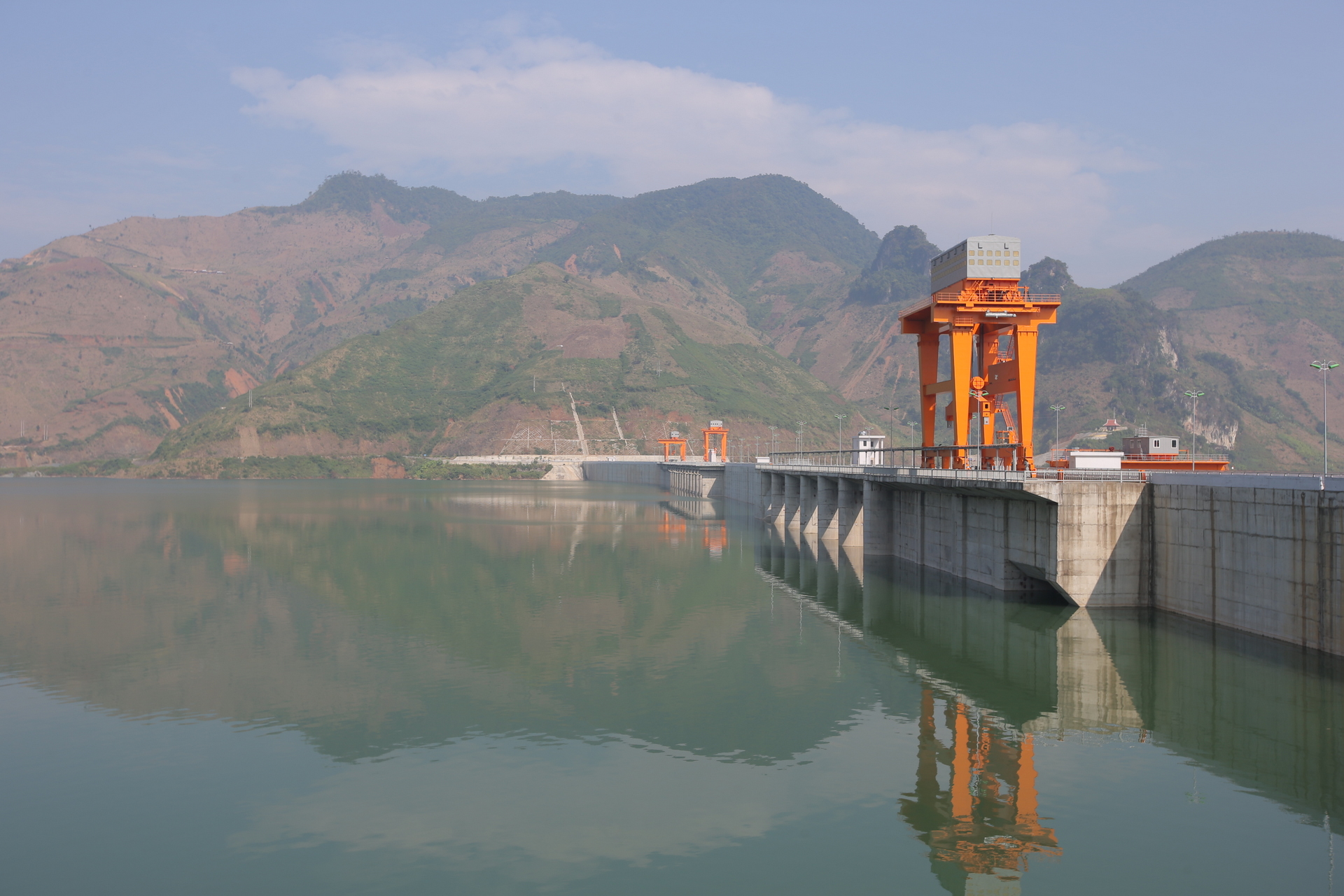
Discover the Majestic Nhà máy thủy điện Sơn La – Vietnam’s Hydroelectric Jewel
If you’re chasing awe‑inspiring engineering, sweeping mountain vistas, and authentic northern‑Vietnam vibes, the Sơn La Hydroelectric Power Plant (Nhà máy thủy điện Sơn La) should be at the top of your itinerary.
1. Introduction
Nestled in the mist‑kissed hills of It Ông, Son La province, the Sơn La Dam towers over the Black River (Sông Đà) like a concrete guardian of Vietnam’s energy future. With its massive reservoir shimmering against the backdrop of rugged peaks, the dam offers more than just power—it delivers a dramatic, photo‑ready landscape that few travelers get to experience. Whether you’re a photography enthusiast, a curious traveler, or a fan of grand infrastructure, a visit to Nhà máy thủy điện Sơn La promises a blend of natural beauty and human ingenuity you won’t find anywhere else in Southeast Asia.
2. About Nhà máy thủy điện Sơn La
- Location: It Ông, Son La, Vietnam
- Coordinates: 21.496490 N, 103.996868 E
- Type: Hydroelectric dam (🏗️)
The Sơn La Hydroelectric Power Plant is Vietnam’s largest hydro‑electric project, contributing a substantial portion of the nation’s renewable electricity. Built in the early 2000s and officially inaugurated in 2012, the dam harnesses the powerful flow of the Black River to generate over 2,400 MW of clean energy—enough to light up millions of homes across the country.
Why it matters:
- Economic impact: The plant fuels regional industry, supports local livelihoods, and underpins Vietnam’s push toward sustainable development.
- Engineering marvel: Its concrete gravity structure, massive spillway gates, and state‑of‑the‑art turbines showcase modern dam‑building techniques.
- Environmental stewardship: By replacing fossil‑fuel power, the dam helps reduce greenhouse‑gas emissions, aligning with global climate goals.
While the exact height and altitude of the structure remain undisclosed, the sheer scale of the reservoir—spanning over 260 km²—creates an unforgettable panorama that stretches as far as the eye can see.
For a deeper dive into the plant’s history, check out the Vietnamese Wikipedia page: Nhà máy thủy điện Sơn La.
3. How to Get There
By Air
The nearest major gateway is Nội Bài International Airport (HAN) in Hanoi, roughly 210 km (≈ 4‑5 hours by road). From Hanoi, you can rent a car, hire a private driver, or join a guided tour heading northwest toward Son La.
By Train
Vietnam’s rail network runs a scenic route from Hanoi Railway Station to Sơn La Station. The journey takes about 6 hours, offering a glimpse of the Red River Delta turning into mountainous terrain. From the station, local taxis or motorbike rentals can take you the final 30 km to It Ông.
By Bus
Several inter‑city bus companies operate daily services from Hanoi’s Giáp Bát Bus Station to Sơn La City. The ride lasts roughly 5‑6 hours. Once in Sơn La, hop on a local minibus (xe khách) or a motorbike taxi to the dam’s visitor area.
By Car / Motorbike
If you love road‑tripping, the National Highway 6 (QL‑6) is the most straightforward route. The highway snakes through breathtaking valleys, rice paddies, and ethnic‑minority villages—perfect for spontaneous photo stops. Parking is available near the dam’s official parking lot, and a short walk leads you to the observation decks.
Pro tip: Use the coordinates (21.496490, 103.996868) in Google Maps or a GPS device for pinpoint navigation, especially if you’re driving a rented motorbike.
4. Best Time to Visit
| Season | Months | Weather | Why it’s ideal |
|---|---|---|---|
| Dry Season | Nov – Apr | Clear skies, cool evenings (15‑22 °C) | Crisp air enhances visibility of the reservoir and surrounding peaks; less rain means safer road conditions. |
| Rainy Season | May – Oct | Frequent showers, higher humidity, occasional fog | The dam’s waterfalls become more dramatic, but roads can be slippery and visibility reduced. |
Top recommendation: Aim for late February to early April. The temperature is comfortable, the landscape is lush yet not overly wet, and you’ll avoid the peak tourist rush around Vietnamese New Year (Tết).
5. What to Expect
Scenic Views
- Panoramic Observation Decks: Elevated platforms give you a sweeping view of the massive reservoir, the curving Black River, and the forest‑clad hills beyond. Sunrise and sunset are particularly magical, casting golden hues across the water.
- Walkways & Photo Spots: Well‑maintained pathways lead to designated photo zones. Bring a wide‑angle lens to capture the dam’s sheer width against the sky.
Visitor Center
The on‑site information pavilion offers interactive displays about hydroelectric power, the dam’s construction timeline, and its environmental impact. Guides in Vietnamese (and sometimes English) are available for brief tours.
Sounds & Smells
Expect the low hum of turbines, the occasional splash of water released from spillways, and the fresh, pine‑scented mountain air—an invigorating combination that awakens the senses.
Accessibility
The main visitor area is wheelchair‑friendly, with ramps and clear signage in both Vietnamese and English. However, some of the farther viewpoints require a short hike on uneven terrain, so sturdy shoes are advisable.
6. Nearby Attractions
While the Sơn La Dam itself can fill a half‑day, the surrounding region offers several other hydro‑structures and natural gems that make for an enriching day‑trip circuit:
| Attraction | Distance from Sơn La Dam | Highlights |
|---|---|---|
| Đập thủy điện Nậm Chiến 2 | 9.8 km | Smaller reservoir, tranquil lakeside picnic spots. |
| Đập thủy điện Nậm Chiến 1 | 18.6 km | Scenic drive through terraced fields; great for sunrise photography. |
| (Unnamed Dam 1) | 10.1 km | Explore local fishing villages and sample fresh river fish. |
| (Unnamed Dam 2) | 12.8 km | Hiking trails that lead to panoramic viewpoints of the Black River valley. |
| (Unnamed Dam 3) | 17.5 km | Ideal for bird‑watching; spot rare highland species. |
Note: Some of the smaller dams lack dedicated Wikipedia pages, but you can locate them on Google Maps using the coordinates provided above. Pair your dam tour with a stop at Sơn La City’s night market for local street food, or venture to the nearby Mộc Châu plateau for tea‑plantation tours and ethnic‑culture experiences.
7. Travel Tips
| Tip | Details |
|---|---|
| Dress in layers | Mountain weather shifts quickly; a light jacket, breathable shirt, and a hat are essential. |
| Footwear | Sturdy, non‑slip shoes for the observation decks and any short hikes. |
| Hydration & Snacks | There are limited food stalls near the dam; bring water and light snacks. |
| Photography | Bring a polarizing filter to reduce glare on the water and a tripod for low‑light shots at dawn/dusk. |
| Language | Vietnamese is the primary language; a few basic phrases (“Xin chào”, “Cảm ơn”) go a long way. English signage is limited but most younger locals understand basic English. |
| Cash | Small vendors and transport services often prefer cash (Vietnamese đồng). ATMs are available in Sơn La City, not at the dam site. |
| Respect the environment | Stick to marked paths, avoid littering, and respect any signage about restricted zones (especially near turbine areas). |
| Safety | While the dam area is generally safe, stay away from the water’s edge during high‑flow periods, especially in the rainy season. |
| Timing | Arrive early (8 am‑9 am) to beat the crowds and enjoy softer morning light for photography. |
| Connectivity | Mobile coverage is decent (Viettel, Vinaphone) but can be spotty near the reservoir; download offline maps beforehand. |
Final Thought
Visiting Nhà máy thủy điện Sơn La isn’t just about witnessing a massive concrete structure; it’s an immersion into Vietnam’s drive toward sustainable energy, set against a backdrop of some of the country’s most dramatic mountain scenery. Pair the dam’s engineering awe with nearby cultural spots, and you’ll leave Son La with a richer appreciation of northern Vietnam’s natural and technological heritage.
Pack your camera, lace up your boots, and let the roar of the Black River guide you to an unforgettable adventure!
Keywords: Nhà máy thủy điện Sơn La, Sơn La dam, Son La travel, It Ong Vietnam, hydroelectric dam Vietnam, Black River dam, Vietnam eco‑tourism, northern Vietnam attractions, best time to visit Sơn La, how to get to Sơn La dam.