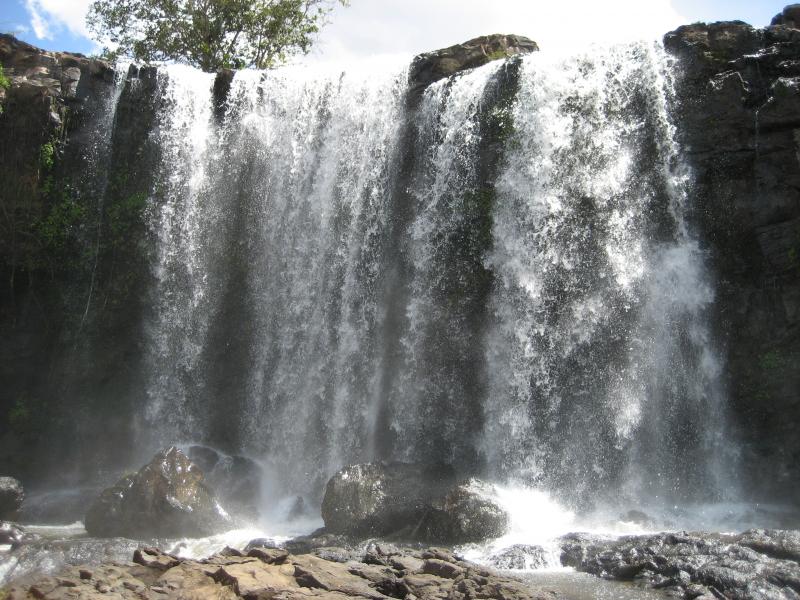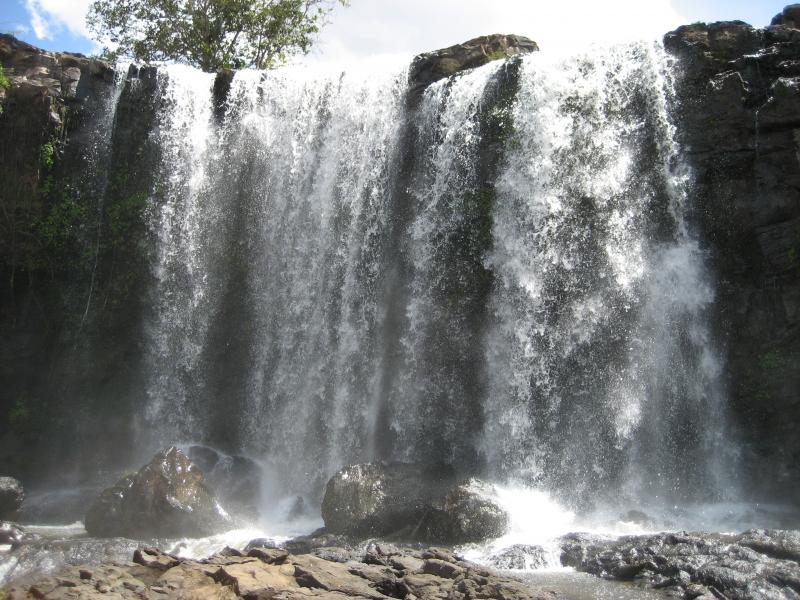
Bou Sra Waterfall (Upper Stage) – A Hidden Gem in Dak Nong, Vietnam
Discover the mist‑kissed beauty of Vietnam’s Central Highlands, where the roar of water meets lush forest trails.
Introduction
If you’ve ever dreamed of standing beneath a curtain of crystal‑clear water that tumbles down emerald cliffs, Bou Sra Waterfall (upper stage) should be at the top of your Vietnam bucket list. Tucked away in the tranquil district of Tram de Dak Mil, Dak Nong, this waterfall offers a pristine, off‑the‑beaten‑path experience that feels worlds away from the bustling streets of Ho Chi Minh City or Hanoi. Whether you’re a seasoned trekker, a photography enthusiast, or simply a traveler seeking a moment of natural wonder, the upper stage of Bou Sra promises an unforgettable encounter with the raw beauty of the Central Highlands.
About Bou Sra Waterfall (Upper Stage)
What makes it special?
- Location & Coordinates: 12.566429 N, 107.419037 E – right in the heart of Dak Nong’s forested plateau.
- Dual‑Stage Marvel: Bou Sra is famed for its two distinct cascades. The upper stage is the higher, more secluded tier, while the lower stage lies just 100 m downstream. Together they form a spectacular watercourse that has become a local landmark.
- Natural Setting: Surrounded by dense tropical forest, the waterfall is fed by seasonal streams that swell during the rainy months, creating a powerful, thundering flow. In the dry season, the water turns into a delicate veil, perfect for intimate photo shoots.
A brief history
Bou Sra (sometimes spelled “Bousra”) has long been a sacred spot for the indigenous Ede and M’nong communities. Oral traditions speak of the waterfall as a source of life and a place for communal gatherings. Though the exact date of its discovery by outsiders is unclear, the site gained wider attention after being featured on Vietnam’s national tourism campaigns, highlighting the region’s rich biodiversity and cultural heritage.
Why it matters
- Ecotourism: The waterfall sits within a protected watershed that supports a variety of flora and fauna, including several endemic bird species.
- Cultural Value: Visiting Bou Sra offers a glimpse into the daily lives of the Central Highlands’ ethnic minorities, whose villages dot the surrounding hills.
- Adventure Potential: The upper stage’s rugged terrain makes it a favorite among hikers looking for a moderate challenge without the crowds of more commercial sites like Da Nang’s Ba Na Falls.
For more detailed background, see the Bou Sra Waterfall Wikipedia page.
How to Get There
From Ho Chi Minh City (Saigon)
| Mode | Approx. Time | Notes |
|---|---|---|
| Domestic Flight to Đắk Nông Airport (DNI) | 1 hour 10 min | Several airlines operate daily flights from SGN (Tan Son Nhat). |
| Private Car / Rental (Saigon → Đắk Nông) | 5‑6 hours (≈ 300 km) | The most flexible option; take QL 20 south, then turn onto provincial road 14 toward Tram de Dak Mil. |
| Bus (Saigon → Đắk Nong) | 7‑8 hours | Intercity buses leave from Mien Dong Bus Station. Get off at Đắk Nông city, then hire a local taxi or motorbike. |
From Đắk Nông City
- Motorbike Rental – The most popular way for travelers. Ride east on Provincial Road 14 for about 30 km; you’ll see signage for “Bousra Waterfall – Upper Stage”.
- Local Taxi / Grab – Approx. VND 150,000‑200,000 (US $6‑8) for a round‑trip. Ask the driver to stop at the upper stage; the lower stage is only a short walk away.
- Guided Trek – Many local homestays offer half‑day tours that include transportation, a brief safety briefing, and a guide who can point out interesting plant species along the trail.
Parking & Entry
- Parking: A small, free parking lot sits at the trailhead.
- Entrance Fee: VND 20,000 (≈ US $0.85) per person – proceeds go toward forest conservation.
Best Time to Visit
| Season | Weather | Water Flow | Visitor Experience |
|---|---|---|---|
| Dry Season (Nov – Apr) | Sunny, cooler evenings (18‑24 °C) | Moderate to low flow – the cascade becomes a delicate veil. | Ideal for photography, picnics, and easy trekking. |
| Rainy Season (May – Oct) | Warm, frequent showers, higher humidity. | Peak flow – the waterfall roars, creating misty rainbows. | Best for waterfall enthusiasts who love the power of nature; bring waterproof gear and sturdy shoes. |
Tip: The months of February–March and September–October often provide a perfect balance—still enough water for an impressive sight, but fewer tourists than the peak holiday weeks.
What to Expect
The Trail
- Length: About 800 m from the parking area to the upper cascade.
- Difficulty: Easy‑moderate. The path is a natural dirt track with occasional stone steps and wooden railings near steep sections.
- Scenery: Lush evergreen forest, occasional bamboo groves, and the soothing sound of distant bird calls.
The Upper Stage
- Viewpoint: A sturdy wooden platform sits just a few meters from the falling water, allowing you to feel the spray on your face.
- Photography: Early morning light (7‑9 am) creates soft golden hues, while late afternoon (4‑5 pm) offers dramatic backlighting for silhouette shots.
- Swimming: The pool at the base of the upper stage is shallow and often cool; it’s safe for a quick dip if the water level is moderate.
Amenities
- Restrooms: Basic pit latrines near the parking lot.
- Food: Small stalls sell local snacks (sticky rice, grilled corn) and bottled water. For a proper meal, head back to nearby Tram de Dak Mil where homestays serve traditional Ede cuisine.
Nearby Attractions
While Bou Sra dominates the landscape, the surrounding area offers several other natural wonders worth exploring:
- Bou Sra Waterfall (Lower Stage) – Just 0.1 km downstream, this gentler cascade is perfect for a relaxed picnic.
- Bousra Waterfall – The same waterfall system; some maps label the entire site as “Bousra”.
- Chrey Thom Waterfall – Approximately 20.8 km away in Mondolkiri, Cambodia, this cross‑border gem is ideal for adventurous travelers with a flexible itinerary.
- Other Cambodian Waterfalls – Within a 5‑13 km radius of the border you’ll find unnamed waterfalls that locals cherish; a guided trek can reveal hidden pools and scenic vistas.
Pro tip: If you have extra time, consider a day‑trip to Buon Ma Thuot, the provincial capital, for its famous coffee plantations and the Lak Lake cultural park.
Travel Tips
| Tip | Why It Matters |
|---|---|
| Bring Waterproof Gear | The mist from the upper cascade can soak clothes and electronics; a dry‑bag or zip‑lock pouch protects valuables. |
| Wear Sturdy Footwear | The trail includes slippery stones, especially after rain. Hiking shoes with good grip are essential. |
| Carry Cash | Small villages may not accept cards; entrance fees and snack stalls are cash‑only. |
| Respect Local Culture | Dress modestly when visiting nearby villages; ask permission before photographing residents. |
| Stay Hydrated | Even in the dry season, humidity can be high; bring at least 1.5 L of water per person. |
| Leave No Trace | Pack out all trash; the area’s ecosystem is fragile, and the local community relies on pristine nature for tourism. |
| Check Weather Forecast | Sudden thunderstorms can make the trail dangerous; plan for an early start and monitor local updates. |
| Hire a Local Guide | Guides enhance the experience with knowledge of flora, fauna, and cultural stories, and they support the local economy. |
Final Thoughts
Bou Sra Waterfall (upper stage) is more than just a picturesque spot on a map—it’s a living, breathing part of Dak Nong’s natural and cultural heritage. From the thunderous spray that greets you at the viewpoint to the quiet whispers of the forest beyond, every moment here feels like a secret shared between you and the land.
Pack your trekking boots, charge your camera, and set your compass for Tram de Dak Mil. Whether you’re chasing the perfect waterfall selfie or seeking a peaceful retreat from Vietnam’s bustling cities, Bou Sra’s upper cascade promises a slice of untouched paradise that will linger in your memory long after you’ve left the mist behind.
Happy travels, and may the waterfalls guide your path!