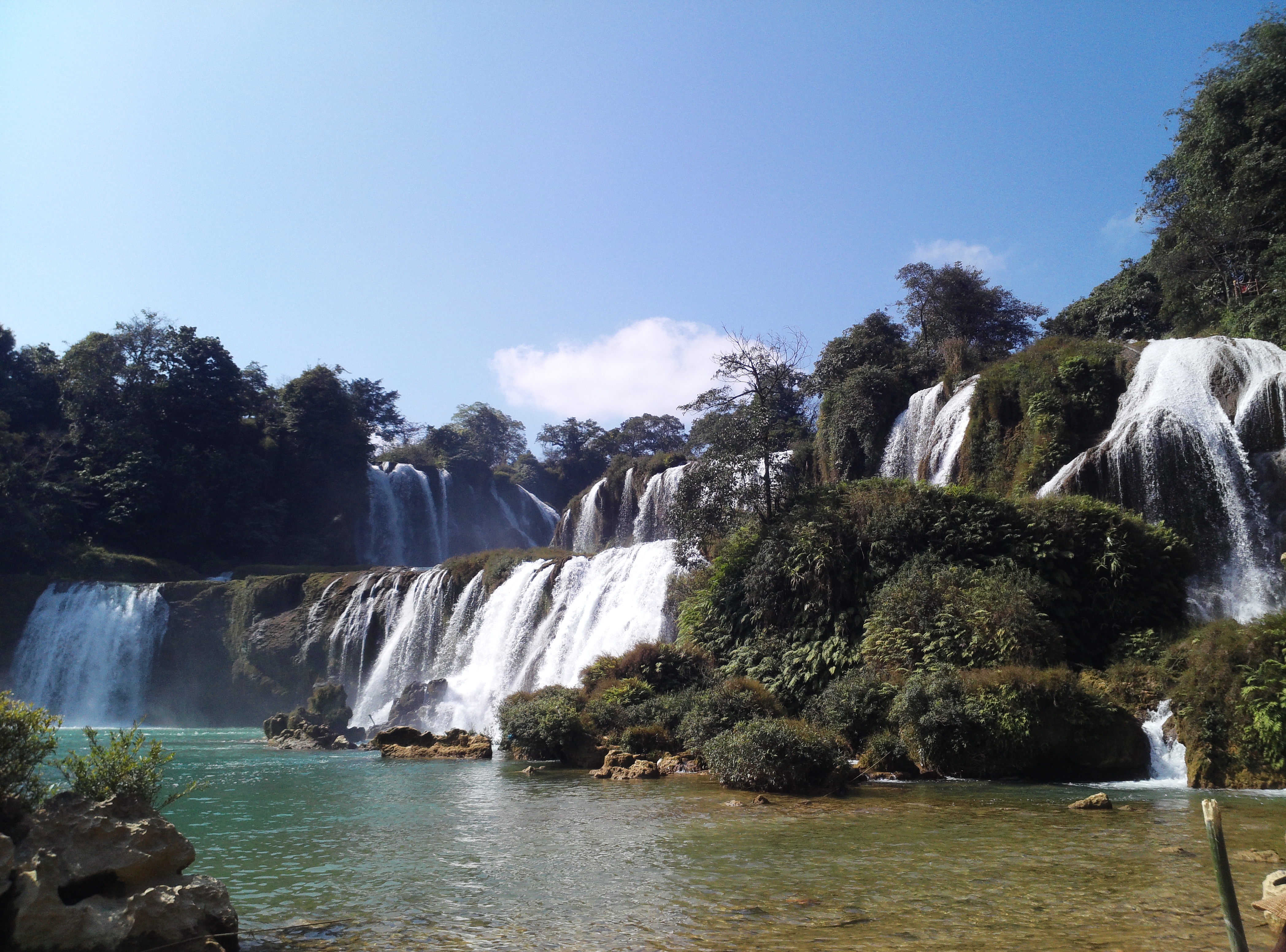
德天瀑布 (Thác Đức Thiên) – A Hidden Waterfall Gem in Cao Bằng, Vietnam
Coordinates: 22.855880, 106.723162
1. Introduction
If you’ve ever dreamed of standing at the edge of a roaring cascade that seems to spill straight from the clouds, the Đức Thiên Waterfall (Vietnamese: Thác Đức Thiên) should be at the top of your Vietnam bucket list. Tucked away in the mist‑cloaked mountains of Thi Tran Thanh Nhat, Cao Bằng, this waterfall offers a raw, unfiltered encounter with nature that feels worlds away from the bustling streets of Hanoi or Ho Chi Minh City. Whether you’re a seasoned trekker, a photography enthusiast, or simply a traveler hunting for off‑the‑beaten‑path wonders, Đức Thiên delivers dramatic scenery, peaceful river valleys, and a glimpse into the cultural tapestry of northern Vietnam.
2. About 德天瀑布 Thác Đức Thiên
What Makes It Special?
- Location – The waterfall sits on the Đông Bắc River (also known locally as the Quây Sơn River) near the border with China, a region celebrated for its limestone karsts and dense evergreen forests.
- Scale – While official figures for height and altitude are not published, locals describe the fall as a wide, multi‑tiered curtain of water that thunders down a steep rock face, creating a constant mist that blankets the surrounding valley.
- Cultural Significance – The name “Đức Thiên” translates roughly to “Virtuous Heaven,” reflecting the reverence the nearby Tày and Nùng ethnic communities have for the site. The waterfall is often featured in local folklore as a place where spirits of the forest gather, making it a spiritual as well as a natural landmark.
A Brief History
The region around Cao Bằng has been a crossroads of trade and conflict for centuries, from ancient Nanyue kingdoms to modern border negotiations with China. While the waterfall itself has not been the focus of major historical battles, it has long served as a natural waypoint for travelers crossing the rugged terrain. In recent decades, the Vietnamese government has promoted the area as part of the “Northern Frontier Scenic Route,” encouraging eco‑tourism while preserving the pristine environment.
For a quick factual snapshot, you can check the Wikipedia entry (Chinese), which offers additional background and references.
3. How to Get There
From Hanoi
- Fly or Take a Bus to Cao Bằng City – The fastest way is a short domestic flight (≈ 1 hour) from Nội Bài Airport to Cao Bằng Airport. If you prefer ground travel, night buses run daily from Hanoi’s My Dinh Bus Station (≈ 7‑8 hours).
- Transfer to Thi Tran Thanh Nhat – From Cao Bằng City, hire a taxi or a local minibus (xe khách) heading toward Thi Tran Thanh Nhat. The drive is roughly 30 km and takes about 45 minutes on winding mountain roads.
- Final Leg to the Waterfall – Once you reach the town, follow the signposts for Thác Đức Thiên. The last 2‑3 km is a paved rural road that ends at a modest parking lot. From there, a short, well‑marked trail (≈ 5‑10 minutes) leads directly to the viewing platform.
From the China Border (Hekou)
If you’re crossing from the Chinese side (Hekou), you can take a cross‑border bus to Cao Bằng, then follow the same steps above. The border crossing is a popular route for Chinese tourists exploring the “Friendship Waterfall” region, which includes Đức Thiên.
Practical Tips
- Transportation Apps – Use Grab or Gojek for reliable taxi bookings in Cao Bằng City.
- Cash – Rural areas accept only Vietnamese đồng; keep small denominations for parking fees and small purchases.
- Road Conditions – During the rainy season (May–October), some sections can become slippery; a 4×4 vehicle is advisable.
4. Best Time to Visit
| Season | Weather | Visitor Experience |
|---|---|---|
| Spring (Feb‑Apr) | Mild temperatures, occasional drizzle | Water flow is moderate; foliage begins to turn vibrant green – ideal for photography. |
| Summer (May‑Oct) | Warm, heavy rains, higher water volume | The waterfall is at its most powerful, creating spectacular spray. Expect crowds and possible trail mud. |
| Autumn (Nov‑Jan) | Cool, clear skies, lower water levels | Crisp air and golden leaves give a tranquil atmosphere; perfect for quiet contemplation. |
Peak season is July‑August when the river swells, but if you prefer fewer tourists, aim for late October or early February when the scenery is still impressive and the paths are dry.
5. What to Expect
The Sensory Experience
- Sight – A broad curtain of water plunges down a rugged limestone wall, framed by towering pine and bamboo groves. Sunlight often creates rainbows in the mist, offering picture‑perfect moments.
- Sound – The roar of the cascade is a constant, low‑frequency hum that drowns out city noise, providing a natural soundtrack for meditation or conversation.
- Smell – Fresh, earthy aromas of wet moss and pine needles fill the air, especially after a rain shower.
Facilities
- Viewing Platform – A sturdy wooden deck with safety railings offers panoramic views.
- Restrooms – Basic but clean public toilets are available near the parking area.
- Refreshments – Small stalls sell bottled water, local snacks (e.g., bánh rán – fried rice cakes), and fresh fruit.
Activities
- Photography – Early morning light and late afternoon golden hour enhance the waterfall’s texture.
- Short Hikes – The surrounding forest trails are suitable for casual walks (1‑2 km loops) that showcase the region’s biodiversity.
- Cultural Interaction – Friendly locals often share stories about the waterfall’s folklore; a quick chat can enrich your visit.
6. Nearby Attractions
While Đức Thiên is the star, the surrounding area boasts several other natural wonders that can easily be combined into a day‑trip itinerary:
| Attraction | Distance | Type | Quick Link |
|---|---|---|---|
| 浦汤岛瀑布 | 0.1 km | Waterfall | Explore 浦汤岛瀑布 |
| Thác Bản Giốc (thác phụ) | 0.2 km | Waterfall (secondary cascade) | Visit Thác Bản Giốc (phụ) |
| Thác Bản Giốc (thác phụ) | 0.2 km | Waterfall (duplicate entry) | Visit Thác Bản Giốc (phụ) |
| Local Dam | 5.5 km | Dam | See Nearby Dam |
| Unnamed Waterfall | 6.7 km | Waterfall | Discover Nearby Waterfall |
Tip: The Thác Bản Giốc area is home to the famous Bản Giốc–Detian International Border Waterfall, a massive trans‑border cascade that straddles Vietnam and China. Pairing a visit to Đức Thiên with a short drive to the border waterfall makes for an unforgettable water‑themed adventure.
7. Travel Tips
| Tip | Why It Matters |
|---|---|
| Dress in layers | Mountain weather shifts quickly; a light jacket helps during misty mornings. |
| Wear waterproof shoes | The trail can be slippery, especially after rain. Rubber soles with good grip are essential. |
| Bring a reusable water bottle | There are limited refill stations; staying hydrated is key for hiking. |
| Respect local customs | When interacting with ethnic minority communities, ask permission before taking close‑up photos of people. |
| Leave no trace | Pack out all trash; the area’s natural beauty depends on responsible tourism. |
| Check the forecast | Heavy rain can cause sudden water surges; avoid the site during severe storms. |
| Carry cash | Small vendors and parking attendants may not accept cards. |
| Timing – Arrive early (7 am–9 am) to beat the crowd and capture the soft morning light. | |
| Connectivity – Mobile signal can be spotty; download offline maps (Google Maps or MAPS.ME) beforehand. |
Final Thoughts
Đức Thiên Waterfall may not yet have the fame of Vietnam’s iconic Ha Long Bay or the bustling streets of Ho Chi Minh City, but that’s precisely its charm. It offers a raw, immersive encounter with the wild heart of northern Vietnam—a place where the roar of water, the scent of pine, and the whispers of ancient folklore converge. Pack your camera, lace up your boots, and let the mist of Thác Đức Thiên transport you to a world where nature reigns supreme.
Happy travels, and may your journey to Cao Bằng be as refreshing as the waterfall’s own cascade!