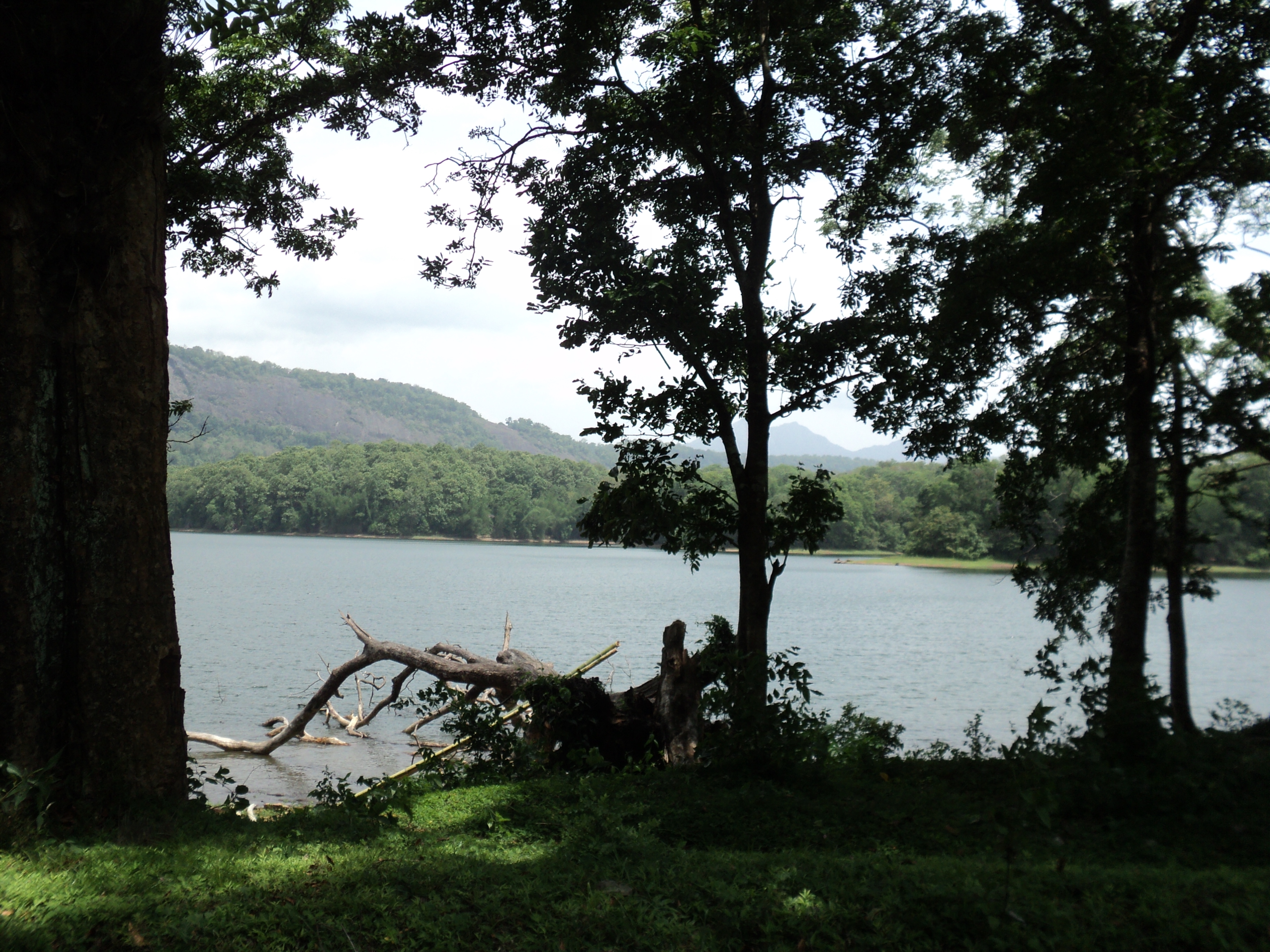
Parambikulam Dam – A Hidden Gem in Valparai, Tamil Nadu
Discover the serene waters, lush greenery, and tranquil vibes of Parambikulam Dam – a perfect off‑the‑beaten‑path destination for nature lovers and photography enthusiasts.
1. Introduction
Imagine standing on the banks of a crystal‑clear reservoir, surrounded by the rolling hills of the Western Ghats, with the gentle hum of water spilling over a massive concrete wall. That’s the experience awaiting you at Parambikulam Dam, tucked away in the misty town of Valparai, Tamil Nadu. While many travelers flock to the iconic waterfalls and tea estates of the region, this dam offers a quieter, more contemplative escape—ideal for sunrise walks, bird‑watching, and simply soaking in the raw beauty of South India’s hill country.
2. About Parambikulam Dam
Parambikulam Dam is a gravity dam located at latitude 10.387471° N and longitude 76.769057° E, right in the heart of Valparai. Though the exact height and altitude are not publicly listed, the dam’s massive structure dominates the surrounding landscape, creating a sprawling reservoir that feeds the local ecosystem and supports irrigation downstream.
History & Significance
The dam was constructed as part of a broader water‑management effort in Tamil Nadu, aimed at harnessing the monsoon‑fed rivers of the Western Ghats. Over the decades, Parambikulam has become a crucial source of water for agriculture, drinking supplies, and hydro‑electric projects in the region. Its presence has also helped preserve the rich biodiversity of the adjacent forests, making the area a haven for wildlife such as elephants, leopards, and a dazzling array of bird species.
Because the dam is less commercialized than other tourist spots, it retains an authentic, untouched charm. Visitors often describe the atmosphere as “peaceful” and “rejuvenating,” a testament to the careful balance between utility and nature that Parambikulam Dam represents.
3. How to Get There
Reaching Parambikulam Dam is an adventure in itself, but the journey rewards you with breathtaking vistas at every turn.
| Mode of Transport | Details |
|---|---|
| By Air | The nearest major airport is Coimbatore International Airport (CJB), about 140 km away. From the airport, hire a taxi or book a private transfer to Valparai. |
| By Train | The closest railway station is Pollachi Junction (POY), roughly 80 km from Valparai. From Pollachi, you can catch a state‑run bus or a shared taxi to the hill town. |
| By Road | Valparai is well‑connected by a winding, scenic road from Udumalpet (≈ 60 km) and Pollachi. The drive climbs through tea plantations, mist‑covered valleys, and occasional waterfalls—perfect for photo stops. From Valparai, the dam is just a short 5‑km drive on a well‑maintained local road. |
| Local Transport | Auto‑rickshaws and local taxis are readily available in Valparai. Most drivers are familiar with the dam and can drop you off at the main viewpoint or the reservoir’s edge. |
Pro tip: If you’re traveling during the monsoon (June–September), road conditions can be slippery. A sturdy vehicle with good brakes is advisable.
4. Best Time to Visit
| Season | Weather | Why Visit |
|---|---|---|
| Winter (December–February) | Cool, clear skies; temperatures 15‑22 °C | Ideal for sunrise photography and comfortable trekking. |
| Pre‑Monsoon (March–May) | Warm, dry; occasional showers | Water levels are moderate, offering great views of the reservoir. |
| Monsoon (June–September) | Heavy rain; lush greenery; reservoir at its fullest | Spectacular waterfalls feeding the dam, vibrant flora, and abundant wildlife. |
| Post‑Monsoon (October–November) | Pleasant, slightly cooler; water recedes slightly | Perfect for bird‑watching as migratory species arrive. |
Overall recommendation: The post‑monsoon months (October–November) provide a balanced mix of lush scenery, comfortable temperatures, and manageable crowd levels.
5. What to Expect
Scenic Views & Photography
The dam’s concrete wall stretches across the valley, creating a striking contrast against the surrounding tea gardens and forested hills. Early mornings often bathe the water in a golden hue, while evenings bring soft pastel skies—ideal for landscape photographers. Bring a wide‑angle lens to capture the full expanse of the reservoir and a telephoto for distant wildlife.
Wildlife & Bird‑Watching
Parambikulam Dam sits on the fringe of the Western Ghats, a UNESCO World Heritage Site known for endemic species. Keep an eye out for:
- Birds: Indian pond heron, white‑breasted kingfisher, and the occasional rufous‑necked hornbill.
- Mammals: While sightings are rare, you might spot a shy sambar deer or hear the distant call of an elephant.
Tranquil Walks
A short, well‑marked trail runs along the reservoir’s edge, perfect for leisurely walks or a gentle jog. Benches are placed at strategic viewpoints, allowing you to pause and soak in the calm.
Picnic Spots
Designated picnic areas near the dam offer shaded spots under large banyan trees. Pack a light snack—local tea and banana fritters (vazhaipoo) make for a delightful treat.
6. Nearby Attractions
While Parambikulam Dam is the star of the show, the surrounding region boasts several other points of interest that can easily be combined into a day‑trip itinerary.
| Attraction | Distance from Parambikulam Dam | Description |
|---|---|---|
| Parambikkulam Dam | 0 km (essentially the same site) | Often used interchangeably with Parambikulam Dam; perfect for a quick photo stop. |
| Thunakkadavu Dam | 5.3 km | A smaller dam nestled in a dense forest, offering a quieter spot for meditation. |
| Thunakadavu Dam | 5.4 km | Similar to Thunakkadavu, this dam provides panoramic views of the surrounding hills. |
All the above attractions are within a short drive, making them ideal for a relaxed afternoon of exploration.
7. Travel Tips
- Carry Cash: Small vendors and local transport drivers may not accept cards.
- Dress Comfortably: Light, breathable clothing with a light jacket for early mornings or evenings.
- Stay Hydrated: Even in cooler weather, the altitude can cause mild dehydration.
- Respect the Environment: The area is ecologically sensitive—avoid littering and stay on marked paths.
- Photography Gear: Bring a polarizing filter to reduce glare on the water surface.
- Safety First: The dam’s spillway can be slippery; keep a safe distance, especially during monsoon surges.
- Local Cuisine: Try the freshly brewed Valparai tea and the regional specialty, kothu parotta, at nearby tea shops.
- Timing: Arrive early (around sunrise) to avoid the occasional crowd of school groups and to capture the best light.
Wrap‑Up
Parambikulam Dam may not have the fame of a bustling city landmark, but its serene waters, verdant surroundings, and authentic rural charm make it a must‑visit for anyone traveling through Valparai, Tamil Nadu. Whether you’re a nature photographer, a bird‑watching enthusiast, or simply seeking a peaceful escape from the hustle of urban life, this hidden gem promises a memorable experience.
Pack your bags, hit the winding roads, and let the gentle roar of Parambikulam’s waters welcome you to one of South India’s most tranquil retreats. Safe travels!