Kallanai Dam – The Timeless Marvel of Tamil Nadu
If you thought ancient engineering was a thing of the past, think again. Nestled in the verdant plains of Lalgudi, Tamil Nadu, the Kallanai Dam—also known as the Grand Anicut—stands as a living testament to India’s age‑old mastery of water management. Whether you’re a history buff, a nature lover, or a traveler hunting off‑the‑beaten‑path gems, Kallanai offers a unique blend of heritage, serenity, and local charm.
1. Introduction
Imagine standing beside a structure that has been regulating the flow of the Kaveri River for almost two millennia. The stone‑cobbled walls of Kallanai Dam have witnessed the rise and fall of empires, the rhythm of monsoons, and the daily lives of countless farmers who rely on its waters. Today, the dam remains fully functional, feeding irrigation canals that sustain the fertile lands of Tamil Nadu. Its timeless presence makes Kallanai not just a must‑see dam in India, but a living museum of ancient engineering that still serves modern needs.
2. About Kallanai
A Brief History
Kallanai, meaning “stone dam” in Tamil, was commissioned by the legendary Chola king Karikalan (also known as Karikala Chola) around the 2nd century AD. Constructed primarily from massive granite blocks, the dam was designed to divert water from the Kaveri River into a network of canals, thereby stabilising agricultural output in the region.
Why It Matters
- World’s Oldest Water‑Regulation Structure Still in Use – While the Romans built impressive aqueducts, Kallanai holds the distinction of being the oldest surviving dam that continues to function as originally intended.
- Engineering Genius – The dam’s simple yet robust design—leveraging gravity and the sheer weight of stone—has withstood centuries of floods, earthquakes, and changing river dynamics.
- Cultural Icon – Kallanai is celebrated in Tamil literature, folklore, and even appears on local postage stamps, symbolising the ingenuity of South Indian heritage.
Physical Overview
- Type: Dam (stone weir) 🏗️
- Location: Lalgudi, Tamil Nadu, India
- Coordinates: 10.830388 N, 78.818114 E
- Height & Altitude: Not publicly disclosed (the dam’s design focuses on length and width rather than vertical height).
For a deeper dive into its history, you can explore the Tamil‑language Wikipedia page: Kallanai (கல்லணி).
3. How to Get There
By Air
The nearest major airport is Chennai International Airport (MAA), about 250 km away. From Chennai, you can hire a taxi or board a train to Trichy (Tiruchirappalli), which is a major railway hub just 30 km from Kallanai.
By Train
- Trichy Junction (TPJ) – Direct trains from Chennai, Bangalore, and Coimbatore stop here.
- From Trichy, a taxi or auto‑rickshaw ride of roughly 45 minutes will bring you to the dam’s entrance.
By Road
- Self‑Drive – The route from Trichy follows NH 336 and then SH‑25, offering scenic countryside views.
- Bus – State-run Tamil Nadu State Transport Corporation (TNSTC) buses run regular services from Trichy to Lalgudi. Get off at the Lalgudi Bus Stand and ask locals for a short auto‑rickshaw ride to the dam.
Local Navigation
The dam sits just off the Lalgudi–Kumbakonam road. Look for signage pointing to “Kallanai Dam” or “Grand Anicut.” Parking is available in a modest lot near the visitor area.
4. Best Time to Visit
| Season | Weather | Visitor Experience |
|---|---|---|
| Winter (Nov – Feb) | Pleasant, 20‑28 °C | Ideal for photography, comfortable walks, and bird‑watching. |
| Pre‑Monsoon (Mar – May) | Warm, occasional showers | Good for seeing the dam in full flow, but carry rain gear. |
| Monsoon (Jun – Sep) | Heavy rains, river swelling | Spectacular water volume, but access may be limited; check local advisories. |
| Post‑Monsoon (Oct) | Mild, lush greenery | Perfect blend of vibrant scenery and manageable crowds. |
Tip: The most popular months are December to February, when the climate is cool and the water level is moderate—great for both sightseeing and picnicking.
5. What to Expect
Visual Splendor
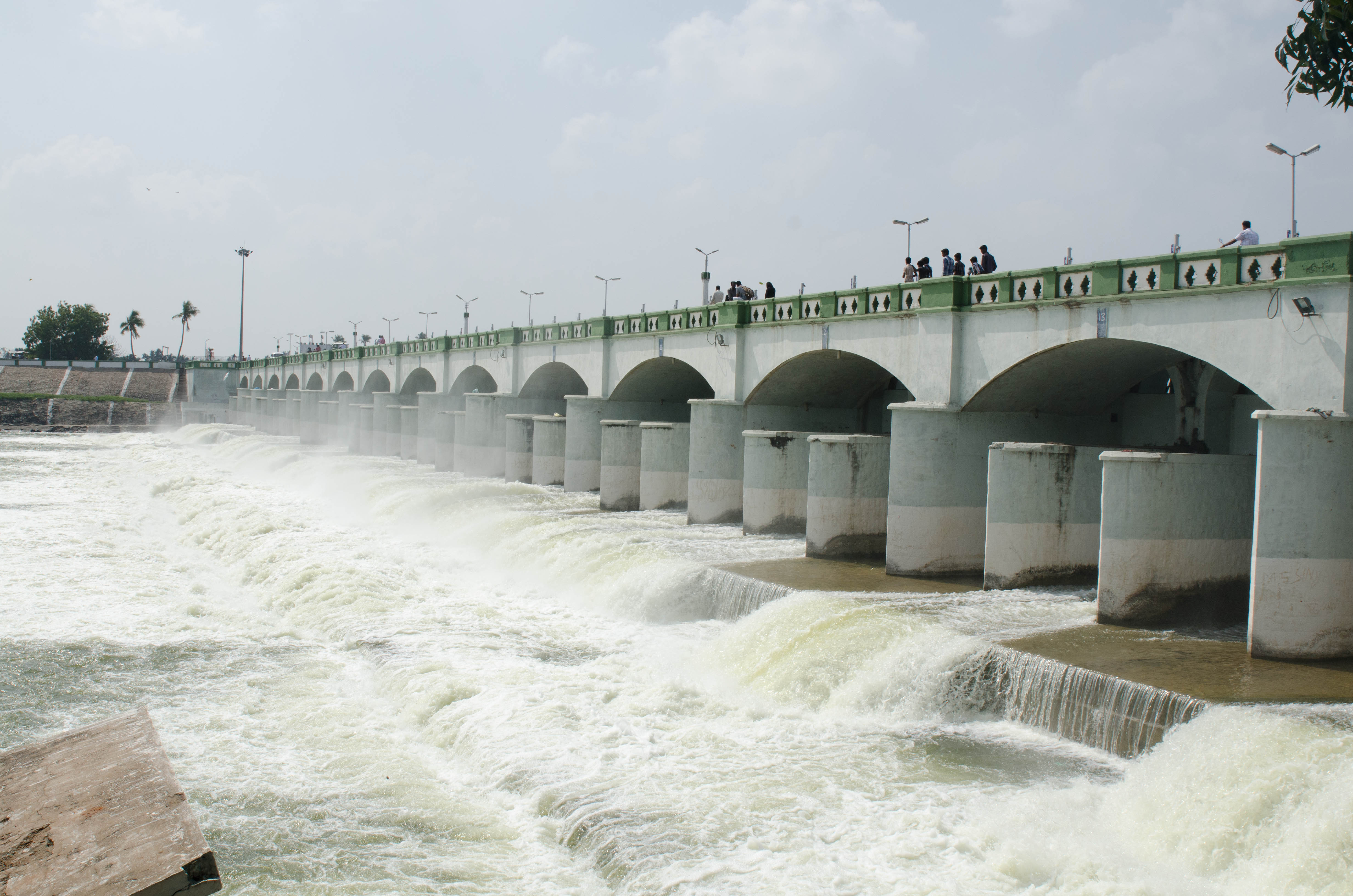
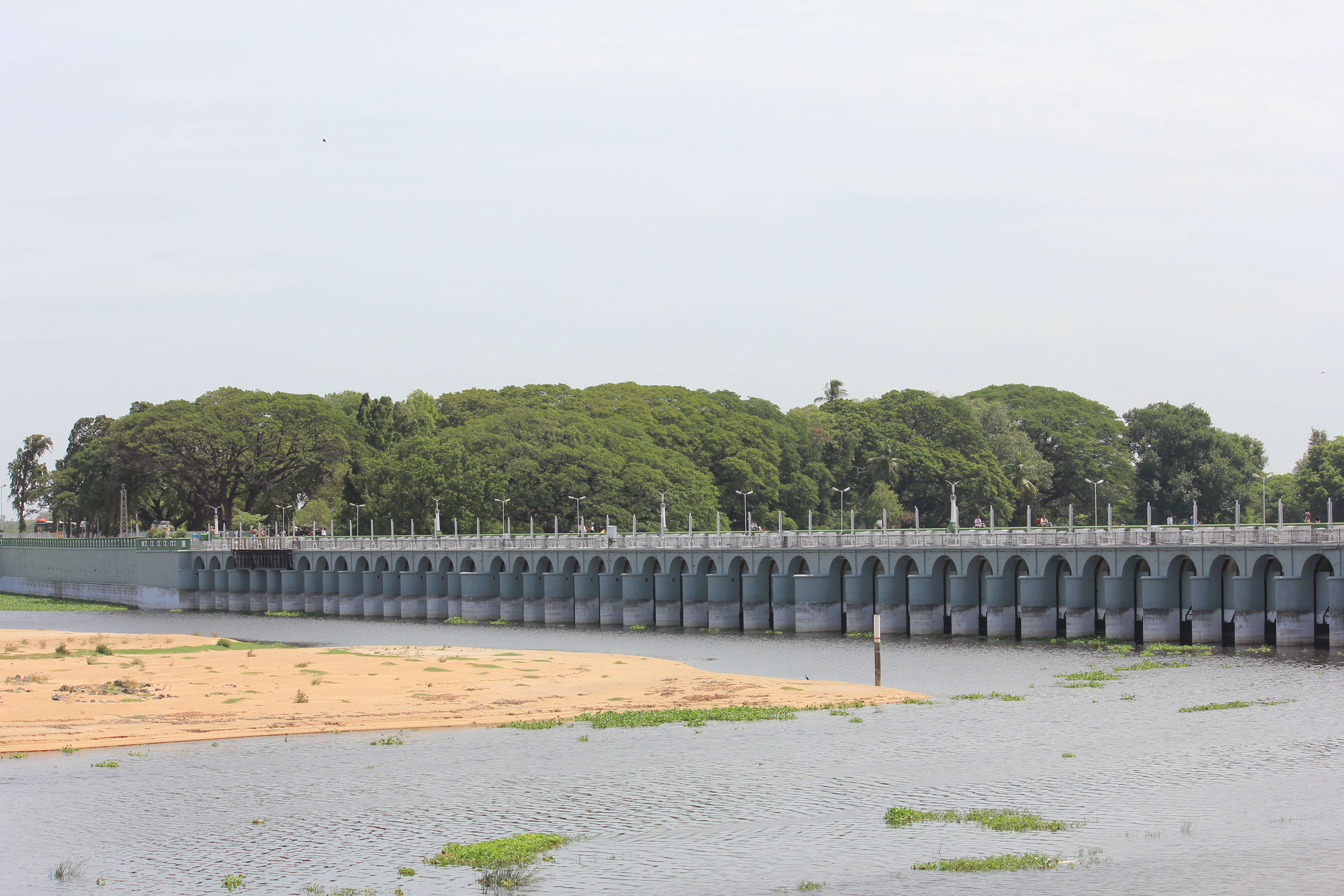
Approaching Kallanai, you’ll first notice the imposing line of granite blocks stretching across the river, creating a rhythmic pattern of water cascades. The surrounding fields, dotted with coconut palms and sugarcane, add a bucolic backdrop that changes with the seasons.
Sensory Experience
- Sounds: The gentle roar of water spilling over the weir, interspersed with distant chirps of birds and the hum of local life.
- Smells: Fresh river mist blended with the earthy aroma of wet soil and nearby farms.
Activities
- Guided Walks: Local guides often share anecdotes about the dam’s construction and its role in Tamil Nadu’s irrigation system.
- Photography: Sunrise and sunset cast golden hues on the stone, making for stunning long‑exposure shots.
- Picnic Spots: Small grassy patches near the riverbank provide perfect spots for a relaxed lunch.
Facilities
- Restrooms: Basic facilities are available near the parking area.
- Refreshments: Small tea stalls sell filter coffee, sambhar vada, and fresh coconut water—ideal for a quick energy boost.
6. Nearby Attractions
While Kallanai is the star, the surrounding area offers several weir‑related sites that showcase the region’s extensive water‑management network. All are within a short walk or bike ride.
| Distance | Attraction | Type | Quick Link |
|---|---|---|---|
| 0.1 km | Unnamed Weir | Weir | View on Map |
| 0.2 km | Unnamed Weir | Weir | View on Map |
| 0.2 km | Kallanai (Dam) | Dam | View on Map |
| 0.4 km | Kallanai (Dam) | Dam | View on Map |
| 0.5 km | Unnamed Weir | Weir | View on Map |
Note: These minor weirs are part of the larger Kaveri irrigation system and are best explored on foot or by renting a bicycle from Lalgudi.
7. Travel Tips
- Dress Comfortably – Light cotton clothing, a hat, and sunglasses are advisable, especially during summer months.
- Stay Hydrated – Carry a reusable water bottle; refill stations are scarce near the dam.
- Footwear – Wear sturdy, slip‑resistant shoes; the riverbank can be slippery when water levels are high.
- Respect Local Customs – The area is agricultural, so avoid stepping on cultivated fields and ask permission before photographing farmers at work.
- Timing – Arrive early (around 7 am) to beat the small crowds and catch the soft morning light.
- Cash – Small vendors may not accept cards; keep some Indian rupees handy for snacks and souvenirs.
- Safety – Do not attempt to walk on the dam structure itself; it’s an active water‑regulation facility.
- Connectivity – Mobile signal can be patchy; download offline maps (Google Maps or Maps.me) before you set out.
Wrap‑Up
Kallanai Dam isn’t just a tourist spot; it’s a living piece of engineering history that continues to shape Tamil Nadu’s landscape and livelihoods. From its ancient stone arches to the gentle hum of water that has echoed for centuries, a visit here offers a rare glimpse into the past while grounding you in the present rhythms of rural India.
So pack your camera, hop on a train to Trichy, and let the timeless flow of Kallanai inspire your next travel story.
Happy travels!