Kallanai Dam – Tamil Nadu’s Timeless Engineering Marvel
Coordinates: 10.829479, 78.816153 | Location: Lalgudi, Tamil Nadu, India
Introduction
Imagine standing on a structure that has been channeling water for almost two millennia, still humming with the same purpose it served when it was first built. That’s the magic of Kallanai Dam—the world’s oldest water‑management system that continues to shape the landscape of Tamil Nadu. Nestled on the banks of the mighty Kaveri River near the quaint town of Lalgudi, Kallanai (also called the Grand Anicut) is not just a dam; it’s a living piece of history, an engineering triumph, and a serene spot for travelers seeking a blend of culture and nature.
If you’re planning a Tamil Nadu itinerary that goes beyond the usual temples and beaches, Kallanai should sit high on your must‑see list. Let’s dive into what makes this ancient dam a must‑visit destination, how to get there, and what you can experience once you arrive.
About Kallanai
A Glimpse of History
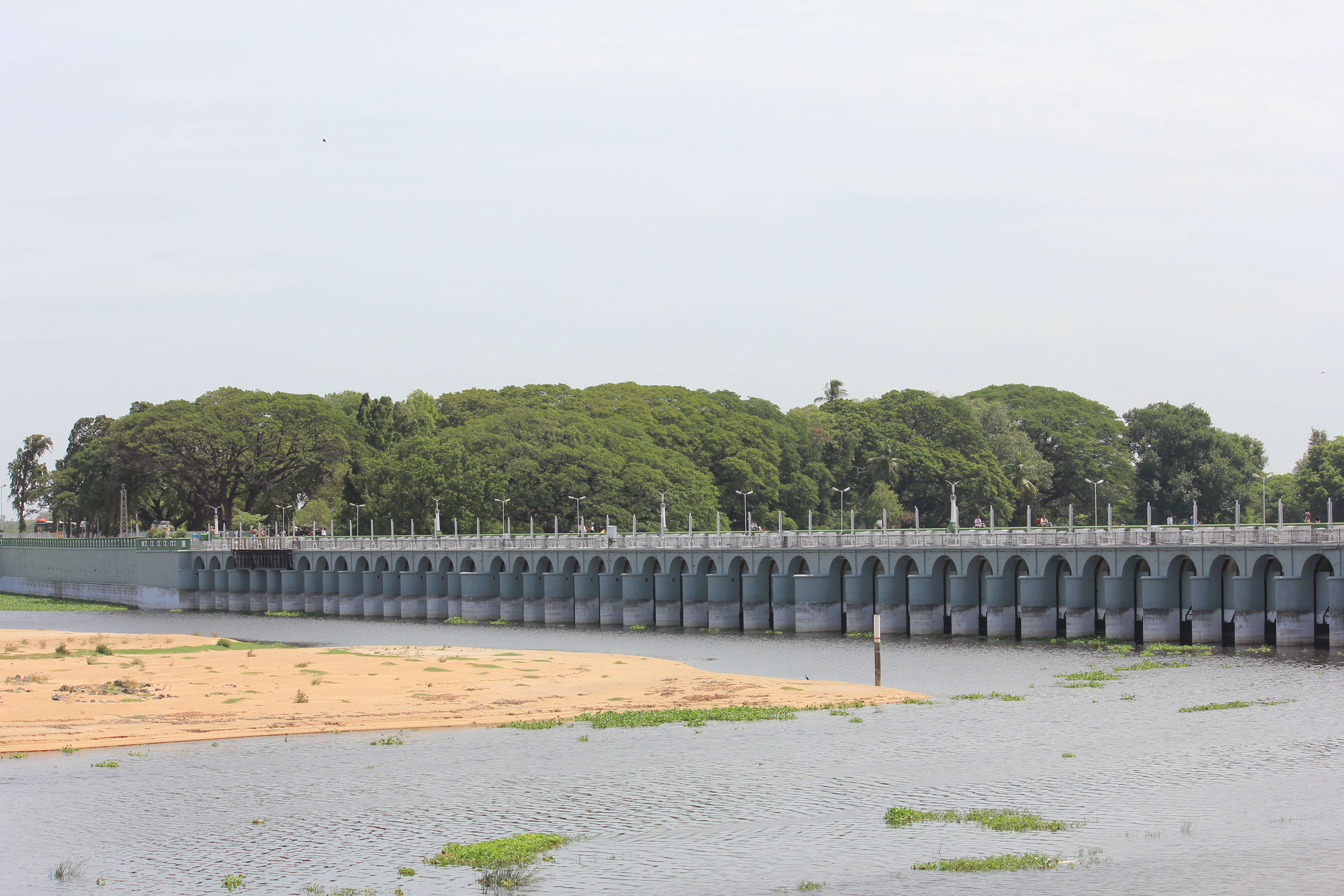
Kallanai, which translates to “stone dam” in Tamil, was constructed by the ancient Chola kings to regulate the flow of the Kaveri River for irrigation. Though the exact year is debated, the structure dates back to the 2nd century AD, making it one of the oldest water‑control systems still in use today. Built entirely of massive granite blocks, the dam stretches about 1 kilometre across the river, creating a sturdy barrier that channels water into a network of canals feeding the fertile plains of the Thanjavur region.
Why It Matters
- Engineering Legacy: Kallanai’s design showcases early mastery of hydraulic engineering—its stone‑filled channels and spillways still function effectively after centuries.
- Agricultural Lifeline: The dam supplies water to over 100 kilometres of irrigation canals, supporting rice paddies and other crops that form the backbone of Tamil Nadu’s agrarian economy.
- Cultural Icon: Mentioned in ancient Tamil literature and celebrated in local folklore, Kallanai is a source of regional pride and a symbol of sustainable water management.
Quick Facts
| Feature | Details |
|---|---|
| Type | Dam (stone weir) |
| Location | Lalgudi, Tamil Nadu, India |
| Coordinates | 10.829479 N, 78.816153 E |
| Built By | Chola dynasty (2nd century AD) |
| Primary Purpose | Irrigation and flood control |
| Status | Operational, over 1,800 years old |
| Official Wiki | Kallanai Dam – Wikipedia |
How to Get There
By Air
The nearest airport is Trichy International Airport (TRZ), about 80 km (≈ 2 hours) from Lalgudi. From the airport, you can hire a taxi or book a private car. The drive takes you through scenic countryside, passing small towns and lush paddy fields.
By Train
Kallanai is conveniently served by the Lalgudi Railway Station (LGY), a major stop on the Chennai–Tiruchirappalli line. Trains from Chennai, Madurai, Coimbatore, and other South Indian cities arrive here regularly. From Lalgudi station, the dam is just a short 3‑km ride—grab an auto‑rickshaw or a local taxi.
By Road
- From Trichy: Take NH 83 northward toward Lalgudi. The route is well‑marked and offers plenty of roadside eateries.
- From Chennai: Drive via NH 45 and NH 83 (≈ 340 km). Expect a 6‑hour journey with a few rest stops.
Parking is available near the dam’s visitor area, but it can fill up during peak weekends, so arrive early for a hassle‑free experience.
Best Time to Visit
| Season | Weather | Visitor Experience |
|---|---|---|
| Winter (Nov‑Feb) | Pleasant, 20‑28 °C | Ideal for photography, comfortable walks, and fewer crowds. |
| Summer (Mar‑May) | Hot, 35‑40 °C | Early mornings are best; the river’s flow is lower, exposing more of the stonework. |
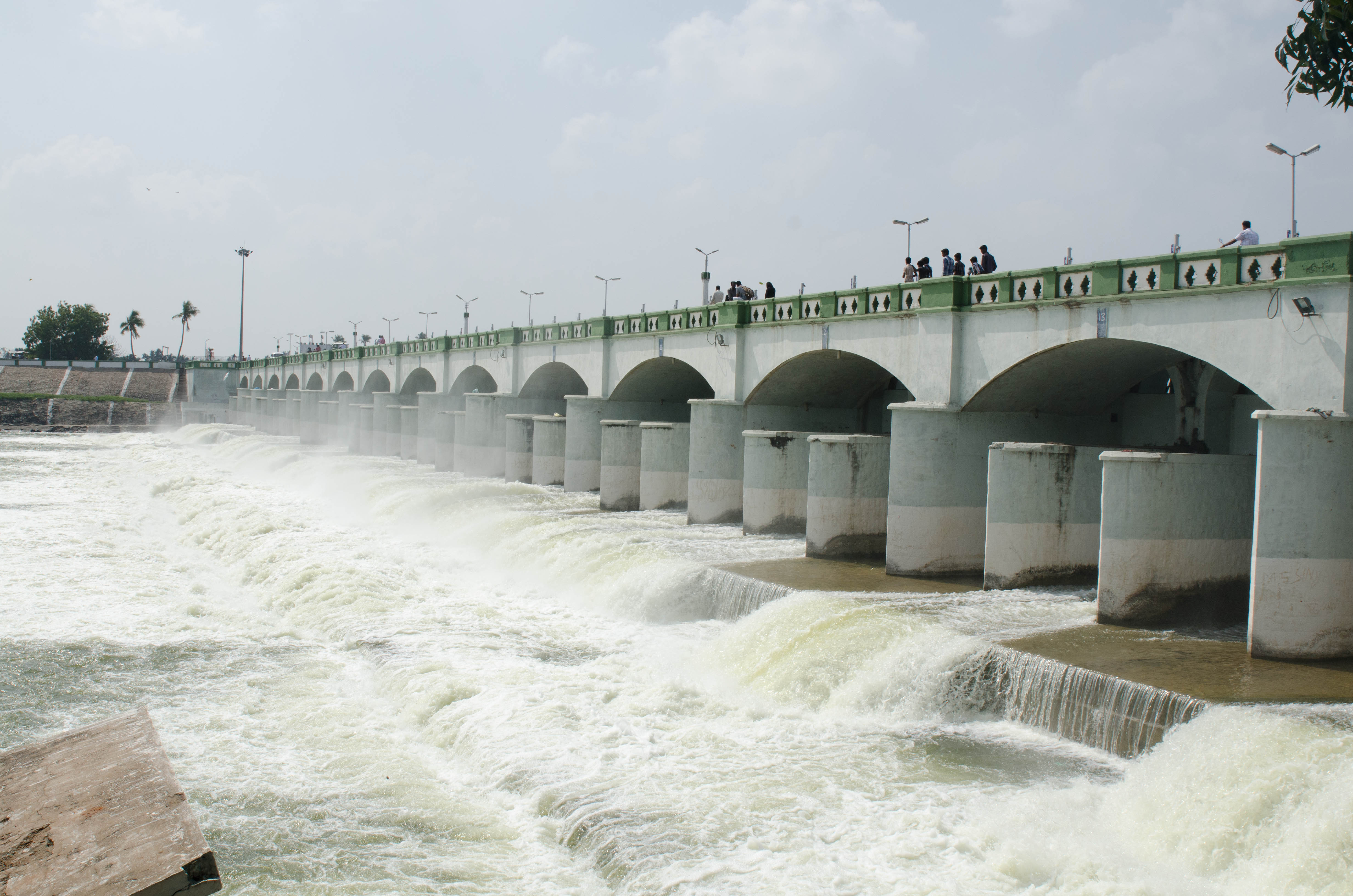
| Monsoon (Jun‑Oct) | Moderate to heavy rain, 25‑32 °C | The dam’s spillways are active, offering dramatic water displays, but some pathways may be slippery. |
Top Recommendation: Visit between December and February for clear skies, gentle breezes, and vibrant sunrise views over the Kaveri.
What to Expect
The Visual Spectacle
Approaching Kallanai, you’ll first notice the massive granite blocks arranged in a sleek, linear formation—an ancient “bridge” that looks both rugged and refined. The river’s turquoise waters glide calmly beneath, creating a reflective surface that mirrors the sky and the surrounding greenery.
Walking the Dam
A modest, well‑maintained walkway runs alongside the structure, allowing you to get up close to the stone joints and observe the spillways where excess water cascades during higher flow. Look out for the small canals branching off—these are the lifelines that feed the surrounding farmlands.
Wildlife & Birdwatching
The riverbank attracts a variety of waterbirds such as kingfishers, herons, and egrets. Early morning visits increase your chances of spotting these feathered residents.
Cultural Touchpoints
Local guides often share legends about the dam’s construction, including tales of the Chola king’s dedication to his people. You may also see farmers working in the fields nearby, offering a glimpse into the region’s agricultural rhythm.
Photo Opportunities
- Sunrise over the dam – the golden light hitting the granite creates a dramatic contrast.
- Aerial view – if you have a drone (check local regulations), the dam’s linear geometry against the winding river is stunning.
- Close‑up of stonework – capture the texture of the ancient blocks and the engineering precision.
Nearby Attractions
While Kallanai is the star, the surrounding area boasts several lesser‑known water structures that enrich your visit. All are within a 1 km radius, making them perfect for a short walking tour.
| Attraction | Distance | Type | Quick Link |
|---|---|---|---|
| Unnamed Weir #1 | 0.2 km | Weir | (link placeholder) |
| Unnamed Weir #2 | 0.2 km | Weir | (link placeholder) |
| Kallanai (Dam) – Main | 0.2 km | Dam | Kallanai Dam – Wikipedia |
| Kallanai (Dam) – Secondary | 0.5 km | Dam | (link placeholder) |
| Unnamed Weir #3 | 0.7 km | Weir | (link placeholder) |
Tip: Bring a map or use a GPS app to locate these spots; they’re often marked by small signboards indicating the water flow direction.
Travel Tips
- Dress Comfortably – Light cotton clothing, a hat, and comfortable walking shoes are essential, especially during summer heat.
- Stay Hydrated – Carry a reusable water bottle; refill stations are scarce near the dam.
- Sun Protection – The open riverbank offers little shade. Sunscreen and sunglasses are a must.
- Timing – Arrive early (6:30‑7:00 am) for sunrise shots and to avoid the mid‑day crowd.
- Guided Tours – Local guides can be hired at the entrance; they provide historical context and help you navigate nearby weirs.
- Respect the Site – Kallanai is an active irrigation structure. Do not climb on the dam or litter.
- Photography – If you plan to use a drone, obtain permission from the local authorities; some areas may be restricted for safety reasons.
- Cash for Snacks – Small stalls sell fresh coconut water, banana fritters, and tea—perfect for a quick bite.
Wrap‑Up
Kallanai Dam is more than a historic landmark; it’s a living testament to ancient ingenuity that still sustains Tamil Nadu’s agriculture and inspires travelers worldwide. Whether you’re a history buff, a photography enthusiast, or simply a wanderer seeking tranquil river views, Kallanai offers a unique blend of culture, nature, and engineering marvel.
Plan your trip, soak in the timeless ambience, and leave with a deeper appreciation for how a stone dam built over 1,800 years ago continues to shape the lives of millions today. Safe travels!