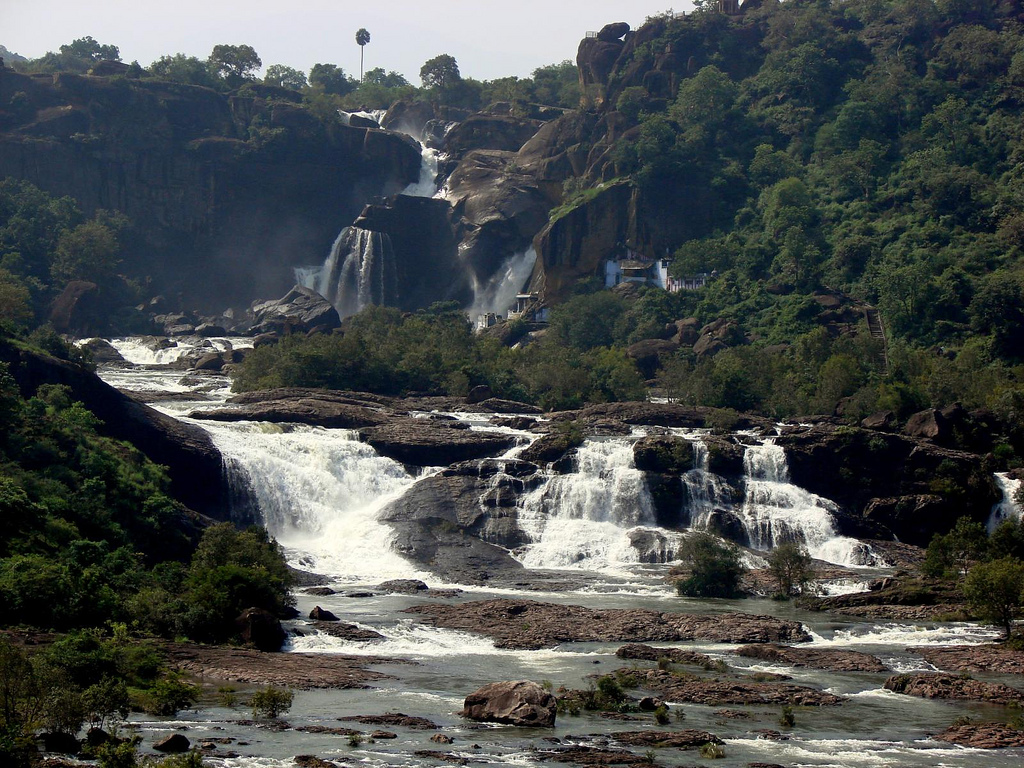
Agasthyar Falls – A Hidden Waterfall Gem in Tamil Nadu
If you’re chasing the roar of fresh water, emerald jungle paths, and the quiet charm of a lesser‑known destination, Agasthyar Falls in Ambasamudram, Tamil Nadu, should be at the top of your itinerary.
1. Introduction
Imagine stepping off a dusty road into a cool, mist‑laden valley where a crystal‑clear stream tumbles over rugged rocks, creating a natural symphony that drowns out the world beyond. That’s the moment you’ll experience at Agasthyar Falls – a pristine waterfall tucked away in the verdant hills of southern India. While the falls may not yet have the fame of Hogenakkal or Courtallam, its untouched beauty, serene surroundings, and easy‑going vibe make it a perfect spot for nature lovers, photographers, and anyone looking to escape the crowds.
2. About Agasthyar Falls
Located at coordinates 8.704009 N, 77.363927 E, Agasthyar Falls drops into the lush forest of the Ambasamudram taluk in Tamil Nadu. The waterfall’s exact height and altitude remain a mystery, adding an air of intrigue to the site. Local lore ties the name to the revered sage Agasthya, a figure in Hindu mythology known for his devotion to nature and the mountains.
The falls are part of a small river system that feeds nearby irrigation structures – a weir just 0.7 km away and a dam a kilometre downstream. These waterworks have helped sustain agriculture in the region for generations, making the waterfall not only a scenic spot but also a vital component of the local ecosystem.
Because the area is relatively remote and not heavily commercialised, visitors can still hear the gentle chatter of birds, the rustle of leaves, and the occasional distant call of a water buffalo. This tranquil atmosphere preserves the cultural significance of the site: a place where villagers have historically gathered for picnics, rituals, and simple recreation.
3. How to Get There
By Air
The nearest major airport is Thiruvananthapuram International Airport (TRV) in Kerala, roughly 130 km away. From the airport, you can hire a taxi or catch a state‑run bus to Ambasamudram.
By Train
Ambasamudram Railway Station (ASD) sits on the Southern Railway network and receives regular passenger trains from Chennai, Madurai, and Tirunelveli. If you’re traveling from elsewhere in Tamil Nadu, a train to Ambasamudram is often the most convenient option.
By Road
Ambasamudram is well connected by the NH 744 (the Tirunelveli–Sengottai highway). From the town centre, a short 5‑km drive on a paved road leads to the turn‑off for the waterfall trail. Local auto‑rickshaws, shared taxis, or a rented scooter are popular ways to cover the last kilometre.
The Final Stretch
The path from the parking area to the waterfall is a gentle, unpaved trail that takes about 15‑20 minutes on foot. The route is lined with coconut trees and occasional tea‑plantation terraces, offering plenty of shade and photo‑ops. No special permits are required, but it’s courteous to respect any local signage and avoid littering.
4. Best Time to Visit
| Season | Weather | Water Flow | Visitor Experience |
|---|---|---|---|
| Post‑Monsoon (Oct – Dec) | Pleasant, 20‑28 °C | Strongest flow, lush greenery | Ideal for photography and the full roar of the falls |
| Winter (Jan – Feb) | Cool, dry | Moderate flow, clearer water | Comfortable trekking, fewer crowds |
| Pre‑Monsoon (Mar – May) | Warm, occasional showers | Lower flow, still beautiful | Good for quiet walks, but check for sudden rain |
| Monsoon (Jun – Sep) | Heavy rain, high humidity | Very high flow, possible flash floods | Spectacular power, but safety concerns – avoid during intense storms |
Peak season is October to December when the waterfall is at its most vigorous and the surrounding forest is a deep, vibrant green. If you prefer a quieter visit, early January offers a balance of good water levels and milder temperatures.
5. What to Expect
Arriving at Agasthyar Falls, you’ll first notice the fresh scent of wet earth mixed with the faint aroma of nearby jasmine and sandalwood trees. The sound of water grows louder as you approach, culminating in a misty curtain that splashes onto a shallow pool at the base.
- Scenic Views: The falls cascade over a series of rocky ledges, creating multiple tiers that catch sunlight and produce rainbows on calm days.
- Photography: Early morning light filters through the canopy, highlighting the water’s sparkle. A wide‑angle lens works well for capturing the full cascade, while a macro lens can focus on the delicate moss and insects that cling to the rocks.
- Wildlife: Keep an eye out for kingfishers, small lizards, and occasional deer that venture close to the water for a drink.
- Picnic Spots: Flat stones beside the pool provide natural seating. Pack a simple lunch of fresh fruit, rotis, and tea for a relaxing break.
- Safety: The rocks can be slippery, especially after rain. Wear sturdy shoes, watch your step, and avoid swimming in the pool during high flow periods.
Overall, the experience is one of gentle immersion in nature—a chance to pause, breathe, and let the waterfall’s rhythm set your own pace.
6. Nearby Attractions
While Agasthyar Falls is the star, the surrounding area offers several points of interest that can round out a day trip:
| Attraction | Distance | Type | Quick Link |
|---|---|---|---|
| Local Weir | 0.7 km | Weir (small water barrier) | Weir – 0.7 km |
| Nearby Dam | 1.0 km | Dam (irrigation) | Dam – 1.0 km |
| Secondary Weir | 6.2 km | Weir | Weir – 6.2 km |
| Nisha Falls | 6.4 km | Waterfall | Nisha Falls |
| Additional Dam | 6.7 km | Dam | Dam – 6.7 km |
These sites are ideal for a short hike, a quick photo stop, or simply to appreciate how water shapes the landscape and supports local agriculture.
7. Travel Tips
- Start Early – Arriving before 9 am helps you avoid the midday heat and gives you the best light for photos.
- Carry Cash – Small roadside vendors may sell fresh coconut water, banana chips, or local snacks, but most places don’t accept cards.
- Dress Appropriately – Light, breathable clothing and a hat are recommended. Pack a rain jacket if you’re traveling during the pre‑monsoon months.
- Footwear – Sturdy, slip‑resistant shoes or trekking sandals are essential for the rocky trail.
- Stay Hydrated – Even though the climate can be cool, the trek can be physically demanding. Bring at least 1‑2 liters of water per person.
- Respect Local Customs – The waterfall area is used by nearby villagers for daily activities. Keep noise levels low and avoid littering.
- Safety First – During heavy rain, the water level can rise quickly. If you hear warnings or see strong currents, retreat to higher ground.
- Photography Gear – A polarizing filter helps reduce glare on the water, and a small tripod can be handy for sunrise shots.
- Connectivity – Mobile signal can be spotty. Download offline maps (Google Maps or MAPS.ME) before you set out.
- Leave No Trace – Take any trash back with you. The natural beauty of Agasthyar Falls depends on responsible tourism.
Final Thought
Agasthyar Falls may not have a giant billboard advertising it, but that’s precisely what makes the experience feel authentic. The gentle roar of water, the fresh forest air, and the sense of stepping into a place that time has largely forgotten combine to create a travel memory that stays with you long after you’ve left Tamil Nadu.
Pack your backpack, lace up your shoes, and let the hidden charm of Agasthyar Falls add a splash of wonder to your Indian adventure.
Keywords: Agasthyar Falls, waterfall in Tamil Nadu, travel to Agasthyar Falls, things to do near Agasthyar Falls, best time to visit Agasthyar Falls, how to reach Agasthyar Falls, Ambasamudram waterfall, Tamil Nadu nature travel