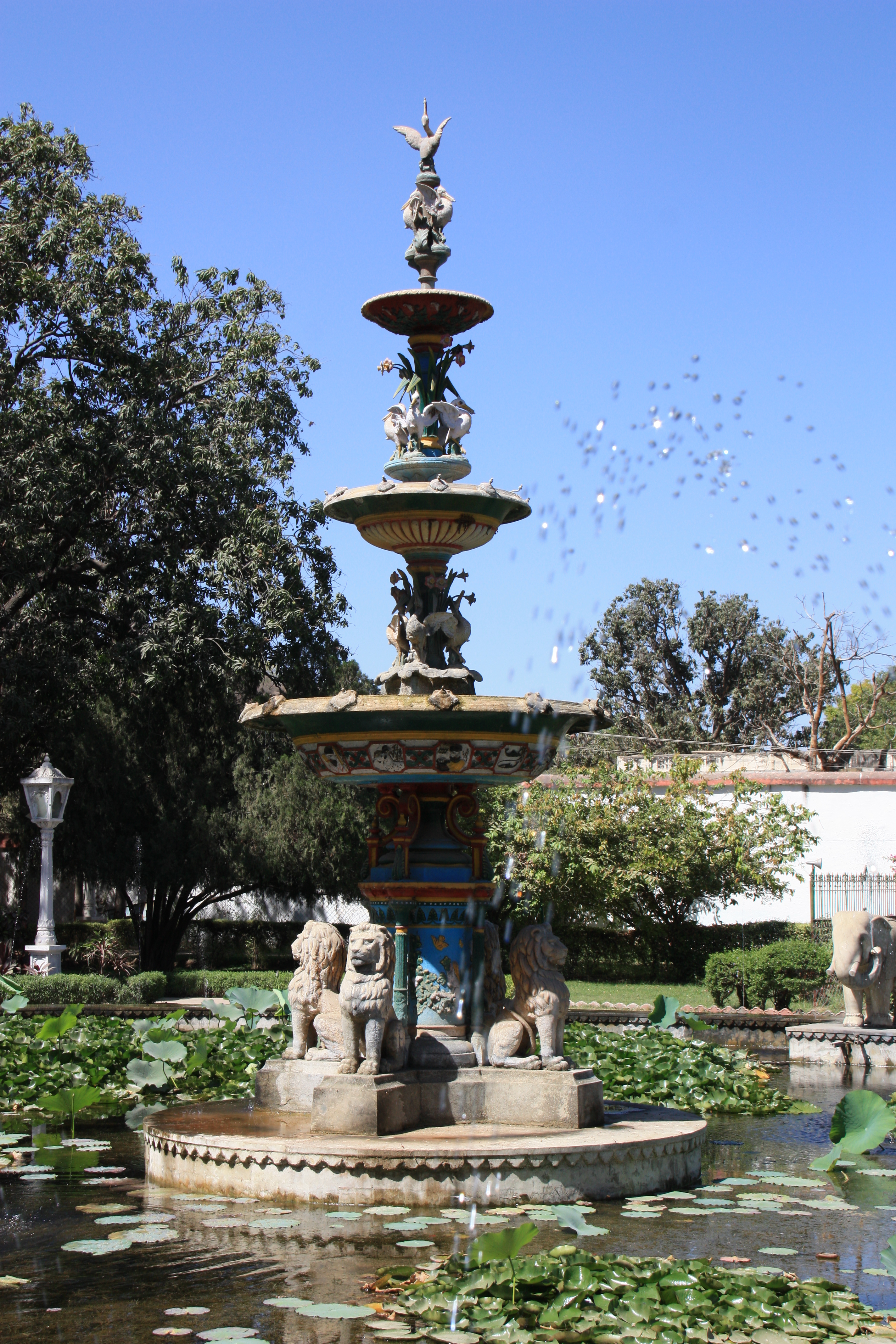
Saheliyon‑ki‑Bari: The Enchanting Fountain Garden of Udaipur, Rajasthan
Discover why this hidden gem is a must‑see on any Rajasthan itinerary.
Introduction
Imagine stepping into a cool oasis where marble fountains dance to the rhythm of gentle breezes, fragrant roses perfume the air, and historic pavilions whisper stories of royal friendship. That’s Saheliyon‑ki‑Bari—literally “Garden of the Maidens”—a tranquil fountain garden tucked away in the heart of Udaipur, Rajasthan. While Udaipur is famed for its glittering lakes and majestic palaces, Saheliyon‑ki‑Bari offers a quieter, more intimate slice of royal leisure that feels like stepping back into a 17th‑century summer retreat. Whether you’re a first‑time visitor to Rajasthan or a seasoned traveler hunting off‑the‑beaten‑path attractions, this garden’s sparkling water features and lush landscaping make it an unforgettable stop on your Indian adventure.
About Saheliyon‑ki‑Bari
A Royal Retreat
Saheliyon‑ki‑Bari was commissioned in the late 1600s by Maharana Sajjan Singh for his queens and their close‑friending maidens (the saheli). The garden served as a private sanctuary where the royal women could escape the heat of the palace and enjoy leisurely walks, music, and conversation. Over the centuries, the garden’s layout has remained largely intact, preserving its original charm.
Architectural Highlights
- Fountain Ensemble: The centerpiece is a series of marble fountains that cascade into crystal‑clear basins. While the exact height of each fountain is not documented, their rhythmic flow creates a cooling micro‑climate that is especially refreshing during Rajasthan’s scorching summers.
- Pavilions & Arches: Delicately carved marble pavilions line the garden’s pathways, offering shaded spots to rest and admire the surroundings.
- Floral Displays: Seasonal roses, marigolds, and jasmine vines drape over pergolas, adding bursts of colour and fragrance.
Cultural Significance
Saheliyon‑ki‑Bari is more than a pretty garden; it embodies the social fabric of the Mewar court, where women’s companionship and artistic expression were celebrated. The garden’s name itself pays homage to the saheli—a term that evokes friendship, loyalty, and shared moments of joy. Today, the site is a protected heritage monument, listed on the Rajasthan tourism board and featured on Wikipedia’s page for Saheliyon‑ki‑Bari.
How to Get There
By Air
The nearest airport is Maharana Pratap Airport (Udaipur), located about 22 km from the garden. From the airport, you can hire a prepaid taxi or book a ride‑share (Ola, Uber) that will drop you off at Saheliyon‑ki‑Bari in roughly 30‑40 minutes.
By Train
Udaipur City Railway Station (UDZ) is the main rail hub, situated approximately 5 km from the garden. From the station, auto‑rickshaws and local taxis are readily available. A short 15‑minute drive will bring you to the garden’s main entrance.
By Road
Udaipur is well‑connected by National Highway 48. If you’re driving from Jaipur (≈ 395 km) or Jodhpur (≈ 250 km), follow the signs for Lake Pichola—Saheliyon‑ki‑Bari lies just north of the lake, near the coordinates 24.602987, 73.685194. Parking is available on‑site for cars and two‑wheelers.
Local Transport
Udaipur’s city buses (routes 7, 12, and 15) stop within a 10‑minute walk of the garden. For a more authentic experience, consider hiring a cycle rickshaw to navigate the narrow lanes of the old city.
Best Time to Visit
| Season | Weather | Why It’s Ideal |
|---|---|---|
| Winter (Oct‑Feb) | Cool, dry (10‑25 °C) | Comfortable strolling; clear skies for photography. |
| Monsoon (Jun‑Sept) | Light showers, lush greenery | Gardens are at their verdant best; fountains flow more dramatically. |
| Summer (Mar‑May) | Hot (30‑45 °C) | Early morning visits (6‑8 am) provide a refreshing respite from the heat, thanks to the garden’s fountains. |
Peak tourist months are November to January. Arriving early in the day helps you beat the crowds and capture the soft morning light on the marble arches.
What to Expect
A Sensory Journey
- Sight: The garden’s symmetrical layout, sparkling water, and intricate marble work create a visual feast. The reflection of the fountains on the surrounding ponds adds a dreamy quality to every photo.
- Sound: The gentle murmur of water, punctuated by occasional bird songs, provides a calming soundtrack that drowns out the city’s bustle.
- Smell: Fragrant roses and jasmine mingle with the fresh scent of flowing water, creating an aromatic ambiance perfect for mindfulness or a quiet read.
Visitor Experience
- Guided Tours: Free audio guides are available at the entrance, offering insights into the garden’s history and architectural details.
- Photography: The garden’s open spaces and reflective pools are ideal for portrait and landscape photography. Early morning or late afternoon light yields the most dramatic shadows.
- Relaxation Spots: Benches under the pavilions invite you to sit, sip a cup of chai, and watch families and couples enjoy the cool mist of the fountains.
Accessibility
The garden’s pathways are mostly level, but a few steps lead up to the pavilions. Wheelchair users may find some areas challenging; however, the main fountain courtyard is wheelchair‑friendly.
Nearby Attractions
Saheliyon‑ki‑Bari sits in a cluster of historic water features and cultural sites. While the exact names of the surrounding fountains are not listed, you can explore these neighboring attractions, all within a short walk:
- Fountain 1 – 0.0 km away – A historic marble fountain that predates Saheliyon‑ki‑Bari.
- Fountain 2 – 0.0 km away – Known for its intricate stone carvings.
- Fountain 3 – 0.0 km away – Offers a serene spot for meditation.
- Fountain 4 – 0.1 km away – Features a small garden of scented herbs.
- Fountain 5 – 0.1 km away – Popular among locals for evening gatherings.
(For detailed information, click the links above—each will direct you to a brief description of the respective site.)
Other must‑see spots nearby
- Lake Pichola – A boat ride at sunset offers panoramic views of the City Palace and the Jag Mandir island.
- City Palace Museum – A short 10‑minute walk brings you to this opulent complex showcasing Mewar’s royal artifacts.
- Jagdish Temple – A 12th‑century Hindu temple renowned for its towering shikhara and intricate marble work.
Travel Tips
| Tip | Details |
|---|---|
| Dress Comfortably | Light cotton clothing, a hat, and sunglasses are advisable, especially during summer. |
| Stay Hydrated | Carry a reusable water bottle; refill stations are available near the garden entrance. |
| Footwear | Comfortable walking shoes or sandals with good grip are recommended for the marble surfaces. |
| Timing | Arrive early (6‑8 am) in peak season to enjoy cooler temperatures and fewer crowds. |
| Photography | No flash is required; natural light works best. Be mindful of other visitors when framing shots. |
| Local Snacks | Try the freshly made kachori from a nearby stall for a quick, tasty bite. |
| Respect the Site | No littering; keep voices low to maintain the garden’s peaceful ambiance. |
| Currency | Small denominations of Indian rupees are useful for rickshaw rides and snack purchases. |
| Safety | The area is generally safe, but keep an eye on personal belongings, especially in busy tourist periods. |
| Connectivity | Free Wi‑Fi is available at the garden’s visitor centre; a good spot to upload your travel photos. |
Final Thoughts
Saheliyon‑ki‑Bari is a living tableau of Rajasthan’s regal past, where water, stone, and flora converge to create a sanctuary of serenity. Its fountains not only cool the air but also cool the soul, offering travelers a rare pause amidst the vibrant chaos of Udaipur. By planning your visit with the practical tips above, you’ll experience the garden’s timeless allure and leave with memories— and photographs— that capture the very essence of Rajasthan’s “Land of Kings.”
Ready to add Saheliyon‑ki‑Bari to your itinerary? Pack your camera, bring a sense of wonder, and let the garden’s gentle mist guide you through a truly magical Indian experience.