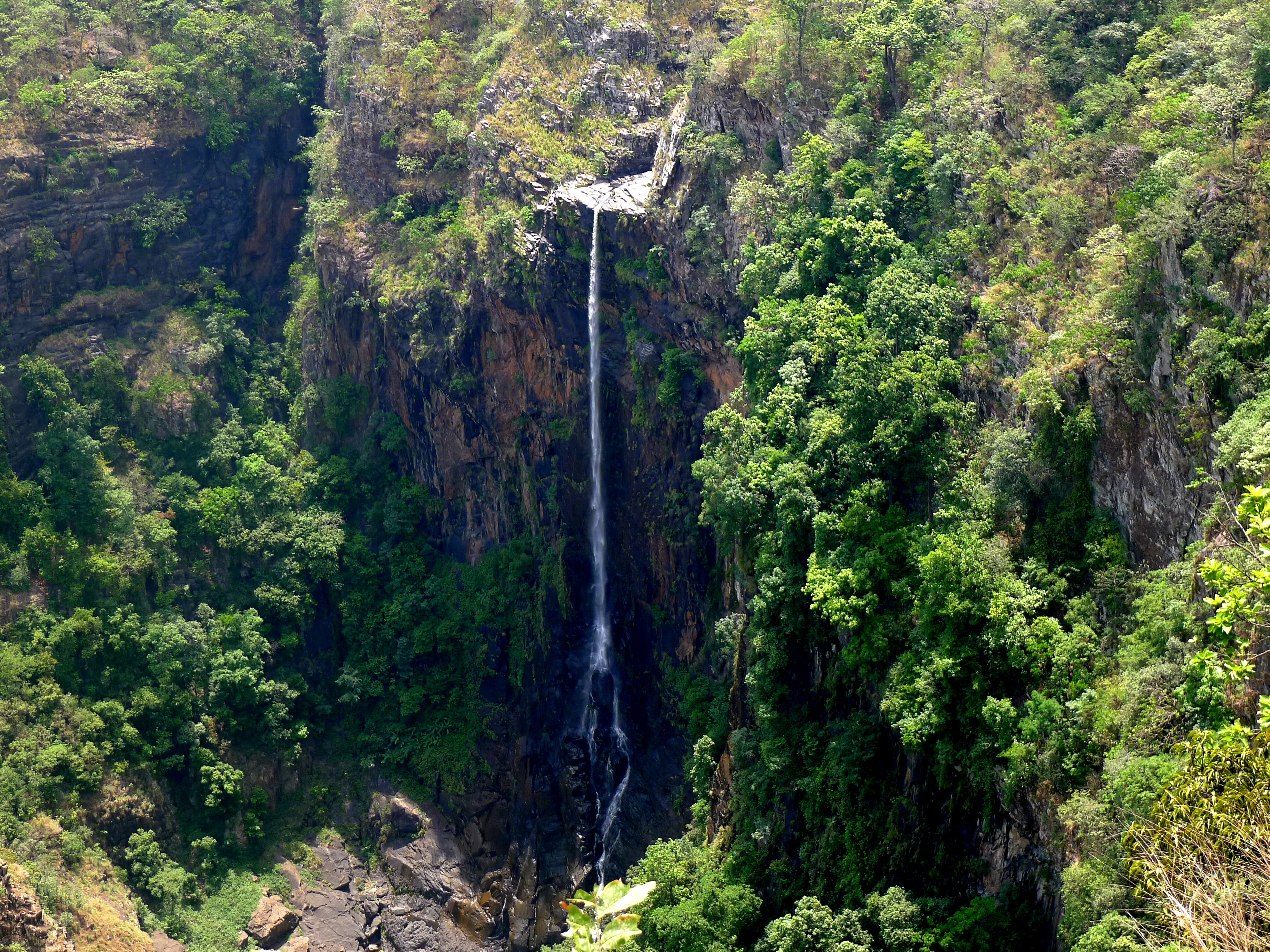
Joranda Falls – Odisha’s Majestic 150‑Meter Waterfall
If you’ve ever dreamed of chasing the roar of a hidden cascade deep in India’s eastern forests, Joranda Falls should be at the top of your bucket list. With a dramatic 150 m drop, lush surroundings, and a sense of untouched wilderness, this waterfall in Kuchaiburi, Odisha, offers an unforgettable adventure for nature lovers, photographers, and off‑the‑beaten‑path travelers alike.
About Joranda Falls
Joranda Falls (also spelled Joranda Waterfall) is a spectacular plunge waterfall located in the dense forested hills of Kuchaiburi, Odisha, India. Dropping a sheer 150 meters (≈ 492 feet) into a mist‑filled pool, it is one of the tallest waterfalls in the state and a hidden gem that remains relatively uncrowded compared to more commercial sites.
History & Significance
While there is limited documented history, local folklore describes Joranda as a sacred spot where tribal communities once performed rituals to honor the river spirits. The waterfall’s name is believed to derive from the nearby Joranda village, which has been a gateway for explorers and trekkers for decades. Over time, the falls have become a symbol of Odisha’s natural heritage, showcasing the state’s rugged terrain and biodiversity.
Why It Matters
- Ecotourism – Joranda contributes to sustainable tourism in Odisha, encouraging visitors to respect forest ecosystems.
- Photography – The vertical plunge creates a dramatic curtain of water, perfect for long‑exposure shots.
- Adventure – The trek to the base of the falls offers a blend of forest trails, river crossings, and panoramic viewpoints.
For more factual details, see the Joranda Falls Wikipedia page.
How to Get There
Reaching Joranda Falls is part of the adventure. Here’s a step‑by‑step guide for travelers coming from major hubs:
| Starting Point | Mode of Transport | Approx. Distance | Travel Time |
|---|---|---|---|
| Bhubaneswar (Odisha capital) | Flight → Train/Bus → Taxi/Shared Jeep | ~300 km | 6–7 hrs |
| Rourkela (nearest major city) | Train or Bus → Local Taxi | ~120 km | 3–4 hrs |
| Kuchaiburi (village nearest to the falls) | Local taxi, auto‑rickshaw, or hired jeep from Rourkela | 20 km | 45 min |
Detailed Route
- Fly or take a train to Bhubaneswar – the state’s international airport and main rail hub.
- Catch a train or state bus to Rourkela (major industrial city in northern Odisha). Trains such as the Bhubaneswar–Rourkela Express run daily.
- From Rourkela, hire a private taxi or shared jeep to Kuchaiburi. The road winds through forested hills, offering scenic views of the Eastern Ghats.
- Final stretch – From Kuchaiburi, a short trek (approximately 1 km) leads to the waterfall’s viewpoint. Local guides are available for a modest fee and can help navigate the trail safely.
Pro tip: Carry a printed map or offline GPS with the coordinates 21.938062, 86.403919 to pinpoint the exact location, especially if cellular signal drops.
Best Time to Visit
Joranda Falls is a year‑round destination, but the experience varies dramatically with the seasons:
| Season | Weather | Water Flow | Visitor Experience |
|---|---|---|---|
| Monsoon (June – September) | Heavy rain, high humidity | Peak flow – the waterfall is at its most powerful, creating massive spray and thunderous sound. | Ideal for photographers seeking dramatic shots, but trails can be slippery. |
| Post‑Monsoon (October – November) | Pleasant temperatures, occasional showers | Strong flow with clearer water. | Considered the sweet spot – lush greenery, vibrant rainbows, and comfortable trekking conditions. |
| Winter (December – February) | Cool, dry, occasional fog | Moderate flow – water levels recede slightly. | Great for peaceful walks, birdwatching, and sunrise views. |
| Summer (March – May) | Hot, dry, occasional thunderstorms | Lower flow, but still impressive. | Ideal for those who prefer fewer crowds and milder trekking. |
Overall recommendation: Plan your visit between late October and early February for a balance of strong water display and comfortable weather.
What to Expect
The Journey
- Forest Trail: The approach to Joranda is a gentle trek through dense, semi‑evergreen forest. Expect the scent of wild orchids and the occasional call of the Indian hornbill.
- River Crossing: A shallow stream must be crossed via stepping stones or a small wooden bridge—bring waterproof shoes.
- Viewpoint: The main viewing platform offers a sweeping vista of the 150 m cascade. On sunny days, you’ll often see a rainbow arching across the mist.
At the Falls
- Soundscape: The roar of water is deafening at close range, creating a natural white‑noise backdrop perfect for meditation.
- Photography: Use a tripod for long‑exposure shots to capture silky water motion. Early morning light or late afternoon golden hour yields the best contrast.
- Safety: The pool at the base is deep and has strong currents; swimming is not recommended. Keep a safe distance from the edge, especially during monsoon when rocks become slick.
Amenities
Facilities are minimal, preserving the site’s natural charm. You’ll find:
- Basic restrooms near the parking area (maintained by local authorities).
- Small tea stalls run by villagers offering hot chai, roasted peanuts, and fresh fruit.
- Guided tours available on a pay‑per‑person basis; guides are knowledgeable about local flora, fauna, and folklore.
Nearby Attractions
While Joranda Falls can easily fill a day, the surrounding region offers additional points of interest within a short drive:
| Attraction | Distance from Joranda | Type | Why Visit |
|---|---|---|---|
| Debakunda Waterfall | 26.1 km | Waterfall | Another scenic cascade, perfect for a waterfall‑hopping itinerary. |
| [Unnamed Dam] | 28.4 km | Dam | Offers panoramic lake views and opportunities for picnicking. |
| [Unnamed Dam] | 28.9 km | Dam | Ideal for birdwatching and quiet sunset moments. |
| [Unnamed Dam – Jharkhand] | 43.0 km | Dam | Cross‑state excursion showcasing the region’s water management projects. |
| [Unnamed Weir – Jharkhand] | 45.9 km | Weir | A tranquil spot for fishing and relaxed riverside walks. |
Tip: Because the dam and weir names are not widely publicized, ask local guides for the exact sites and any entry permissions required.
Travel Tips
- Hire a Local Guide – They know the safest routes, can translate tribal folklore, and often share hidden viewpoints.
- Pack Essentials – Waterproof backpack, sturdy trekking shoes, a rain jacket (especially during monsoon), and a reusable water bottle.
- Carry Cash – Small villages may not accept cards; a few hundred rupees will cover guide fees, snacks, and any entry contributions.
- Respect the Environment – Take all litter back with you, avoid plucking plants, and stay on marked trails to protect the fragile forest ecosystem.
- Stay Connected – Mobile reception can be spotty; download offline maps and emergency contacts before you set off.
- Timing is Key – Arrive early (around sunrise) to beat any crowds and capture the best light for photography.
- Health Precautions – Bring basic first‑aid supplies; mosquito repellent is advisable during the monsoon and post‑monsoon seasons.
Final Thoughts
Joranda Falls is more than just a drop of water—it’s a living portrait of Odisha’s wild heart. Whether you’re chasing the thunderous roar of a monsoon cascade, seeking quiet contemplation amid misty forests, or simply adding a dramatic waterfall to your Indian travel diary, Joranda delivers an authentic, awe‑inspiring experience. Pack your sense of adventure, respect the natural surroundings, and let the 150‑meter plunge of Joranda Falls become a highlight of your journey through eastern India.
Happy travels, and may the mist of Joranda inspire every step of your adventure!