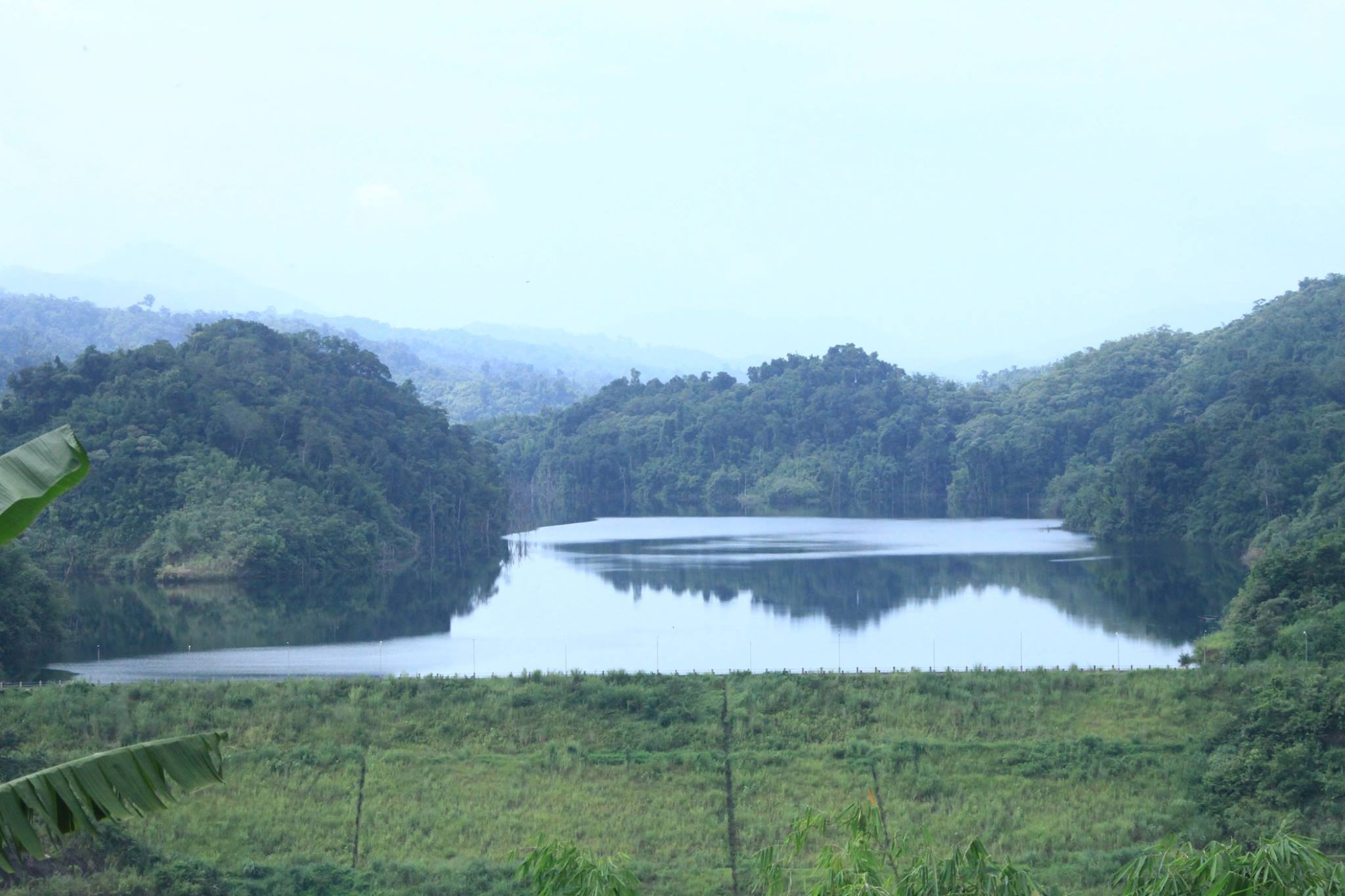
Serlui B Dam – A Hidden Gem in Mizoram’s Lush Landscape
Discover the tranquil beauty of Serlui B Dam, a lesser‑known marvel tucked away in the hills of Kolasib, Mizoram. Whether you’re a nature lover, a photography enthusiast, or simply chasing off‑the‑beaten‑path experiences, this dam offers a peaceful retreat with stunning vistas and authentic local flavor.
1. Introduction
Imagine standing on a quiet riverside, the water glimmering under a crisp sunrise, framed by rolling emerald hills that seem to stretch forever. That’s the moment you’ll capture at Serlui B Dam—a modest yet captivating dam located in the heart of Kolasib district, Mizoram, India. While the dam itself may not boast towering heights or a famous history, its serene setting, pristine environment, and the warm hospitality of the surrounding villages make it a must‑visit spot for any traveler exploring North‑East India.
“The best journeys are the ones that take you to places you never heard of, yet leave an unforgettable imprint on your soul.” – Travel Blogger
If you’re planning a road trip through the Northeast, a cultural tour of Mizoram, or simply a weekend escape into nature, add Serlui B Dam to your itinerary. Below, you’ll find everything you need to know—from how to get there, to the best time to visit, and the hidden attractions that lie just a few kilometres away.
2. About Serlui B Dam
- Type: Dam 🏗️
- Location: Kolasib, Mizoram, India
- Coordinates: 24.338895 N, 92.768618 E
- Height / Altitude: Not publicly disclosed
Serlui B Dam is part of Mizoram’s network of small‑scale water‑resource projects that help regulate river flow, support irrigation, and provide a modest supply of hydro‑electric power to nearby villages. Though the dam’s exact specifications (height, capacity) remain unpublicized, its presence is felt in the daily lives of locals who rely on the water for farming and domestic use.
The dam sits on the Serlui River, a tributary that winds through the lush, forest‑covered valleys of the state. Its location at a modest elevation offers panoramic views of the surrounding hills, terraced paddy fields, and dense bamboo groves. The area is relatively untouched by mass tourism, which means you can enjoy the calm ambiance without crowds.
Why it matters:
- Ecological value: The reservoir supports a variety of native fish species and attracts migratory birds during the winter months.
- Cultural significance: The nearby villages celebrate seasonal festivals that often involve river‑related rituals, giving visitors a glimpse into Mizoram’s vibrant traditions.
- Sustainable tourism: As a low‑impact attraction, Serlui B Dam encourages responsible travel and helps promote the region’s natural heritage.
For a quick reference, you can read the official Wikipedia entry here: Serlui B Dam – Wikipedia.
3. How to Get There
By Air
The nearest commercial airport is Lengpui Airport (Aizawl Airport), located about 120 km (≈ 3‑4 hours by road) from Kolasib. Daily flights connect Aizawl with Kolkata, Guwahati, and Delhi. From the airport, you can hire a taxi or book a private car to Kolasib town, then continue to the dam.
By Train
Mizoram’s railway network is limited, but the Bairabi Railway Station (the terminus of the Indian Railways line in the state) is the closest railhead, roughly 80 km from Kolasib. From Bairabi, shared taxis or state‑run buses head toward Kolasib.
By Road
Mizoram is well‑connected by National Highway 54 (NH‑54), which runs from Silchar (Assam) to Aizawl, passing through Kolasib.
- From Aizawl: Take a state bus or a shared taxi heading north on NH‑54. The journey to Kolasib takes about 3 hours.
- From Silchar (Assam): NH‑54 leads directly into Mizoram; you’ll cross the border at the Jiribam checkpoint, then continue to Kolasib.
Once in Kolasib town, the dam is just a short local drive (approximately 10 km) eastward along the Serlui River road. Public transport options are limited, so hiring a local tempo (three‑wheeler) or arranging a private vehicle is recommended.
Practical Tips for the Journey
| Mode | Approx. Time | Cost (INR) | Notes |
|---|---|---|---|
| Flight (Kolkata → Aizawl) | 2 h (plus airport time) | 5,000–8,000 | Book early for better rates |
| Taxi Aizawl → Kolasib | 3 h | 2,500–3,500 | Fixed‑rate per day is common |
| Shared Bus (Aizawl → Kolasib) | 4 h | 150–250 | Comfortable but may be crowded |
| Private Car (Silchar → Kolasib) | 5 h | 3,000–4,000 | Scenic drive through hills |
4. Best Time to Visit
Mizoram enjoys a subtropical highland climate—cooler than much of the Indian plains, with distinct wet and dry seasons. For Serlui B Dam, consider the following windows:
| Season | Months | Weather | Why Visit |
|---|---|---|---|
| Winter (Cool & Dry) | October – March | Pleasant temperatures (10‑22 °C), clear skies | Ideal for photography, birdwatching, and comfortable trekking |
| Pre‑Monsoon (Post‑Harvest) | April – May | Warm, low humidity, occasional showers | Lush green fields, vibrant local festivals |
| Monsoon | June – September | Heavy rain, swollen rivers, occasional landslides | Not recommended for road travel; the dam area can be slippery and visibility reduced |
Top recommendation: Plan your visit between late October and early March. The post‑monsoon landscape remains verdant, while the air is crisp and the chances of rain are low. This period also coincides with several local festivals, giving you an added cultural experience.
5. What to Expect
Scenic Views
- Panoramic river vistas: The reservoir mirrors the sky, creating perfect reflection shots at sunrise and sunset.
- Hilltop outlooks: Small walking trails lead to gentle ridges offering sweeping views of the surrounding valleys.
Wildlife & Birdwatching
- Avian species: During winter, migratory birds such as the Eurasian Wigeon and Northern Pintail frequent the water’s edge.
- Forest fauna: Keep an eye out for colorful butterflies, small mammals, and the occasional Mizoram goral (a type of mountain goat) on the distant slopes.
Local Culture
- Village life: Nearby hamlets practice traditional Mizo farming methods—paddy terraces, bamboo weaving, and folk music.
- Festivals: If you’re lucky to coincide with Chapchar Kut (the spring harvest festival) or Mim Kut (the harvest thanksgiving), you’ll witness vibrant dances, local delicacies, and community gatherings.
Activities
- Photography: Early morning mist, golden hour lighting, and the calm water surface make for stunning shots.
- Picnicking: The dam’s banks are ideal for a simple picnic; just bring your own food and respect the environment.
- Short hikes: Trail markers are minimal, so stick to well‑trodden paths and consider hiring a local guide for safety.
Facilities
- Restrooms: Basic facilities are available near the dam’s visitor spot, but they are rudimentary.
- Food: There are no formal restaurants at the dam itself. However, roadside stalls in Kolasib serve Mizo thukpa, bamboo shoot pickle, and fresh tea.
6. Nearby Attractions
The Serlui B Dam area is dotted with several other water‑related sites that are perfect for a day‑trip or a multi‑stop nature tour. While many of these are small dams or weirs, they each offer a unique glimpse into Mizoram’s hydrological landscape.
| Distance | Attraction | Type | What to See | Approx. Travel Time |
|---|---|---|---|---|
| 3.3 km | Unnamed Dam #1 | Dam | Small reservoir, quiet fishing spot | 5 min by car |
| 4.1 km | Unnamed Dam #2 | Dam | Cascading spillway, ideal for short walks | 7 min by car |
| 4.2 km | Unnamed Dam #3 | Dam | Scenic overlook, bird‑watching platform | 8 min by car |
| 4.9 km | Unnamed Dam #4 | Dam | Picnic area with shaded benches | 10 min by car |
| 11.8 km | Unnamed Weir | Weir | Historic irrigation structure, local folklore | 20 min by car |
Tip: Because these sites lack official signage, it’s helpful to ask locals for directions or use a GPS app with the coordinates of Serlui B Dam as a reference point.
If you prefer a more structured itinerary, consider pairing the dam visit with a trip to Aizawl (the state capital) to explore the Mizoram State Museum, Reiek Tlang viewpoint, and the bustling Zawlbuk market.
7. Travel Tips
- Carry Cash – Rural Mizoram still relies heavily on cash transactions; ATMs are scarce outside major towns.
- Dress Appropriately – Light layers work best. Even in summer, evenings can be cool; a light jacket is advisable.
- Stay Hydrated – The altitude and dry air can dehydrate you quickly, especially during hikes.
- Respect Local Customs – The Mizo people are warm and welcoming, but modest dress and polite greetings (a simple “Khawngai” meaning “hello”) go a long way.
- Leave No Trace – Pack out all litter, avoid feeding wildlife, and stay on established paths to protect the fragile ecosystem.
- Safety First – The dam’s water levels can rise rapidly during the monsoon. Avoid swimming or wading near spillways, and heed any local warnings.
- Connectivity – Mobile network can be patchy; download offline maps (Google Maps offline area) before you set out.
- Permits – No special permits are required for visiting Serlui B Dam, but if you plan to trek deeper into forested zones, check with the Mizoram Forest Department for any necessary clearances.
- Photography – Sunrise (around 6:30 am) and sunset (around 5:45 pm) provide the best natural lighting. A polarizing filter can help reduce glare on the water surface.
- Local Cuisine – Don’t miss trying bamboo shoot pickle, zu (fermented rice beer), and Mizo pork dishes—delicious flavors that reflect the region’s agricultural heritage.
Wrap‑Up
Serlui B Dam may not dominate travel brochures, but its understated charm, pristine surroundings, and the genuine warmth of Mizoram’s people make it a rewarding stop for any explorer seeking authentic experiences