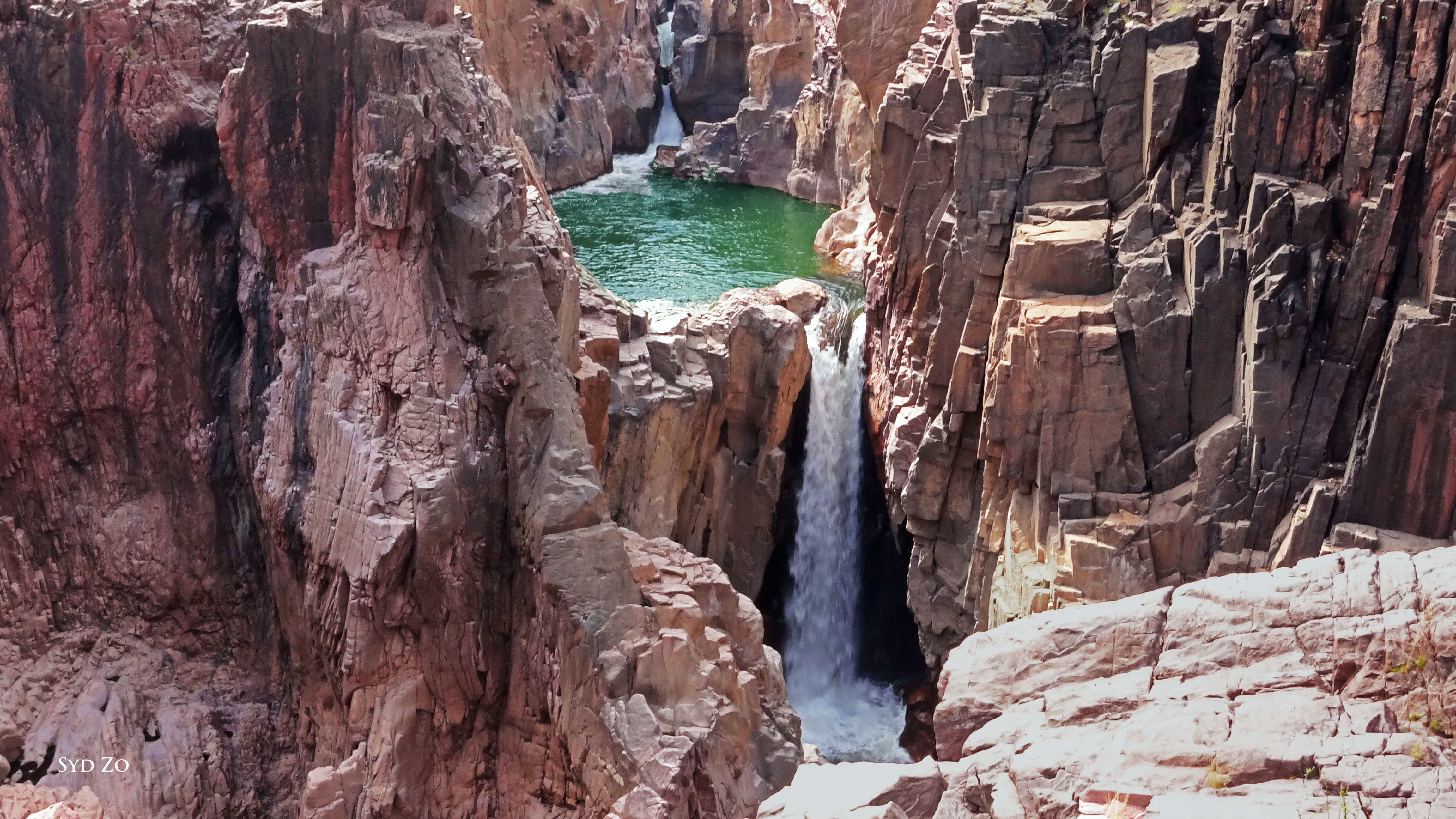
Raneh Falls: The Hidden Limestone Canyon of Madhya Pradesh
If you think you’ve seen every waterfall in India, think again. Tucked away just a short drive from the famed temples of Khajuraho, Raneh Falls is a natural masterpiece that blends turquoise water, towering limestone cliffs, and a sense of quiet wonder. Whether you’re a seasoned trekker, a photography enthusiast, or simply looking for a serene spot to unwind, Raneh Falls should be at the top of your Madhya Pradesh itinerary.
1. Introduction
Imagine standing on a riverbank where the water rushes over a series of smooth, multi‑coloured rock formations that look like they were chiseled by an ancient sculptor. The sound of the cascade mingles with the whisper of wind through the canyon, and the surrounding forest feels untouched by time. This is Raneh Falls, a spectacular waterfall on the Ken River in Khajuraho, Madhya Pradesh.
While Khajuraho draws millions of visitors for its UNESCO‑listed temples, the nearby Raneh Canyon—often called the “Grand Canyon of India”—offers a completely different kind of awe. The falls are not just a photo‑op; they are a living laboratory of geology, a haven for birdwatchers, and a perfect spot for a picnic amid nature’s own art gallery.
2. About Raneh Falls
What Makes It Special?
Raneh Falls is part of the Raneh Ghat limestone canyon, a natural gorge that stretches for about 1 km. The canyon’s walls are composed of multicoloured limestone—shades of pink, white, and grey—that have been eroded over millions of years by the Ken River. As the water cascades over the rocks, it creates a series of small yet enchanting waterfalls, the most prominent being Raneh Falls itself.
A Brief History
The area around Raneh Falls has been a quiet retreat for local tribes for centuries, but it only entered the mainstream travel radar after the development of Khajuraho as a tourist hub in the 20th century. The Madhya Pradesh Tourism Department now maintains the site, providing basic facilities while preserving its natural charm.
Cultural Significance
While Raneh Falls does not have the temple architecture of nearby Khajuraho, it holds a spiritual allure for many visitors. The gentle roar of the water is often described as a natural mantra, inviting meditation and reflection. Local folklore speaks of the falls as a “gift from the river gods,” a place where wishes whispered into the mist are said to come true.
3. How to Get There
By Air
The nearest airport is Khajuraho Airport (HJR), which receives daily flights from Delhi, Varanasi, and Kolkata. From the airport, you can hire a taxi or book a pre‑arranged transfer to Raneh Falls (approximately 15 km, 30‑minute drive).
By Train
Khajuraho Railway Station sits on the Delhi–Jabalpur line and is well‑connected to major Indian cities. Once you step off the train, auto‑rickshaws and shared taxis are readily available for the short ride to the falls.
By Road
Raneh Falls is easily reachable via National Highway 39 (NH‑39), which links Khajuraho with Jabalpur. If you’re driving, follow the signs for “Raneh Ghat” after leaving Khajuraho town. The road is paved and scenic, winding through farmland and small villages.
Local Transport Options
- Auto‑rickshaw: The most budget‑friendly option; negotiate a flat fare of INR 150‑200 for a round trip.
- Private Taxi: Comfortable for families or groups; expect to pay around INR 2,000 for a day‑long hire.
- Bike Rental: For the adventurous, local shops rent motorbikes at INR 400‑500 per day.
4. Best Time to Visit
| Season | Weather | Visitor Experience |
|---|---|---|
| Winter (Nov – Feb) | Cool, dry, temperature 10‑25 °C | Ideal for photography, comfortable trekking, clear water flow. |
| Spring (Mar – May) | Pleasant, occasional showers | Lush greenery, blooming wildflowers, moderate crowd levels. |
| Monsoon (Jun – Sep) | Heavy rain, river swelling | Spectacular water volume, but slippery paths; not recommended for inexperienced hikers. |
| Post‑Monsoon (Oct) | Fresh air, vibrant foliage | Perfect balance of water flow and safe footing. |
Peak season is December to February when the weather is crisp and the skies are clear. If you prefer fewer crowds, aim for early March or late October.
5. What to Expect
The Walk to the Falls
A short, well‑marked 1‑km trail leads from the parking area to the viewing platform. The path is mostly flat, with occasional steps cut into the limestone. Expect a gentle climb and a few photo‑stop points where the canyon opens up, revealing panoramic vistas of the river cutting through the rock.
Sights & Sounds
- Multicoloured Limestone Walls: The canyon’s layers create a natural kaleidoscope—perfect for macro photography.
- Crystal‑Clear Waters: The Ken River’s water is cool and clear, reflecting the surrounding rocks like a mirror.
- Birdlife: Keep an eye out for kingfishers, egrets, and the occasional hornbill.
Activities
- Photography: Sunrise and sunset bathe the rocks in golden light, creating dramatic shadows.
- Picnicking: Designated spots with benches allow for a relaxed lunch beside the water.
- Nature Walks: Guided walks (available through local operators) explain the geology and local flora.
Facilities
- Restrooms: Basic but clean, located near the parking lot.
- Refreshments: Small stalls sell tea, bottled water, and local snacks like poha and samosa.
- Safety: Handrails are installed at key viewing points; however, always watch your footing near the water’s edge.
6. Nearby Attractions
While Raneh Falls is the star, the surrounding area offers several other natural and man‑made sites worth exploring. All are within a short drive, making for a perfect day‑trip itinerary.
| Distance | Attraction | Type | Quick Link |
|---|---|---|---|
| 0.2 km | Nearby Waterfall | Waterfall | Explore the waterfall |
| 1.5 km | Nearby Dam | Dam | Visit the dam |
| 2.7 km | Nearby Weir | Weir | See the weir |
| 5.1 km | Second Nearby Dam | Dam | Check out the dam |
| 13.2 km | Third Nearby Dam | Dam | Discover the dam |
Tip: Combine a visit to Raneh Falls with a quick stop at the Khajuraho Group of Monuments (UNESCO World Heritage Site) – just 15 km away – to experience both natural and cultural wonders in one trip.
7. Travel Tips
| Tip | Details |
|---|---|
| Start Early | Arriving at sunrise avoids crowds and gives you the best light for photos. |
| Wear Comfortable Shoes | The trail is rocky; sturdy, non‑slip footwear is essential. |
| Carry Cash | Small stalls may not accept cards. |
| Stay Hydrated | Even in cooler months, the trek can be dehydrating. |
| Respect the Environment | Do not litter; use the provided waste bins. |
| Check Weather Forecast | Monsoon rains can make the path dangerous. |
| Hire a Local Guide | For an enriched experience, guides can explain the geology and local legends. |
| Photography Gear | A wide‑angle lens captures the canyon; a polarizing filter reduces glare on the water. |
| Safety First | Keep children and pets away from the water’s edge, especially during high flow. |
| Permits | No special permits are required for Raneh Falls, but entry to certain protected zones may need a small fee. |
Conclusion
Raneh Falls may not have the towering height of some Indian waterfalls, but its unique limestone canyon, crystal‑clear waters, and tranquil atmosphere make it a must‑visit destination for anyone traveling through Madhya Pradesh. Combine it with the historic temples of Khajuraho, and you’ll experience a perfect blend of nature, culture, and adventure.
Pack your camera, lace up those hiking boots, and let the whispering waters of Raneh Falls guide you into a world where geology meets serenity. Safe travels!
Keywords: Raneh Falls, waterfall in Madhya Pradesh, Khajuraho travel, Raneh Canyon, Ken River, best time to visit Raneh Falls, how to reach Raneh Falls, things to do near Raneh Falls, travel tips Madhya Pradesh.