Malankara Dam – Kerala’s Hidden Water‑Wonder
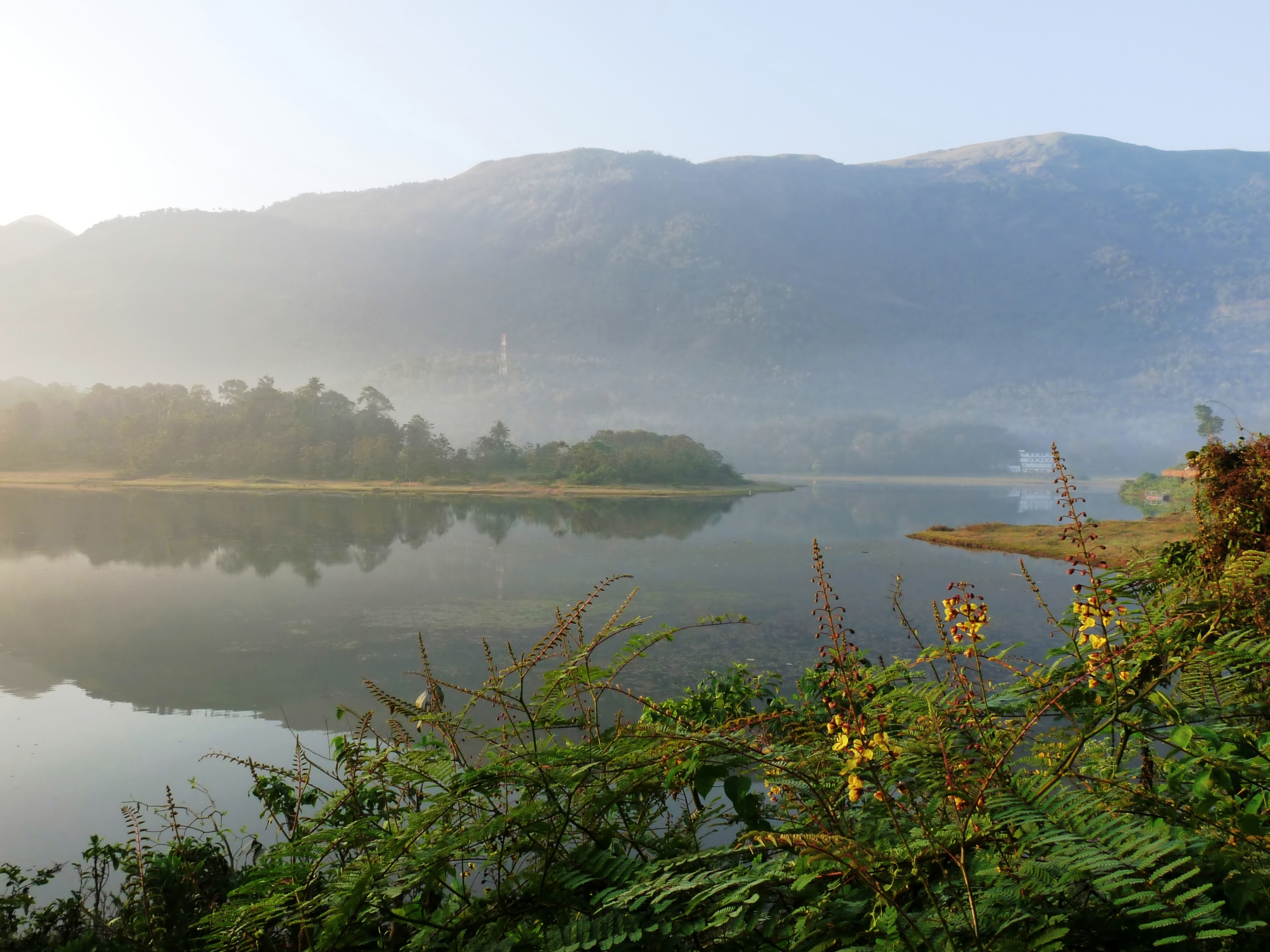
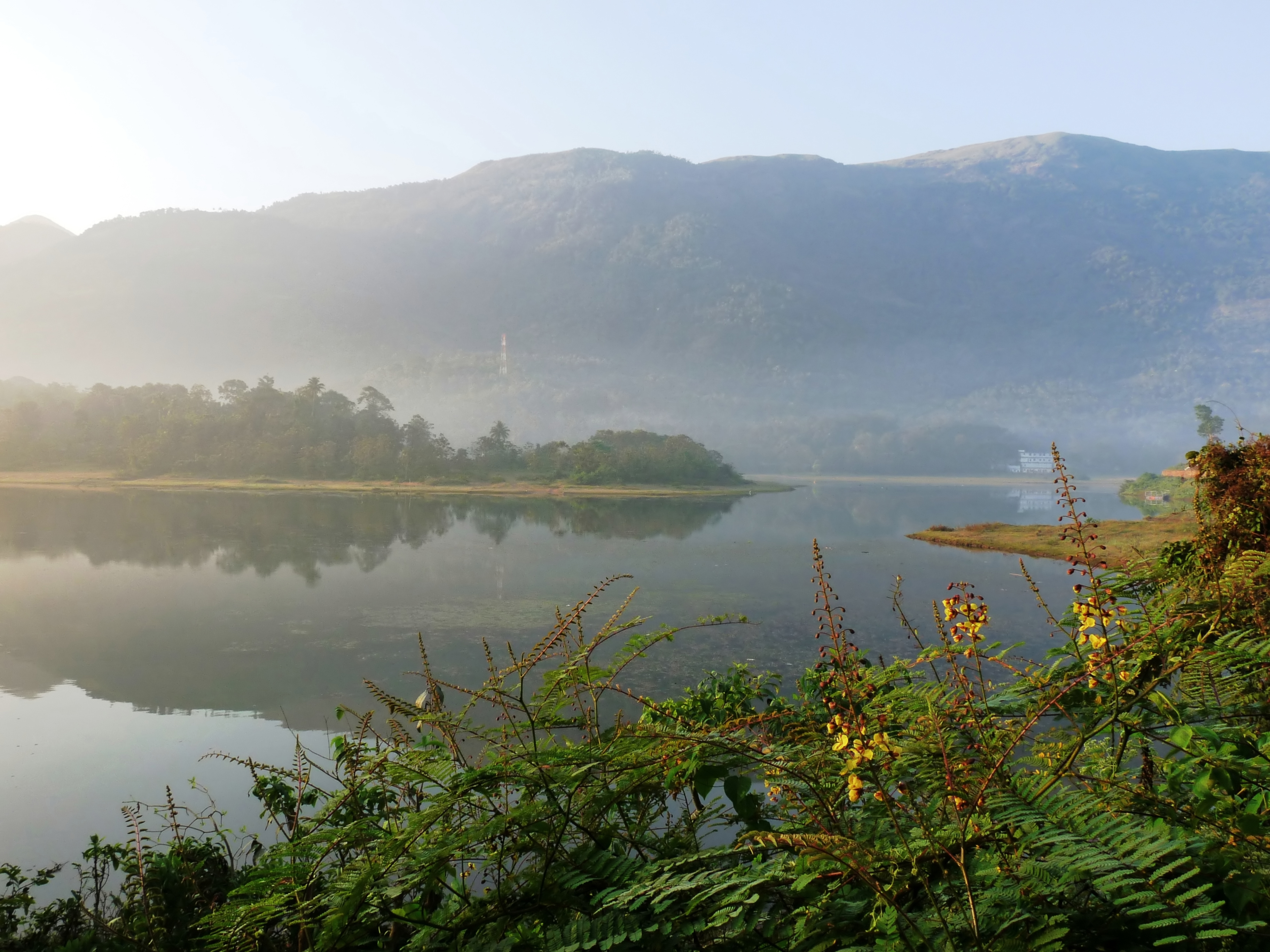
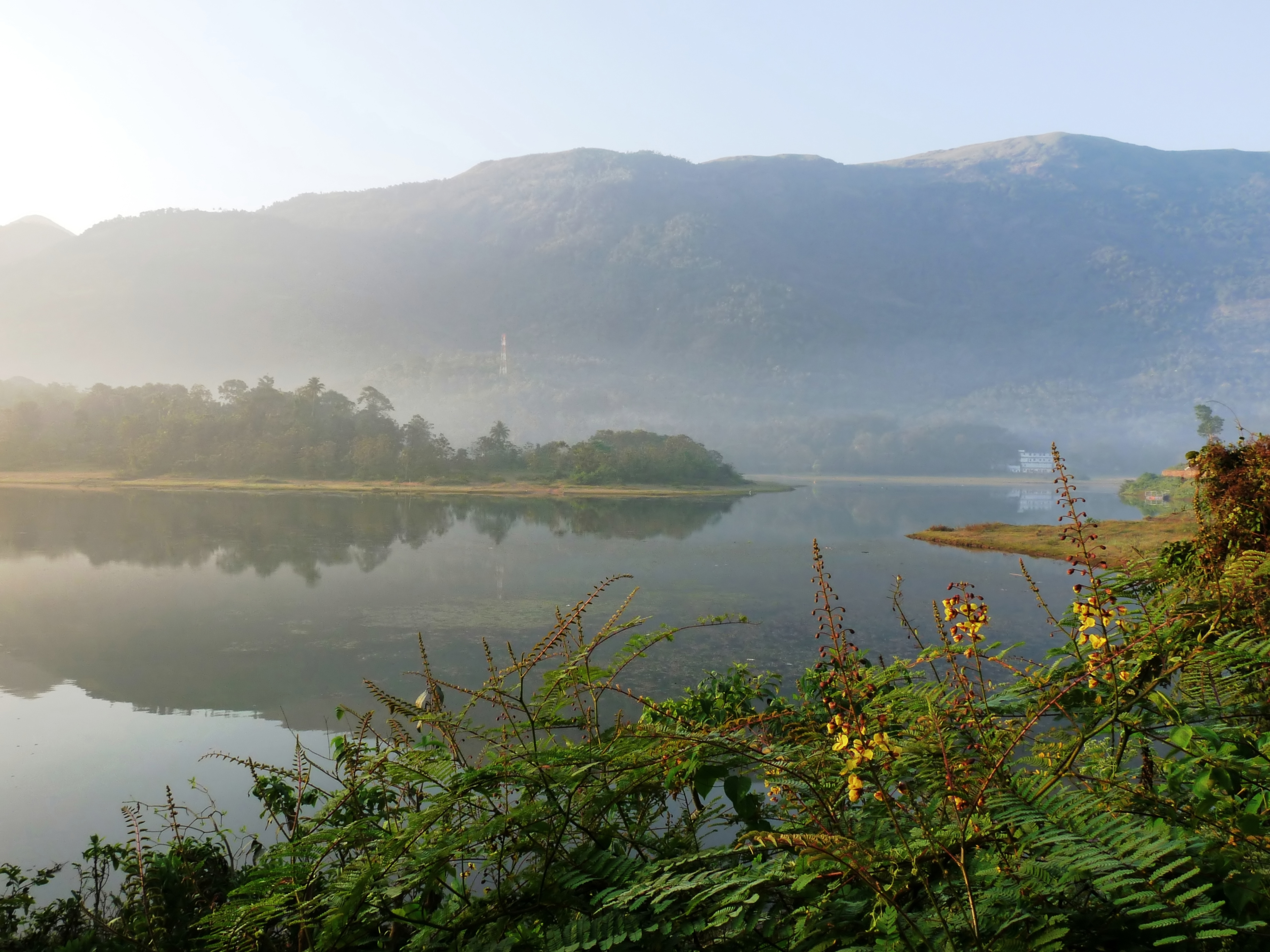
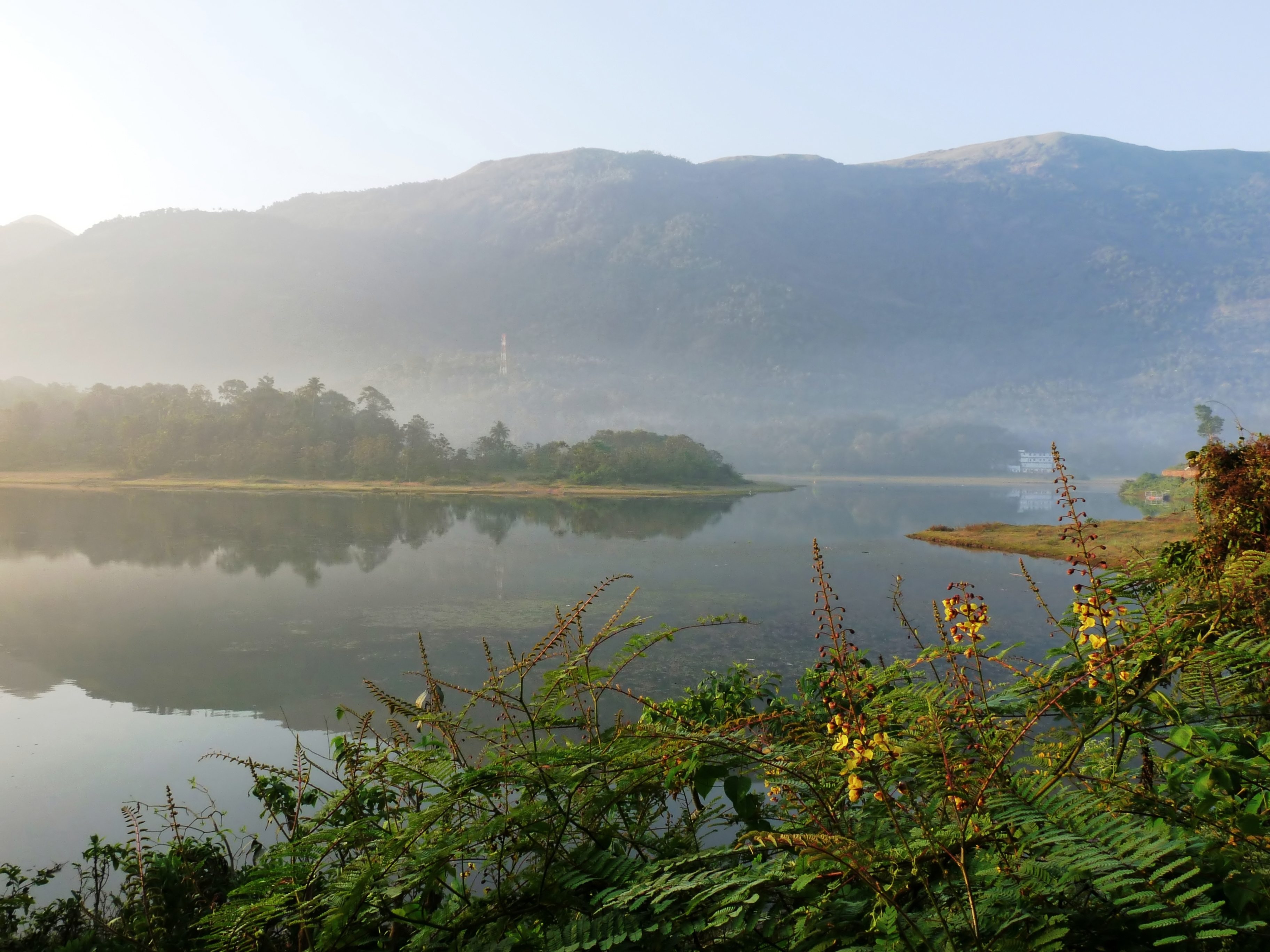
If you’ve ever dreamed of standing beside a tranquil reservoir framed by the lush greenery of South India, the Malankara Dam in Lalam, Kerala, should be at the top of your travel list. Nestled in the heart of the Western Ghats, this modest‑sized dam offers a perfect blend of natural beauty, local culture, and off‑the‑beaten‑path adventure.
1. Introduction
Kerala, often called “God’s Own Country,” is famed for its backwaters, spice‑laden hills, and iconic temples. Yet, beyond the crowded tourist hotspots of Munnar and Alleppey, there lies a series of lesser‑known water marvels that capture the state’s serene spirit. One such gem is Malankara Dam, a quiet reservoir that invites travelers to pause, breathe, and soak in the calm of the Indian countryside. Whether you’re a photography enthusiast, a nature lover, or simply someone looking for a peaceful day‑trip, Malankara Dam delivers an authentic Kerala experience without the usual crowds.
2. About Malankara Dam
Description & Location
- Name: Malankara Dam
- Type: Dam 🏗️
- Location: Lalam, Kerala, India
- Coordinates: 9.851746 N, 76.744027 E
The dam sits just 0.2 km from the small settlement of Lalam, creating a modest reservoir that mirrors the surrounding hills and tea‑covered valleys. While official records do not list its exact height or altitude, the structure is typical of many mid‑20th‑century irrigation dams built across Kerala’s river basins.
History & Significance
Malankara Dam was constructed primarily to support local agriculture and provide a reliable water source for nearby villages. Over the years, it has become an essential part of the region’s water‑management system, helping to regulate seasonal flows and mitigate flood risks during the monsoon. Its presence also supports small‑scale hydro‑electric projects that supply electricity to surrounding hamlets, underscoring the dam’s role in both sustainable development and rural livelihoods.
Beyond its functional purpose, the dam has gradually turned into a community hub. Local festivals often incorporate the reservoir’s banks for cultural performances, and families gather for picnics, making it a living part of Kerala’s social fabric.
3. How to Get There
By Air
The nearest international gateway is Cochin International Airport (COK), located roughly 120 km north‑west of Lalam. From the airport, you can hire a taxi or book a private car for a scenic 3‑hour drive through palm‑lined highways and verdant countryside.
By Train
Alappuzha (Alleppey) Railway Station is the closest major railhead, about 70 km away. Trains from major cities like Chennai, Bangalore, and Mumbai stop here regularly. From Alappuzha, you can catch a state‑run bus or a shared taxi to Lalam.
By Road
Kerala’s road network is well‑maintained, and the journey to Malankara Dam is straightforward:
- From Alappuzha: Take the NH 66 northbound, then turn onto the local road signposted for Lalam.
- From Kochi: Drive east on the MC Road (State Highway 1) toward Kottayam, then follow the signs to Lalam.
Local auto‑rickshaws and KSRTC buses ply the route between Lalam and nearby towns, making it easy for budget travelers to reach the dam without a private vehicle.
Parking & Accessibility
A small parking lot sits at the dam’s entrance, offering space for cars and two‑wheelers. The pathway to the reservoir is flat and wheelchair‑friendly, though the terrain can become slippery during the monsoon, so proper footwear is recommended.
4. Best Time to Visit
| Season | Weather | Why Visit |
|---|---|---|
| Winter (December – February) | Pleasant 20‑25 °C, clear skies | Ideal for photography, bird‑watching, and comfortable walks. |
| Pre‑Monsoon (March – May) | Warm, occasional showers | Water levels rise, creating dramatic reflections on the reservoir. |
| Monsoon (June – September) | Heavy rain, lush greenery | The dam’s surroundings turn emerald, perfect for nature lovers who don’t mind a drizzle. |
| Post‑Monsoon (October – November) | Mild, fresh air | The landscape is at its most vibrant; festivals often take place during this period. |
Top recommendation: Visit between December and February for the most comfortable climate and the clearest views of the water and surrounding hills.
5. What to Expect
Scenic Views
Approach the dam early in the morning to catch the sunrise glimmering off the water’s surface. The reservoir reflects the mist‑clad hills, creating a picture‑perfect tableau that changes with the shifting light.
Bird‑Watching & Wildlife
The area around Malankara Dam is a haven for migratory and resident birds. Keep an eye out for kingfishers, cormorants, and the occasional eagle‑like brahminy kite. Small mammals such as langurs and the occasional deer can be spotted near the forest fringe.
Picnic & Leisure
Local families often set up simple picnics on the grassy banks. Bring a tiffin (traditional Indian lunchbox) and a blanket, and you’ll fit right in. The gentle lapping of water makes a soothing backdrop for conversation or a quiet read.
Photography Opportunities
- Long exposures of the flowing water at dusk.
- Panoramic shots of the hills surrounding the reservoir.
- Close‑ups of local flora, such as the vibrant hibiscus and marigold that line the pathways.
Safety Note
While the dam’s water is generally calm, always respect any safety signs and avoid venturing too close to the spillway. Swimming is not permitted.
6. Nearby Attractions
Even though Malankara Dam itself is the star of the day, the surrounding area offers a handful of additional points of interest within a short radius:
| Attraction | Distance from Dam | Quick Highlight |
|---|---|---|
| Malankara Dam (dam) | 0.2 km | The primary reservoir you’ll explore. |
| Malankara dam (dam) | 0.2 km | Same site – perfect for multiple photo angles. |
| Malankara Dam (dam) | 0.2 km | Revisit for sunrise vs. sunset perspectives. |
| Malankara dam (dam) | 0.3 km | Slightly different viewpoint along the shoreline. |
| Malankara Dam Tourism Hub (dam) | 0.5 km | Small information centre with brochures and local craft stalls. |
Note: The repeated listings reflect the various access points and viewpoints around the dam. All are walkable from the main parking area.
For a deeper cultural dive, consider a short drive to Kottayam, known for its backwater cruises, or explore the nearby Vembanad Lake for a classic Kerala house‑boat experience.
7. Travel Tips
| Tip | Details |
|---|---|
| Carry cash | Small villages may not accept card payments everywhere. |
| Dress modestly | Respect local customs; lightweight cottons and modest sleeves are ideal. |
| Stay hydrated | Even in cooler months, the sun can be strong near the water. |
| Bring a raincoat | Monsoon showers can appear suddenly. |
| Local cuisine | Try the Kerala banana leaf meals at nearby eateries – fish curry, appam, and coconut chutney are must‑tries. |
| Eco‑friendly | Use reusable water bottles and avoid littering; the area’s natural beauty depends on responsible tourism. |
| Timing | Arrive early (around 7 am) to avoid the occasional crowd of school groups and to catch the best light for photos. |
| Guided walk | If you’re interested in the dam’s engineering, ask at the Malankara Dam Tourism Hub for a short guided walk—local staff can share insights not found in guidebooks. |
Final Thoughts
Malankara Dam may not have the towering fame of the Idukki Reservoir or the bustling vibe of the backwaters, but its understated charm makes it a must‑visit for travelers seeking authentic Kerala experiences. From the gentle ripple of water to the chorus of birds at dawn, every moment here feels like a quiet celebration of nature’s rhythm. Pack your camera, hop on a bus, and let the serene waters of Malankara Dam add a tranquil chapter to your Indian adventure.
Happy travels, and may your journey be as refreshing as the cool mist rising from the reservoir!