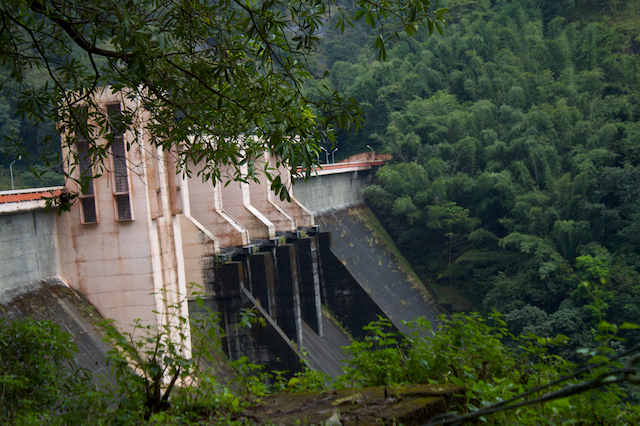
Idamalayar Dam – Kerala’s Hidden Hydroelectric Gem
If you think Kerala’s charm is limited to its backwaters and tea‑covered hills, think again. Nestled in the verdant heart of Kuttampuzha, the Idamalayar Dam offers a tranquil escape where roaring waters meet misty forest canopies. Whether you’re a nature lover, a photography enthusiast, or a road‑trip adventurer, this dam is a must‑see stop on any Kerala itinerary.
About Idamalayar Dam
Located at 10.221879 N, 76.706366 E in the lush district of Ernakulam, the Idamalayar Dam (sometimes spelled Edamalayar) is a concrete gravity dam built across the Idamalayar River, a tributary of the Periyar. While the exact height and altitude of the structure remain undisclosed, the dam’s reservoir stretches across a sprawling valley, creating a shimmering blue mirror that reflects the surrounding Western Ghats.
The dam plays a pivotal role in Kerala’s hydroelectric power generation and irrigation schemes, feeding electricity to the state grid and supporting agriculture in the downstream plains. Its strategic location in the Kuttampuzha forest region also makes it a critical component of the local ecosystem, supporting a rich diversity of flora and fauna that thrive along its banks.
Beyond its functional importance, Idamalayar Dam has become a photographer’s paradise. The early morning mist that rolls over the water, the dramatic silhouettes of the surrounding hills, and the occasional sighting of otters or kingfishers make it a rewarding spot for wildlife and landscape photography alike.
How to Get There
By Air
The nearest major airport is Cochin International Airport (COK), about 110 km (≈ 2.5 hours) from the dam. From the airport, you can hire a taxi or rent a car and follow the NH 85 towards Munnar, then turn onto the state highway that leads to Kuttampuzha.
By Train
The closest railway station is Aluva (Alwaye) Junction, roughly 90 km away. Aluva connects to major Indian cities such as Mumbai, Chennai, and Bangalore. From Aluva, board a bus or hire a cab to the dam.
By Road
Kerala’s road network makes a self‑drive or bus journey straightforward:
| Starting Point | Approx. Distance | Suggested Route |
|---|---|---|
| Kochi (city centre) | 95 km | NH 85 → Munnar → Kuttampuzha |
| Munnar | 35 km | State Highway 17 → Kuttampuzza |
| Coimbatore (Tamil Nadu) | 120 km | NH 544 → Palakkad → NH 85 |
Public buses run regularly from Munnar and Kochi to the nearby town of Kothamangalam; from there, you’ll need a short auto‑rickshaw ride or a hired taxi to reach the dam’s parking area.
Tip: The road to Idamalayar can be winding and steep, especially during the monsoon. A sturdy vehicle with good brakes is recommended.
Best Time to Visit
| Season | Weather | Why Visit |
|---|---|---|
| October – March (post‑monsoon & winter) | Pleasant temperatures (20‑28 °C), clear skies | Ideal for photography, trekking, and enjoying the reservoir’s calm waters. |
| April – June (pre‑monsoon) | Warm, occasional showers | Good for bird‑watching; the landscape stays lush. |
| July – September (monsoon) | Heavy rain, high water levels | Spectacular waterfalls and roaring cascades, but roads may be slippery. |
Peak visitor months are December to February, when the air is crisp and the surrounding tea plantations are at their most vibrant. If you prefer fewer crowds and dramatic rain‑filled scenery, the monsoon months offer a raw, powerful experience—just be prepared for slippery paths.
What to Expect
Arriving at Idamalayar Dam, you’ll be greeted by a vast reservoir that stretches like a glassy ribbon through the forest. The dam’s concrete wall rises against a backdrop of emerald hills, often cloaked in a thin veil of mist that adds a mystical aura to the scene.
- Scenic Viewpoints: A well‑maintained viewing platform near the spillway offers panoramic vistas of the water and the cascading downstream rapids. Bring a pair of binoculars for distant wildlife spotting.
- Nature Walks: The surrounding forest trails are perfect for short hikes. Keep an eye out for endemic birds such as the Nilgiri flycatcher and the Malabar whistling thrush.
- Picnic Spots: Designated grassy areas allow for a relaxed lunch with the sound of water as your soundtrack. Remember to carry your own waste—there are limited disposal facilities.
- Boat Rides: While regulated, local operators sometimes offer short boat trips across the reservoir, giving a close‑up view of the dam’s engineering and the lush banks.
- Photography: Sunrise over the dam creates a palette of gold, pink, and turquoise hues. Sunset, on the other hand, paints the water in deep amber tones—both are perfect for long‑exposure shots.
Nearby Attractions
While Idamalayar Dam is the star of the show, the surrounding region boasts several other dam attractions that can be explored in a day trip:
| Attraction | Distance from Idamalayar | Quick Highlights |
|---|---|---|
| Edamalayar Dam | 0 km (essentially the same complex) | The primary dam itself—great for a deeper look at hydro‑engineering. |
| Old Boothathan Kettu Dam | 10.4 km | A historic earthen dam surrounded by tea estates and rolling hills. |
| Boothathankettu Dam | 10.5 km | Known for its picturesque spillway and nearby trekking routes. |
| Bhuthathan Kettu Dam | 10.5 km | Offers quiet picnic spots and bird‑watching opportunities. |
| Sholayar Flanking Dam | 11.1 km | Set amidst dense forest, this dam provides a serene backdrop for nature walks. |
All links lead to further information on each dam’s history and visitor facilities.
If you have extra time, consider a detour to Munnar’s tea plantations, Eravikulam National Park (home to the endangered Nilgiri tahr), or the Periyar Wildlife Sanctuary—each within a 2‑hour drive from Idamalayar.
Travel Tips
- Carry Cash: Small vendors and entry fees (if any) often accept only cash. ATMs are scarce near the dam.
- Dress Comfortably: Light cotton clothing, sturdy walking shoes, and a rain jacket (especially during monsoon) are essential.
- Stay Hydrated: Bring plenty of water; the nearest shop is a short drive away.
- Respect the Environment: The area is ecologically sensitive. Do not litter, and avoid feeding wildlife.
- Safety First: The dam’s spillway can be dangerous. Keep a safe distance, especially when water flow is high.
- Photography Gear: A wide‑angle lens captures the expansive reservoir, while a telephoto lens is handy for distant wildlife. A tripod helps with low‑light sunrise or sunset shots.
- Permits: No special permits are required for day‑visitors, but if you plan a trek into the forest reserve, obtain a local forest department permit.
- Connectivity: Mobile network can be patchy; download offline maps and any essential information beforehand.
- Local Cuisine: Try the nearby Kerala toddy (palm wine) and appam with coconut gravy at small roadside eateries for an authentic taste.
- Timing: Arrive early (around 7 am) to beat any crowds and catch the soft morning light on the water.
Final Thought
Idamalayar Dam may not appear on every mainstream travel guide, but that’s precisely what makes it a hidden treasure for the curious traveler. Its blend of engineering marvel, pristine natural beauty, and tranquil ambiance offers a uniquely Kerala experience—one that stays etched in memory long after you’ve left the Western Ghats behind. Pack your bags, charge your camera, and set out for this off‑the‑beaten‑path destination; the waters of Idamalayar are waiting to tell you their story.