Banasurasagar Dam Project – Kerala’s Hidden Engineering Marvel
Discover the awe‑inspiring Banasurasagar Dam, a must‑visit spot for nature lovers, adventure seekers, and anyone traveling through the emerald hills of Wayanad, Kerala.
Introduction
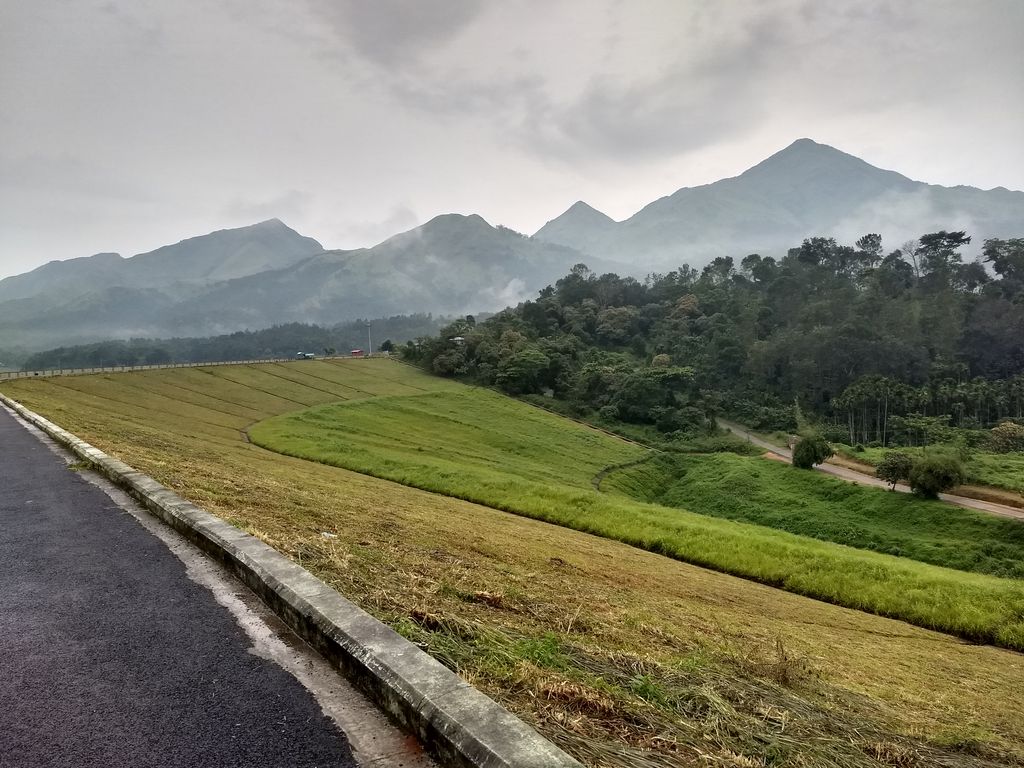
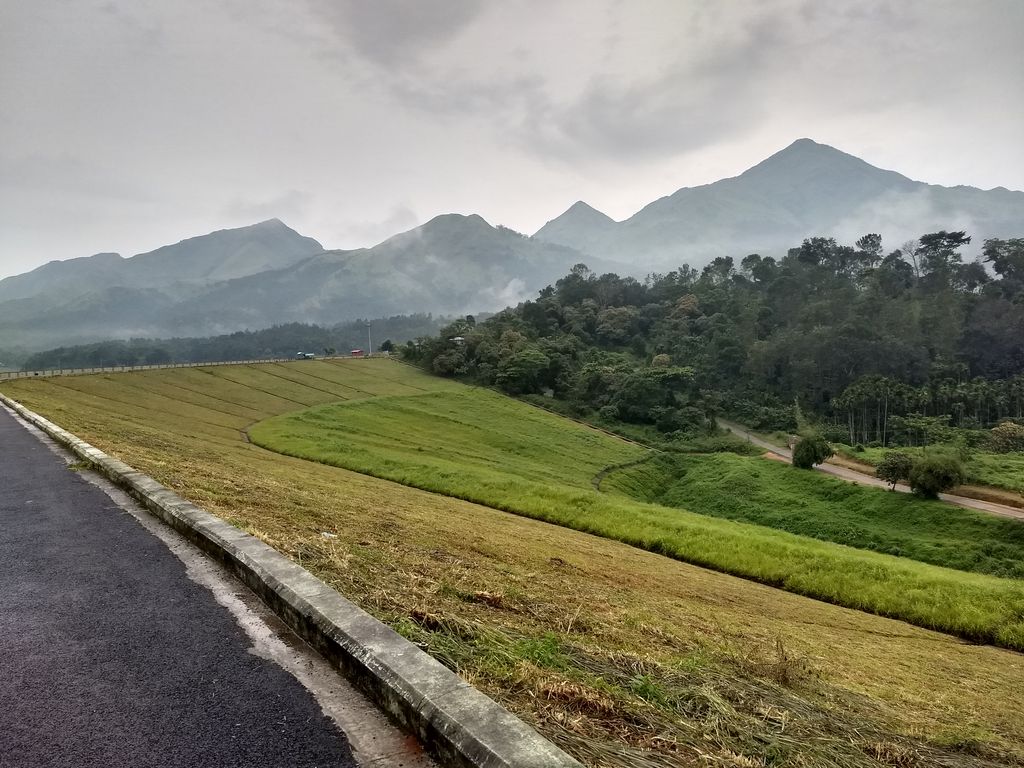
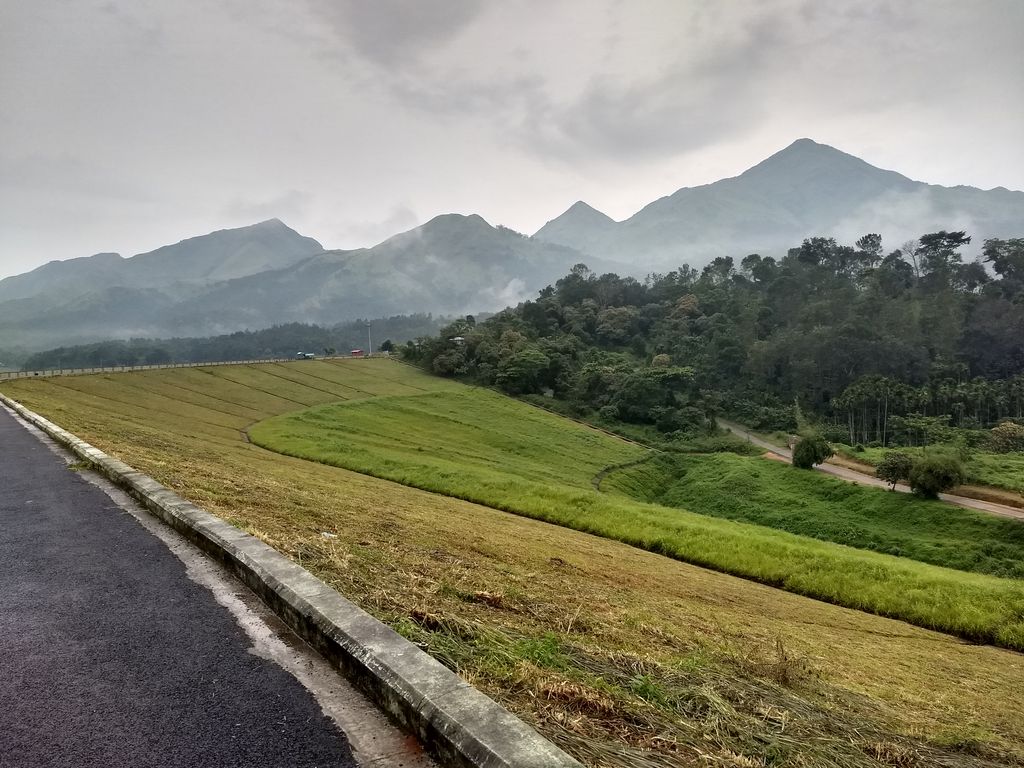
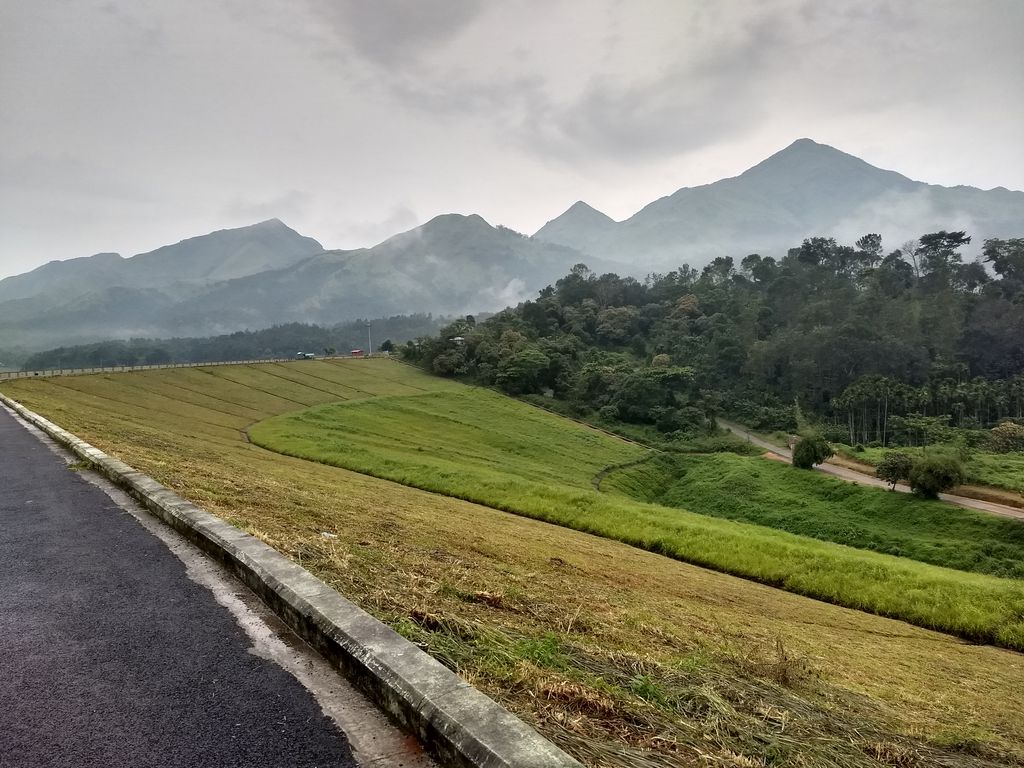
Imagine standing on a tranquil reservoir, the water shimmering like a giant mirror against a backdrop of mist‑clad hills. In the distance, a massive earthen wall stretches across the valley, a testament to human ingenuity harmoniously blended with nature. Welcome to Banasurasagar Dam project, one of Kerala’s most captivating yet underrated attractions. Nestled near Kalpetta in the lush Western Ghats, this dam offers more than just a glimpse of engineering—it promises unforgettable landscapes, cool breezes, and a slice of Kerala’s rich cultural tapestry. If you’re planning a road trip through South India or a serene getaway in the hills, the Banasurasagar Dam should be high on your itinerary.
About Banasurasagar Dam Project
The Banasurasagar Dam (sometimes spelled Banasura Sagar Dam) is part of a larger hydro‑electric initiative aimed at harnessing the water of the Karapuzha River. Though the exact height and altitude of the dam remain officially undisclosed, it is widely recognized as one of the largest earthen dams in India. Constructed in the early 2000s, the project was designed to provide irrigation, drinking water, and renewable energy to the surrounding districts of Wayanad and Kozhikode.
Beyond its functional role, the dam has become a tourist hotspot because of its expansive reservoir—often called the Banasura Sagar Lake—surrounded by rolling hills, dense forests, and tea‑plantation terraces. The reservoir’s calm surface makes it a perfect setting for paddle‑boarding and kayaking, while the surrounding hills offer trekking routes for both casual walkers and seasoned hikers.
The dam’s strategic location near Kalpetta, the district headquarters of Wayanad, gives it easy access to other attractions, making it an ideal base for exploring the region’s natural and cultural gems.
How to Get There
By Air
The nearest airport is Calicut International Airport (CCJ), located about 90 km (≈ 2 hours) from the dam. From the airport, you can hire a taxi or book a private transfer to Kalpetta.
By Train
The closest railway station is Mysore Junction (MYS), roughly 130 km away. From Mysore, you can take a state‑run bus or a shared taxi to Kalpetta.
By Road
Kerala’s well‑maintained highways make road travel the most convenient option.
| Starting Point | Approx. Distance | Travel Time | Recommended Transport |
|---|---|---|---|
| Kalpetta (town centre) | 0 km | 5–10 min | Auto‑rickshaw or taxi |
| Sultan Bathery | 25 km | 45 min | KSRTC bus or private cab |
| Kozhikode (Calicut) | 85 km | 2 h 15 min | KSRTC bus, private car, or taxi |
| Mysore (Karnataka) | 130 km | 3 h | Private car or bus |
Most visitors choose to stay in Kalpetta or Sultan Bathery, both of which offer a range of accommodations—from budget guesthouses to boutique resorts. From either town, the dam is just a short drive on the Kalpetta–Banasura Sagar Road (State Highway 29).
Best Time to Visit
Kerala’s tropical climate means the Banasurasagar Dam can be visited year‑round, but certain seasons enhance the experience:
| Season | Weather | Why Visit |
|---|---|---|
| Winter (December – February) | Cool, dry, clear skies | Ideal for photography, boating, and trekking. The reservoir reflects the surrounding hills beautifully. |
| Pre‑Monsoon (March – May) | Warm, occasional showers | Fewer crowds, vibrant green landscapes. Perfect for early‑morning hikes. |
| Monsoon (June – September) | Heavy rain, high water levels | The dam’s reservoir swells, creating dramatic vistas. However, outdoor activities may be limited due to safety concerns. |
| Post‑Monsoon (October – November) | Pleasant, moderate rainfall | Water levels are still high, but the weather is comfortable for all activities. |
Tip: If you love boating, aim for the post‑monsoon period when the lake is full but the skies are clear.
What to Expect
Scenic Views
From the dam’s viewing platform, you’ll be treated to a panoramic sweep of the Banasura Sagar Lake stretching into the horizon, framed by the mist‑clad peaks of the Western Ghats. The lake’s turquoise hue changes with the time of day—golden at sunrise, silvery at sunset.
Water Activities
The Kerala Tourism Department operates boating and pedal‑boat services on the reservoir. A short 15‑minute ride takes you close to the dam’s base, where you can feel the gentle spray of water and hear the faint hum of the spillway.
Trekking & Nature Walks
Several well‑marked trails snake around the dam, ranging from easy 2‑km loops to more challenging 7‑km hikes that lead to nearby hilltops. Keep an eye out for endemic flora such as teak, sandalwood, and a variety of orchids. Birdwatchers can spot species like the great hornbill and the Indian pitta.
Picnic Spots
Lush lawns and shaded benches are scattered along the reservoir’s edge, making the dam a popular spot for family picnics and romantic sunset gatherings. Bring a blanket, some local snacks (like banana chips and freshly brewed filter coffee), and enjoy the serene ambiance.
Cultural Touches
The surrounding villages are home to traditional Kerala architecture, with sloping tiled roofs and coconut‑palm‑lined pathways. Occasionally, you may encounter local festivals or cultural performances—especially during the Onam celebrations in August‑September.
Nearby Attractions
While the Banasurasagar Dam is a highlight in itself, the region offers several other points of interest that can be explored in the same day:
- Kuttiyadi Spillway Dam – A striking spillway just a short drive away, known for its cascading water and photo‑friendly angles.
- Banasurasagar Project (Dam) – Often used interchangeably with the main dam, this site offers additional viewpoints and a small visitor centre.
- Banasura Sagar Dam (Dam) – The same structure, but listed separately in many travel guides; you can explore its adjoining walkways for varied perspectives.
All of these attractions are within a 0.5 km radius, making it easy to hop between them on foot or by a quick auto‑rickshaw ride.
Travel Tips
- Carry Cash – While larger resorts accept cards, many small vendors, boat operators, and local eateries prefer cash (₹ 500–₹ 2000 denominations).
- Dress Comfortably – Light cotton clothing, a hat, and sunglasses are essential, especially during the hot pre‑monsoon months.
- Stay Hydrated – The altitude may be modest, but the sun can be intense. Keep a reusable water bottle handy.
- Footwear – Slip‑resistant shoes or sturdy sandals are advisable for trekking and walking on uneven dam pathways.
- Respect the Environment – The reservoir is a protected water source. Avoid littering and use designated waste bins.
- Check Boat Timings – Boating services typically operate from 9 am to 5 pm, but schedules may change during monsoon season.
- Photography Gear – A wide‑angle lens captures the sweeping landscape, while a telephoto lens is great for wildlife shots. Sunrise and sunset are the most photogenic times.
- Local Cuisine – Don’t miss the chance to try Kerala banana leaf meals at nearby homestays; dishes like avial, thoran, and fish curry are a treat after a day of exploring.
- Safety First – The dam’s spillway can be slippery; stay behind safety railings and follow any posted signs.
- Plan for Connectivity – Mobile network coverage can be spotty near the reservoir. Download offline maps (Google Maps or MAPS.ME) before you set out.
Wrap‑Up
The Banasurasagar Dam project is more than an engineering feat; it’s a gateway to Kerala’s verdant heart, offering a blend of serene water vistas, adventure‑ready trails, and authentic cultural encounters. Whether you’re a solo backpacker chasing sunrise over a glassy lake, a family looking for a safe picnic spot, or a photographer hunting dramatic landscapes, this dam delivers on all fronts.
Plan your trip, pack your sense of wonder, and let the gentle mist of the Western Ghats welcome you to one of South India’s most under‑the‑radar treasures. Happy travels!