Jonha Falls – The Hidden Jewel of Jharkhand’s Wilderness
If you’re hunting for a waterfall that feels untouched, framed by dense forest and echoing with the roar of cascading water, Jonha Falls in Bundi, Jharkhand should be at the top of your list.
1. Introduction
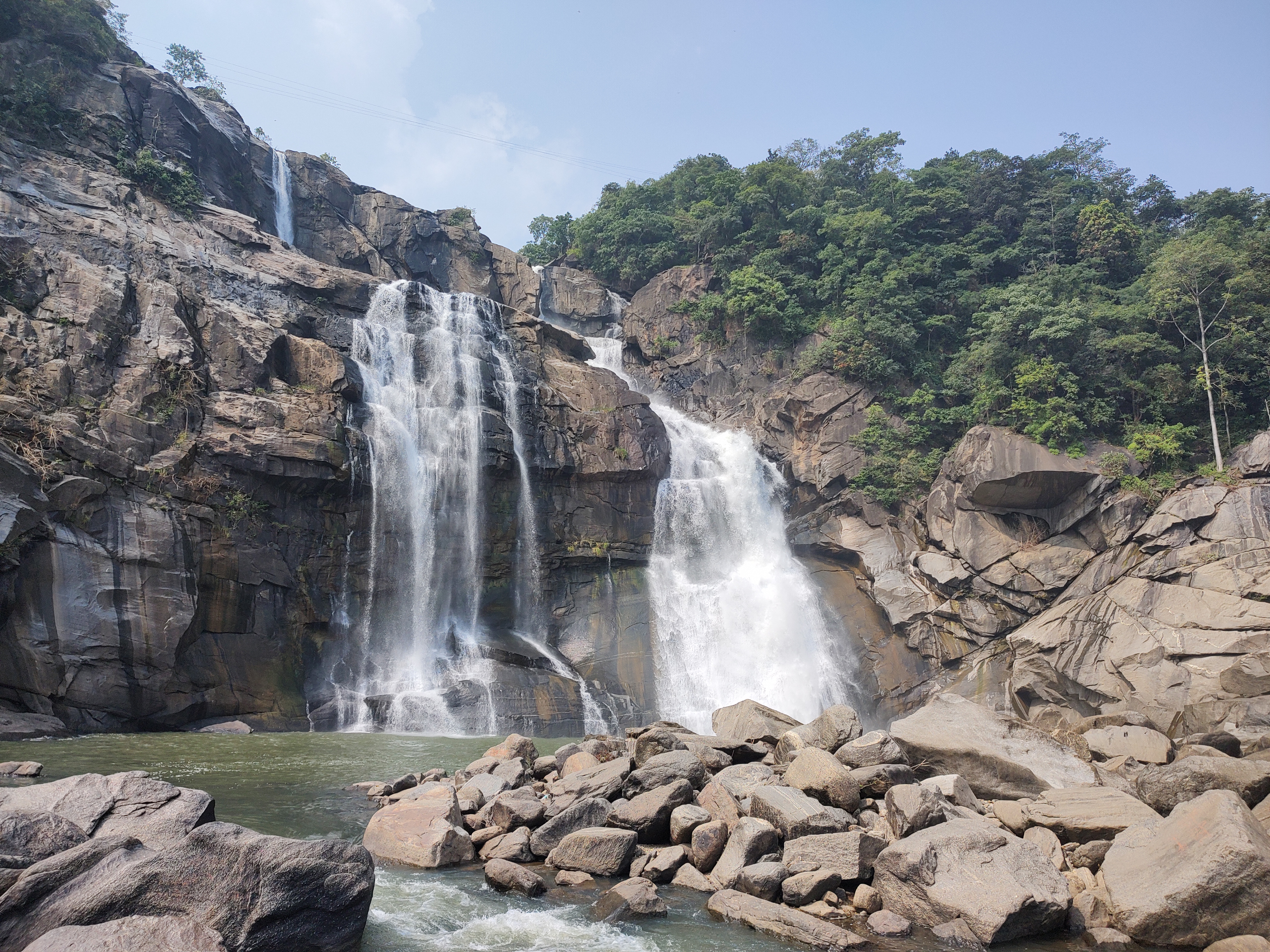
Nestled in the heart of the Chota Nagpur plateau, Jonha Falls (also affectionately called “Jonha Waterfall”) drops a dramatic 43 metres into a natural plunge pool, creating a mist‑kissed oasis that feels worlds away from the bustle of Ranchi. The moment you hear the thunderous splash, you’ll understand why this waterfall is fast becoming a must‑visit spot for nature lovers, photographers, and adventure seekers exploring Jharkhand tourism.
Whether you’re planning a weekend road‑trip from Ranchi, a day‑long trek with friends, or a family outing, Jonha Falls offers a perfect blend of scenic beauty, serene ambience, and easy accessibility—making it one of the most photogenic waterfalls in India.
2. About Jonha Falls
A Quick Snapshot
| Detail | Information |
|---|---|
| Name | Jonha Falls |
| Type | Waterfall 🌊 |
| Location | Bundu, Jharkhand, India |
| Coordinates | 23.342033 N, 85.608410 E |
| Height | 43 m (≈ 141 ft) |
| Altitude | Not officially recorded |
| Nearby Town | Bundu (≈ 15 km from Ranchi) |
History & Significance
Jonha Falls is part of the Barkakana–Ranchi railway line watershed, fed by the Bundu River during the monsoon season. While there’s no recorded ancient legend attached to the falls, locals consider it a sacred spot where the forest spirits dwell. The waterfall’s name is believed to stem from the nearby village of Jonha, which has long served as a gateway for trekkers venturing into the plateau’s rugged terrain.
Ecologically, the falls sit within a dense deciduous forest that hosts a variety of flora and fauna, including several species of orchids, bamboo, and the occasional peacock. The mist generated by the cascade nurtures a micro‑habitat that supports mosses and ferns, making the area a living laboratory for nature enthusiasts.
3. How to Get There
By Air
- Nearest Airport: Birsa Munda Airport, Ranchi (≈ 35 km).
- From the airport, hire a taxi or book a ride‑share to Bundu (the nearest town) and then follow local directions to Jonha Falls.
By Train
- Closest Railway Station: Ranchi Junction (RNC).
- From Ranchi, board a local auto‑rickshaw or a shared taxi heading toward Bundu. The road from Ranchi to Bundu is well‑paved (NH‑20) and takes about 45 minutes.
By Road
- From Ranchi: Drive or take a bus toward Bundu on NH‑20. After Bundu, follow the signposts for Jonha Falls—roughly a 12 km detour through winding forest roads.
- From Hazaribagh: Take the Ranchi–Hazaribagh Road (NH‑20) and turn off at Bundu.
Parking: A modest parking area is available near the entrance of the falls. It’s advisable to arrive early, especially on weekends, to secure a spot.
Local Transport: Auto‑rickshaws and shared jeeps are readily available in Bundu. Negotiate the fare before starting the journey (typical rates: INR 150–200 for a round trip).
4. Best Time to Visit
| Season | Water Flow | Visitor Experience |
|---|---|---|
| Monsoon (June – September) | At its peak—water thunders down the full 43 m, creating a spectacular spray. | Ideal for photography, but trails can be slippery. Carry waterproof shoes. |
| Post‑Monsoon (October – December) | Strong yet manageable flow, clearer skies. | Perfect for picnics and moderate trekking. |
| Winter (January – February) | Reduced flow, cooler temperatures (10‑20 °C). | Comfortable for families; mist is less intense. |
| Summer (March – May) | Minimal flow, sometimes just a trickle. | Not recommended for waterfall enthusiasts, though the surrounding forest remains lush. |
SEO tip: Search for “best time to visit Jonha Falls” and you’ll find most travelers recommend the post‑monsoon months (Oct‑Dec) for a balance of water volume and comfortable weather.
5. What to Expect
The Journey
A short, winding drive through teak and sal forests leads you to a modest wooden platform overlooking the plunge pool. The air is tinged with the earthy scent of wet leaves, and the distant roar grows louder with each step.
The View
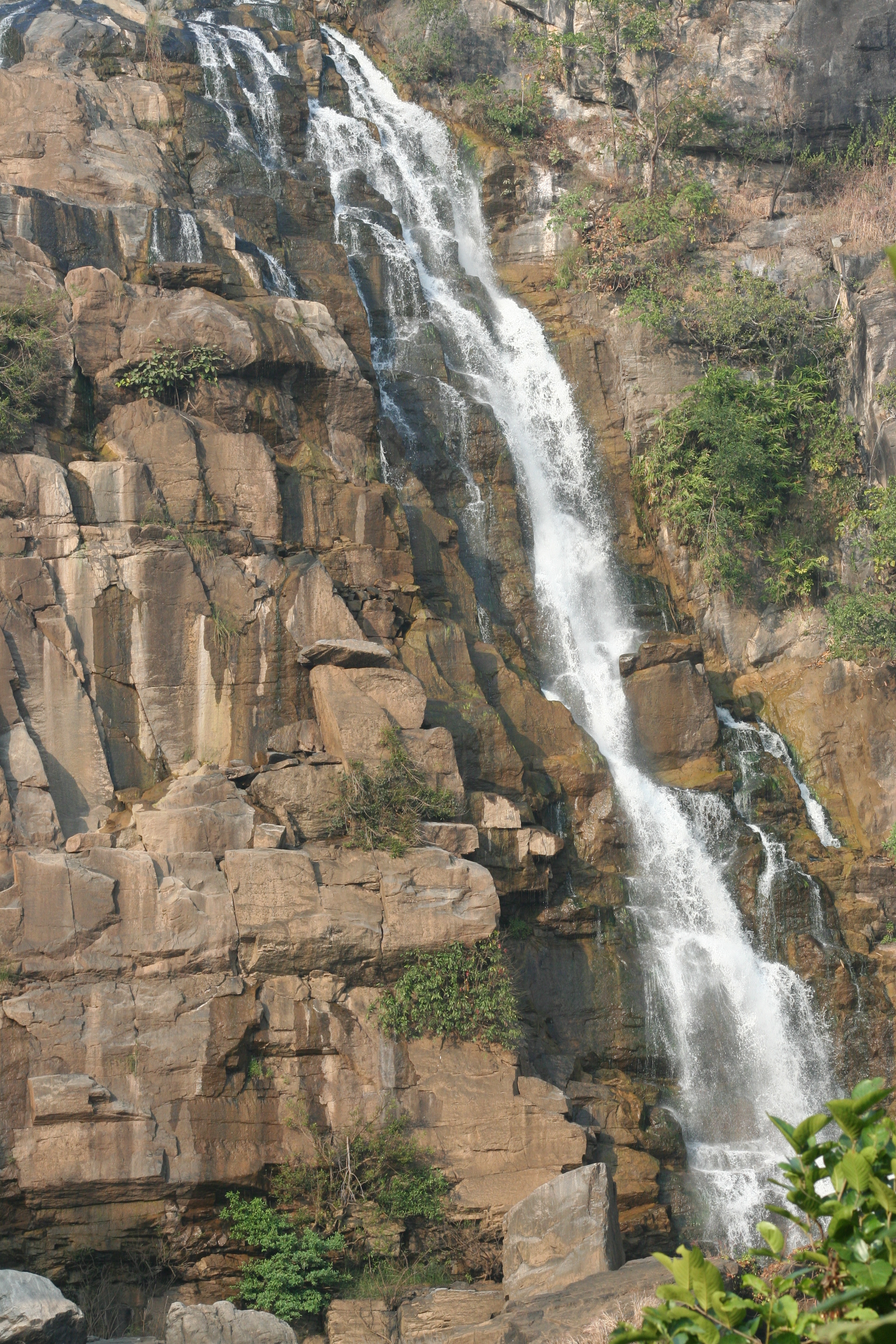
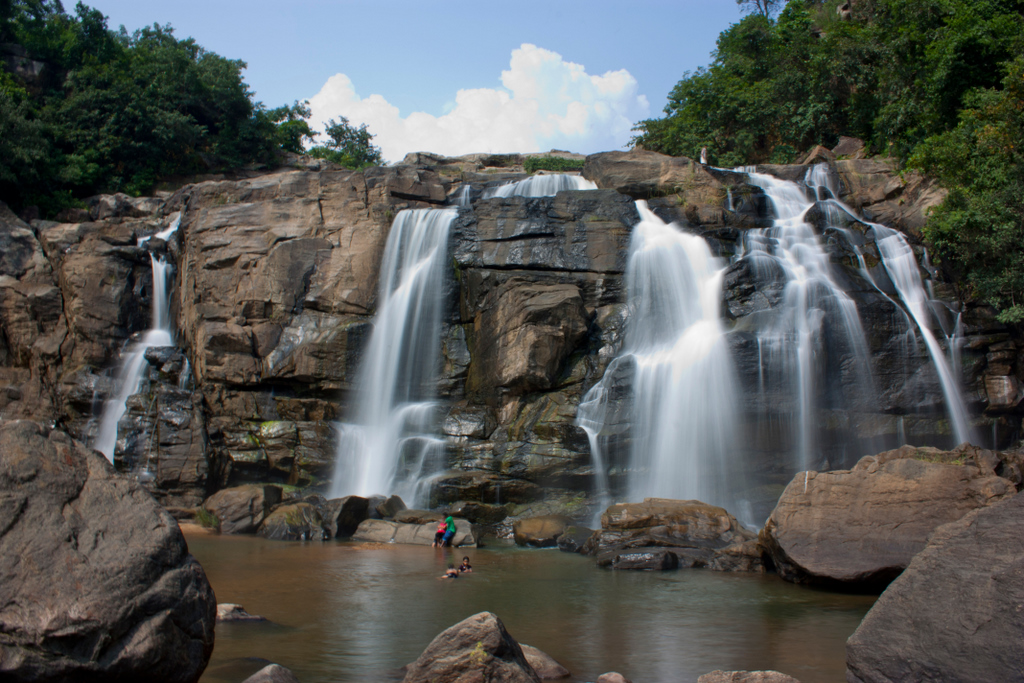
At the edge of the platform, the water plunges over a sheer rock face, creating a white‑capped column that disappears into a crystal‑clear pool below. Sunlight filtering through the canopy produces a dazzling rainbow—an Instagram‑ready moment you won’t want to miss.
Activities
- Photography: Early morning or late afternoon light adds drama to the cascade.
- Trekking: A short, well‑marked trail circles the falls, offering viewpoints from the left and right banks.
- Picnicking: Designated spots with benches and shaded areas are perfect for a family lunch.
- Birdwatching: Keep an eye out for the Indian roller, kingfishers, and occasional raptors soaring above.
Facilities
- Restrooms: Basic but clean facilities are available near the parking area.
- Food Stalls: Local vendors sell tea, samosas, and fresh fruit juices.
- Safety: The plunge pool is deep; swimming is discouraged due to hidden rocks. Lifeguards are not stationed, so exercise caution.
6. Nearby Attractions
While Jonha Falls can easily fill a day, the surrounding region offers several other natural wonders worth exploring:
| Attraction | Distance from Jonha Falls | Type | Quick Link |
|---|---|---|---|
| Unnamed Weir | 2.9 km | Weir | Weir (2.9 km) |
| Sita Falls | 3.6 km | Waterfall | Sita Falls (3.6 km) |
| Unnamed Dam | 8.6 km | Dam | Dam (8.6 km) |
| Unnamed Weir | 9.5 km | Weir | Weir (9.5 km) |
| Unnamed Dam | 10.7 km | Dam | Dam (10.7 km) |
Tip: Combine Jonha Falls with Sita Falls for a “waterfall‑hopping” itinerary—both are reachable within a half‑day drive and provide contrasting scenery (Sita Falls is a tiered cascade, while Jonha is a single plunge).
7. Travel Tips
| Tip | Details |
|---|---|
| Carry Footwear | Slip‑resistant shoes are essential, especially during monsoon. |
| Stay Hydrated | Bring enough water; nearby stalls may charge premium prices. |
| Respect the Environment | Use designated bins, avoid littering, and refrain from plucking plants. |
| Timing | Arrive early (7 – 8 AM) to beat the crowd and capture soft morning light. |
| Cash | Most vendors accept only cash (₹ 50‑₹ 500 notes). |
| Local Guides | Hiring a local guide (₹ 200‑₹ 300) can enrich your experience with folklore and ensures you don’t miss hidden viewpoints. |
| Safety | No lifeguards; avoid swimming in the plunge pool. Keep children close to the railing. |
| Connectivity | Mobile signal can be spotty; download offline maps (Google Maps or MAPS.ME) before you go. |
| Photography Gear | A wide‑angle lens (16‑35 mm) captures the full cascade; a polarizing filter reduces glare on the water. |
| Permits | No special permits are required for entry, but a small entry fee (≈ ₹ 30 per person) may be collected for maintenance. |
Final Thoughts
Jonha Falls is more than just a scenic spot; it’s a gateway to Jharkhand’s untamed heart, offering travelers a chance to unwind amid the sounds of nature and the sight of water tumbling over ancient rocks. Whether you’re a seasoned trekker, a photography buff, or simply looking for a tranquil escape from city life, Jonha Falls delivers an unforgettable experience that will leave you yearning for another visit to the Chota Nagpur plateau.
Pack your bags, charge your camera, and set your GPS to 23.342033 N, 85.608410 E—the roar of Jonha Falls awaits!