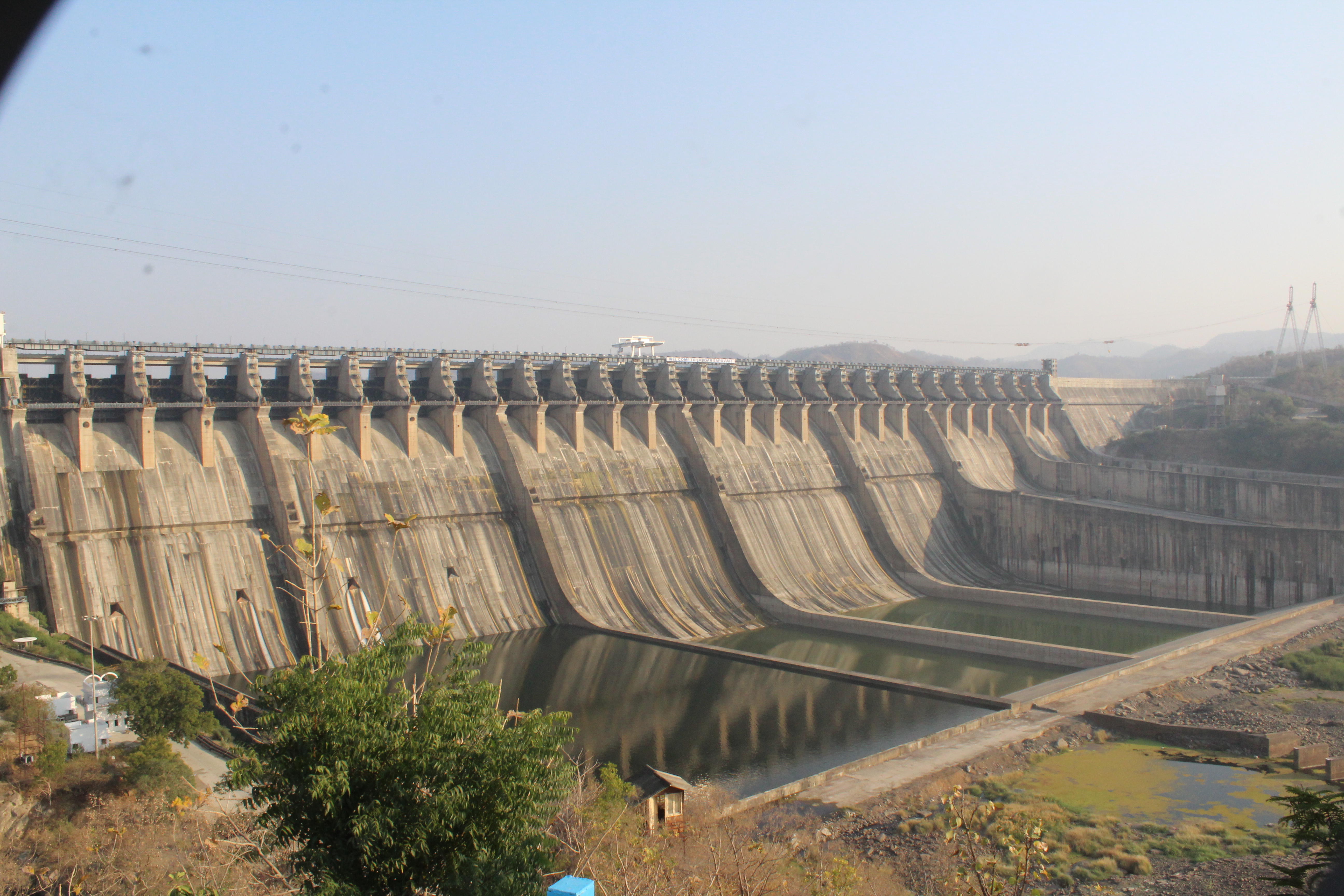
Sardar Sarovar Dam – Gujarat’s Majestic Water Wonder
If you’ve ever dreamed of standing at the edge of a colossal engineering marvel while the river below sings its ancient song, the Sardar Sarovar Dam in Rajpipla, Gujarat, should be at the top of your travel bucket list.
1. Introduction
Nestled on the banks of the mighty Narmada River, the Sardar Sarovar Dam rises 138.68 m above the water, creating a breathtaking panorama that blends raw power with serene beauty. Whether you’re a photography enthusiast, a history buff, or simply a wanderer chasing off‑the‑beaten‑path experiences, this dam offers a unique slice of Gujarat that’s often missed by the typical tourist trail. In this guide we’ll dive into the dam’s story, how to reach it, the best time to visit, what you’ll see on site, and the hidden gems that lie just a stone’s throw away.
2. About Sardar Sarovar Dam
A Brief History
The Sardar Sarovar Dam is part of the massive Narmada Valley Project, a series of dams and canals designed to harness the Narmada River for irrigation, hydro‑electric power, and water supply across western India. Construction began in 1987 and the dam was officially inaugurated in 2017, named after Sardar Vallabhbhai Patel – the “Iron Man of India” – to honor his vision of a united nation.
Engineering Highlights
- Type: Concrete gravity dam (🏗️)
- Height: 138.68 m (≈455 ft)
- Location: Rajpipla, Gujarat, India (coordinates 21.829816, 73.748311)
- Reservoir Capacity: One of the largest in India, feeding both Gujarat and neighboring states
The dam’s sheer scale is awe‑inspiring: its crest stretches over 1 km, and the spillway can discharge more than 30,000 cubic metres of water per second during monsoon peaks. Beyond its functional role, the reservoir has become a tranquil lake that mirrors the surrounding hills, offering spectacular sunrise and sunset vistas.
Why It Matters
Beyond electricity and irrigation, the Sardar Sarovar Dam has transformed the socio‑economic landscape of the region. It supplies drinking water to major cities like Ahmedabad and Vadodara, supports agriculture across a swath of Gujarat, and has spurred tourism in the Narmada corridor. For travelers, it’s a living example of how modern engineering can coexist with natural splendor.
3. How to Get There
By Air
The nearest major airports are Vadodara (BDQ) (≈115 km) and Surat (STV) (≈180 km). Both airports have regular domestic flights from Mumbai, Delhi, and Bangalore. From the airport, hire a taxi or book a private transfer to Rajpipla.
By Train
Rajpipla is served by the Rajpipla Railway Station (RPT) on the Western Railway network. Direct trains from Mumbai Central, Ahmedabad, and Vadodara stop here. If you’re traveling from farther afield, the larger junction at Vadodara offers more frequent services; from there, a short 2‑hour taxi ride completes the journey.
By Road
- From Vadodara: Take NH 48 north to Anand, then switch to the Vadodara–Dahod State Highway (SH 5) heading west. After about 80 km, follow signs for Rajpipla. The drive is scenic, winding through sugarcane fields and mango orchards.
- From Surat: Head east on NH 48, then turn onto SH 5 at Borsad and continue to Rajpipla.
Car rentals, auto‑rickshaws, and local buses are readily available. The dam’s parking lot can accommodate both two‑wheelers and larger vehicles, making it easy for day‑trippers.
4. Best Time to Visit
| Season | Weather | Visitor Experience |
|---|---|---|
| Winter (Oct – Feb) | Cool, dry, pleasant daytime temps (20‑30 °C) | Ideal for photography, sunrise walks, and comfortable boat rides. |
| Pre‑Monsoon (Mar – May) | Warm, occasional showers | Good for exploring nearby waterfalls (e.g., Godbole Gate) before they swell. |
| Monsoon (Jun – Sep) | Heavy rain, high water flow | Dramatic spillway action, but road access can be tricky; best for avid storm‑watchers. |
Peak recommendation: October to February. The skies are clear, the water level is moderate, and the surrounding landscape glows with post‑monsoon greenery.
5. What to Expect
The Grand Viewpoint
Park at the main Goddard Viewpoint (just a few hundred metres from the dam wall) and you’ll be greeted by a sweeping panorama: the concrete crest cutting across the turquoise reservoir, the distant Narmada hills, and the faint hum of turbines in the background. Bring a wide‑angle lens – the contrast of steel and water is a photographer’s dream.
Guided Tours & Boat Rides
The dam authority runs guided walk‑throughs that explain the engineering, the environmental safeguards, and the dam’s role in Gujarat’s water network. For a closer look, hop on a small motorboat that circles the reservoir’s edge. The boat ride offers a unique perspective of the spillway and the intricate network of canals that radiate outward.
Picnic Zones & Nature Trails
Designated picnic lawns near the dam’s northern bank provide shaded seating, clean restrooms, and a small kiosk selling local snacks like fafda, dhokla, and fresh coconut water. A well‑marked nature trail winds through mango groves and leads to a quiet spot where you can hear the gentle lapping of the lake against the shore.
Wildlife Spotting
While the dam itself is a human‑made structure, the surrounding wetlands attract a variety of birdlife. Keep an eye out for kingfishers, cormorants, and during migration season, broad‑winged hawks.
6. Nearby Attractions
After you’ve soaked in the grandeur of the Sardar Sarovar Dam, venture a short distance to discover more of Gujarat’s hidden treasures. All attractions are within a 5 km radius, making them perfect for a half‑day itinerary.
| Attraction | Distance | What to See | Link |
|---|---|---|---|
| Unnamed Dam #1 | 0.8 km | Small auxiliary dam offering a quiet riverside walk. | View on Map |
| Unnamed Dam #2 | 1.2 km | Photogenic water spillway; great for sunset shots. | View on Map |
| Unnamed Dam #3 | 4.1 km | Larger reservoir with fishing opportunities (permit required). | View on Map |
| Godbole Gate Waterfall | 4.8 km | Seasonal waterfall cascading over limestone rocks; best during pre‑monsoon. | Godbole Gate Waterfall |
| Unnamed Weir | 4.9 km | Historic weir used for local irrigation; a quiet spot for contemplation. | View on Map |
Tip: Combine the dam visit with a quick trek to Godbole Gate Waterfall for a refreshing dip (if water levels permit). The short drive takes you through lush paddy fields and offers a glimpse of rural Gujarati life.
7. Travel Tips
| Tip | Details |
|---|---|
| Carry a Light Jacket | Even in winter, evenings near the water can be breezy. |
| Stay Hydrated | Gujarat’s climate can be dry; refill your water bottle at the on‑site kiosk. |
| Footwear | Wear comfortable, slip‑resistant shoes – the dam’s concrete surfaces can get slick after rain. |
| Photography | Early morning (6 am–8 am) provides soft golden light; bring a polarizing filter to reduce glare on the water. |
| Respect the Rules | Swimming is prohibited in most parts of the reservoir for safety; follow signage and staff instructions. |
| Cash is King | Small vendors may not accept cards; keep some INR for snacks and souvenirs. |
| Local Cuisine | Try the Gujarati thali at the nearby roadside dhaba – it’s a hearty way to recharge after a day of exploring. |
| Connectivity | Mobile signal can be patchy near the dam; download offline maps beforehand. |
| Eco‑Friendly | Carry a reusable bag and avoid single‑use plastics; the area is a protected water catchment zone. |
Wrap‑Up
The Sardar Sarovar Dam is more than a concrete marvel; it’s a living, breathing hub where engineering, nature, and culture intersect. From the thunderous spillway to the tranquil lakeside picnics, from the nearby cascading waterfalls to the warm hospitality of Gujarat’s villages, a visit here promises a rich, multi‑sensory experience that will linger long after you leave.
Pack your camera, lace up your walking shoes, and set your GPS for 21.829816, 73.748311. Gujarat’s water kingdom awaits!
Keywords: Sardar Sarovar Dam, Gujarat travel, Narmada River dam, things to do in Gujarat, dam tourism India, Rajpipla attractions, Godbole Gate waterfall, best time to visit Sardar Sarovar Dam, how to get to Sardar Sarovar Dam.


