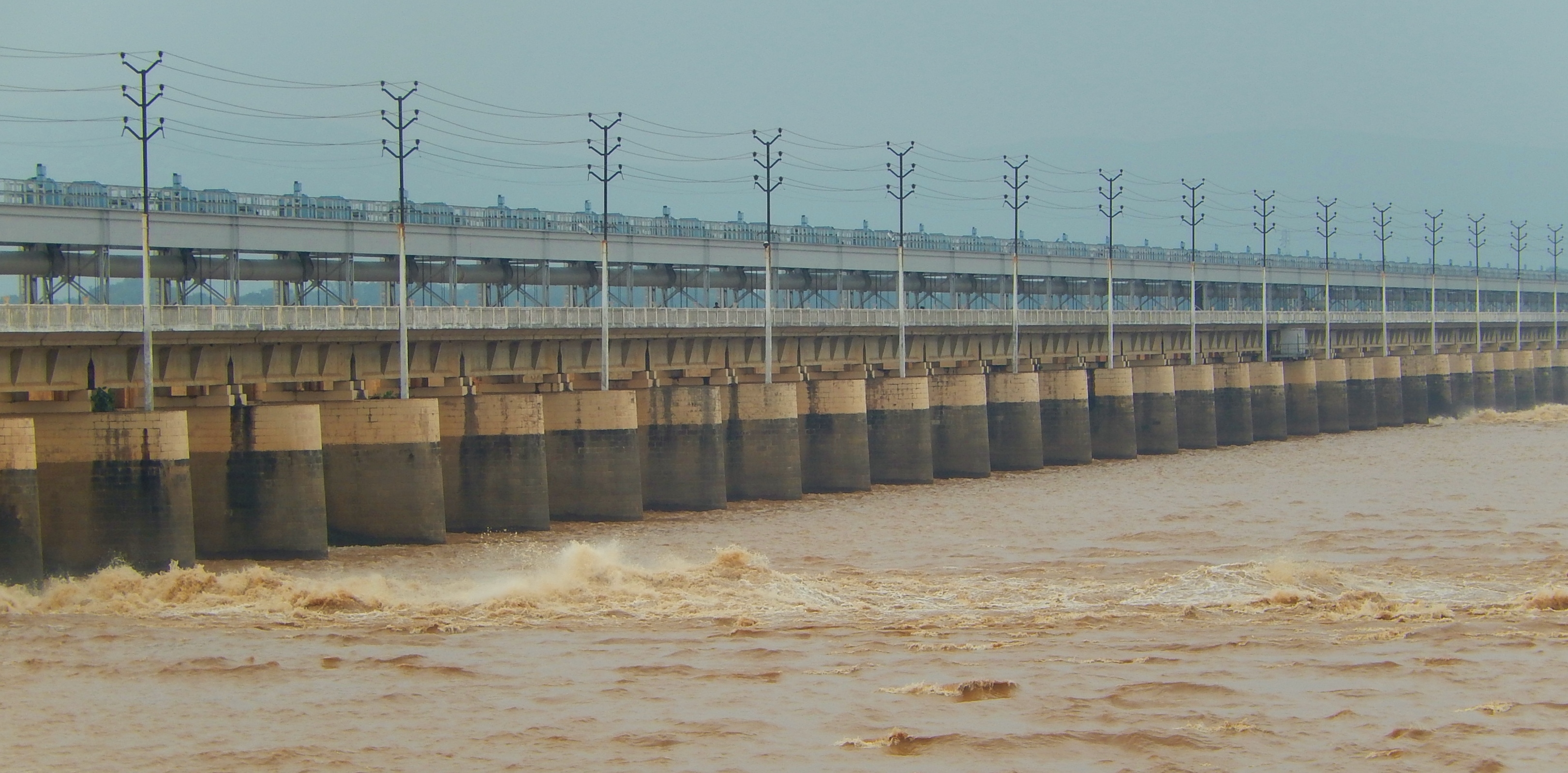
Indrapuri Barrage – A Hidden Gem of Bihar’s River Landscape
Explore the serene weir that blends engineering marvel with natural beauty, nestled in the heart of Dehri, Bihar.
Introduction
If you think of India’s iconic water structures only as massive dams and bustling riverfronts, think again. Tucked away in the historic town of Dehri in Bihar, the Indrapuri Barrage (also referred to as Indrapuri Weir) offers travelers a quiet spot to witness the gentle flow of the Son River, enjoy panoramic riverbank views, and soak up the local culture. Whether you’re a photography enthusiast, a history buff, or simply a road‑trip wanderer looking for off‑the‑beaten‑path experiences, this modest yet captivating weir deserves a place on your Bihar itinerary.
About Indrapuri Barrage
What Is It?
- Type: Weir (a low-head dam that regulates water flow)
- Location: Dehri, Rohtas district, Bihar, India
- Coordinates: 24.834432° N, 84.137093° E
The Indrapuri Barrage stretches across the Son River, one of the major tributaries of the Ganges. While its exact height and altitude are not publicly documented, the structure functions as a crucial water‑regulation point for irrigation and flood control in the surrounding agricultural lands.
A Brief History
The barrage was constructed as part of a mid‑20th‑century effort to harness the Son River’s potential for irrigation in the fertile plains of Bihar. Over the decades, it has become an essential component of the region’s water‑management network, supporting crops such as rice, wheat, and pulses that dominate the local agrarian economy.
Why It Matters
- Economic Impact: By controlling river flow, the barrage helps sustain the irrigation systems that feed thousands of farms in Rohtas and neighboring districts.
- Environmental Role: The weir creates a calm stretch of water that supports fish breeding grounds and attracts a variety of bird species, making it a modest hotspot for wildlife observation.
- Cultural Significance: Dehri’s residents have long gathered near the barrage for community events, picnics, and religious rituals, especially during festivals that honor the river.
How to Get There
By Air
The nearest major airport is Patna’s Lok Nayak Jayaprakash Airport (PAT), roughly 150 km (≈ 3–4 hours by road). From Patna, you can hire a taxi or board a state‑run bus heading toward Rohtas district.
By Train
Dehri is well‑connected via the Dehri On Sone Railway Station (DOS), which lies on the Delhi–Howrah main line. Trains from Patna, Varanasi, and even Delhi stop here regularly. From the station, a short auto‑rickshaw ride (≈ 5 minutes) will drop you at the barrage’s entrance.
By Road
- From Patna: Take NH-19 (formerly NH‑2) eastward toward Bhojpur and continue on the state highway to Dehri. The drive is scenic, passing through sugarcane fields and small villages.
- From Varanasi: Follow NH‑19 westward; the route is well‑marked and takes about 2 hours.
- Local Transport: Once in Dehri, shared auto‑rickshaws, cycle‑ricks, or a hired scooter are the easiest ways to reach the barrage, which sits just on the outskirts of town.
Pro tip: If you’re traveling during the monsoon (July–September), keep an eye on road conditions as occasional flooding can affect the approach roads.
Best Time to Visit
| Season | Weather | Visitor Experience |
|---|---|---|
| Winter (Nov–Feb) | Cool, dry, temperatures 10‑20 °C | Ideal for photography, comfortable walks, and spotting migratory birds. |
| Spring (Mar–May) | Pleasant, mild heat, occasional showers | Good for picnics and river-side yoga; the surrounding fields are lush green. |
| Monsoon (Jun–Sep) | Heavy rain, higher water levels | The barrage’s flow intensifies, offering dramatic water vistas, but access may be limited. |
| Post‑monsoon (Oct) | Refreshing breeze, clear skies | Perfect for a blend of vibrant river activity and comfortable climate. |
Overall recommendation: Late October to early February provides the most pleasant conditions for an extended stay.
What to Expect
Scenic River Views
Approach the barrage via a modest, well‑maintained footpath that runs alongside the Son River. The water spreads out gently behind the weir, creating reflective surfaces perfect for sunrise and sunset shots. On clear days, you can see the distant hills of the Kaimur range.
Birdwatching & Wildlife
The calm water attracts kingfishers, herons, and egrets. Early mornings are the best time to hear their calls and capture them in action. While the area isn’t a designated wildlife sanctuary, the surrounding riparian vegetation supports a modest but rewarding birding experience.
Local Culture
During festivals like Chhath Puja, locals gather at the barrage to offer prayers to the Sun God, lighting diyas that flicker across the water. If you’re lucky to visit during such events, you’ll witness a vibrant blend of spirituality and community spirit.
Amenities
- Parking: Small open parking area near the main gate (mostly for two‑wheelers and cars).
- Food: Street vendors sell samosas, jalebi, and tea along the riverbank. For a fuller meal, head into Dehri town where you’ll find Bihari thalis featuring litti‑chokha, sattu paratha, and fresh river fish.
- Restrooms: Basic public toilets are available near the parking zone; bring hand sanitizer for comfort.
Nearby Attractions
While the Indrapuri Barrage is the star of the show, the surrounding region offers several other water‑related sites worth a quick detour:
| Distance | Attraction | Description |
|---|---|---|
| 0 km | Indrapuri Barrage (dam) | The same weir you’re visiting – a perfect spot for a relaxed afternoon. |
| 7.7 km | Unnamed Weir | A small weir on a tributary of the Son River, ideal for quiet contemplation. |
| 8.3 km | Unnamed Weir | Another modest water structure surrounded by agricultural fields. |
| 8.4 km | Unnamed Weir | Offers a different angle of the river’s flow; great for photography enthusiasts. |
| 26.9 km | Unnamed Weir | The farthest weir in the list, set amidst a slightly hilly landscape, perfect for a short hike. |
Tip: Since these weirs lack official signage, ask locals for directions. They’re often happy to guide visitors to these lesser‑known spots.
Travel Tips
- Carry Cash: Small vendors and local transport may not accept cards or digital payments.
- Dress Comfortably: Light cotton clothing, a hat, and sunscreen are essential, especially during the summer months.
- Stay Hydrated: The climate can be dry; keep a reusable water bottle handy.
- Respect Local Customs: If you visit during religious festivals, dress modestly and avoid obstructing prayer spaces.
- Photography Gear: A wide‑angle lens captures the expansive river view, while a telephoto lens helps isolate birdlife.
- Safety First: The water near the weir can be swift during monsoon season—keep children away from the edge and avoid swimming.
- Connectivity: Mobile network is decent in Dehri (BSNL, Airtel, Jio), but signal may dip near the barrage; download offline maps beforehand.
- Timing: Arrive early (around 6 am) for sunrise shots and to beat any crowd that gathers later for picnics.
Wrap‑Up
The Indrapuri Barrage may not boast the towering height of India’s famous dams, but its quiet charm, cultural relevance, and riverside serenity make it a rewarding stop for any traveler exploring Bihar. From the gentle murmur of the Son River to the vibrant local festivities, this weir offers a slice of authentic Indian life far from the usual tourist trail. Pack your camera, hop on a train to Dehri, and let the tranquil waters of Indrapuri guide you to a memorable adventure.
Happy travels!