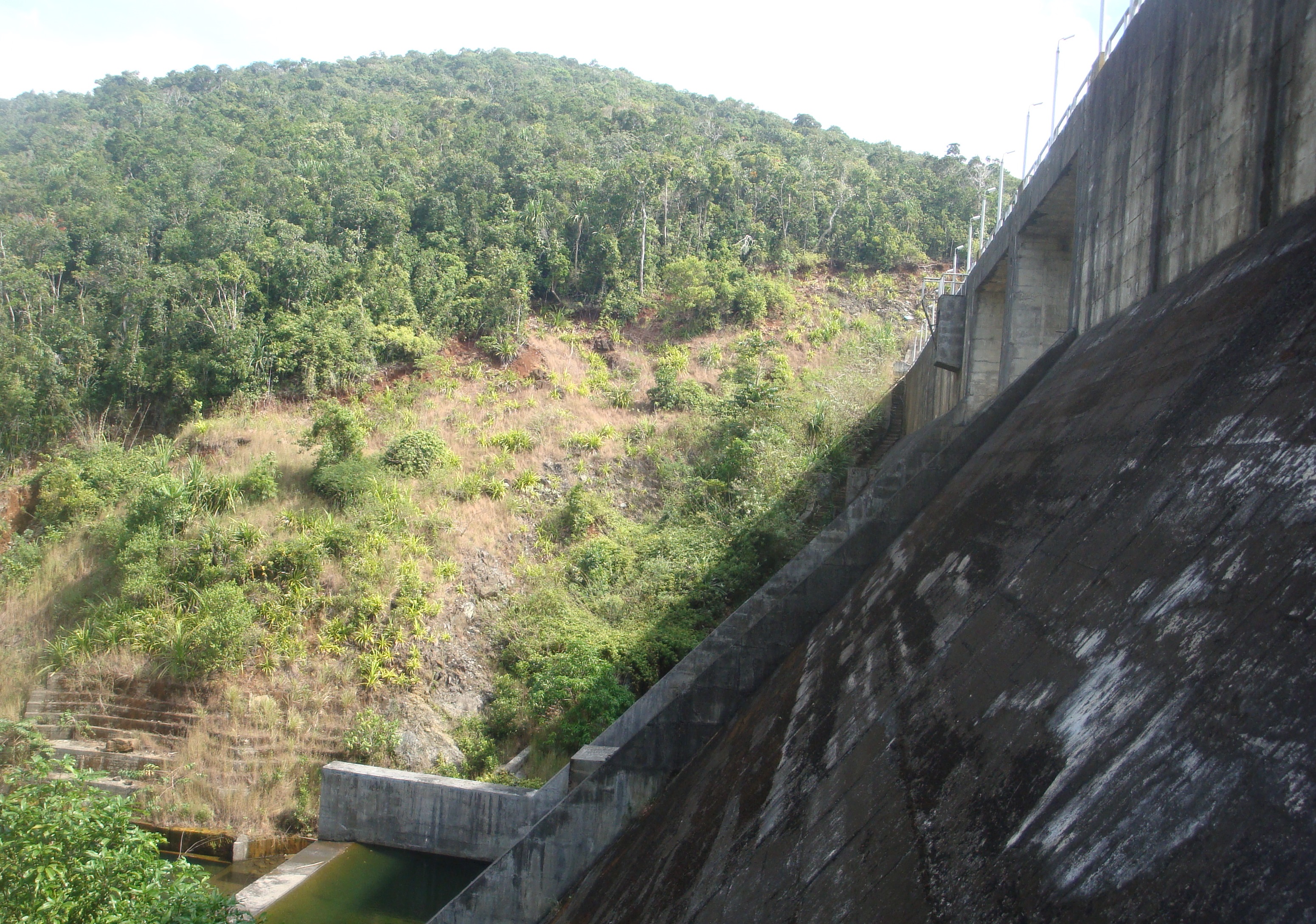
Kaplong Hydroelectric Project – A Hidden Gem in the Andaman & Nicobar Islands
Discover the engineering marvel, lush surroundings, and tranquil vibes of Kaplong Dam – the perfect off‑the‑beaten‑path stop for nature‑loving travelers.
Introduction
Imagine standing on a quiet riverside where the gentle hum of turbines blends with the rustle of tropical foliage. That’s the experience awaiting you at the Kaplong Hydroelectric Project, a modest yet impressive dam tucked away in Bamboo Flat, Andaman and Nicobar Islands, India. While the Andaman archipelago is famed for its pristine beaches and vibrant coral reefs, Kaplong offers a different kind of allure – a glimpse into sustainable energy, serene landscapes, and local culture all in one spot. Whether you’re a photography enthusiast, a road‑trip adventurer, or simply looking to escape the crowds, Kaplong Hydroelectric Project deserves a place on your itinerary.
About Kaplong Hydroelectric Project
The Kaplong Hydroelectric Project (sometimes spelled Kalpong) is a run‑of‑the‑river hydroelectric dam built to harness the power of the Kalpong River. Located at coordinates 13.160224, 92.969503, the facility supplies clean electricity to the islands, reducing reliance on diesel generators and supporting the region’s push toward renewable energy.
History & Significance
- Commissioned in the early 1990s, Kaplong was one of the first large‑scale renewable projects in the Andaman & Nicobar Islands.
- It plays a crucial role in energy security for the islands, especially during the monsoon months when road access can be limited.
- The dam’s modest footprint respects the fragile ecosystem, making it a model for environmentally responsible infrastructure in remote island settings.
While the exact height and altitude of the structure remain undocumented, the surrounding landscape—rolling hills, dense mangroves, and the sparkling river—offers plenty of visual interest. The project’s presence has also spurred modest development in Bamboo Flat, turning the area into a convenient base for exploring the central Andaman region.
For a deeper dive into the dam’s background, check out the Wikipedia entry on Kalpong.
How to Get There
1. Fly into Port Blair
The Veer Savarkar International Airport in Port Blair is the main gateway to the Andaman archipelago. Daily flights connect the capital with major Indian cities such as Chennai, Kolkata, and Delhi.
2. Reach Bamboo Flat
From Port Blair, Kaplong Hydroelectric Project is roughly 60 km away. Here are the most common ways to make the journey:
| Mode of Transport | Approx. Time | Cost (INR) | Notes |
|---|---|---|---|
| Private Taxi / Ride‑share | 1.5–2 hrs | ₹2,500–₹3,500 | Most comfortable; can be booked through your hotel or local operators. |
| Local Bus (Route 2A) | 2–2.5 hrs | ₹150–₹200 | Budget‑friendly but less frequent; buses depart from Port Blair bus depot. |
| Rental Scooter | 2 hrs | ₹800–₹1,200 per day | Great for adventurous travelers; road is paved but winding. |
3. Final Stretch
The dam sits right in Bamboo Flat, so once you arrive in the village you’ll see signs pointing toward the Kaplong Hydroelectric Project. A short walk (5–10 minutes) from the main road leads you to the riverbank viewpoint and the visitor’s area.
Pro tip: Ask locals for directions to the “Kalpong Dam”—they’ll often point you toward a shaded spot perfect for a quick photo stop.
Best Time to Visit
The Andaman climate is tropical, with two main seasons:
| Season | Months | Weather | Why It’s Ideal |
|---|---|---|---|
| Dry Season | November – May | Clear skies, low humidity, gentle sea breezes | Perfect for outdoor activities, photography, and comfortable travel to Kaplong. |
| Monsoon Season | June – October | Heavy rain, occasional strong winds | River levels rise (great for hydro‑enthusiasts) but roads can become slippery; some services may be limited. |
Recommendation: Aim for December to March for the coolest temperatures (around 23‑27 °C) and the best lighting for sunrise or sunset shots over the dam.
What to Expect
Scenic Views & Photo Ops
- River Panorama: The Kalpong River winds through a lush valley, offering reflective water surfaces that mirror the surrounding hills—ideal for long‑exposure photography.
- Dam Architecture: While functional, the concrete spillway and turbine house provide interesting industrial textures against the tropical backdrop.
- Sunrise/Sunset: Early morning light paints the water gold, while evenings bring soft pastel hues that enhance the dam’s silhouette.
Quiet Exploration
Kaplong is not a bustling tourist hotspot. Expect few crowds, allowing you to wander at your own pace. A small visitor kiosk offers basic information, and friendly staff can answer questions about the hydroelectric process.
Soundscape
The gentle rush of water, occasional hum of turbines, and distant calls of native birds create a calming ambiance—perfect for meditation or simply unwinding after a day of island hopping.
Accessibility
The site is wheelchair‑friendly up to the main viewing platform. However, some pathways near the riverbank can be uneven; sturdy shoes are recommended.
Nearby Attractions
While Kaplong Hydroelectric Project is the star of the show, the surrounding area boasts several other points of interest—all within a short drive:
| Attraction | Distance | Type | Highlights |
|---|---|---|---|
| Kalpong Dam (Main) | 0.0 km | Dam | The primary structure of the project—great for close‑up photos. |
| Secondary Dam Site | 0.7 km | Dam | A smaller auxiliary dam offering a different angle of the river. |
| Tertiary Dam Site | 0.7 km | Dam | Another viewpoint with a distinct perspective on water flow. |
| Local Waterfall | 7.0 km | Waterfall | A modest cascade surrounded by tropical foliage—ideal for a short hike. |
| Dhani Nallah Beach (Waterfall) | 60.3 km | Beach & Waterfall | Famous for its crystal‑clear stream that meets the sea; a must‑visit for beach lovers. |
All distances are road estimates; you can easily combine these stops into a single day trip.
Travel Tips
- Carry Cash: While larger hotels accept cards, small shops and local transport often operate on cash (₹500–₹2,000 notes).
- Stay Hydrated: The tropical heat can be intense; bring a reusable water bottle and refill at the visitor kiosk.
- Sun Protection: A wide‑brim hat, sunscreen (SPF 30+), and sunglasses are essential, especially during midday.
- Respect the Environment: Kaplong sits in a sensitive ecosystem. Dispose of waste responsibly and avoid littering.
- Timing for Photos: The golden hour (30 minutes after sunrise or before sunset) yields the most dramatic lighting over the dam.
- Local Cuisine: Try the nearby Bamboo Flat canteen for fresh fish curry and coconut rice—simple, tasty, and affordable.
- Safety First: If you plan to explore the riverbank, wear non‑slip shoes and be cautious of sudden water level changes during the monsoon.
- Connectivity: Mobile coverage is decent in Bamboo Flat, but expect spotty internet; consider downloading offline maps beforehand.
Wrap‑Up
The Kaplong Hydroelectric Project may not be the first name that pops up when planning a trip to the Andaman & Nicobar Islands, but that’s precisely why it’s worth the detour. It offers a rare blend of engineering intrigue, untouched natural beauty, and peaceful solitude—an experience that feels both authentic and rewarding.
Add Kaplong to your Andaman itinerary, pair it with nearby waterfalls and the iconic Dhani Nallah Beach, and you’ll discover a side of the islands that most travelers miss. Pack your camera, hit the road, and let the rhythm of the Kalpong River guide you to an unforgettable adventure.
Happy travels!