三峡大坝旅行指南:探索世界最大水利枢纽的壮丽与魅力
Keywords: 三峡大坝, Three Gorges Dam, Hubei travel, China dam tours, Sandouping, Yangtze River, hydroelectric power, travel tips, best time to visit
1. Introduction – A Marvel That Rises from the Yangtze
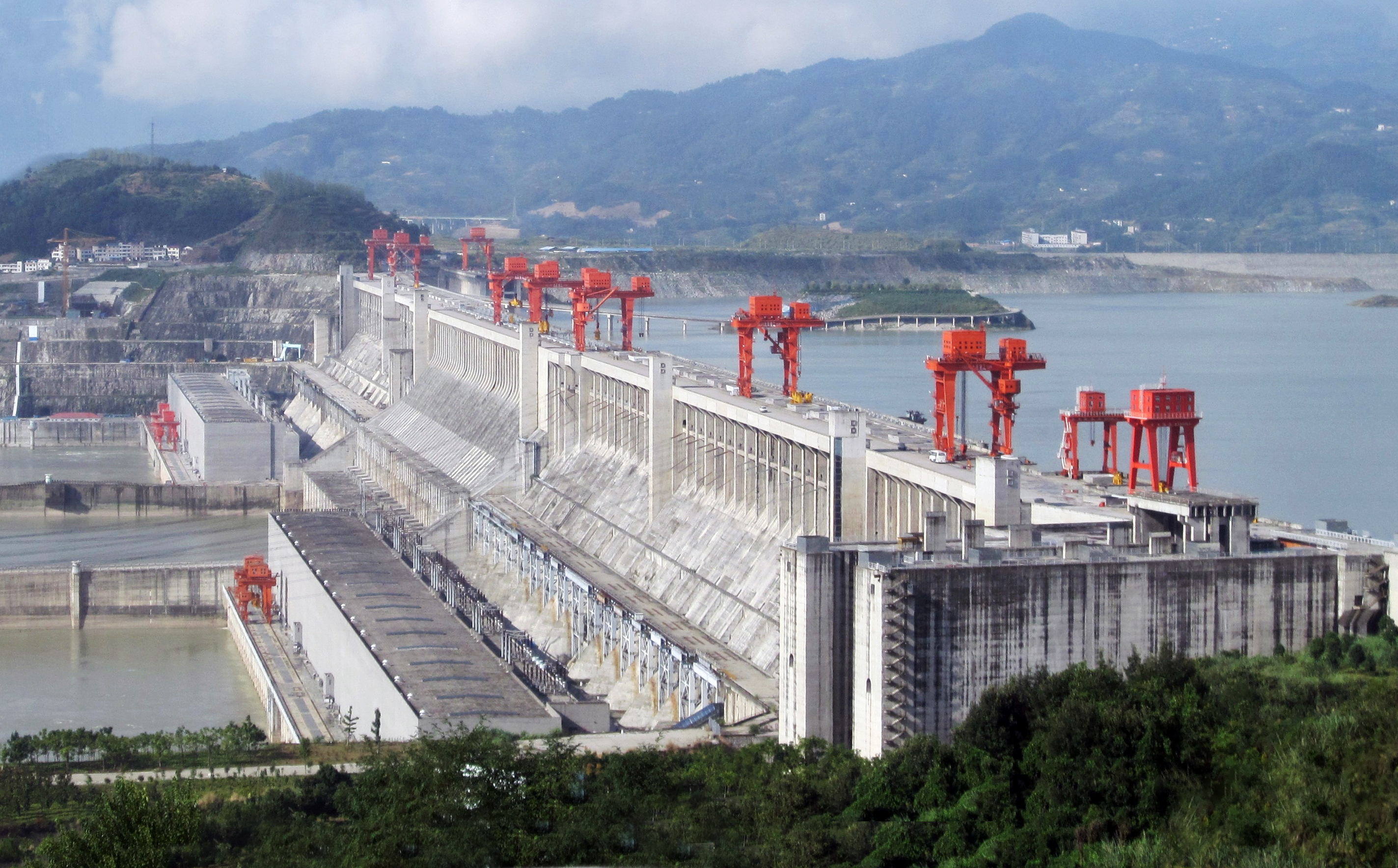
Imagine standing on a sheer concrete wall that stretches over a mile across the mighty Yangtze River, feeling the thrum of turbines that power millions of homes, and gazing out at a landscape that blends ancient river culture with cutting‑edge engineering. That is the experience waiting at 三峡大坝 (the Three Gorges Dam) in Sandouping, Hubei Province. As the world’s largest hydroelectric project, the dam is not only a feat of modern construction but also a gateway to the dramatic scenery, historic towns, and vibrant ecosystems of the Three Gorges region. Whether you’re a photography enthusiast, a history buff, or simply a traveler who loves grand vistas, the Three Gorges Dam deserves a top spot on your China itinerary.
2. About 三峡大坝 – History, Design, and Global Significance
Location & Specs
- Site: Sandouping, Yiling District, Yichang City, Hubei, China
- Coordinates: 30.824634 N, 111.004502 E
- Height: 115 m (≈ 377 ft)
Built on the Yangtze River—the longest river in Asia—三峡大坝 serves as the central hub of the 长江三峡水利枢纽工程 (Yangtze Three Gorges Water Control Project). The dam’s massive concrete gravity structure creates a reservoir that stretches upstream for over 600 km, reshaping the river’s flow and providing flood control, navigation improvement, and renewable energy generation.
Historical Context
Planning for a large‑scale dam on the Yangtze began in the 1950s, but the modern project was officially launched in the early 1990s. Construction progressed through the late 1990s and early 2000s, culminating in a fully operational power station that now supplies a substantial share of China’s electricity grid. The dam’s completion marked a turning point for the region: it boosted economic development, modernized river transport, and sparked worldwide discussion about large‑scale environmental engineering.
Why It Matters
- Renewable Energy: The hydroelectric plant converts the river’s kinetic energy into clean electricity, reducing reliance on fossil fuels.
- Flood Management: By regulating water flow, the dam mitigates the risk of devastating floods that historically plagued downstream communities.
- Tourism Magnet: The sheer scale of the structure, combined with panoramic viewing platforms, makes it a must‑see landmark for domestic and international travelers alike.
For a deeper dive into the dam’s technical details, visit the Wikipedia entry in Chinese.
3. How to Get There – Getting to 三峡大坝 from Anywhere in China
By Air
The nearest commercial airport is Yichang Sanxia Airport (YIH), located about 30 km north of Sandouping. From the airport, you can catch a taxi or a pre‑booked shuttle to the dam (roughly a 45‑minute drive).
By Train
China’s high‑speed rail network connects Yichang East Railway Station to major hubs such as Wuhan, Chengdu, and Shanghai. From Yichang East, hop on a local train or bus to Yichang City Center, then transfer to a city bus (Line 1 or Line 2) that stops at the “三峡大坝” station. The total journey from Wuhan to the dam is under 5 hours by high‑speed rail plus a short bus ride.
By Bus & River Cruise
- Long‑Distance Bus: Provincial bus lines from Wuhan, Chongqing, and Xi’an include stops at Yichang. Once in Yichang, city buses head directly to the dam’s visitor center.
- Yangtze River Cruise: Many cruise itineraries on the Yangtze stop at Sandouping for a “dam day.” This is a scenic way to approach the structure, especially if you’re already touring the Three Gorges.
Getting Around On‑Site
The dam’s Visitor Center offers a free shuttle that circulates between the main exhibition hall, the viewing platform, and the 三峡副坝 (Three Gorges Auxiliary Dam) located 2.3 km away. Parking is available for private cars, but public transport is highly recommended during peak travel seasons.
4. Best Time to Visit – When the Views Shine the Brightest
| Season | Weather | Visitor Flow | Why Visit |
|---|---|---|---|
| Spring (Mar‑May) | Mild temperatures (12‑22 °C), occasional rain | Moderate | Blossoming riverside flora and clear skies make photo‑ops spectacular. |
| Summer (Jun‑Aug) | Warm (23‑30 °C), higher humidity | High | Longer daylight hours for river cruises; water level often at its peak, revealing the full scale of the reservoir. |
| Autumn (Sep‑Nov) | Cool, crisp (10‑20 °C) | Low‑moderate | Golden foliage along the riverbanks; ideal for hiking and sightseeing without crowds. |
| Winter (Dec‑Feb) | Cold (0‑10 °C), occasional fog | Low | The dam’s concrete walls contrast dramatically with misty mornings—perfect for atmospheric shots. |
Pro tip: The dam’s viewing platform is most comfortable from April to October when the temperature is pleasant and the water level is stable. If you prefer fewer tourists, aim for early March or late November.
5. What to Expect – A Day at the Three Gorges Dam
Arrival & Orientation
Your adventure begins at the 三峡大坝游客中心 (Visitor Center). A spacious exhibition hall showcases interactive models, historical photographs, and multilingual videos that explain the dam’s engineering, environmental impact, and role in China’s energy strategy.
The Grand Tour
- Observation Deck: Ascend to the 90‑meter‑high viewing platform for a breathtaking panorama of the reservoir stretching into the distant mountains. On clear days, you can see the Three Gorges—the Qutang, Wu, and Xiling gorges—etched into the horizon.
- Control Room (Limited Access): Guided tours occasionally include a glimpse of the control room where operators monitor water flow and turbine performance.
- Auxiliary Dam (三峡副坝): A short shuttle ride takes you to the auxiliary dam, offering a contrasting perspective of the complex’s multi‑dam system.
Interactive Experiences
- Hydroelectric Demonstration: Touch‑screen displays let you simulate turbine operations and see how water pressure translates into megawatts of power.
- River Ecology Zone: Learn about fish ladders, water quality monitoring, and the ongoing ecological restoration projects along the Yangtze.
Amenities
- Dining: The on‑site café serves Hubei specialties such as hot dry noodles (热干面) and fresh river fish.
- Souvenir Shops: Pick up miniature dam models, locally made tea, and postcards featuring the dam’s iconic silhouette.
- Rest Areas: Plenty of shaded benches and clean restrooms make a comfortable visit for families and seniors.
6. Nearby Attractions – Extend Your Hubei Adventure
While the Three Gorges Dam is the star, the surrounding area offers several other points of interest that can easily fit into a one‑day or multi‑day itinerary.
| Attraction | Distance from 三峡大坝 | Highlights | Link |
|---|---|---|---|
| 三峡副坝 (Three Gorges Auxiliary Dam) | 2.3 km | Secondary dam structure, additional viewing platform, insight into the overall water‑control system. | 三峡副坝 Wikipedia |
| Unnamed Dam #1 | 8.1 km | Smaller downstream dam offering a quieter riverside walk. | — |
| Unnamed Dam #2 | 9.9 km | Scenic picnic spot with riverbank benches. | — |
| Unnamed Dam #3 | 20.8 km | Ideal for photography of the river’s curvature. | — |
| Unnamed Dam #4 | 21.6 km | Local fishing village with authentic Hubei cuisine. | — |
Tip: Combine the dam visit with a short Yangtze River cruise that stops at the nearby villages, allowing you to experience both the engineering marvel and the traditional river culture.
7. Travel Tips – Make the Most of Your 三峡大坝 Experience
- Book Tickets in Advance – The visitor center often reaches capacity during Chinese holidays (Golden Week, Spring Festival). Reserve your entry slot online or through your hotel.
- Dress Comfortably – Bring layers; mornings can be cool, especially in spring and autumn, while summer afternoons may be warm. Comfortable walking shoes are a must for the shuttle walks between the main dam and auxiliary sites.
- Carry a Portable Charger – The exhibition hall’s interactive displays are a magnet for photo‑taking, and you’ll likely use translation apps.
- Mind the Language – Signage is primarily in Chinese, though English translations are available at the main hall. A translation app or a simple phrasebook can help when ordering food or asking for directions.
- Respect the Environment – The Yangtze’s ecosystem is fragile. Follow the “Leave No Trace” principles: stay on marked paths, avoid littering, and refrain from feeding wildlife.
- Combine with Local Cuisine – Don’t miss the chance to try 鱼头豆腐汤 (fish head tofu soup) at a nearby restaurant; the river’s fresh fish is a culinary highlight of Hubei.
- Timing for Photography – Early morning (7‑9 am) and late afternoon (4‑6 pm) provide the softest light for capturing the dam’s massive concrete faces against the river’s mist.
Final Thought
Visiting 三峡大坝 is more than ticking off a famous landmark; it’s an immersion into a story of human ambition, environmental stewardship, and the timeless flow of the Yangtze River. From the awe‑inspiring observation deck to the quiet banks of nearby auxiliary dams, the experience offers a blend of education, adventure, and pure visual spectacle. Pack your camera, bring an open mind, and let the Three Gorges Dam reveal one of China’s most iconic engineering wonders. Safe travels!