Salto Sakaika – The Hidden Waterfall Gem of Bolívar, Venezuela
Discover the untamed beauty of Salto Sakaika, a secluded waterfall tucked away in the lush rainforest of Santa Elena de Uairén. Whether you’re an adventure‑seeker, a nature photographer, or simply looking for a tranquil spot off the beaten path, this waterfall in Bolívar offers a truly unforgettable experience.
1. Introduction
Imagine stepping off a narrow jungle trail and hearing the roar of water crashing over basalt cliffs, the air thick with mist and the scent of tropical foliage. That moment is exactly what awaits you at Salto Sakaika, one of Venezuela’s most secluded waterfalls. Nestled in the remote reaches of Santa Elena de Uairén—the gateway town to the Amazonian frontier—this waterfall remains largely unknown to mass tourism, making it a perfect destination for travelers craving authentic, untouched nature.
2. About Salto Sakaika
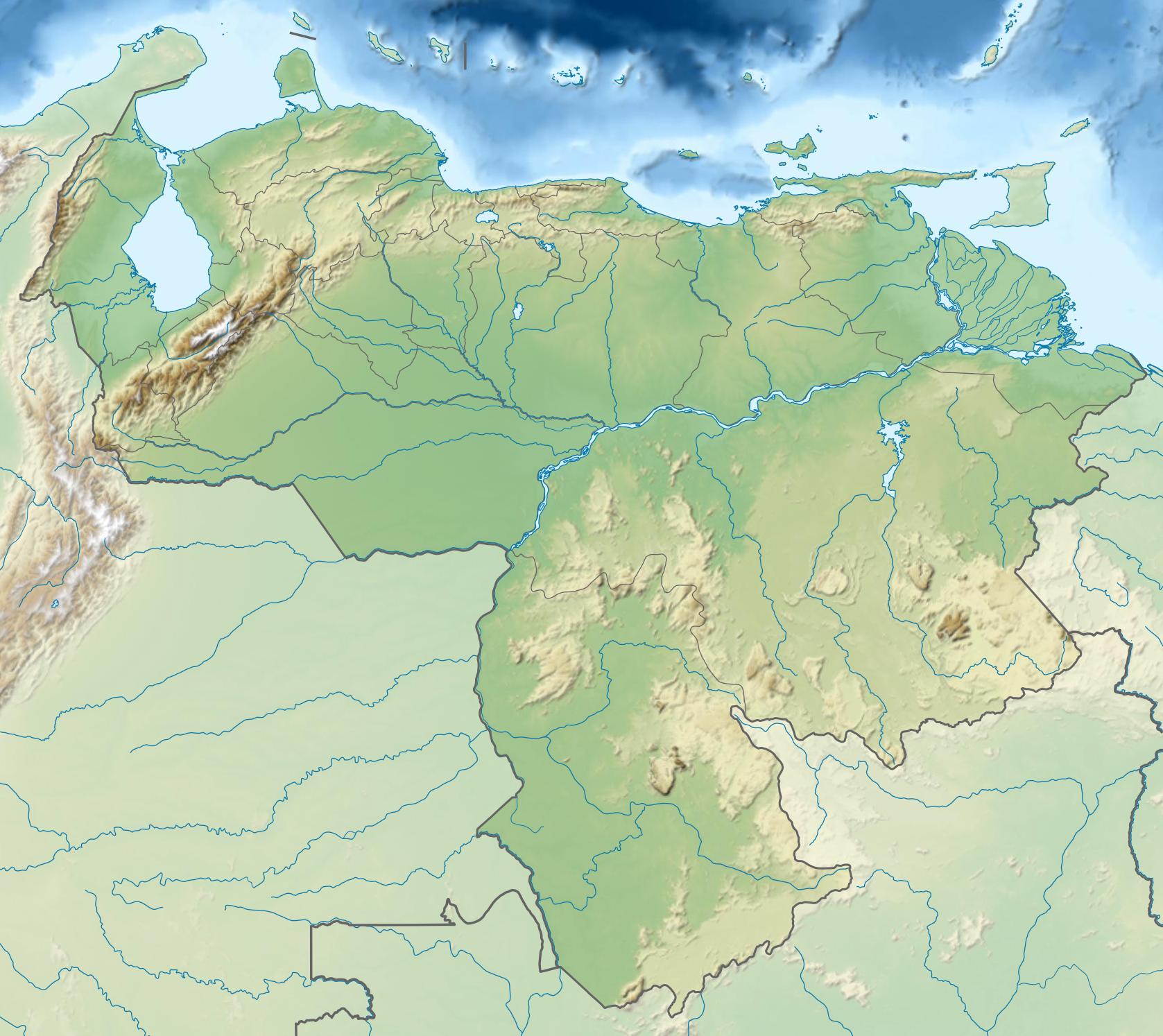
Salto Sakaika (Spanish for “Sakaika Falls”) is a pristine waterfall located at coordinates 5.604648, ‑61.296034 in the state of Bolívar, Venezuela. While the exact height and altitude of the falls have not been officially recorded, the cascade is celebrated locally for its powerful flow and crystal‑clear plunge pool that reflects the surrounding rainforest canopy.
History & Cultural Significance
The name “Sakaika” is believed to derive from indigenous languages spoken by the Pemon and Warao peoples, who have inhabited the region for centuries. For these communities, waterfalls are more than scenic attractions—they are sacred sites linked to myths, rituals, and the life‑giving properties of water. Though Salto Sakaika has never been the focus of large‑scale development, it holds a special place in local folklore as a place of renewal and spiritual cleansing.
Why It Matters
- Ecological hotspot – The waterfall feeds a vibrant riparian ecosystem teeming with birds, amphibians, and insects unique to the Guiana Shield.
- Adventure tourism – Its remote location makes it an ideal base for trekking, bird‑watching, and exploring nearby rapids and lesser‑known falls.
- Cultural preservation – Visiting Salto Sakaika supports local guides and communities who rely on sustainable tourism to protect their natural heritage.
3. How to Get There
Getting to Santa Elena de Uairén
- By Air – The most convenient entry point is Uairén Airport (SVUA), which offers regular domestic flights from Maracaibo and Ciudad Bolívar. From the runway, the town is just a 10‑minute drive away.
- By Road – If you prefer a road trip, the Pan‑American Highway (Ruta 10) connects Santa Elena de Uairén to Ciudad Guayana (approx. 400 km). Buses and shared taxis run daily, though schedules can be irregular, so confirm ahead of time.
From Town to the Falls
- Local Transport – Upon arriving in Santa Elena de Uairén, hire a 4×4 vehicle or a motorbike from a reputable local operator. The last 5 km to the falls are unpaved and can be muddy during the rainy season.
- Guided Trek – Many community‑run eco‑tour operators provide guided hikes that start at the town’s central plaza. Guides carry GPS devices, first‑aid kits, and knowledge of the safest river crossings.
- Navigation – Input the exact coordinates 5.604648, ‑61.296034 into a smartphone or handheld GPS. The trailhead is marked by a wooden sign reading “Salto Sakaika – 5 km”.
Tip: Always travel with a local guide. The region is remote, and a guide can help you navigate the rainforest, respect cultural sites, and avoid potential hazards.
4. Best Time to Visit
| Season | Weather | Water Flow | Visitor Experience |
|---|---|---|---|
| Dry Season (Dec – Mar) | Warm, lower humidity, occasional showers | Moderate – water levels are comfortable for swimming | Ideal for hiking and photography; trails are drier. |
| Rainy Season (Apr – Nov) | Frequent rain, high humidity, lush vegetation | High – waterfalls are at their most powerful | Spectacular cascade, misty atmosphere; however, trails can become slippery and some river crossings may be unsafe. |
Recommendation: For first‑time visitors, the dry season (December to March) offers the best balance of accessibility and impressive water flow. If you’re a seasoned trekker looking for a dramatic, roaring waterfall, the early rainy months (April–June) can be magical—just come prepared with waterproof gear and sturdy boots.
5. What to Expect
The Journey
The hike to Salto Sakaika is a moderate 3‑kilometer trek through dense tropical forest. Expect:
- Canopy immersion – Sunlight filters through towering mahogany and palm trees, creating a kaleidoscope of greens.
- Birdsong – Keep an eye out for toucans, motmots, and the elusive harpy eagle.
- River crossings – Small streams may require stepping stones or a quick wade; guides will point out the safest spots.
At the Falls
Upon arrival, you’ll be greeted by a wide curtain of water plunging into a turquoise pool surrounded by smooth granite boulders. The roar of the water is immediate, and a fine mist coats the air, perfect for:
- Swimming – The pool is deep enough for a refreshing dip, though currents can be strong after heavy rains.
- Photography – Capture long‑exposure shots of the waterfall’s silky flow, or snap close‑ups of moss‑covered rocks.
- Relaxation – Find a shaded rock, listen to the rhythm of the water, and let the jungle’s tranquility wash over you.
Because the waterfall’s height is undocumented, part of the charm lies in its mystery—each visitor gets to experience the falls in a raw, unfiltered state.
6. Nearby Attractions
While Salto Sakaika is the star, the surrounding area offers several other natural wonders that can be combined into a full‑day adventure:
| Attraction | Distance from Salto Sakaika | Type | Quick Note |
|---|---|---|---|
| Unnamed Waterfall | 0.2 km | Waterfall | A small cascade perfect for a quick photo stop. |
| Unnamed Waterfall | 0.6 km | Waterfall | Slightly larger, creates a natural rock pool. |
| Pozo Manakachí | 6.4 km | Waterfall | A secluded plunge pool known for its emerald hue. |
| Unnamed Rapids | 12.4 km | Rapids | Ideal for adventurous travelers interested in mild white‑water experiences. |
| Unnamed Rapids | 12.4 km | Rapids | Mirrors the first set; both are great for observing river dynamics. |
All nearby spots are reachable via the same forest trail system. Ask your guide for detailed routes and any required permits.
7. Travel Tips
| Tip | Why It Matters |
|---|---|
| Pack waterproof gear | The mist from the falls can soak clothing quickly; a dry bag protects electronics and valuables. |
| Wear sturdy hiking boots | The trail can be slippery, especially after rain. |
| Bring insect repellent | Mosquitoes are active year‑round in the rainforest. |
| Carry cash (Bolívares) | Many local guides and vendors do not accept cards. |
| Respect local customs | Ask permission before photographing indigenous communities or sacred sites. |
| Leave no trace | Pack out all trash; the ecosystem is fragile and relies on responsible tourism. |
| Check weather forecasts | Sudden storms can turn a pleasant hike into a dangerous trek. |
| Stay hydrated | The humidity can cause dehydration faster than you expect. |
| Use a portable charger | Cell service is limited; a power bank ensures you can navigate and stay in touch. |
| Travel insurance | Essential for remote destinations where medical facilities are far away. |
Final Thoughts
Salto Sakaika may not appear on the typical tourist itineraries, but that’s exactly why it shines. Its raw power, pristine setting, and cultural resonance make it a must‑visit waterfall in Bolívar, Venezuela for any traveler seeking authentic adventure. By planning wisely, respecting the local environment, and embracing the journey through the Amazonian rainforest, you’ll walk away with memories of a hidden paradise that few have the privilege to experience.
Ready to chase waterfalls? Pack your gear, hire a knowledgeable guide, and let Salto Sakaika reveal its secret cascade to you.
Keywords: Salto Sakaika, waterfall Venezuela, Bolívar waterfalls, Santa Elena de Uairén travel, Amazon rainforest Venezuela, hidden waterfalls, eco‑tourism Venezuela, travel guide Bolívar, Pozo Manakachí, rainforest trekking.
