Salto Arapán – Venezuela’s Hidden Waterfall Gem
Discover the mist‑kissed cascade tucked in the emerald heart of Bolívar, where the Amazon‑type jungle meets the rugged border town of Santa Elena de Uairén.
1. Introduction
If you’ve ever dreamed of stepping into a living postcard—turquoise water plunging over stone, the roar of a river echoing through dense tropical forest, and the scent of wet earth filling the air—Salto Arapán is the place where that vision becomes reality. Often referred to in older maps as Salto Pacheco, this secluded waterfall lies just a stone’s throw from the vibrant border town of Santa Elena de Uairén, in Venezuela’s vast Bolívar state. While it doesn’t boast a recorded height or altitude, the sheer power of its flow and the untouched wilderness surrounding it make it a must‑see for any nature‑lover, adventure seeker, or off‑the‑beaten‑path traveler.
In this guide, we’ll walk you through everything you need to know to experience Salto Arapán—how to get there, the best time to visit, what you’ll see, nearby attractions, and insider tips to keep your journey smooth and unforgettable.
2. About Salto Arapán
A hidden cascade with a story
Salto Arapán (sometimes listed as Salto Pacheco) sits at the coordinates 5.164756, -61.094593 in the remote jungle of Bolívar. The waterfall is fed by the Quebrada Pacheco stream, which meanders through a landscape of towering mahogany, palm trees, and vibrant bromeliads.
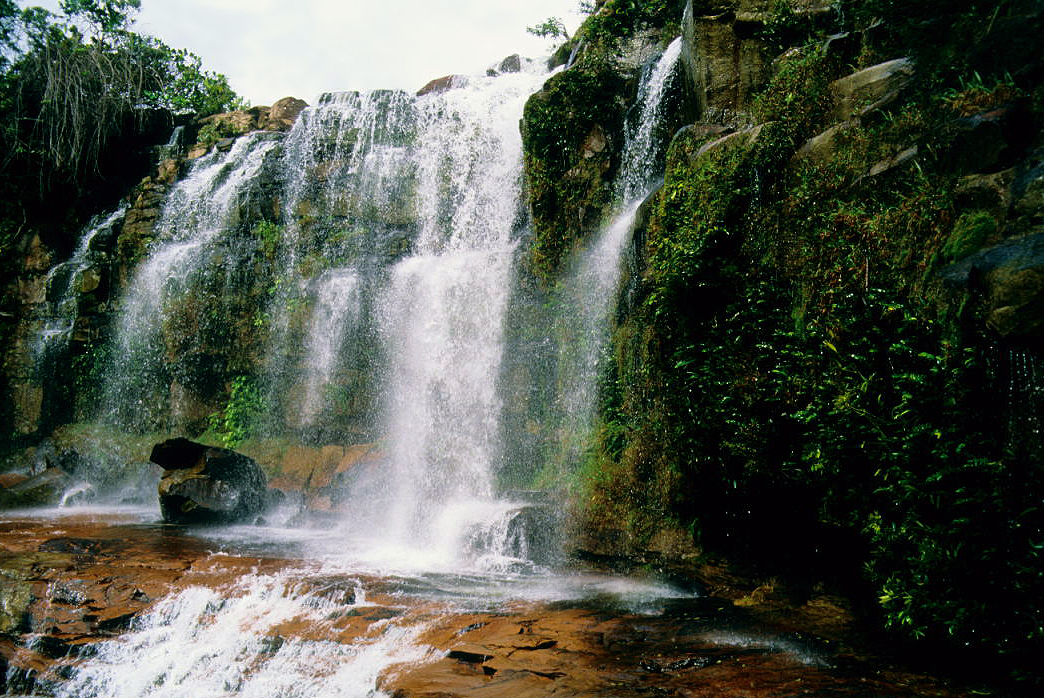
Historically, the waterfall has been a natural landmark for the indigenous Pemon people, who have lived in the region for centuries. Its name “Arapán” is believed to derive from local indigenous terminology, echoing the deep cultural ties between the land and its original stewards. Though the exact height of the cascade is undocumented, locals describe the fall as a powerful, multi‑tiered rush that creates a permanent mist—perfect for those iconic travel photos.
Why it matters
Salto Arapán is more than just a scenic spot; it’s a living laboratory of biodiversity. The surrounding rainforest shelters countless bird species, including the colorful scarlet macaw and the elusive oilbird, as well as a host of amphibians, insects, and small mammals. For eco‑tourists, the waterfall offers a front‑row seat to the pristine ecosystems that define the Venezuelan Amazon.
3. How to Get There
Getting to Santa Elena de Uairén
- Fly into Venezuela – The most convenient international gateway is Simón Bolívar International Airport (CCS) in Caracas. From Caracas, catch a domestic flight to Cacique Aramare Airport (PYH) in Puerto Ordaz, the main hub for Bolívar state.
- Ground travel to Santa Elena – From Puerto Ordaz, you have two options:
* Bus – Regular long‑distance buses (e.g., Expreso Bolívar) run daily to Santa Elena de Uairén. The journey takes roughly 10–12 hours over paved and gravel roads, offering a chance to see the varied Venezuelan landscape.
* Car rental / private transfer – If you prefer flexibility, rent a 4×4 vehicle in Puerto Ordaz. The road (Ruta 10) is mostly paved but can become muddy during the rainy season, so a high‑clearance vehicle is advisable.
From Santa Elena de Uairén to Salto Arapán
- Starting point: The town’s central plaza.
- Distance: Approximately 0.2 km (a short walk) from the town center to the trailhead that leads to Quebrada Pacheco and the waterfall.
- Transport options:
- Walking – If you’re staying in town, the trailhead is within easy walking distance.
- Local taxi or motorbike – For those with luggage or who prefer a quicker start, local taxis can drop you off at the foot of the trail.
The trek
The path to Salto Arapán is a moderate, unpaved trail that follows the riverbank for about 1 km through dense foliage. The route is well‑marked by local guides and features a few natural stone steps. Most visitors reach the waterfall in 20–30 minutes of walking.
4. Best Time to Visit
| Season | Weather | Visitor Experience |
|---|---|---|
| Dry season (December – April) | Warm, lower humidity, occasional showers | Ideal for clear views, less river swelling, easier trail conditions. |
| Rainy season (May – November) | Higher humidity, frequent rain, river levels rise | Waterfall is at its most powerful, but trails can become slippery; bring waterproof gear. |
Top recommendation: Late December to early March offers a perfect balance of pleasant weather and vibrant jungle life, making it the peak time for photography and wildlife spotting.
5. What to Expect
The cascade itself
When you arrive, the first thing you’ll notice is the thunderous roar of water crashing over a series of rocky ledges. The main drop creates a misty veil that blankets the surrounding rocks, perfect for those dreamy, long‑exposure shots. The water pools into a clear, cool plunge pool at the base—ideal for a refreshing dip (always check local safety signs).
Sights and sounds
- Flora: Giant ferns, orchids, and towering trees line the riverbanks. Look up to see epiphytic bromeliads clinging to the trunks.
- Fauna: Keep an eye out for colorful toucans, hummingbirds, and the occasional capuchin monkey leaping between branches.
- Sensory experience: The constant spray cools the air, while the scent of wet earth and tropical flowers fills your nostrils.
Photography tips
- Golden hour: Arrive early (sunrise) or stay late (sunset) to capture the waterfall bathed in warm light.
- Use a polarizing filter: It reduces glare on the water surface and deepens the greens of the jungle.
- Long exposure: A tripod and a 5‑10 second exposure will turn the cascading water into silky ribbons.
6. Nearby Attractions
While Salto Arapán is the star, the surrounding area offers several other natural wonders that can easily be added to a day‑trip itinerary.
| Attraction | Distance from Salto Arapán | Type | Quick Link |
|---|---|---|---|
| Quebrada Pacheco (Waterfall) | 0.2 km | Waterfall | Quebrada Pacheco |
| Unnamed Waterfall | 2.0 km | Waterfall | — |
| Unnamed Rapids | 2.9 km | Rapids | — |
| Unnamed Waterfall | 2.9 km | Waterfall | — |
| Unnamed Waterfall | 3.0 km | Waterfall | — |
Note: The additional waterfalls and rapids are part of the same river system and can be explored with a local guide. They are perfect for adventurous hikers looking to extend their jungle trek.
7. Travel Tips
| Tip | Why it matters |
|---|---|
| Hire a local guide | Guides know the safest paths, share cultural stories, and can point out hidden wildlife. |
| Pack waterproof gear | Even in the dry season, the waterfall’s mist can soak clothing; a dry bag protects electronics. |
| Bring insect repellent | The Amazonian forest is home to mosquitoes and sandflies, especially near water. |
| Stay hydrated | The tropical heat can be intense; carry at least 2 L of water per person. |
| Respect the environment | Stick to trails, avoid littering, and never disturb wildlife—preserve the pristine nature of Salto Arapán. |
| Cash is king | Small towns like Santa Elena de Uairén may not accept cards; bring enough Venezuelan bolívars or US dollars. |
| Check border regulations | Santa Elena sits on the Brazil‑Venezuela border; if you plan to cross, ensure you have the proper passport and visa. |
| Travel insurance | Adventure activities (waterfall swimming, jungle trekking) are covered by most comprehensive travel policies. |
Final Thought
Salto Arapán may not have the fame of Angel Falls, but its intimate setting, vibrant ecosystem, and the sheer thrill of discovering a hidden waterfall make it a priceless addition to any Venezuelan itinerary. Whether you’re a solo backpacker, a family looking for a nature escape, or a photographer chasing that perfect mist‑filled frame, this jewel of Bolívar invites you to step off the main road and into a world where water, forest, and culture intertwine.
Pack your boots, charge your camera, and let the roar of Salto Arapán guide you into the heart of Venezuela’s wild side.
Keywords: Salto Arapán, Salto Pacheco, waterfall Venezuela, Bolívar attractions, Santa Elena de Uairén travel, Amazon rainforest waterfall, nature tourism Venezuela, hidden waterfalls South America, travel guide Venezuela.
