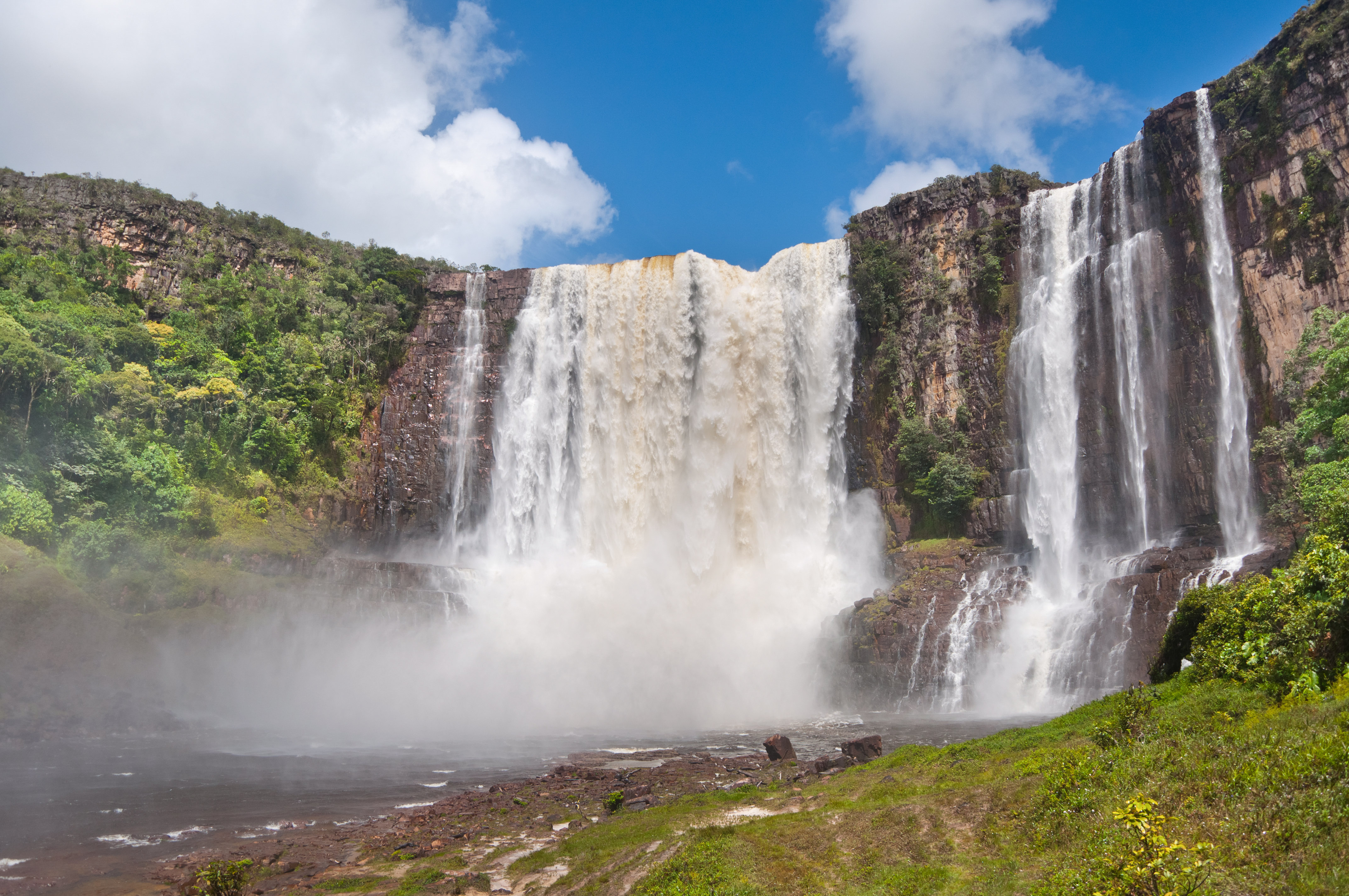
Salto Aponwao – Venezuela’s Hidden Jungle Waterfall
Discover the raw beauty of the Amazon‑edge waterfall that’s still off the beaten path.
1. Introduction
If you think you’ve seen every waterfall in South America, think again. Tucked deep in the emerald canopy of Bolívar State, the Salto Aponwao drops like a silvery veil into a crystal‑clear pool, surrounded by the whisper of tropical birds and the roar of nearby rapids. This secluded cascade is a true jungle gem—perfect for adventurous travelers who crave pristine nature, authentic local culture, and a splash of adrenaline without the crowds of Angel Falls or Canaima. In this guide we’ll walk you through everything you need to know to make Salto Aponwao the highlight of your Venezuelan itinerary.
2. About Salto Aponwao
Where is it?
- Location: Santa Elena de Uairén, Bolívar, Venezuela
- Coordinates: 5.569962 ° N, ‑61.489887 ° W
Salto Aponwao sits on the fringe of the Amazon rainforest, just a stone’s throw from the border with Brazil. The waterfall feeds into a network of streams that eventually join the Uairén River, a tributary of the mighty Orinoco. While the exact height and altitude of the fall remain undocumented, locals describe the drop as “impressive enough to send a spray of mist up to the canopy,” a testament to its raw power.
A brief history & cultural significance
The name Aponwao is believed to derive from the language of the Pemon people, the indigenous community that has inhabited the Gran Sabana for centuries. For the Pemon, waterfalls are more than scenic spots; they are sacred places where water spirits dwell. According to oral tradition, Salto Aponwao was once a ceremonial site where the community performed purification rituals before embarking on hunting expeditions. Today, the waterfall continues to hold cultural weight, serving as a gathering point for locals and a symbol of the region’s untouched wilderness.
Why it matters for travelers
- Eco‑tourism hotspot: With minimal infrastructure, Salto Aponwao offers a genuine jungle experience that aligns with responsible travel.
- Photography gold: The interplay of light, mist, and dense foliage creates dramatic frames for landscape and macro shots.
- Adventure playground: The surrounding rapids and river corridors invite kayaking, canyoning, and jungle trekking.
3. How to Get There
Step‑by‑step route
| Step | Details |
|---|---|
| 1. Fly into Venezuela | International arrivals land at Simón Bolívar International Airport (CCS) in Caracas. |
| 2. Domestic connection | From Caracas, catch a domestic flight to Ciudad Guayana (PDV) or Puerto Ordaz (PZO)—the nearest major airports to Bolívar’s jungle region. |
| 3. Overland to Santa Elena de Uairén | From Ciudad Guayana, board a long‑distance bus (e.g., Expreso Bolívar) or rent a 4×4 vehicle for the 600 km journey to Santa Elena de Uairén. The road is paved for most of the way but becomes gravel near the border. |
| 4. Local transport | Once in Santa Elena, hire a motorbike, taxi, or local guide to cover the final 5–10 km to the waterfall. The trail is unpaved; a sturdy vehicle or a guided hike is recommended. |
Practical tips for the journey
- Visas & documents: Most travelers need a tourist visa for Venezuela; check the latest requirements with your embassy.
- Currency: The Bolívar Soberano (VES) is the official currency, but US dollars are widely accepted in tourist zones. Carry small change for local purchases.
- Safety: While Santa Elena de Uairén is generally safe for tourists, keep valuables out of sight, travel during daylight, and inform your accommodation of your daily plans.
- Communication: Mobile coverage is spotty outside town; consider a local SIM card (Digitel or Movilnet) for GPS and emergency calls.
4. Best Time to Visit
| Season | Weather | Why it’s ideal |
|---|---|---|
| Dry season (December – April) | Lower rainfall, clearer skies, lower river levels. | Trails are more accessible, and the waterfall’s plunge is still strong enough for a spectacular mist. |
| Transition months (May & November) | Short showers, moderate humidity. | Fewer tourists, lush greenery, and the rapids near the waterfall are at their most lively. |
| Rainy season (June – October) | Heavy downpours, high river levels. | The waterfall swells dramatically, creating massive spray, but some paths may become muddy or flooded. |
Top recommendation: Aim for late December to early March for the perfect blend of accessibility, vivid foliage, and robust water flow.
5. What to Expect
The first impression
As you push through a narrow, vine‑covered trail, the distant roar of water becomes audible—an exhilarating prelude to the sight that awaits. The jungle opens onto a rocky clearing where a thin veil of water plunges into a turquoise pool, sending a fine mist that catches the sun in a dazzling rainbow.
Sensory experience
- Sight: The cascade, framed by towering Marañón trees and vibrant bromeliads, offers a natural stage for sunrise or sunset photography.
- Sound: The waterfall’s roar blends with the chorus of howler monkeys, toucans, and the bubbling rapids just a few meters away.
- Touch: Dip your feet (or take a daring plunge) into the cool, mineral‑rich pool; the water feels invigorating after a hike through humid forest.
- Smell: Earthy aromas of wet soil, blooming orchids, and fresh foliage fill the air.
Activities on site
- Swimming & cliff jumping – The pool’s depth varies; locals recommend checking with a guide before jumping.
- Canyoning – Small sections of the waterfall can be descended with proper equipment; local outfitters provide gear.
- Birdwatching – Spot endemic species such as the Golden‑winged Parakeet or Harpy Eagle perched nearby.
- Photography – Early morning light creates ethereal mist; a polarizing filter helps capture the water’s clarity.
6. Nearby Attractions
The area around Salto Aponwao is a playground for water lovers. Within a 1 km radius, you’ll find a series of rapid‑filled streams that add excitement to any river adventure.
| Distance | Attraction | Type | Link |
|---|---|---|---|
| 0.1 km | Untitled Rapids | Rapids | Explore on Google Maps |
| 0.2 km | Untitled Rapids | Rapids | Explore on Google Maps |
| 0.3 km | Untitled Rapids | Rapids | Explore on Google Maps |
| 0.9 km | Untitled Rapids | Rapids | Explore on Google Maps |
| 1.1 km | Unnamed Waterfall | Waterfall | Explore on Google Maps |
Tip: Many of these rapids are popular with local kayakers and river guides. If you’re interested in a guided white‑water experience, arrange it through a tour operator in Santa Elena de Uairén.
7. Travel Tips
| Tip | Details |
|---|---|
| Hire a local guide | Knowledgeable guides know safe crossing points, the best swimming spots, and can share Pemon legends that enrich the visit. |
| Pack waterproof gear | A dry‑bag for electronics, quick‑dry clothing, and sturdy waterproof shoes are essential. |
| Bring insect repellent | The jungle is home to mosquitoes and sandflies, especially during the rainy season. |
| Carry cash in small denominations | Small villages often accept only cash; a $10‑$20 USD bill can be split into local currency for tips or snacks. |
| Respect the environment | Stick to established trails, avoid leaving waste, and refrain from touching fragile flora. |
| Stay hydrated & sun‑protected | Even under cloud cover, UV exposure is high; drink plenty of water and use sunscreen. |
| Check the weather forecast | Sudden showers can turn paths slippery; a quick check on a local radio station or weather app can save you trouble. |
| Leave no trace | Take all trash back with you; the jungle’s health depends on responsible tourism. |
Final Thought
Salto Aponwao may not appear on every mainstream travel list, but that’s exactly why it feels like a secret reward for the intrepid explorer. From the thunderous plunge to the surrounding chorus of rapids, the waterfall offers a slice of untouched Venezuelan wilderness that will linger in your memory long after you’ve left the Amazon fringe. Pack your sense of adventure, respect the land, and let the mist of Salto Aponwao refresh both body and spirit.
Ready to chase the jungle waterfall? Start planning your trip today and discover why Salto Aponwao is the hidden heartbeat of Bolívar.