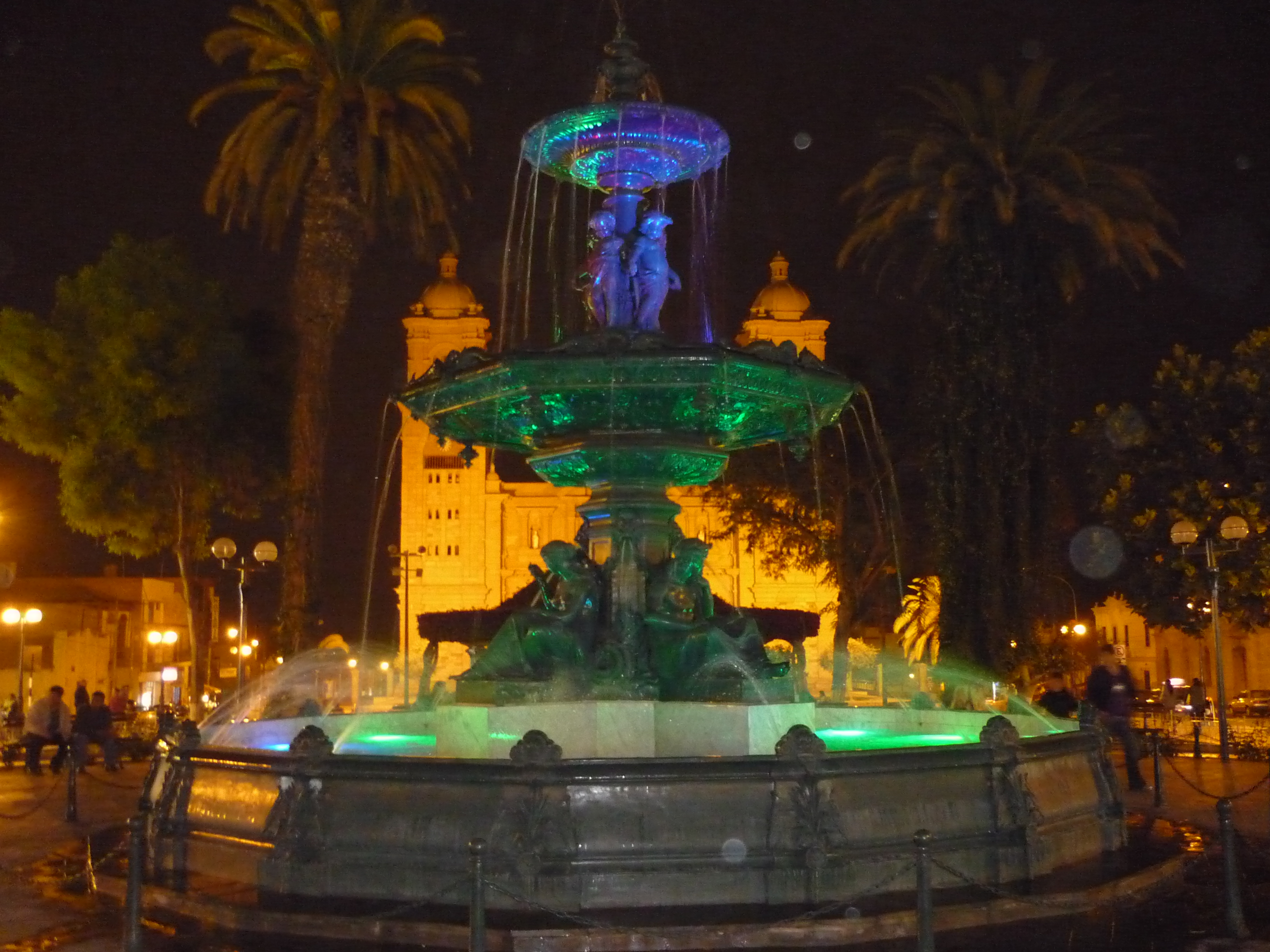
Pileta Ornamental de Tacna – A Hidden Fountain Gem in Southern Peru
If you’re wandering the historic streets of Tacna, the city’s most southerly gateway to Peru, you’ll soon hear the gentle splash of water echoing through the plaza. That sound belongs to the Pileta Ornamental de Tacna, a modest yet charming fountain that has become a favorite meeting point for locals and travelers alike. In this guide we’ll explore why this fountain deserves a spot on your Tacna itinerary, how to get there, the best time to visit, and what else you can discover nearby.
1. Introduction
Imagine stepping into a sun‑kissed square where the rhythmic flow of water creates a cool oasis amid the desert‑like climate of southern Peru. The Pileta Ornamental de Tacna offers exactly that—a tranquil pause in the heart of a bustling city. Though it may not boast the grandeur of Europe’s historic fountains, its simple elegance, central location, and authentic local vibe make it a must‑see for anyone exploring Tacna. Whether you’re a photography enthusiast hunting for that perfect splash shot, a history buff tracing the city’s colonial roots, or simply a traveler craving a peaceful spot to sip a café, this fountain delivers.
2. About Pileta Ornamental de Tacna
Description
The Pileta Ornamental de Tacna is a stone‑lined basin crowned with a modest water jet that rises and falls in a graceful rhythm. Set at coordinates ‑18.013955, ‑70.251182, the fountain sits at the intersection of two lively avenues, surrounded by colonial‑style buildings, cafés, and street vendors. Its design reflects the early‑20th‑century neoclassical influences that shaped many public works in Tacna during the post‑War of the Pacific reconstruction era.
History & Significance
While exact construction dates are scarce, the fountain emerged as part of Tacna’s urban beautification projects in the early 1900s, a period when the city was re‑establishing its identity after being under Chilean administration for several decades. The Pileta Ornamental quickly became a civic symbol—an emblem of renewal, community, and the enduring flow of Peruvian culture.
Today, the fountain serves as a social hub: locals gather here for impromptu conversations, children play nearby, and tourists pause to capture the gentle spray against a backdrop of historic façades. Its presence underscores Tacna’s blend of heritage and everyday life, reminding visitors that even the simplest public spaces can hold deep cultural resonance.
3. How to Get There
By Air
The nearest gateway is Coronel FAP Carlos Ciriani Santa Rosa International Airport (TCQ), located about 15 km north of the city center. From the airport, you can:
| Option | Approx. Time | Cost (USD) | Notes |
|---|---|---|---|
| Taxi | 20‑30 min | $8‑$12 | Fixed‑rate taxis are available outside the arrivals hall. |
| Ride‑share (e.g., Uber, Cabify) | 20‑30 min | $7‑$10 | App‑based pricing, usually slightly cheaper than taxis. |
| Airport shuttle + city bus | 45‑60 min | $3‑$5 | Shuttle to the main bus terminal, then city bus #1 to the plaza. |
By Bus
Tacna is a major stop on the Peruvian inter‑city bus network. Long‑distance buses from Arequipa, Moquegua, and even Santiago (Chile) arrive at the Terminal de Buses de Tacna. From the terminal:
- Taxi – 10‑15 min, $5‑$7.
- City bus – Line 1 (Plaza San Martín) stops within a 2‑minute walk of the fountain.
By Car
If you’re driving the famous Pan‑American Highway (Route 1), Tacna lies just before the border crossing to Chile. Parking in the historic center can be limited, but there are several metered street spots and small private lots near the plaza.
Walking & Public Transport
The fountain sits in the central plaza, a short walk from most downtown hotels, restaurants, and the Tacna Cathedral. The city’s compact layout makes it easy to explore on foot, and the free municipal shuttle circulates every 15 minutes between key attractions, including the Pileta Ornamental.
4. Best Time to Visit
Tacna enjoys a desert climate—sunny days year‑round with minimal rainfall. However, temperature swings can affect comfort:
| Season | Avg. High (°C) | Avg. Low (°C) | Why Visit? |
|---|---|---|---|
| Summer (Dec‑Feb) | 28‑33 | 15‑18 | Long daylight, vibrant street festivals. |
| Autumn (Mar‑May) | 24‑28 | 12‑15 | Pleasant evenings, fewer crowds. |
| Winter (Jun‑Aug) | 18‑22 | 5‑9 | Cooler mornings, ideal for photography without harsh glare. |
| Spring (Sep‑Nov) | 22‑26 | 10‑13 | Blooming bougainvillea around the plaza, perfect for Instagram shots. |
Peak recommendation: Late March to early May and late September to early November. During these shoulder months, the weather is comfortable, the city is lively but not overcrowded, and the fountain’s water sparkle is especially striking under the soft golden light.
5. What to Expect
Visual & Sensory Experience
Approaching the Pileta Ornamental, you’ll first notice the soft murmur of water—a refreshing contrast to the dry desert air. The stone basin, polished by years of foot traffic, reflects the surrounding colonial façades, creating a miniature mirror of the plaza. In the evenings, subtle lighting casts a gentle glow on the water jet, turning the fountain into a romantic focal point for locals enjoying a night stroll.
Social Atmosphere
- Coffee Breaks: Small cafés line the square; it’s common to see travelers sipping a café con leche while watching the fountain’s rhythm.
- Local Gatherings: Residents often meet here for brief chats, especially during market days.
- Family Moments: Children love to toss pebbles into the basin, creating ripples that add a playful element to the scene.
Photo Opportunities
- Golden Hour: Capture the fountain with the warm, low‑angle sunlight that highlights the stone texture.
- Night Shots: The illuminated water jet creates a captivating bokeh effect—perfect for long‑exposure photography.
- Street Life: Combine the fountain with nearby street vendors, colorful umbrellas, and historic buildings for a vibrant, storytelling composition.
6. Nearby Attractions
While the Pileta Ornamental de Tacna is a highlight on its own, it sits within a short walking radius of several other points of interest—most of them charming fountains that together form a “water trail” through the city center.
| Attraction | Distance | What to See | Link |
|---|---|---|---|
| Fountain #1 (Unnamed) | 0.1 km | Small stone basin with decorative tiles | (link placeholder) |
| Fountain #2 (Unnamed) | 0.2 km | Elegant marble jet surrounded by a garden | (link placeholder) |
| Fountain #3 (Unnamed) | 0.2 km | Historic bronze sculpture integrated into the water feature | (link placeholder) |
| Fountain #4 (Unnamed) | 0.4 km | Modern design with LED lighting for night shows | (link placeholder) |
| Fountain #5 (Unnamed) | 0.5 km | Rustic stone pool, popular with locals for cooling off | (link placeholder) |
Other must‑see sites within a 10‑minute walk:
- Tacna Cathedral – A striking neoclassical church with a beautiful interior and panoramic city views from its bell tower.
- Plaza San Martín – The main square, home to the city’s municipal building and vibrant weekend market.
- Museo Ferroviario – A railway museum showcasing Tacna’s role in the historic Trans‑Andean train routes.
- Casa del Corregidor – A restored colonial mansion now serving as a cultural center and art gallery.
7. Travel Tips
| Tip | Details |
|---|---|
| Stay Hydrated | Even in cooler months, the sun can be intense. Carry a reusable water bottle. |
| Dress in Layers | Mornings can be chilly (especially June‑August); bring a light jacket. |
| Cash is King | Small vendors around the fountain prefer soles; ATMs are available nearby. |
| Respect Local Customs | The fountain area is a communal space; keep noise low and avoid littering. |
| Timing for Photos | Arrive early (7‑8 am) for fewer crowds and softer light; return at sunset for dramatic colors. |
| Safety | Tacna’s downtown is safe during daylight. At night, stick to well‑lit streets and keep an eye on personal belongings. |
| Connectivity | Free Wi‑Fi is offered at several cafés around the plaza; a local SIM card (Claro, Movistar) works well for navigation. |
| Currency Exchange | Exchange rates are favorable at the airport and the central bank office in the city center. |
| Language | Spanish is the primary language; learning a few basic phrases (e.g., “¿Cuánto cuesta?”) goes a long way. |
| Cultural Events | Check the municipal calendar for festivals; the fountain often serves as a stage for live music during the Fiestas Patrias in July. |
Final Thoughts
The Pileta Ornamental de Tacna may be modest in size, but it encapsulates the spirit of a city that thrives on community, history, and the gentle flow of everyday life. By placing this fountain on your travel itinerary, you’re not just checking off another tourist spot—you’re stepping into a living piece of Tacna’s heritage. So, pack your camera, sip a café, and let the soothing splash guide you through the heart of southern Peru.
Ready to explore Tacna? Book your flight, hop on a bus, or simply wander from the airport—your adventure begins at the fountain.