Catarata del Gocta – The Hidden Waterfall Gem of Amazonas, Peru
If you’ve ever dreamed of standing beneath a curtain of mist in the heart of the Amazon, Catarata del Gocta is the place where that dream becomes reality. Tucked away near the small community of Churuja, this spectacular waterfall offers an unforgettable blend of raw nature, cultural intrigue, and off‑the‑beaten‑path adventure.
About Catarata del Gocta
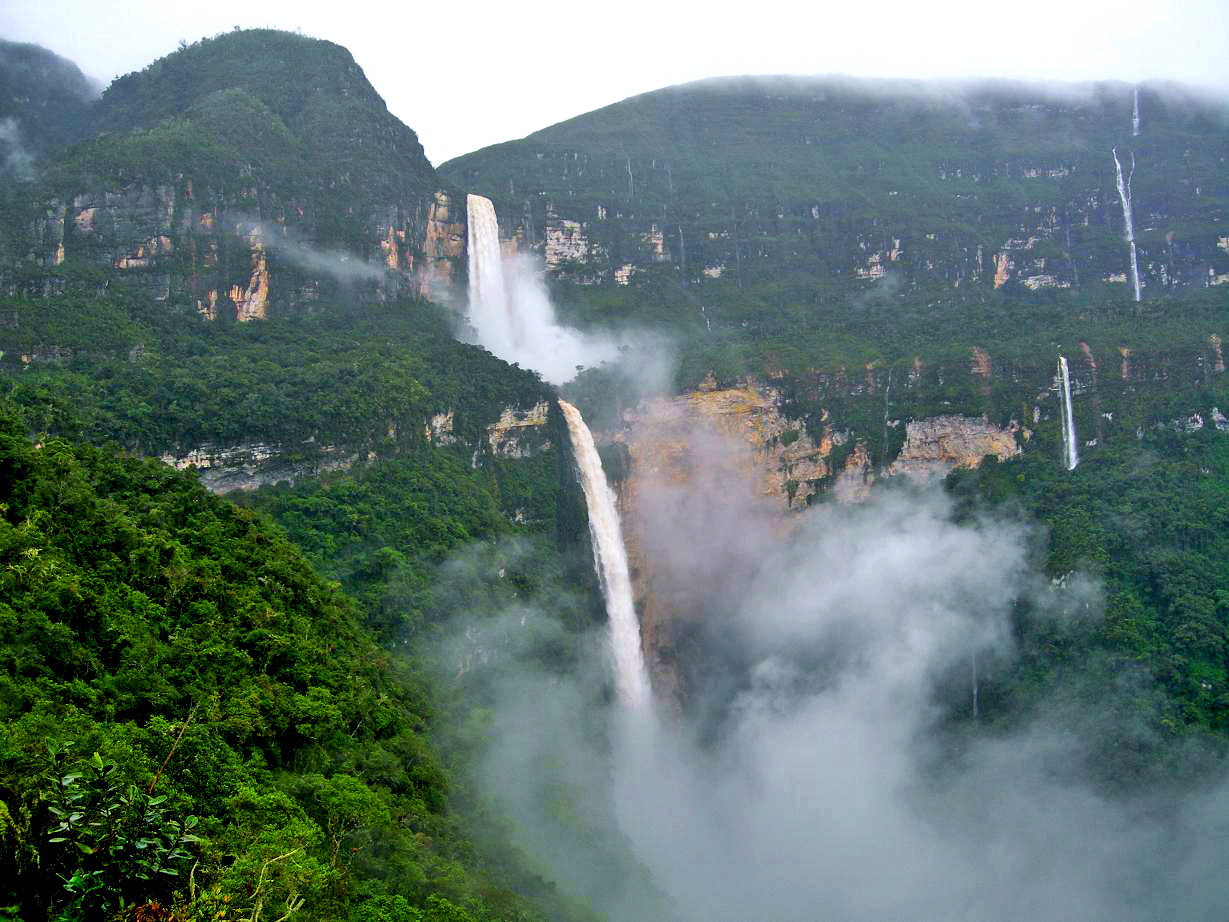
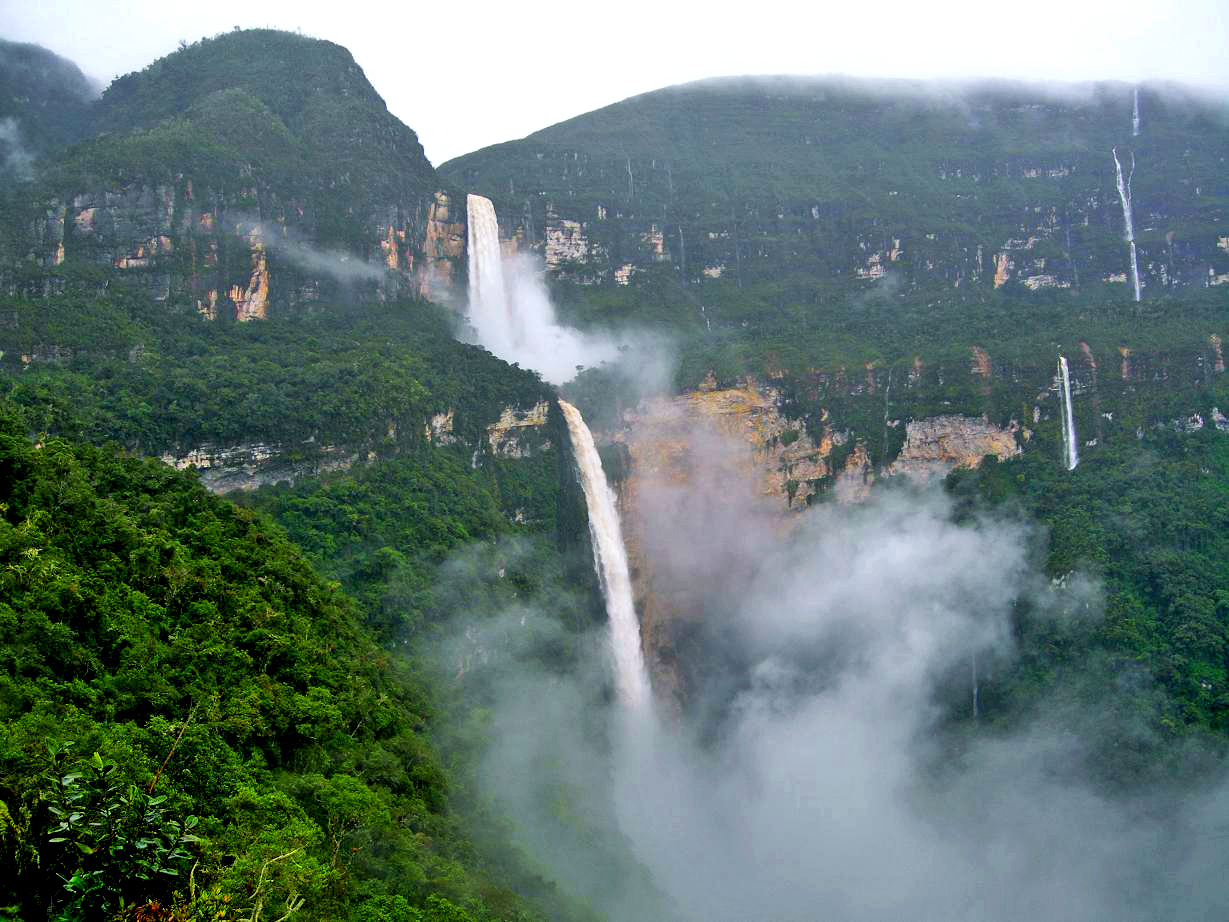
Catarata del Gocta (also known simply as Goja) is a majestic waterfall perched in the rugged terrain of the Peruvian Amazon. Located at ‑6.023121, ‑77.886985 in the Churuja district of the Amazonas region, the falls tumble down a sheer cliff surrounded by dense cloud forest.
History & Significance
The waterfall was first documented by the outside world in the early 2000s, but for generations the local indigenous communities have known its existence, weaving it into oral histories and traditional rituals. The name “Gocta” is believed to derive from the Quechua word for “waterfall” or “cascade,” reflecting the deep connection between the natural feature and the people who live nearby.
Since its discovery, Catarata del Gocta has quickly become a symbol of Peru’s untapped eco‑tourism potential. Conservation groups have highlighted the site as a critical habitat for endemic birds, amphibians, and orchids, making it a focal point for sustainable tourism initiatives in the Amazonas department.
How to Get There
Reaching Catarata del Gocta is an adventure in itself, but the journey is part of the allure. Here’s a step‑by‑step guide for the most common routes:
| Step | Details |
|---|---|
| 1. Fly to Amazonas | The nearest major airport is Jaén (JAE), with regular flights from Lima. From Jaén, you can catch a local bus or arrange a private transfer to the town of Chachapoyas (≈ 2‑hour drive). |
| 2. Travel to Churuja | From Chachapoyas, hire a 4×4 vehicle or join a guided tour heading north toward the Churuja district. The road is partly unpaved and can be muddy during the rainy season, so a high‑clearance vehicle is recommended. |
| 3. Trailhead to the Falls | The actual trail to the waterfall starts a short walk from the main road (about 300 m). A well‑marked path leads through cloud forest, with several viewpoints along the way. The hike to the base of the falls takes roughly 1–1.5 hours depending on fitness level. |
| 4. Optional Guided Tours | Many local operators in Churuja offer half‑day tours that include transport, a guide, and a light snack. Booking in advance helps guarantee a spot, especially during peak season. |
Travel tip: If you’re coming from Lima, consider spending a night in Chachapoyas to break up the journey and explore the historic city before heading to the waterfall.
Best Time to Visit
Catarata del Gocta is a year‑round destination, but the experience varies with the seasons:
| Season | Weather | What to Expect |
|---|---|---|
| Dry Season (May – October) | Clear skies, lower humidity, less rain on the trail. | Easier trekking conditions; the waterfall’s flow may be moderate, but visibility for photography is excellent. |
| Wet Season (November – April) | Frequent showers, higher river levels, misty atmosphere. | The cascade is at its most powerful, creating dramatic mist and rainbows. Trail can be slippery, so sturdy boots and rain gear are essential. |
Peak visitation tends to occur in July and August, when many travelers from the Southern Hemisphere take their holidays. If you prefer a quieter experience, aim for the shoulder months of May, September, or early November.
What to Expect
The Approach
The trail to Catarata del Gocta winds through a lush cloud forest teeming with life. Expect to hear the chorus of hummingbirds, toucans, and howler monkeys as you ascend. The path is well‑maintained but includes a few steep sections and wooden boardwalks over small streams.
The View
When you finally reach the viewing platform, the waterfall reveals itself in all its glory—a towering sheet of water plunging into a deep, emerald pool below. The mist creates a natural veil, and on sunny days you’ll often see vivid rainbows arcing across the spray. The sound of the cascade is both thunderous and soothing, providing a perfect backdrop for a moment of contemplation.
Activities
- Photography: The combination of mist, foliage, and light makes for stunning shots. Bring a waterproof cover for your camera.
- Birdwatching: The surrounding forest is a hotspot for endemic species such as the Andean cock-of-the-rock and several hummingbird varieties.
- Picnicking: Small picnic tables are available near the base of the falls—just remember to pack out all trash.
Nearby Attractions
While Catarata del Gocta is the star of the show, the surrounding area offers several other natural wonders worth exploring:
- Catarata del Gocta (waterfall) – The main attraction, located just 0.3 km away.
- [Unnamed Waterfall] – A smaller cascade situated 1.0 km from Gocta, perfect for a quick detour.
- Chorro Negro (waterfall) – A striking black‑rock waterfall 3.5 km away, known for its dramatic rock formations.
- Catarata de Golondrina (waterfall) – A bird‑watcher’s paradise 3.6 km from Gocta, where swifts nest on the cliff face.
- Gocta Natura Reserve (waterfall) – A protected area 3.6 km away that offers guided hikes, butterfly gardens, and educational exhibits about the Amazonian ecosystem.
These sites can be combined into a full‑day itinerary, especially if you hire a local guide who knows the best routes and hidden viewpoints.
Travel Tips
| Tip | Why It Matters |
|---|---|
| Pack waterproof gear | Even in the dry season, the waterfall’s mist can soak you quickly. A lightweight rain jacket and zip‑lock bags for electronics are essential. |
| Wear sturdy hiking boots | The trail includes wet rocks and occasional mud, especially during the rainy months. |
| Bring insect repellent | The Amazon basin is home to mosquitoes and other insects. DEET‑based repellents work best. |
| Stay hydrated | Altitude isn’t extreme, but the humidity can be draining. Carry at least 1.5 L of water per person. |
| Respect local customs | The surrounding communities are proud of their cultural heritage. Ask permission before taking photos of people, and consider buying a small souvenir to support the local economy. |
| Leave no trace | The area is fragile; pack out all trash, avoid picking plants, and stay on marked paths. |
| Check road conditions | During the wet season, some access roads can become impassable. Contact your guide or a local tourism office the day before departure. |
| Carry cash | Small towns like Churuja often accept only cash (soles) for meals, transport, and entrance fees. |
Final Thoughts
Catarata del Gocta may not have the global fame of Machu Picchu, but its raw beauty, serene surroundings, and authentic cultural vibe make it a must‑visit for any traveler seeking a deeper connection with Peru’s Amazonian heart. Whether you’re chasing waterfalls, photographing mist‑kissed cliffs, or simply yearning for a peaceful escape into nature, Gocta delivers an experience that lingers long after you leave the trail.
Pack your sense of adventure, respect the land, and let the cascade of Catarata del Gocta wash away the ordinary. Safe travels!