Catarata de Yumbilla – The Hidden Waterfall Gem of Amazonas, Peru
If you think you’ve seen all of Peru’s natural wonders, think again. Tucked away in the mist‑covered hills of Cuispes, the Catarata de Yumbilla drops like a silver curtain from the sky, offering a breathtaking encounter with raw, untouched beauty. This is the waterfall that makes every trekker’s heart race and every photographer’s lens tremble with excitement.
1. Introduction
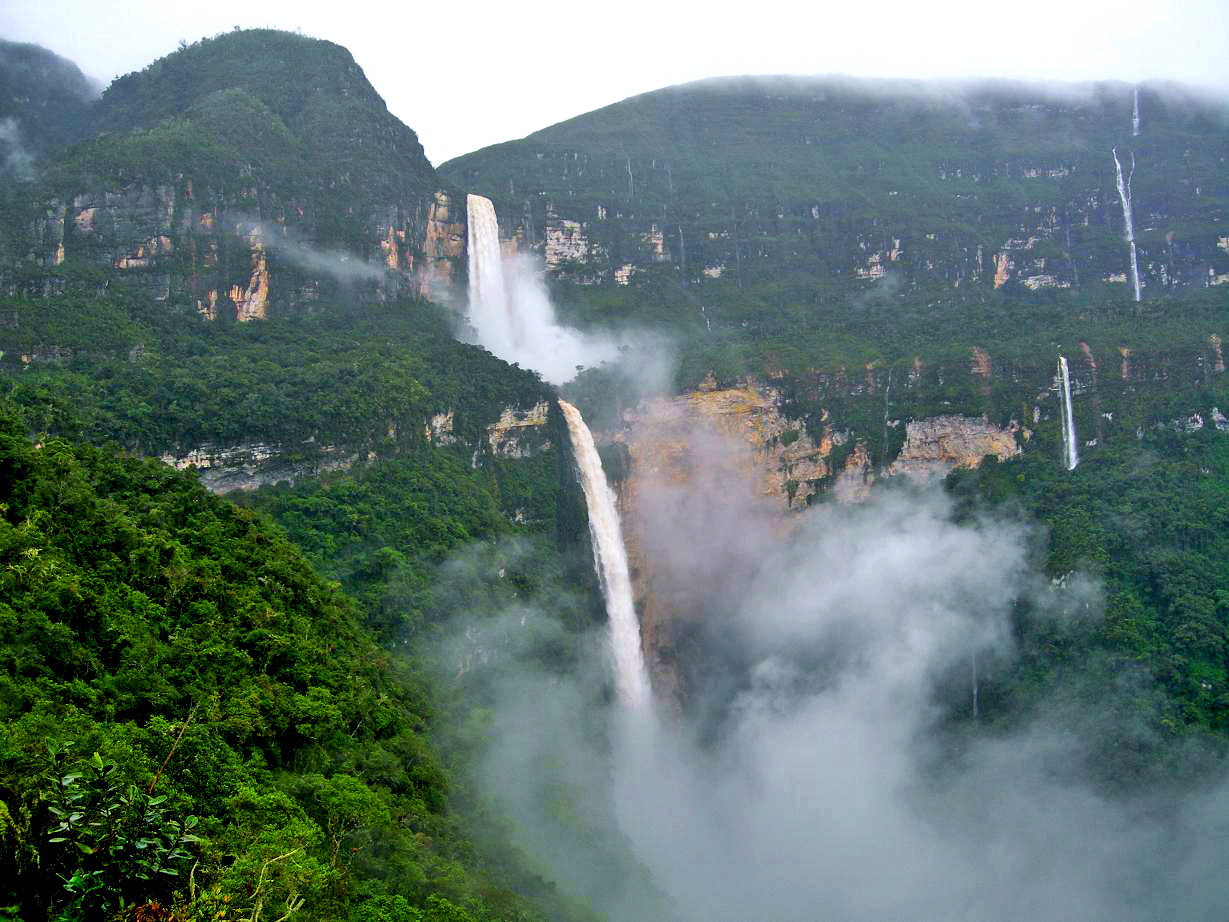
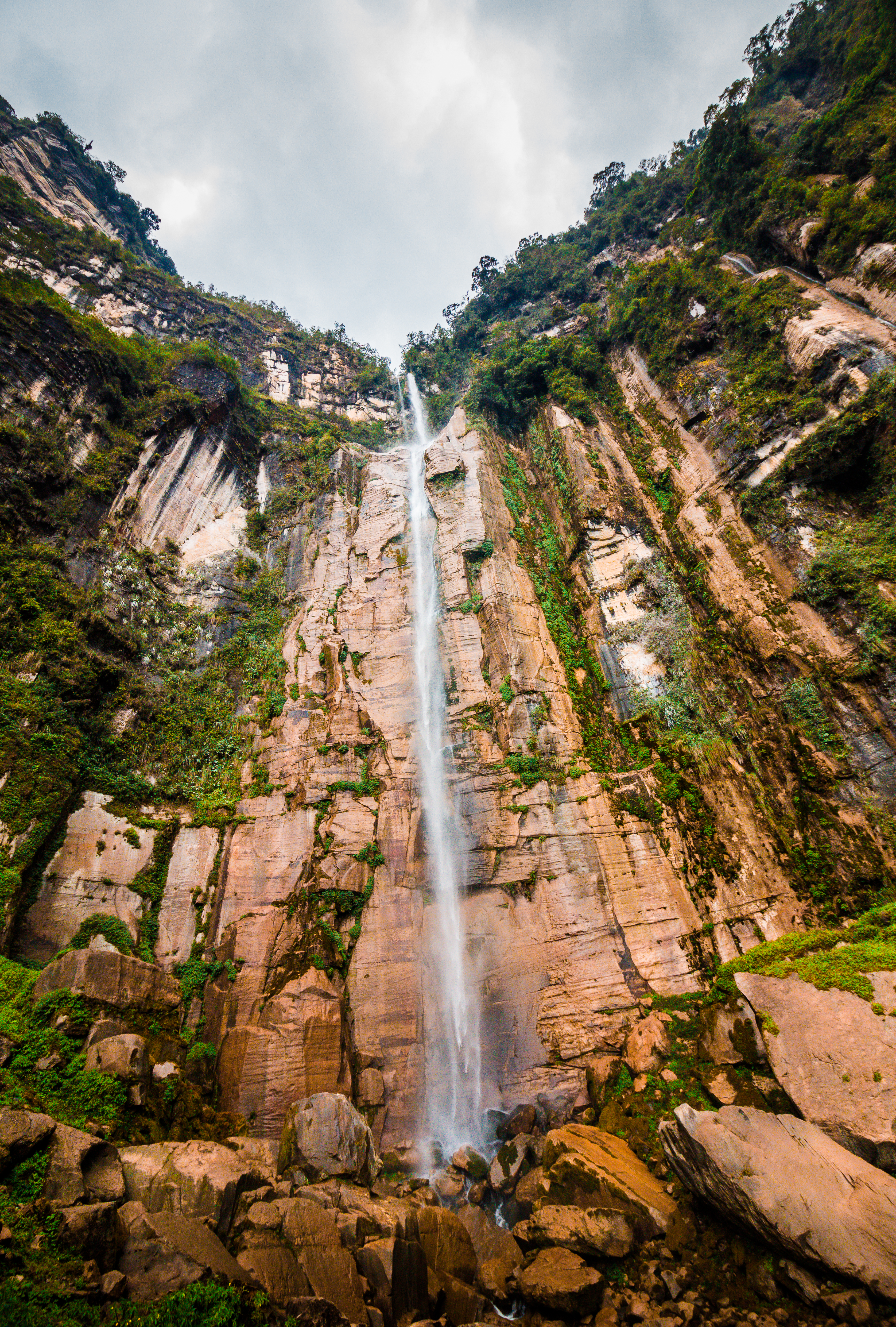
Imagine standing on a moss‑laden trail, the air thick with the scent of damp earth and wild orchids. Ahead, a roar builds, growing louder with each step until the forest opens to reveal a towering cascade—water thundering down a sheer cliff, splashing into a crystal‑clear pool below. That moment is the essence of Catarata de Yumbilla, one of the most spectacular—and least‑known—waterfalls in the Peruvian Amazon.
Located in the remote district of Cuispes, Amazonas, Yumbilla is more than a photo‑op; it’s a living piece of the region’s cultural and ecological heritage. Whether you’re a seasoned backpacker, a nature‑lover, or simply looking for a unique off‑the‑beaten‑path adventure, Yumbilla promises an unforgettable experience that blends awe‑inspiring scenery with the warm hospitality of local communities.
2. About Catarata de Yumbilla
What Makes Yumbilla Special?
Catarata de Yumbilla (Spanish for “Yumbilla Waterfall”) is a waterfall that plunges from the highlands of the Amazonas region, dropping into a pristine basin surrounded by cloud‑forest vegetation. While the exact height and altitude are not officially published, the waterfall is widely regarded as one of the tallest in Peru, rivaling the country’s most famous cascades.
The waterfall’s coordinates are ‑5.918942, ‑77.901774, placing it deep within the Andean‑Amazonian transition zone—a region where cloud forests meet steep mountain slopes. This unique geography creates a micro‑climate that sustains an abundance of endemic flora and fauna, making the area a hotspot for biodiversity.
A Brief History
Yumbilla has been part of the local Chachapoyas culture for centuries. The name “Yumbilla” is believed to derive from the Quechua word yumbilla, meaning “water that falls from the sky.” Indigenous families have historically used the surrounding lands for agriculture, weaving the waterfall into their myths and daily life.
In recent decades, Yumbilla has attracted adventurous travelers and researchers alike, drawn by its dramatic drop and relatively untouched surroundings. The Peruvian government, recognizing its ecological value, has promoted sustainable tourism initiatives to protect the waterfall and the surrounding cloud forest.
Why It Matters
- Ecological significance – The waterfall feeds a series of streams that nourish the cloud forest, supporting rare orchids, bromeliads, and bird species such as the Andean cock-of-the-rock.
- Cultural heritage – Local communities view Yumbilla as a spiritual landmark, often incorporating it into traditional festivals and storytelling.
- Adventure tourism – Its remote location makes Yumbilla a perfect destination for trekkers seeking a genuine, low‑impact experience.
3. How to Get There
Getting to Cuispes
- Fly to Jaén or Chachapoyas – The nearest airports are Jaén (JAE) and Chachapoyas (CHH). Both receive daily flights from Lima.
- Bus or shared taxi to Cuispes – From either airport, you can catch a regional bus or hire a shared taxi to the town of Cuispes (≈ 2‑3 hours). Buses depart regularly from the main terminals in Jaén and Chachapoyas.
From Cuispes to the Trailhead
- Local transport – In Cuispes, you’ll find motorbike taxis (known locally as “mototaxis”) that can take you to the trailhead at the edge of the village. The ride costs a modest fee (usually around 5‑10 PEN).
- Walking – If you prefer a short hike, the trailhead is only a 15‑minute walk from the central plaza.
The Trek to the Waterfall
- Distance: Approximately 2 km each way, with a moderate elevation gain.
- Duration: 45 minutes to 1 hour one‑way, depending on fitness and weather.
- Trail condition: The path is a well‑marked, natural dirt track that can become slippery after rain. Good hiking boots and a walking stick are recommended.
Practical Tips
| Step | What to Do | Approx. Time |
|---|---|---|
| Fly into Lima → Jaén/Chachapoyas | Book early morning flights for smoother connections | 1‑2 hrs |
| Bus/Taxi to Cuispes | Purchase tickets at the terminal or arrange a private transfer | 2‑3 hrs |
| Mototaxi to trailhead | Negotiate price before boarding | 10 min |
| Hike to Yumbilla | Follow signage, stay on the path, enjoy the forest sounds | 45‑60 min |
4. Best Time to Visit
Yumbilla’s flow is heavily influenced by the rainy season (December – April). During these months, the waterfall is at its most powerful, creating a spectacular mist that blankets the surrounding forest. However, heavy rains can also make the trail muddy and more challenging.
- Peak season (December – March) – Expect a thunderous cascade, lush vegetation, and frequent cloud cover. Ideal for photographers seeking dramatic lighting.
- Shoulder season (May – November) – Water flow is still impressive, but the trail is drier, making the hike easier. You’ll also enjoy clearer skies and better visibility for panoramic views.
Recommendation: For a balance of impressive water volume and manageable trail conditions, aim for late May to early October. Pack a waterproof jacket regardless of season—mountain weather can change quickly.
5. What to Expect
The Sensory Experience
- Sight – A towering veil of water plunges down a sheer rock face, framed by emerald moss and towering ferns. The pool at the base reflects the sky like a natural mirror.
- Sound – The roar of the cascade is both exhilarating and soothing, a constant reminder of nature’s raw power.
- Smell – The air is thick with the earthy aroma of wet soil, pine needles, and wild orchids.
- Touch – If you brave the mist, droplets will kiss your skin, leaving a refreshing chill.
Wildlife Encounters
The cloud forest surrounding Yumbilla is home to a variety of birds, including hummingbirds, tanagers, and the iconic Andean cock-of-the-rock. Keep an eye out for small mammals such as agoutis and the occasional spectacled bear in the deeper forest.
Photographic Highlights
- Long exposure shots of the waterfall’s silky flow.
- Panoramic vistas from the viewpoint above the cascade.
- Close‑ups of the intricate mosses and lichens that cling to the rock face.
Amenities
Cuispes offers a handful of family‑run guesthouses and eco‑lodges. Most provide basic comforts—shared bathrooms, hot water, and homemade Peruvian meals (think cuy stew, quinoa soup, and fresh fruit). There are no commercial facilities at the waterfall itself, so bring water, snacks, and a packed lunch.
6. Nearby Attractions
While Yumbilla is the star, the surrounding area brims with additional waterfalls and natural sites that can easily be added to a day‑trip itinerary.
| Attraction | Distance from Yumbilla | What to See |
|---|---|---|
| Catarata Cristal | 0.6 km | A crystal‑clear cascade that creates a natural swimming pool—perfect for a quick dip. |
| Catarata Medio Cerro | 0.9 km | A mid‑sized waterfall nestled in a narrow gorge, offering excellent photo angles. |
| Catarata Pabellón (Amazonas) | 3.0 km | A series of tiered falls that resemble a grand pavilion of water. |
| Catarata Pabellón (Huánuco) | 3.8 km | Another spectacular cascade located just across the regional border—great for a longer hike. |
| Catarata de Chinata | 4.0 km | A secluded waterfall surrounded by dense forest, ideal for bird‑watching. |
Quick Links:
- Catarata Cristal
- Catarata Medio Cerro
- Catarata Pabellón – Amazonas
- Catarata Pabellón – Huánuco
- Catarata de Chinata
These sites can be explored on foot or by hiring a local guide with a motorbike, turning a single‑day visit into a full waterfall‑hopping adventure.
7. Travel Tips
| Tip | Details |
|---|---|
| Pack Light, Pack Right | Waterproof backpack, quick‑dry clothing, sturdy hiking boots, and a rain cover for your camera gear. |
| Stay Hydrated | Altitude and humidity can dehydrate you quickly. Carry at least 1.5 L of water per person. |
| Hire a Local Guide | Guides from Cuispes know the safest routes, can share cultural stories, and often speak basic English. |
| Respect the Environment | Stick to marked trails, avoid littering, and never disturb wildlife. The area is part of a delicate cloud‑forest ecosystem. |
| Cash is King | ATMs are scarce outside larger towns. Bring enough Peruvian soles for transport, meals, and tips. |
| Health Precautions | Bring a small first‑aid kit, insect repellent, and consider altitude medication if you’re sensitive. |
| Connectivity | Mobile signal is limited; download offline maps (e.g., Maps.me) before you leave. |
| Cultural Etiquette | Greet locals with a friendly “¡Hola!” and ask permission before taking portraits of people. |
Closing Thoughts
Catarata de Yumbilla is more than a waterfall; it’s a gateway to the soul of the Peruvian Amazon. Its powerful cascade, enveloped by mist‑kissed cloud forests, offers a rare blend of adventure, tranquility, and cultural immersion. Whether you’re chasing the perfect waterfall photograph, seeking a challenging hike, or simply yearning to stand in awe of nature’s grandeur, Yumbilla delivers an experience that stays with you long after you’ve left the trail.
So lace up your boots, pack your sense of wonder, and set your compass for Cuispes, Amazonas. The roar of Yumbilla is waiting—answer the call. 🌊✨