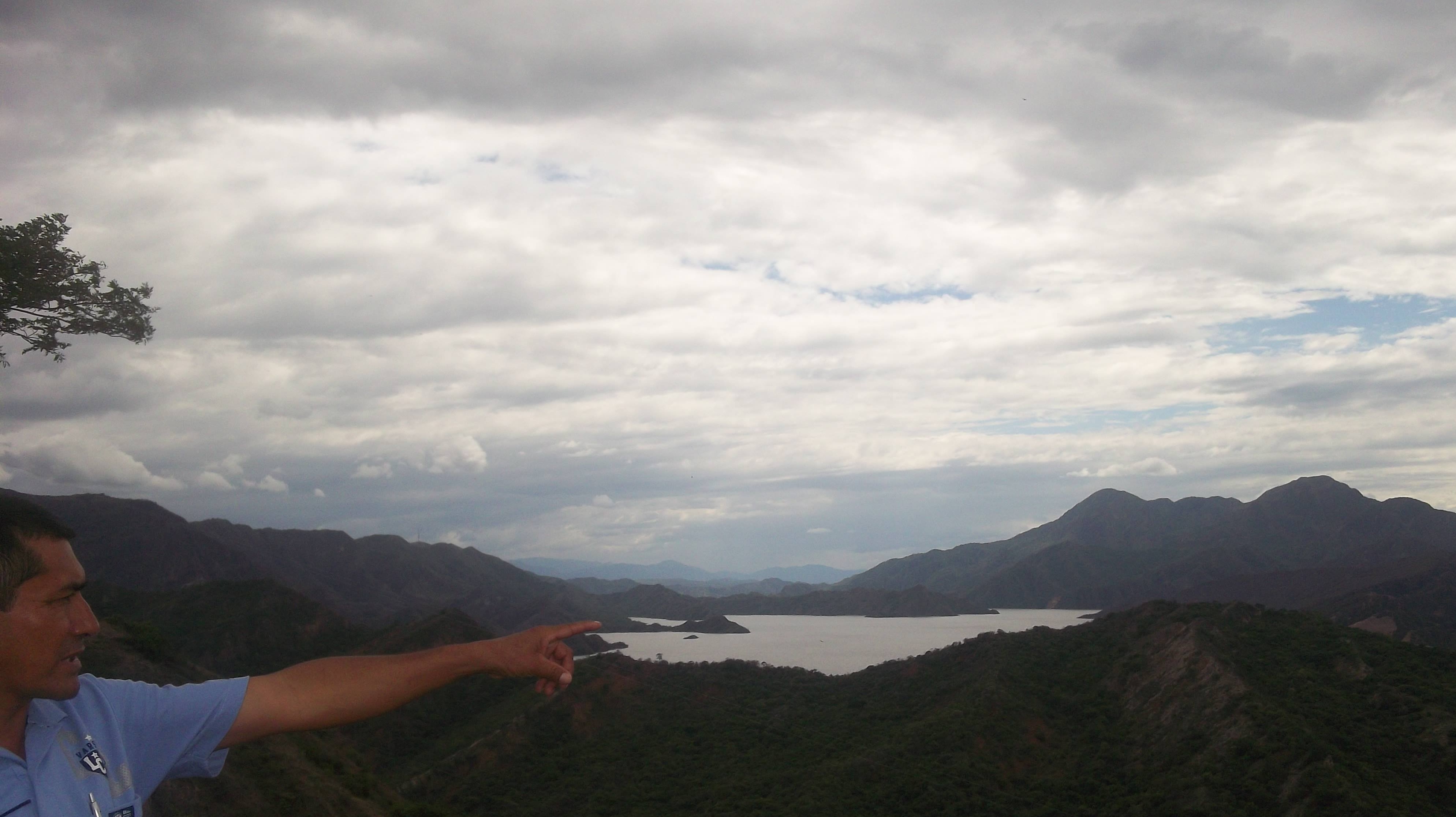
El Quimbo Dam – A Hidden Engineering Marvel in Huila, Colombia
Discover the awe‑inspiring concrete giant that powers the Colombian Andes and the natural wonders that surround it.
Introduction
If you think Colombia’s travel bucket list is limited to coffee plantations, colonial towns, and Caribbean beaches, think again. Nestled in the rugged valleys of the Huila department, the El Quimbo dam (🏗️) rises 151 meters above the riverbed, offering a dramatic blend of modern engineering and raw Andean scenery. Whether you’re a photography enthusiast, a hydro‑energy geek, or simply a traveler looking for off‑the‑beaten‑path sights, El Quimbo is a compelling stop that promises unforgettable vistas and a glimpse into Colombia’s sustainable power future.
About El Quimbo
- Location: Gigante, Huila, Colombia
- Coordinates: 2.448546 ° N, ‑75.563978 ° W
- Height: 151 m (almost the length of a football field)
Built as part of Colombia’s ambitious hydro‑electric program, the Represa del Quimbo is one of the country’s most significant dams. Its massive concrete wall harnesses the flow of the Río Magdalena to generate clean electricity for millions of households. The project sparked extensive environmental and social discussions, making the dam not only a technical feat but also a focal point for sustainable development debates in the region.
For a deeper dive into its history and technical specs, check out the Spanish‑language Wikipedia entry: Represa del Quimbo.
How to Get There
By Air
The closest major airport is Neiva International Airport (NVA), about 70 km (≈ 45 mi) north of Gigante. From Neiva, you can rent a car or catch a local bus heading toward the town of Gigante.
By Bus
Regular inter‑city buses run from Neiva, Ibagué, and Pasto to Gigante. Ask the driver to drop you off at the El Quimbo turn‑off (signage for the dam is usually visible on the main highway, Ruta 45).
By Car
If you prefer driving, follow these simple steps:
- From Neiva: Take the Ruta 45 south toward Gigante.
- After about 60 km, look for the El Quimbo exit on the right‑hand side.
- Follow the paved road for roughly 800 m; you’ll see the dam’s towering concrete wall ahead.
Parking is available at the official visitor area, but it can fill up during peak weekends, so arrive early.
By Taxi / Rideshare
In Gigante, local taxis can take you directly to the dam for a modest fee. Always agree on a price before departing.
Best Time to Visit
| Season | Weather | Why Visit |
|---|---|---|
| Dry season (December – March) | Clear skies, low humidity | Ideal for panoramic photos of the dam and surrounding mountains. |
| Rainy season (April – November) | Frequent showers, greener landscape | Waterfalls nearby swell dramatically, creating spectacular cascades. |
The dry season offers the best visibility for the dam’s massive structure, while the rainy months turn the nearby waterfalls—Cascada La Serpiente, Cabañas de Pekin, and La Motilona—into roaring spectacles. Pack accordingly: a light rain jacket for the wet months, and sunscreen plus a hat for the sunny days.
What to Expect
The Visual Impact
Approaching El Quimbo, the sheer scale of the concrete wall dominates the horizon. At 151 m high, it dwarfs the surrounding hills, and the turquoise river water rushing past its base adds a striking contrast. There are designated viewpoints equipped with safety railings, benches, and informational panels that explain the dam’s operation and its role in Colombia’s power grid.
Guided Tours
The dam’s management offers guided tours (usually in Spanish, with limited English support) that take you to the control room and the turbine hall. These tours are educational, covering topics such as hydro‑electric generation, environmental mitigation measures, and the dam’s impact on local communities.
Photography Opportunities
- Sunrise: The early light casts golden hues over the concrete façade.
- Sunset: The river reflects fiery colors, perfect for long‑exposure shots.
- Aerial Views: If you have a drone, check local regulations—some zones require permission—but aerial perspectives capture the dam’s relationship with the winding river and the Andean valleys.
Safety & Comfort
The area around the dam is a restricted zone for security reasons. Stay within marked paths, obey all signage, and never attempt to walk along the water’s edge. Facilities include clean restrooms, a small café serving Colombian coffee, and shaded picnic tables.
Nearby Attractions
After soaking in the engineering marvel, explore the natural gems that lie within a 30‑km radius. All distances are measured from the dam’s central visitor point.
| Attraction | Type | Distance | Highlights |
|---|---|---|---|
| Dique (dam) | Dam | 0.8 km | A smaller auxiliary dam; great for quick photo stops. |
| Cascada La Serpiente | Waterfall | 21.7 km | A serpentine cascade hidden in lush forest. |
| Cabañas de Pekín (Cascada La Serpiente Motilona) | Waterfall | 21.8 km | Rustic cabins near the waterfall—ideal for a rustic lunch. |
| Cascada La Serpiente (alternative entry) | Waterfall | 22.6 km | Same waterfall accessed via a different trailhead. |
| La Motilona Sitio Turístico | Waterfall | 22.7 km | A powerful plunge pool perfect for a cool dip (season‑dependent). |
Travel tip: Combine the dam visit with a waterfall day‑trip. Pack a waterproof bag, wear sturdy hiking shoes, and bring a swimsuit if you plan to splash around during the rainy season.
Travel Tips
- Timing: Arrive early (7–8 am) to avoid crowds and secure a good parking spot.
- Dress Code: Light, breathable clothing for the day; a light jacket for early mornings or evenings.
- Footwear: Closed‑toe shoes with good grip; the terrain near the waterfalls can be slippery.
- Hydration & Snacks: There’s a small café, but it’s wise to bring water and energy bars, especially if you plan to hike.
- Currency: Colombian pesos (COP). Many vendors accept cards, but keep cash for small purchases.
- Language: Spanish is the primary language. A few basic phrases (“¿Cuánto cuesta?” “¿Dónde está el baño?”) go a long way.
- Safety: Respect all “No Entry” signs. The dam’s water flow can be dangerous, and the surrounding cliffs are steep.
- Photography: Bring a polarizing filter to reduce glare on the water and enhance the sky’s color.
- Eco‑Responsibility: Carry a reusable water bottle, avoid littering, and stay on marked trails to protect the fragile Andean ecosystem.
Final Thought
El Quimbo isn’t just a concrete wall—it’s a testament to Colombia’s drive toward renewable energy, set against a backdrop of soaring mountains and cascading waterfalls. Whether you’re charting a Huila road trip, seeking photography hotspots, or simply craving a unique travel story, the dam and its surrounding natural attractions deliver a compelling blend of culture, technology, and nature. Pack your bags, charge your camera, and let the roar of the river guide you to one of Colombia’s most impressive—and under‑explored—destinations. Safe travels!


