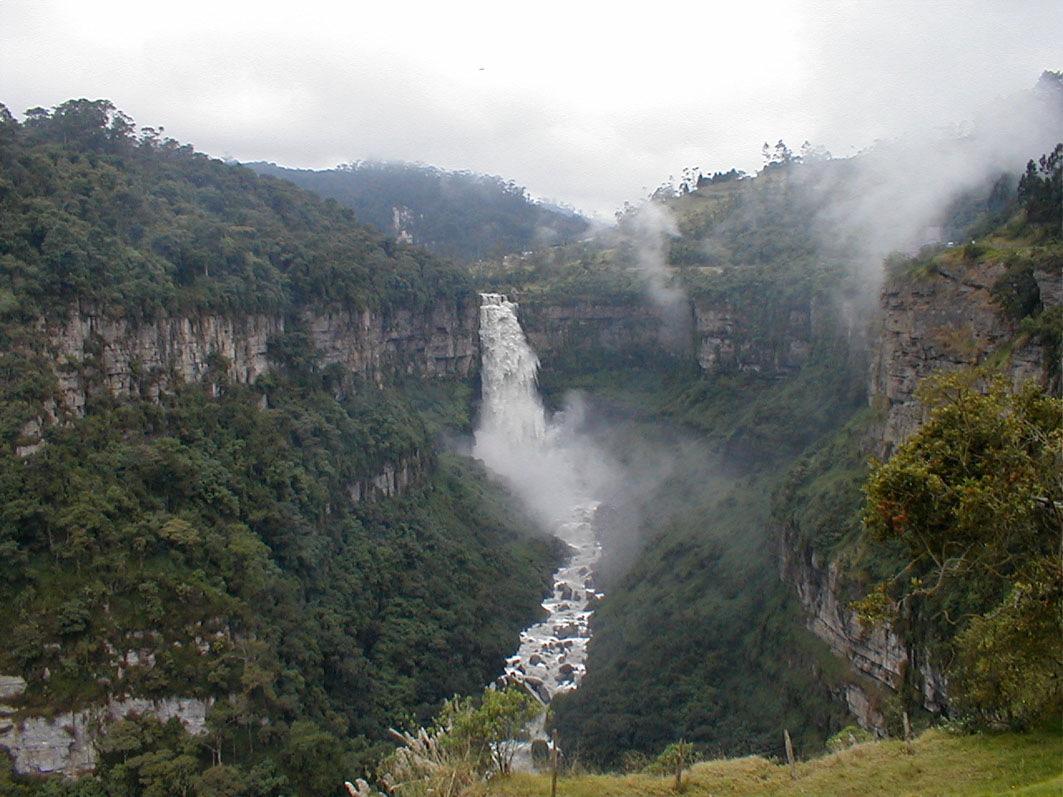
Salto de Tequendama – Colombia’s Majestic 150‑Meter Waterfall
If you’ve ever dreamed of standing at the edge of a roaring cascade that drops 150 meters into a mist‑filled canyon, Salto de Tequendama in Cundinamarca is the place to make that vision a reality.
1. Introduction
Nestled just 30 km south of Bogotá, the Salto de Tequendama (Tequendama Falls) is one of Colombia’s most iconic natural landmarks. Its thunderous roar can be heard from miles away, and the sheer drop of 150 m creates a spectacular veil of water that plunges into a deep gorge. Whether you’re a seasoned trekker, a photography enthusiast, or simply a traveler looking for a dramatic day‑trip from the capital, this waterfall delivers an unforgettable experience that blends raw power with breathtaking scenery.
2. About Salto de Tequendama
A Brief Description
- Location: San Antonio del Tequendama, Cundinamarca, Colombia
- Coordinates: 4.575280 ° N, ‑74.293805 ° W
- Height: 150 m (≈ 492 ft)
The waterfall is formed by the Bogotá River as it tumbles over a basaltic cliff that marks the edge of the Andean plateau. The surrounding canyon is steep, forested, and often shrouded in a fine spray that creates rainbows on sunny days.
History & Cultural Significance
The name Tequendama comes from the indigenous Muisca language, meaning “forest of the hummingbirds” or “place of the falling water.” Long before the Spanish arrived, the Muisca people considered the falls a sacred site, believing the roaring water to be a portal between the earthly realm and the gods.
During the colonial era, the falls became a popular stop for travelers moving between Bogotá and the southern highlands. In the 19th century, the dramatic scenery inspired poets, painters, and early photographers, cementing Salto de Tequendama’s place in Colombian cultural memory. Today, the waterfall remains a symbol of natural power and a reminder of the country’s rich pre‑colonial heritage.
For more in‑depth history, see the Spanish Wikipedia entry on Salto del Tequendama.
3. How to Get There
From Bogotá
-
By Car or Rental SUV – The most flexible option. Take the Autopista Sur (Route 40) heading south toward Soacha. After passing the town of Fusagasugá, follow signs for San Antonio del Tequendama. The drive is about 1 hour 30 minutes (≈ 70 km) and offers panoramic views of the Andean foothills.
-
By Public Bus – Several inter‑municipal bus lines depart from the Terminal de Transporte del Sur in Bogotá. Look for buses heading to San Antonio del Tequendama or Soacha and ask the driver to drop you off at the Presa del Tequendama stop (approximately 0.7 km from the falls). The journey takes roughly 2 hours and costs around COP 5,000–7,000.
-
Guided Day‑Trip Tours – Numerous travel agencies in Bogotá offer half‑day or full‑day tours that include transportation, a guide, and sometimes a stop at the nearby Piedras del Tunjo archaeological park. This is ideal if you prefer a hassle‑free experience.
Parking & Access
A small, free parking lot sits at the base of the canyon. From there, a well‑marked trail (≈ 300 m) leads to a viewing platform that offers a safe, unobstructed vista of the cascade. The path is paved but can be slippery when wet, so sturdy shoes are recommended.
4. Best Time to Visit
| Season | Weather | Visitor Experience |
|---|---|---|
| Dry Season (Dec‑Mar, Jun‑Aug) | Mostly sunny, low humidity | Clear views, vibrant rainbows in the mist, easier trail conditions |
| Rainy Season (Apr‑May, Sep‑Nov) | Frequent showers, higher river flow | More powerful waterfall, but trails can be muddy and visibility may be reduced |
Recommendation: The dry months (December to March) provide the best combination of bright sunlight and comfortable hiking conditions, making it ideal for photography and family visits. If you crave the raw, thundering power of the falls, the early rainy season (April–May) offers a spectacular surge in water volume—just come prepared for wet shoes and possible trail closures.
5. What to Expect
- A Roaring Symphony: As you approach the viewing platform, the sound of water crashing into the gorge becomes a deep, resonant roar that can be felt in your chest.
- Misty Atmosphere: The constant spray creates a cool micro‑climate, often producing vivid rainbows when the sun shines through the mist.
- Panoramic Views: From the platform you can see the full 150 m drop, the steep basalt walls, and the lush vegetation that clings to the canyon sides.
- Photography Opportunities: Early morning light or late afternoon golden hour provides dramatic contrast, while the mist adds a soft, ethereal quality to photos.
- Wildlife Spotting: Keep an eye out for local birds—especially hummingbirds, which the Muisca once associated with the falls—as well as small mammals that inhabit the forested slopes.
6. Nearby Attractions
While Salto de Tequendama is the star attraction, the surrounding area offers several interesting sites that can round out a day trip:
- Presa del Tequendama (Dam) – 0.7 km away. A historic hydro‑electric dam that provides insight into Colombia’s early 20th‑century engineering projects.
- Weir (Small Water Control Structure) – 1.8 km away. A modest structure that showcases local water management techniques.
- Bocatoma Charquito (Weir) – 4.4 km away. Ideal for a quiet walk along a lesser‑known watercourse.
- Additional Dam – 4.7 km away. Offers panoramic views of the reservoir and surrounding hills.
- Presa (Dam) – 4.9 km away. Another historic dam, perfect for photography enthusiasts interested in industrial heritage.
Tip: All of these sites are accessible by car or local taxi and can be visited in a single half‑day if you’re short on time.
7. Travel Tips
| Tip | Why It Matters |
|---|---|
| Wear waterproof shoes | The trail near the falls can be slippery from spray and rain. |
| Bring a lightweight rain jacket | Even in the dry season, mist can make you feel damp. |
| Carry a reusable water bottle | There are limited refreshment stands near the viewing platform. |
| Arrive early | Morning visits avoid crowds and give you the best light for photos. |
| Respect the environment | Stay on marked paths, avoid littering, and do not disturb wildlife. |
| Use a local guide for deeper history | Guides can share Muisca legends and point out hidden viewpoints. |
| Check road conditions | During heavy rains, the access road may be closed; verify before you go. |
| Bring a small binocular | Excellent for spotting birds and distant canyon details. |
Final Thought
Salto de Tequendama isn’t just a waterfall—it’s a living piece of Colombia’s natural and cultural tapestry. Its towering 150‑meter drop, historic significance, and proximity to Bogotá make it a must‑see destination for any traveler exploring the Cundinamarca region. Pack your sense of adventure, follow the practical tips above, and prepare to be humbled by the thunderous beauty of one of South America’s most spectacular cascades.
Ready to chase the mist? Let Salto de Tequendama be the highlight of your Colombian itinerary.
