Discover Barragem de Mãe D'Água – A Hidden Gem in Coremas, Paraíba, Brazil
If you think Brazil is only about samba, beaches, and the Amazon, think again. Nestled in the quiet interior of Paraíba, the Barragem de Mãe D'Água offers a serene escape for travelers who love off‑the‑beaten‑path sights, bird‑watching, and authentic Brazilian countryside vibes.
1. Introduction
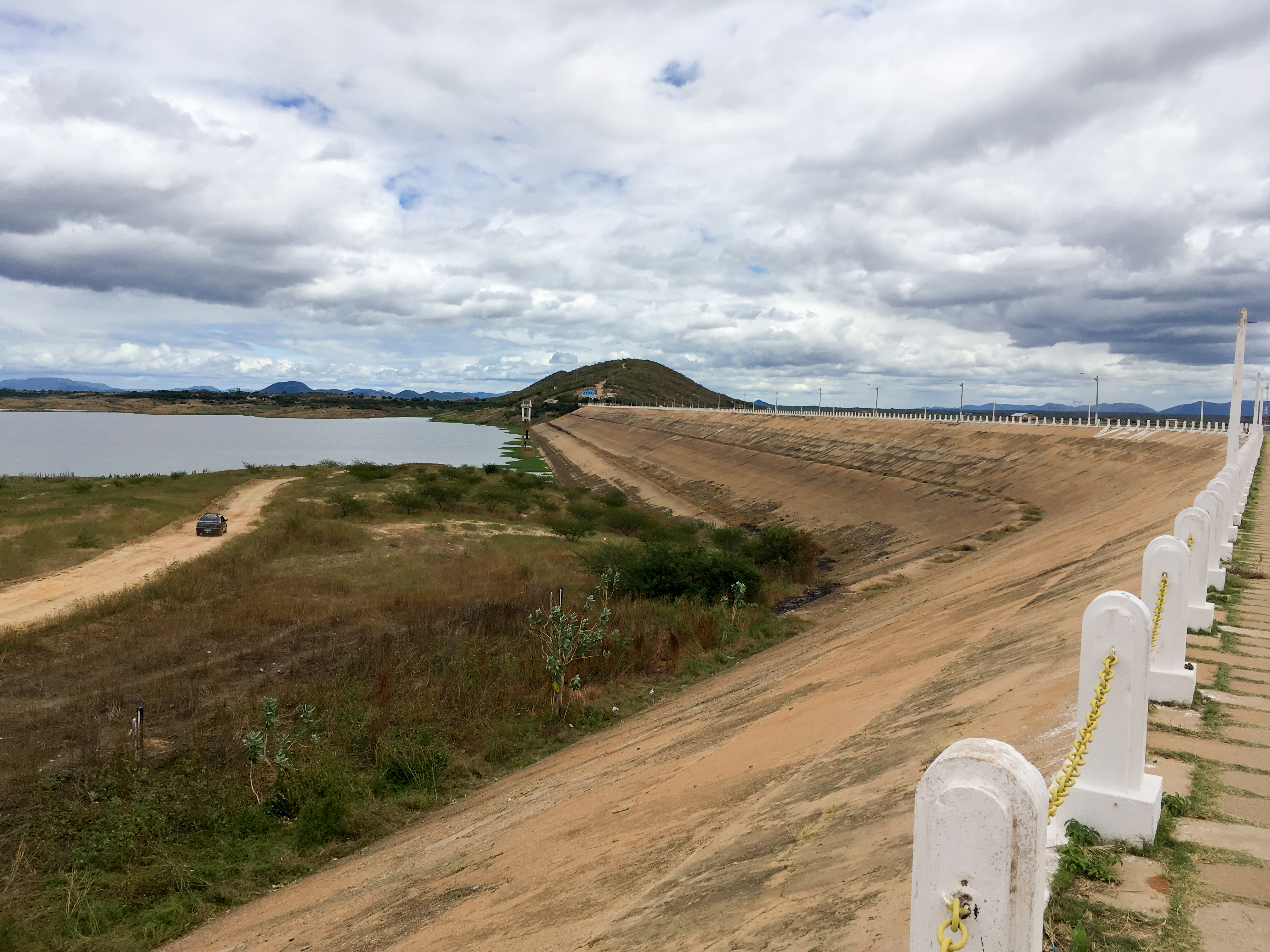
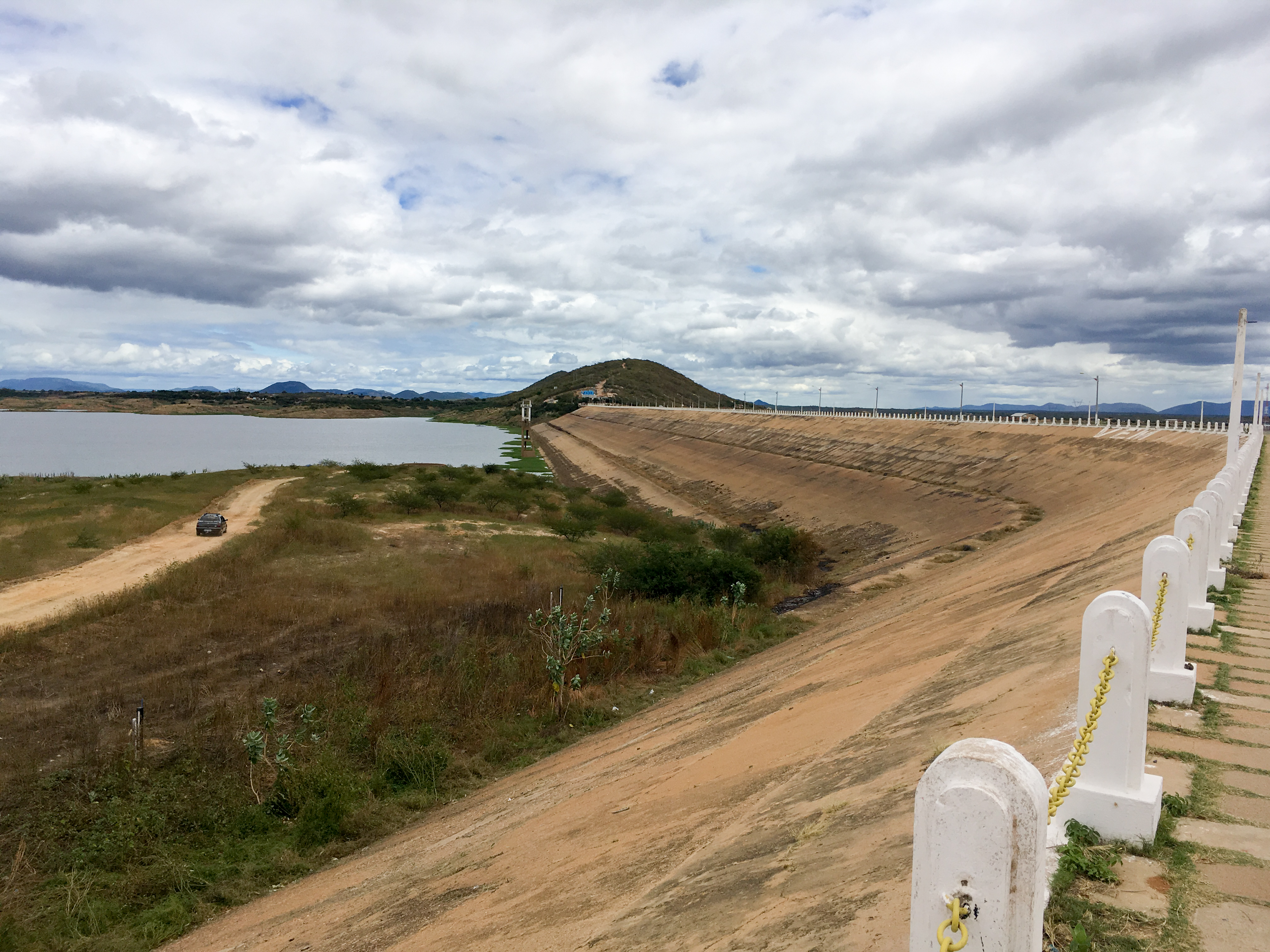
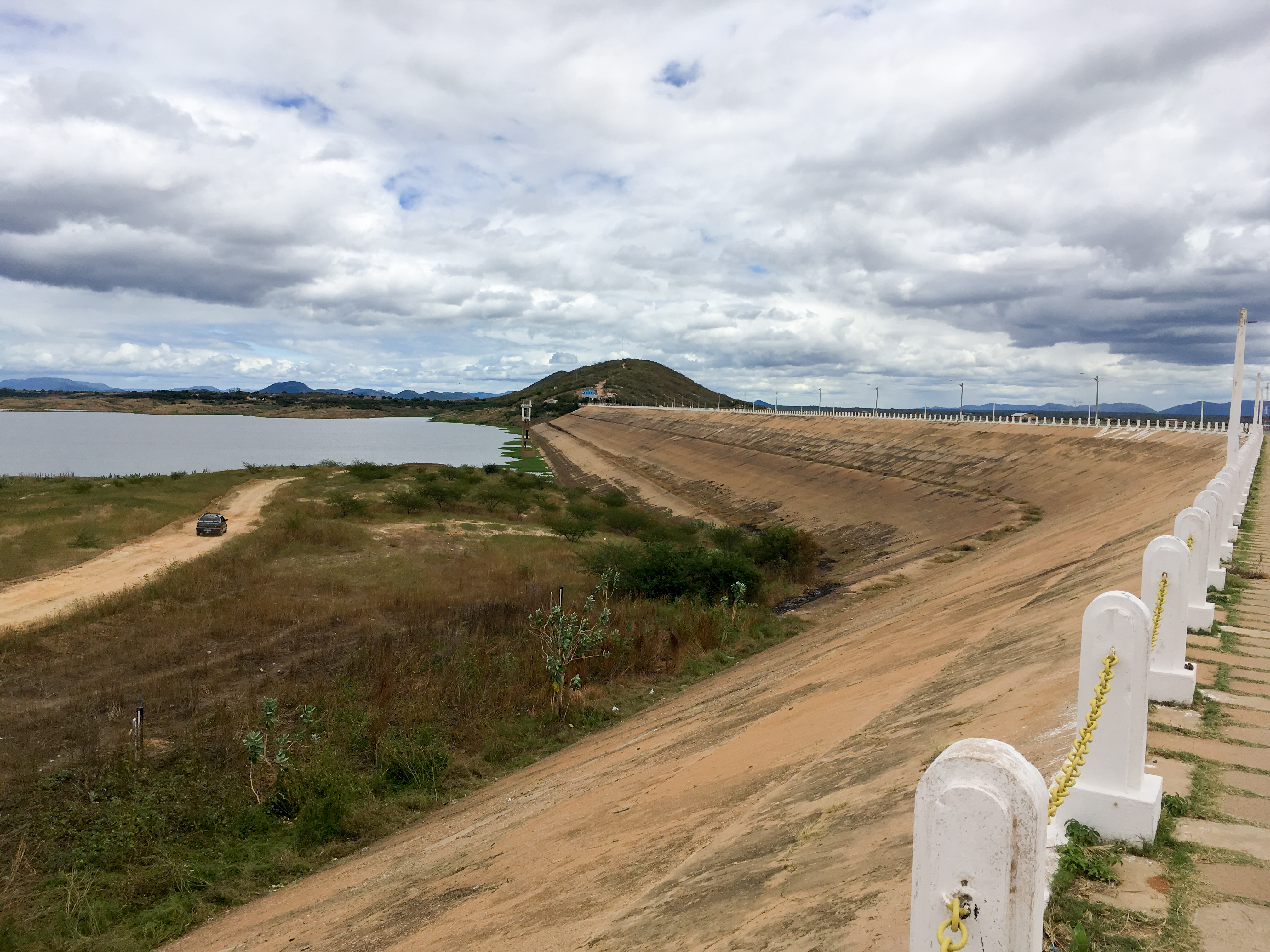
Imagine a modest 8‑metre‑high dam surrounded by rolling savanna, dotted with palm trees, and reflecting the endless blue of the sky. That’s Barragem de Mãe D'Água, a key part of the Complexo de Açudes Coremas Mãe D'Água—locally known as the Açude de Coremas. While it may not boast the height of the Itaipu or the fame of the Sobradinho, this dam is a vital water reservoir for the region and a surprisingly photogenic spot for travelers seeking peace, local culture, and a glimpse of Brazil’s inland water management heritage.
In this guide, we’ll walk you through everything you need to know to make the most of a visit to this tranquil dam: its history, how to get there, the best season to explore, what you’ll see on site, nearby attractions, and practical travel tips.
2. About Barragem de Mãe D'Água
- Location: Coremas, Paraíba, Brazil
- Coordinates:
-7.024170, -37.985454 - Height: 8 meters
- Altitude: Not publicly disclosed (the surrounding terrain sits at typical low‑land levels of the Sertão).
A Brief History
The dam belongs to the Complexo de Açudes that serves the municipality of Coremas and its neighboring districts. Built as part of a broader state‑wide effort to secure water for irrigation, livestock, and domestic use, the Açude Coremas Mãe D'Água (the Portuguese term “açude” means “reservoir”) has been a lifeline for the semi‑arid Sertão region for decades.
While exact construction dates are scarce in public records, the reservoir’s integration into the local water network reflects the mid‑20th‑century push by the Paraíba government to mitigate drought impacts. Today, the dam is managed by the Companhia de Saneamento do Estado da Paraíba (COELPAR), which monitors water levels, quality, and flood control.
Why It Matters
- Water Security: The reservoir stores rainwater during the short rainy season, releasing it gradually to sustain agriculture during the long dry months.
- Ecology: Its calm waters attract a variety of bird species—especially waterfowl, kingfishers, and migratory waders—making it a modest bird‑watching hotspot.
- Community Life: Local festivals sometimes use the dam’s banks for cultural events, offering visitors a chance to experience authentic Paraíba traditions.
3. How to Get There
By Air
The nearest major airport is João Pessoa International Airport (JPA), located about 130 km north of Coremas. From the airport:
- Rent a car (highly recommended for flexibility).
- Drive south on BR‑101 toward Campina Grande.
- After roughly 80 km, take the exit for PB‑060 (also signed “Coremas”).
- Follow PB‑060 for another 45 km; you’ll arrive in the town of Coremas.
The drive takes approximately 2 hours and offers scenic views of the Sertão’s dry forest and small farms.
By Bus
Regular intercity buses run from João Pessoa and Campina Grande to Coremas. The journey from João Pessoa takes about 3 hours. Once in Coremas, you can hire a local taxi or an “ônibus” (minibus) to the dam, which sits on the outskirts of town (roughly 5 km from the municipal center).
By Car (Self‑Drive)
If you’re already touring the Northeast, you can reach the dam via the BR‑101 and PB‑060 highways. The road is paved and well‑marked, but be prepared for occasional potholes in rural stretches. GPS coordinates -7.024170, -37.985454 will take you directly to the dam’s parking area.
4. Best Time to Visit
| Season | Weather | Visitor Experience |
|---|---|---|
| Dry Season (June – December) | Clear skies, low humidity, occasional warm breezes. | Ideal for photography, bird‑watching, and comfortable walks around the reservoir. |
| Rainy Season (January – May) | Short, intense showers; water levels rise. | Great for seeing the dam at its fullest, but paths may be muddy. Carry waterproof shoes. |
Peak recommendation: September to November. The sky is usually crystal‑clear, the water level is stable, and the temperature stays pleasant (around 26‑28 °C).
5. What to Expect
Scenic Views
The dam’s modest height creates a wide, mirror‑like surface that reflects surrounding hills and the occasional passing cloud. Early morning light casts a golden hue over the water—perfect for sunrise photography.
Wildlife
- Birds: Look for the Southern Lapwing, White‑eyed Piculet, and a variety of herons.
- Fish: Local anglers sometimes fish for tilápia (tilapia) and piau (a native characin).
Community Vibes
During weekends, locals gather near the dam’s edge for picnics, informal soccer matches, and sometimes small music gatherings. If you’re lucky, you might hear a forró band playing traditional accordion tunes.
Facilities
- Parking: Small free lot near the main gate.
- Restrooms: Basic facilities maintained by the municipality.
- Food: No permanent restaurants on site, but nearby Coremas town offers simple “casa de comida” (family‑run eateries) serving carne de sol, feijão tropeiro, and fresh fruit juices.
6. Nearby Attractions
While the Barragem de Mãe D'Água can easily fill a half‑day itinerary, the surrounding area offers several other points of interest within a short drive.
| Attraction | Distance from Dam | What to See | Link |
|---|---|---|---|
| Açude Coremas Mãe D'Água (the same reservoir) | 3.8 km | Panoramic viewpoints, fishing spots | Wikipedia – Açude Coremas Mãe D'Água |
| Unnamed Dam #1 | 4.1 km | Small water body, quiet walking trails | — |
| Avenida Estácio Vieira Torres (roadside dam) | 4.1 km | Scenic roadside stop, local street art | — |
| Açude Coremas Mãe D'Água (alternative entry) | 4.4 km | Additional access points, bird‑watching platforms | — |
| Unnamed Dam #2 | 5.3 km | Rural landscape, occasional cattle grazing | — |
Tip: Even if the “Unnamed Dams” lack formal signage, they provide excellent spots for a quick picnic or a photo session of the Sertão’s tranquil water bodies.
7. Travel Tips
| Tip | Details |
|---|---|
| Bring Sun Protection | The Sertão sun is intense year‑round. Pack a wide‑brimmed hat, sunscreen (SPF 30+), and sunglasses. |
| Stay Hydrated | Carry at least 2 liters of water per person, especially if you plan to hike around the reservoir. |
| Cash is King | Small towns in Paraíba rarely accept cards. Keep Brazilian reais for food, taxi rides, and souvenir stalls. |
| Dress Comfortably | Light, breathable clothing is ideal. Wear closed shoes if you plan to explore the dam’s perimeter. |
| Respect Local Culture | Ask permission before photographing people, especially during community gatherings. |
| Timing | Arrive early (around sunrise) to avoid the midday heat and capture the best light for photos. |
| Language | Portuguese is the primary language. A few basic phrases (“Bom dia”, “Por favor”, “Obrigado”) go a long way. |
| Connectivity | Mobile coverage can be spotty near the dam. Download offline maps (Google Maps, Maps.me) before you leave. |
| Safety | The dam’s water is not designated for swimming. Stick to designated viewing areas and watch children closely. |
| Eco‑Friendly | Pack out all trash. The region’s ecosystem is fragile, and local authorities encourage responsible tourism. |
Final Thoughts
The Barragem de Mãe D'Água may not headline Brazil’s travel brochures, but it embodies the quiet resilience and natural beauty of the Paraíba Sertão. Whether you’re a photographer chasing golden hour reflections, a bird‑watcher hoping to spot a rare wader, or a cultural explorer eager to mingle with friendly locals, this modest dam offers a rewarding slice of authentic Brazil.
Plan your trip, respect the environment, and let the calm waters of Mãe D'Água refresh your wanderlust. Safe travels!